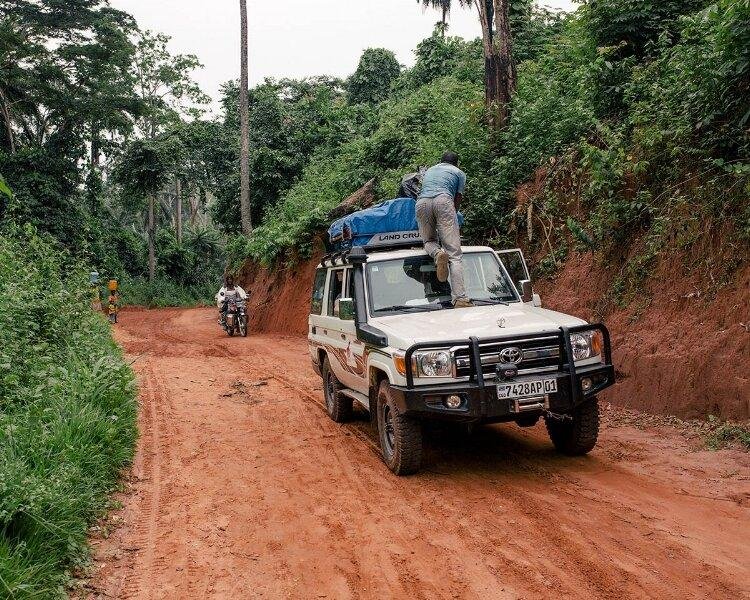
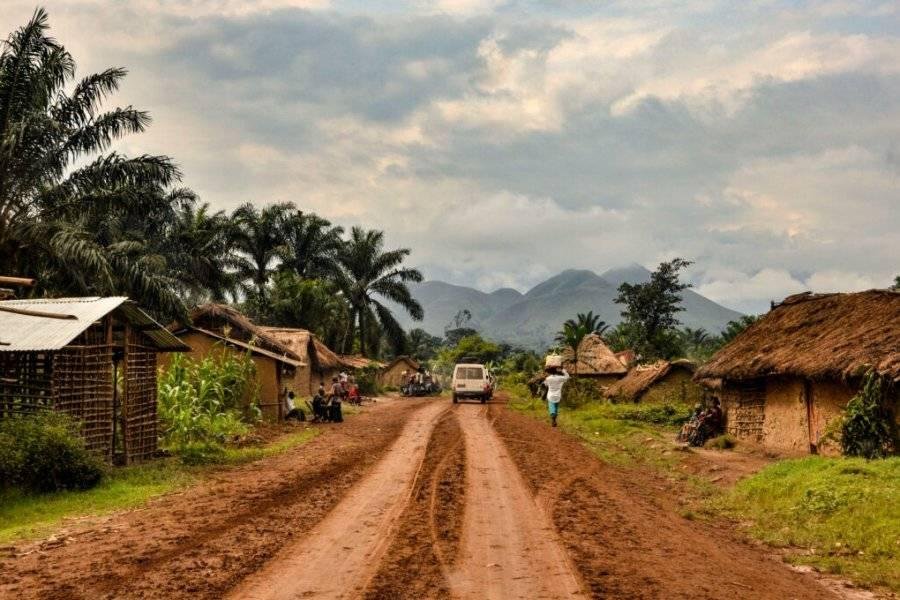
In Congo (Brazzaville), transportation plays a crucial role in connecting people and goods across the country’s vast and diverse landscape. With a history dating back to the colonial era when transport infrastructure was first developed, the country has seen significant advancements in recent years to improve its transportation network.
Today, Congo (Brazzaville) relies heavily on a combination of road, rail, air, and river transport to facilitate movement within the country and beyond its borders. The road network is the most widely used mode of transport, connecting major cities and rural areas alike. However, many roads are in need of repair and maintenance to ensure safe and efficient travel for all.
One of the biggest challenges facing transportation in Congo (Brazzaville) is the lack of adequate funding and resources to improve and expand existing infrastructure. This has led to congestion, delays, and safety concerns on the roads, hindering economic growth and development in the country.
Despite these challenges, there have been efforts to address the transportation issues in Congo (Brazzaville). The government has been working to attract foreign investment and expertise to help develop and modernize the transportation sector. Additionally, initiatives such as the National Transport Master Plan aim to improve coordination and planning efforts to ensure a more sustainable and efficient transport system for the future.
As Congo (Brazzaville) continues to invest in its transportation infrastructure, there is hope that the country will be able to overcome its challenges and provide safe and reliable transportation options for its citizens. With proper planning and investment, the transport sector has the potential to drive economic growth and improve the quality of life for all Congolese people.

What are the key transportation options available in Congo (Brazzaville)?
Transport in Congo (Brazzaville) refers to the various modes of transportation available in the country, including road, rail, air, and water transport. Each mode of transportation serves a different purpose and has its own advantages and disadvantages. In the following sections, we will discuss in detail the different transportation options available in Congo (Brazzaville) and how they contribute to the overall transportation infrastructure of the country.
Public Transport
Transport in Congo (Brazzaville) is primarily facilitated by public transportation systems such as buses and taxis. The bus system in Brazzaville is operated by the Société des Transports de la Ville de Brazzaville (STVB) and serves as the main mode of transport for residents. The buses are known for being crowded and often unreliable, but they offer an affordable way to get around the city.
Taxis
Taxis are another popular mode of transportation in Brazzaville. They can be hailed on the street or found at taxi stands throughout the city. Taxis are more expensive than buses, but they offer a more convenient and comfortable way to travel, especially for those looking to avoid the crowds on buses.
Motorcycles
In addition to buses and taxis, motorcycles are a common form of transportation in Brazzaville. Known locally as “taxi-motos,” these motorcycles can weave through traffic and provide a quick way to reach your destination. However, they can be hazardous and are not always the safest option for travel.
Rail Transport
Congo-Brazzaville also has a railway system that connects the city to other parts of the country. The Congo-Ocean Railway, also known as Chemin de Fer Congo-Océan (CFCO), is a vital transport link that provides both passenger and freight services. The railway offers a scenic way to travel through the country’s lush landscapes.
Water Transport
Given Brazzaville’s location along the Congo River, water transport is an important mode of travel in the city. Ferries and boats operate on the river, providing connections to other towns and cities along the waterway. Water transport offers a unique perspective of Brazzaville and is a popular choice for both locals and tourists.
Transport Infrastructure
The transport infrastructure in Congo (Brazzaville) is continually being developed and improved to meet the growing demands of the city’s residents. Investments are being made in road upgrades, public transport systems, and other modes of transportation to enhance connectivity and accessibility within the city.
Conclusion
According to recent statistics, over 70% of the population in Brazzaville relies on public transportation as their primary mode of travel, highlighting the importance of a well-functioning transport system in the city.
FAQs for Transport in Congo (Brazzaville)
What types of transportation are available in Congo (Brazzaville)?
Transportation options in Congo (Brazzaville) include:
- Bus
- Taxi
- Motorcycle taxi (boda-boda)
- Rental car
- Boat
- Train (limited availability)
Is it safe to use public transportation in Congo (Brazzaville)?
Public transportation in Congo (Brazzaville) can be overcrowded and safety standards may vary. It is recommended to use reputable transportation companies and exercise caution when using public transportation.
Are there any specific safety tips for using transportation in Congo (Brazzaville?
Some safety tips for using transportation in Congo (Brazzaville) include:
- Avoid traveling alone at night
- Keep personal belongings secure
- Use reputable transportation companies
- Be cautious of pickpockets
Can tourists rent cars in Congo (Brazzaville)?
Yes, tourists can rent cars in Congo (Brazzaville) from various rental companies. It is recommended to have an international driver’s license and be familiar with local driving laws.
How reliable is public transportation in Congo (Brazzaville?
Public transportation in Congo (Brazzaville) can be unreliable at times due to traffic congestion and limited infrastructure. It is advisable to plan ahead and allow for extra travel time.
Are there any specific cultural norms to be aware of when using transportation in Congo (Brazzaville)?
When using transportation in Congo (Brazzaville), it is important to respect local customs and traditions. For example, it is customary to greet the driver when boarding a bus or taxi.
What are the major transportation hubs in Congo (Brazzaville)?
Major transportation hubs in Congo (Brazzaville) include:
- Maya-Maya Airport
- Nkayi Bus Station
- Bacongo Wharf
How much does public transportation cost in Congo (Brazzaville?
Public transportation costs in Congo (Brazzaville) vary depending on the distance traveled and mode of transportation. Bus fares typically range from 100 to 500 FCFA.
Are there any transportation apps available in Congo (Brazzaville)?
There are several transportation apps available in Congo (Brazzaville) that allow users to book taxis, find bus routes, and track transportation schedules. Some popular apps include GoCongo and Congo Transport.
What are the peak hours for transportation in Congo (Brazzaville)?
Peak hours for transportation in Congo (Brazzaville) are typically in the morning and evening during rush hour. It is advisable to avoid traveling during these times if possible to avoid congestion.
Conclusion
Overall, transport in Congo (Brazzaville) faces numerous challenges due to a lack of infrastructure, inadequate funding, and poor maintenance of existing transport systems. The reliance on road transport, mainly outdated and unsafe vehicles, contributes to congestion, accidents, and inefficiency in the transportation network. Additionally, limited access to reliable public transport options further exacerbates the problem, particularly for low-income residents who rely on these services for their daily commute.
Despite these challenges, there are opportunities for improvement through increased investment in infrastructure, the adoption of sustainable transport solutions, and the implementation of efficient urban planning strategies. By expanding and modernizing the transport network, the government can enhance connectivity, reduce traffic congestion, and improve overall transport efficiency. Furthermore, promoting the use of alternative modes of transportation, such as cycling and walking, can help reduce the environmental impact of transport while also providing affordable and accessible options for residents. In conclusion, addressing the various issues surrounding transport in Congo (Brazzaville) requires a multi-faceted approach that prioritizes sustainability, efficiency, and inclusivity to ensure a reliable and accessible transport system for all.