Did you know that Azerbaijan is a key transportation hub in the Caucasus region due to its strategic location between Europe and Asia?
Transport in Azerbaijan has a long history dating back to ancient times when trade routes connected the region to major civilizations in the Middle East and beyond. Today, the country continues to play a vital role in the global transportation network, with its modern infrastructure supporting the movement of goods and people across borders.
One of the challenges facing transport in Azerbaijan is the need to improve road safety. According to statistics, the number of road accidents in the country has been on the rise in recent years. To address this issue, the government has implemented various initiatives aimed at enhancing road safety and reducing accidents.
The railway system in Azerbaijan is an important mode of transportation, connecting major cities and serving as a crucial link between Europe and Asia. With ongoing investments in railway infrastructure, the country is poised to further strengthen its position as a key transit route for goods and passengers.
Azerbaijan’s location on the Caspian Sea also makes maritime transport an important aspect of the country’s transportation network. The development of ports and shipping facilities along the Caspian coast has increased the country’s capacity to handle cargo and facilitate trade with neighboring countries.
As Azerbaijan continues to invest in its transportation infrastructure, the country is well-positioned to enhance its role as a key player in the global transport industry. With ongoing improvements in road, rail, and maritime networks, Azerbaijan is set to further solidify its position as a vital link between Europe and Asia.

What are the transport options available in Azerbaijan?
Transport in Azerbaijan refers to the various modes of transportation available in the country, including road, rail, air, and water. The transportation infrastructure in Azerbaijan has been rapidly developing in recent years, with major investments being made to improve connectivity within the country and with neighboring countries. To learn more about the transport options available in Azerbaijan and how they contribute to the country’s economy and development, continue reading the following sections.
Transport in Azerbaijan has undergone significant development in recent years, with the government investing in infrastructure to improve connectivity both domestically and internationally. Here are some key aspects of transport in Azerbaijan:
Road Transport
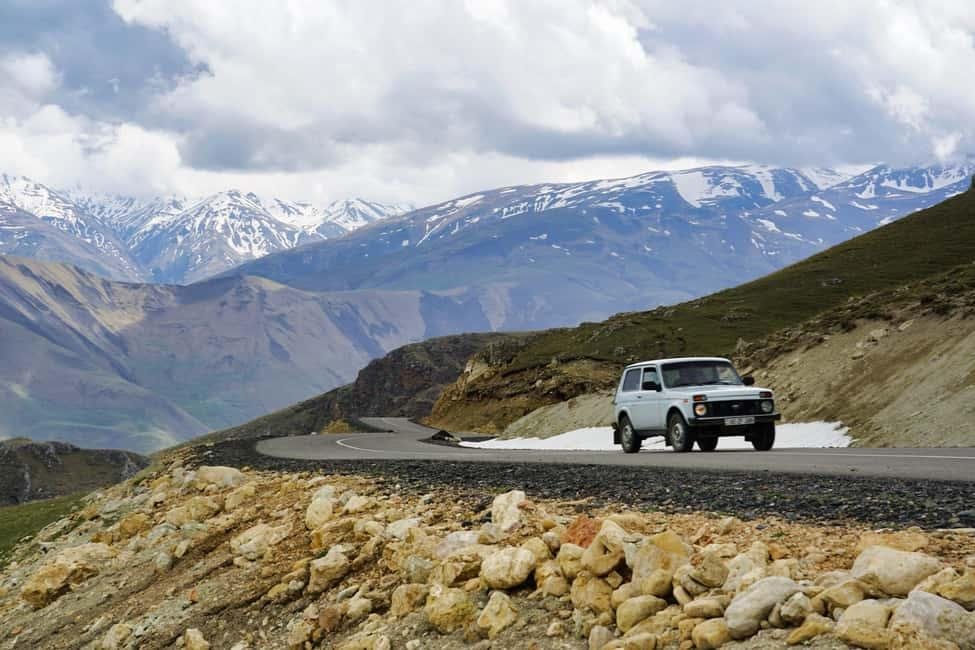
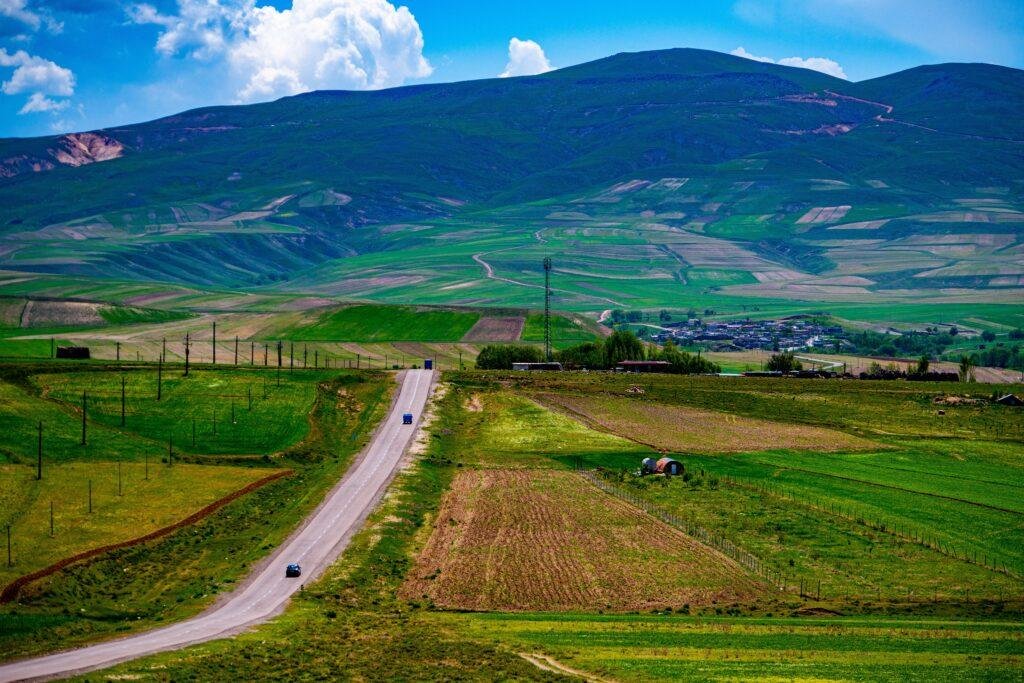
As of 2021, Azerbaijan has a well-developed road network that spans approximately 20,000 kilometers. The country’s major cities and towns are connected by paved roads, making travel by car or bus a convenient option for both locals and tourists. The government has also invested in the construction of highways to improve connectivity and reduce travel times between major cities.
Rail Transport
The rail network in Azerbaijan is an important mode of transportation for both passengers and cargo. The country’s railways are connected to neighboring countries such as Georgia, Russia, and Iran, facilitating trade and travel across the region. The Baku-Tbilisi-Kars railway, which links Azerbaijan with Turkey and Georgia, has further enhanced the country’s connectivity with Europe and Asia.
Aviation
Baku Heydar Aliyev International Airport is the main gateway to Azerbaijan, serving as a hub for both domestic and international flights. The airport has undergone significant expansion in recent years to accommodate the growing number of passengers. Azerbaijan Airlines, the national carrier, operates flights to various destinations in Europe, Asia, and the Middle East.
Maritime Transport
The Port of Baku is a key maritime hub in the Caspian Sea region, handling cargo shipments to and from Azerbaijan. The port plays a vital role in facilitating trade with neighboring countries and beyond. In addition to the Port of Baku, Azerbaijan has several other smaller ports along the Caspian Sea coast.
Public Transport
Public transport in Azerbaijan includes buses, minibusses (known as marshrutkas), and the Baku Metro. The Baku Metro is the only subway system in the country and serves the capital city of Baku. The metro system is efficient and affordable, making it a popular choice for commuters and tourists alike.
Stat
According to data from the World Bank, Azerbaijan had a total road network of approximately 31,300 kilometers in 2018.
What are the main modes of transport in Azerbaijan?
The main modes of transport in Azerbaijan include roads, railways, air transport, and water transport.
Is public transportation readily available in Azerbaijan?
Yes, public transportation is readily available in major cities like Baku, with options including buses, metro, and taxis.
How developed is the road network in Azerbaijan?
The road network in Azerbaijan is fairly developed, with highways connecting major cities and regions of the country.
Are there any domestic airlines in Azerbaijan?
Yes, there are several domestic airlines operating in Azerbaijan, providing flights to various destinations within the country.
What are the main railway connections in Azerbaijan?
The main railway connections in Azerbaijan link Baku with cities like Ganja, Sumgait, and Nakhchivan.
Is it safe to travel by public transportation in Azerbaijan?
Generally, traveling by public transportation in Azerbaijan is considered safe, but it is always recommended to remain vigilant and keep an eye on personal belongings.
Are there any restrictions on driving in Azerbaijan for foreigners?
Foreigners are allowed to drive in Azerbaijan with a valid international driver’s license or an official translation of their home country’s license.
How reliable is the water transport system in Azerbaijan?
The water transport system in Azerbaijan is reliable for traveling along the Caspian Sea coast and to some islands in the region.
What are the peak hours for traffic in Baku?
The peak hours for traffic in Baku are usually during weekday mornings and evenings, as people commute to and from work.
Are there any specific rules or customs to be aware of when using public transportation in Azerbaijan?
- It is common to give up your seat to the elderly, pregnant women, and people with disabilities.
- Always validate your ticket when using public transportation to avoid fines.
Conclusion
In conclusion, transport in Azerbaijan plays a vital role in connecting people and goods across the country. The development of extensive road, rail, and air networks has significantly improved accessibility and connectivity, contributing to economic growth and development. The Baku-Tbilisi-Kars railway, the construction of new highways, and the expansion of the Baku Heydar Aliyev International Airport demonstrate the government’s commitment to enhancing transportation infrastructure.
Moreover, the strategic location of Azerbaijan as a key transit hub between Europe and Asia has positioned the country as an important player in regional and international trade. The ongoing investments in transport infrastructure, such as the construction of the Trans-Caspian International Transport Route, will further boost Azerbaijan’s role in facilitating the movement of goods between Europe and Asia. Despite facing challenges such as traffic congestion in urban areas and the need for continued infrastructure development in rural areas, Azerbaijan’s transport sector is poised for further growth and modernization in the years to come.