Coffee Region, Caribbean Beaches, Andes Mountains & Incredible Road Trips
6
Colombia Travel Guide
Colombia is one of South America’s most exciting travel destinations, offering vibrant cities, Caribbean beaches, snow-capped Andean peaks, lush coffee plantations, Amazon rainforest, colonial towns, and exceptional biodiversity. Once overlooked by international tourism, Colombia has become one of the continent’s most rewarding countries for independent travelers, thanks to its spectacular landscapes, rich cultural heritage, and welcoming people.
Located in the northwestern corner of South America, Colombia is the only country on the continent with coastlines on both the Caribbean Sea and the Pacific Ocean. It borders Venezuela, Brazil, Peru, Ecuador, Panama, and two oceans, creating an incredible variety of ecosystems. Visitors can explore tropical rainforests, cloud forests, volcanoes, deserts, coral islands, and fertile valleys, often within a single journey.
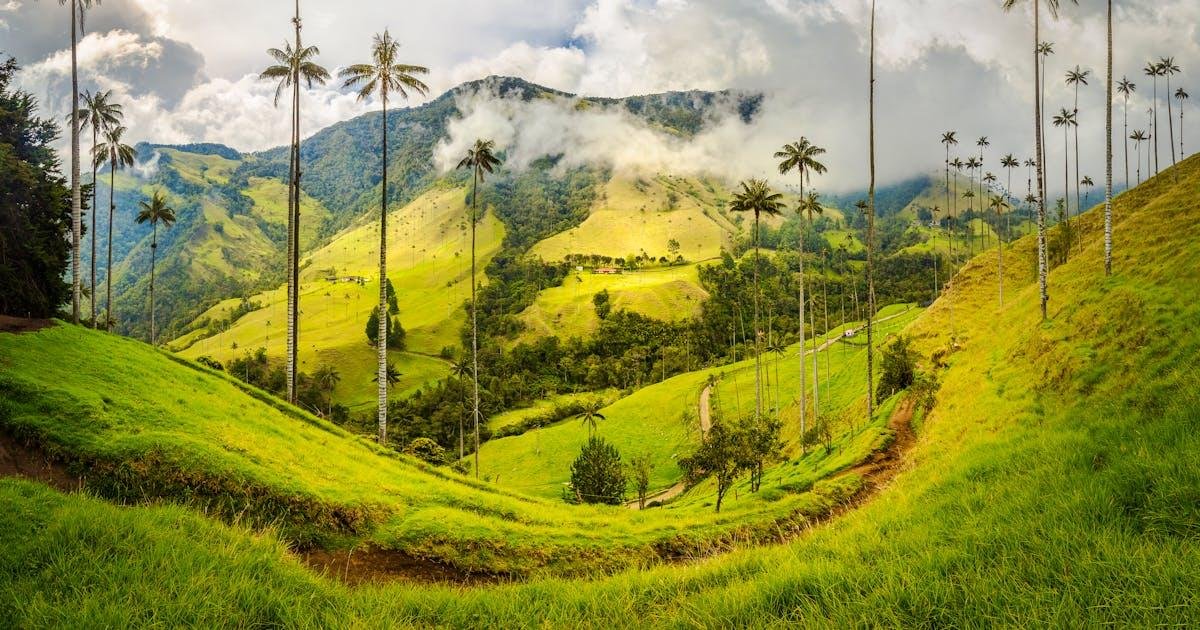
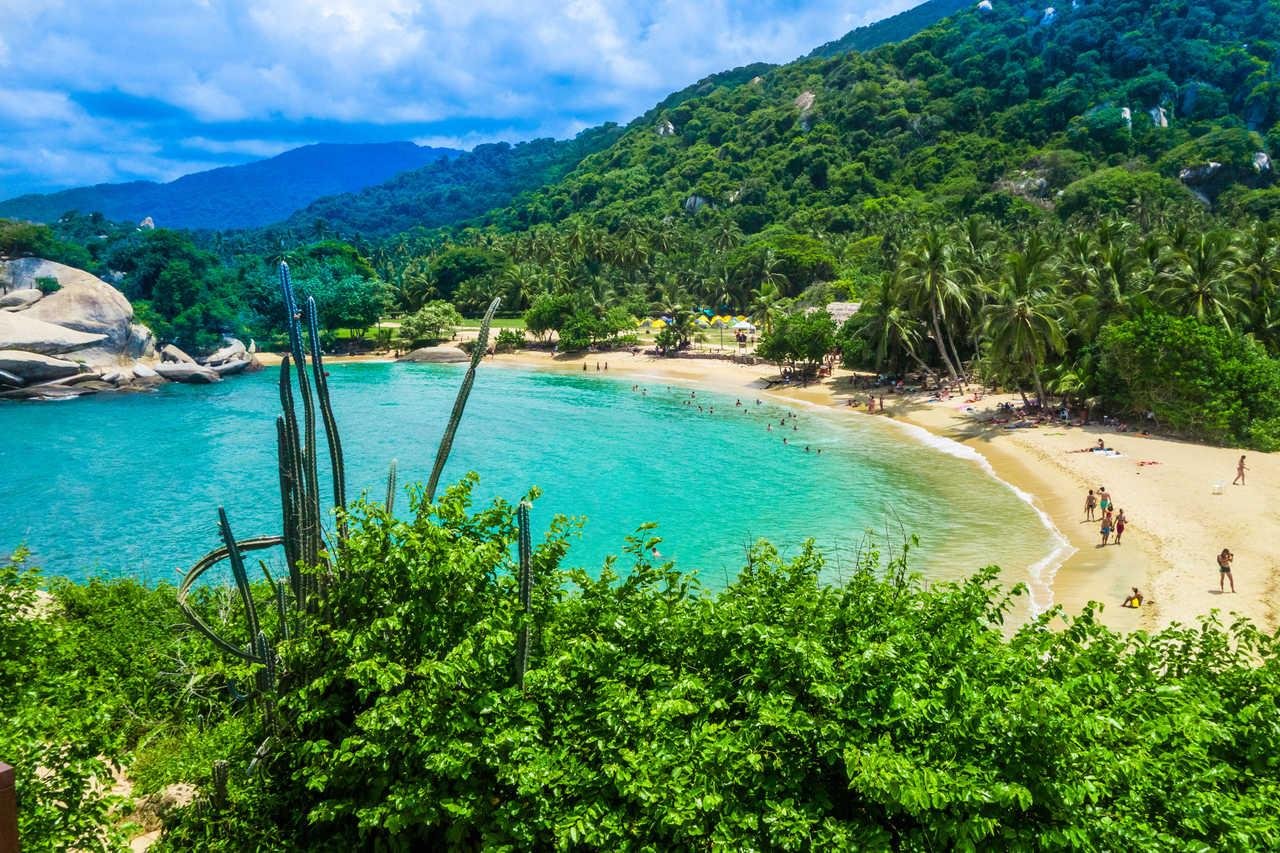
Nature is one of Colombia’s greatest attractions. The country is among the world’s most biodiverse nations and is home to thousands of bird species, colorful orchids, tropical wildlife, and stunning national parks. Travelers can hike through the towering wax palm forests of the Cocora Valley, relax on Caribbean beaches in Tayrona National Park, explore the Amazon Basin, or discover the remote deserts of La Guajira.
Colombia’s culture is equally diverse. Indigenous traditions blend with Spanish colonial heritage and African influences, creating a vibrant mix of music, festivals, cuisine, and architecture. Every region has its own traditions, from the salsa rhythms of Cali and the colorful streets of Cartagena to the coffee farms of the Zona Cafetera and the modern innovation of Medellín.
For independent travelers, Colombia is one of South America’s best destinations for backpacking and road trips. Modern highways connect much of the country, while scenic mountain roads lead to remote villages and spectacular national parks. Affordable accommodation, extensive bus networks, and a growing tourism infrastructure make Colombia an excellent destination for travelers of every style.
This guide covers everything you need to plan an unforgettable journey through Colombia.
Quick Facts
| Item | Information |
|---|---|
| Capital | Bogotá |
| Currency | Colombian Peso (COP) |
| Official Language | Spanish |
| Population | Approximately 53 million |
| Time Zone | UTC−5 |
| Driving | Right-hand side |
| Country Code | +57 |
Why Visit Colombia?
Colombia combines incredible biodiversity, rich culture, and spectacular scenery.
Highlights include:
- Cartagena
- Medellín
- Bogotá
- Tayrona National Park
- Cocora Valley
- Coffee Region
- Amazon Rainforest
- San Andrés
- Caño Cristales
- Caribbean beaches
- Andes Mountains
- Colonial towns
Colombia is ideal for adventure travelers, beach lovers, photographers, wildlife enthusiasts, and backpackers.
Best Places to Visit

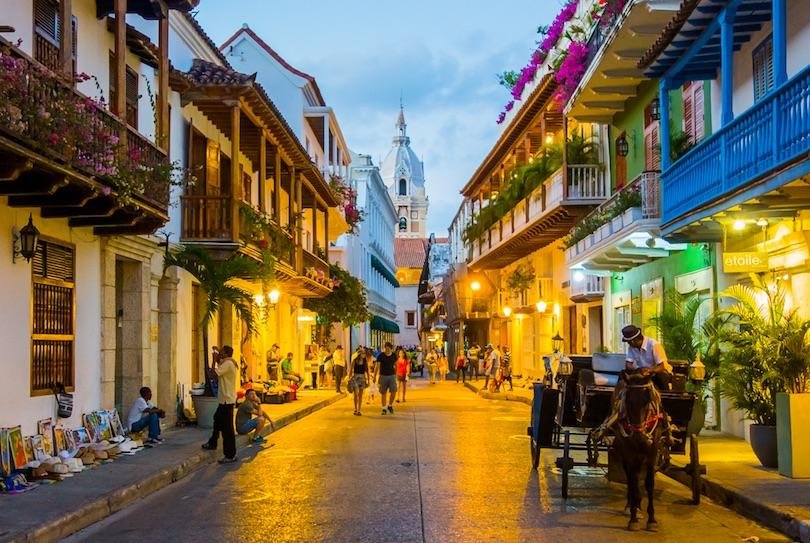
Cartagena
One of Latin America’s finest colonial cities.
Highlights include:
- Walled Old Town
- Castillo San Felipe
- Colorful streets
- Caribbean cuisine
- Historic plazas
- Sunset walks
- Nearby islands
Cartagena is a UNESCO World Heritage Site and Colombia’s most famous tourist destination.
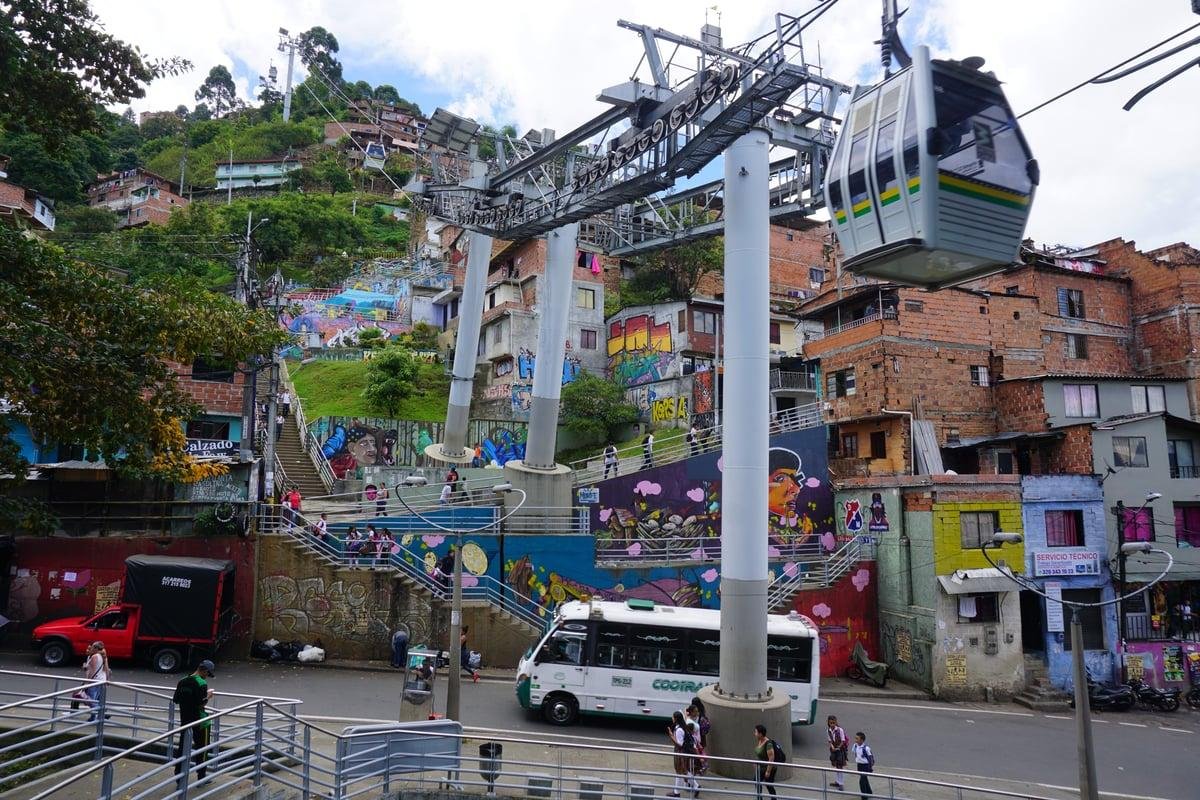
Medellín
Known as the “City of Eternal Spring.”
Visitors enjoy:
- Comuna 13
- Cable cars
- Botero Plaza
- Modern architecture
- Excellent nightlife
- Innovation districts
Medellín has become one of South America’s most dynamic cities.
Bogotá
Colombia’s capital sits high in the Andes.
Highlights include:
- La Candelaria
- Gold Museum
- Monserrate
- Bolívar Square
- Museums
- Markets
- Street art
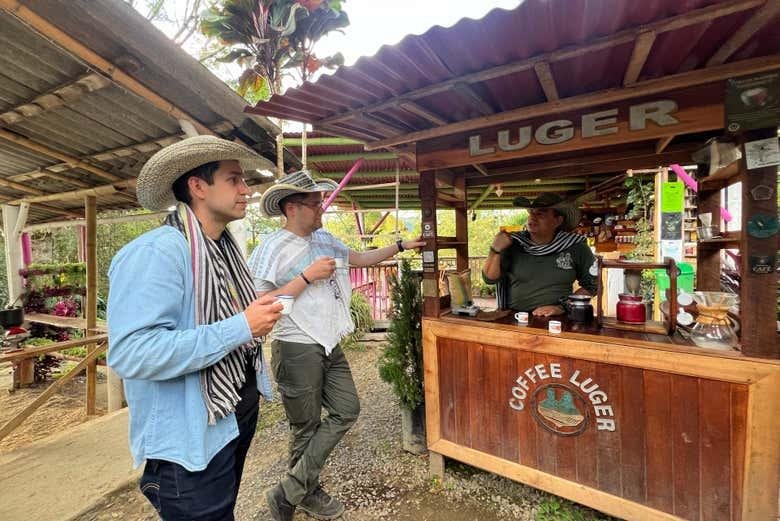
Coffee Region (Eje Cafetero)
One of Colombia’s most beautiful regions.
Visitors experience:
- Coffee farms
- Mountain villages
- Scenic drives
- Traditional fincas
- Hiking
Cocora Valley
Home to the world’s tallest wax palm trees.
Popular activities include:
- Hiking
- Horseback riding
- Photography
- Cloud forests
- Birdwatching
Tayrona National Park
One of Colombia’s most spectacular national parks.
Known for:
- Caribbean beaches
- Jungle trails
- Wildlife
- Camping
- Indigenous heritage
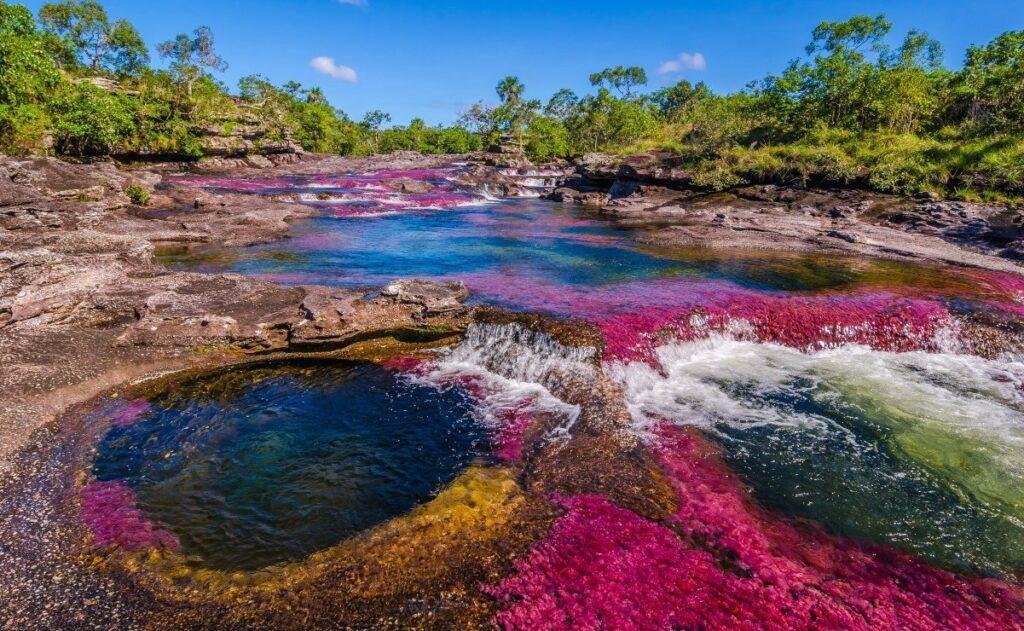
Caño Cristales
Often called the “River of Five Colors.”
Visitors admire:
- Colorful aquatic plants
- Crystal-clear water
- Hiking
- Wildlife
The river is most colorful during the appropriate seasonal months.
San Andrés & Providencia
Tropical Caribbean islands famous for:
- Coral reefs
- Diving
- White-sand beaches
- Snorkeling
- Relaxed island atmosphere
Best Time to Visit
Colombia’s climate depends largely on altitude rather than seasons.
| Season | Conditions |
|---|---|
| December – March | Dry season in many regions |
| July – August | Another relatively dry period |
| April – June | Rainier in many mountain regions |
| September – November | Variable weather depending on location |
Because of Colombia’s diverse geography, good travel conditions can be found throughout the year.
Regions of Colombia
Caribbean Coast
Home to:
- Cartagena
- Santa Marta
- Tayrona National Park
- Caribbean beaches
Andean Region
Known for:
- Bogotá
- Medellín
- Coffee Region
- Colonial towns
Pacific Coast
Features:
- Rainforests
- Whale watching
- Black-sand beaches
Amazon Region
Offers:
- Rainforests
- Indigenous communities
- Wildlife
- River expeditions
Eastern Plains (Llanos)
Known for:
- Wildlife
- Ranches
- Birdwatching
- Open savannas
Suggested Itineraries
5-Day Colombia Highlights
Day 1
- Bogotá
Day 2
- Monserrate
- Gold Museum
Day 3
- Medellín
Day 4
- Cartagena
Day 5
- Caribbean beaches
Perfect for first-time visitors.
One-Week Coffee & Culture
Explore:
- Bogotá
- Coffee Region
- Medellín
Ideal for combining cities with nature.
Two-Week Colombia Adventure
Travel through:
- Bogotá
- Coffee Region
- Cocora Valley
- Medellín
- Cartagena
- Tayrona National Park
One of South America’s finest travel itineraries.
Three-Week Grand Colombia Expedition
Continue to:
- Amazon Rainforest
- Caño Cristales
- San Andrés
- Pacific Coast
Ideal for exploring Colombia’s incredible diversity.
Overlanding in Colombia
7
Colombia is becoming one of South America’s most rewarding overlanding destinations.
Why Overlanders Love Colombia
- Andes Mountains
- Coffee Region
- Caribbean coast
- National parks
- Diverse landscapes
- Friendly communities
- Excellent food
Many overlanders include Colombia when traveling between South and Central America, although crossing the Darién Gap between Colombia and Panama requires transporting vehicles by ship or container.
Popular Routes
Coffee Route
Medellín → Salento → Armenia
Perfect for mountain scenery and coffee plantations.
Caribbean Coast
Cartagena → Santa Marta → Tayrona
Ideal for beaches and colonial history.
Southern Andes
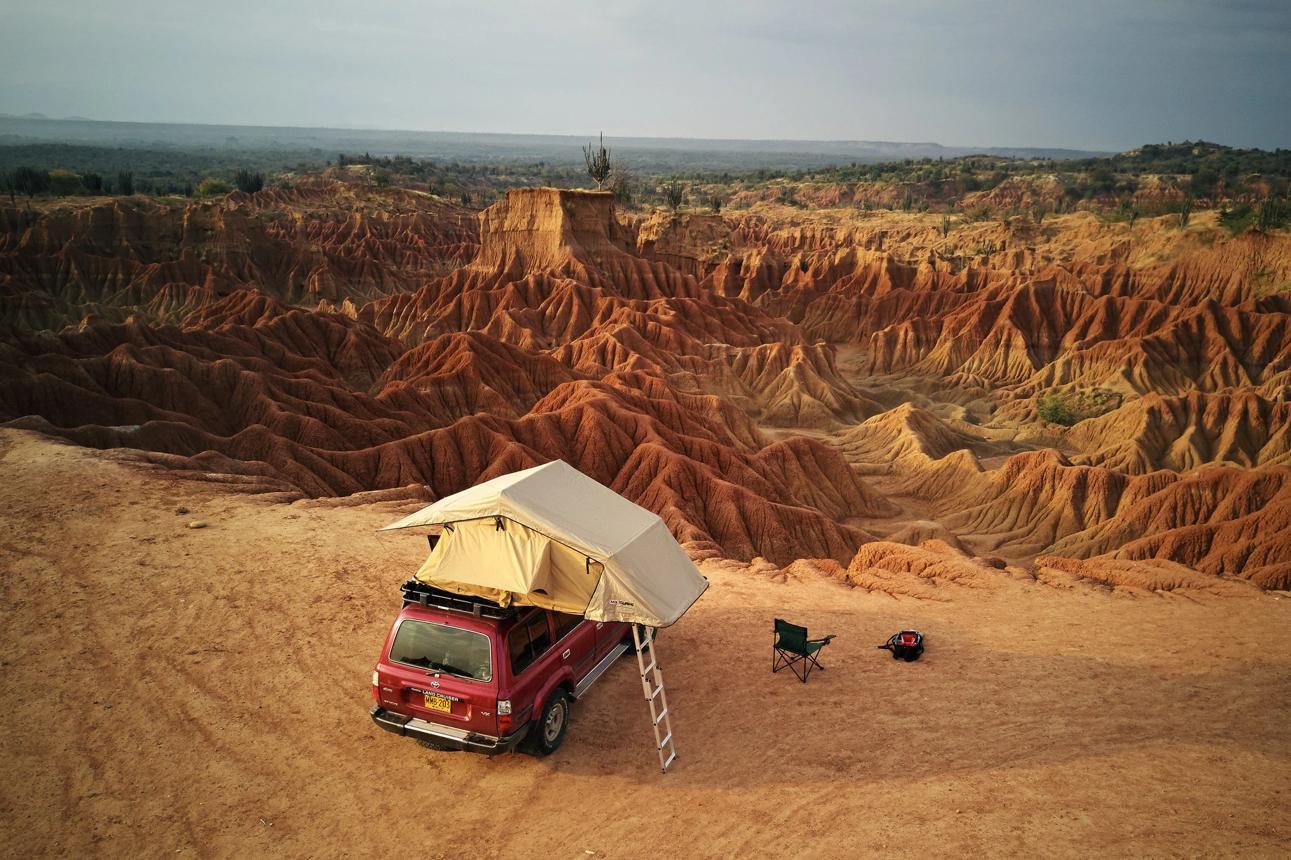
Bogotá → Tatacoa Desert → San Agustín
Excellent for archaeology and dramatic landscapes.
Eastern Llanos
Villavicencio → Llanos
Perfect for wildlife and wide-open savannas.
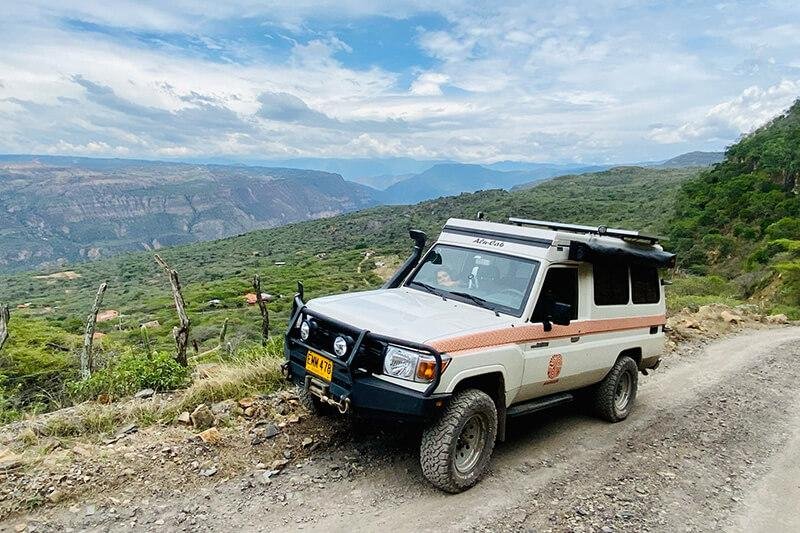
Road Conditions
Expect:
- Good highways between major cities
- Mountain roads
- Winding Andean passes
- Rural roads of varying quality
- Heavy traffic near larger urban areas
Driving times can be longer than distances suggest because of mountainous terrain.
Backpacking in Colombia
Colombia is one of the world’s favorite backpacking destinations.
Accommodation
Options include:
- Hostels
- Boutique hotels
- Guesthouses
- Eco-lodges
- Coffee farm stays
Hostels are plentiful throughout the country.
Transportation
Travel using:
- Long-distance buses
- Domestic flights
- Shared minibuses
- Ferries in some regions
Domestic flights are useful because of Colombia’s mountainous geography.
Backpacking Highlights
- Medellín
- Cartagena
- Coffee Region
- Tayrona
- Bogotá
- Amazon
- Caribbean islands
Camping
Camping opportunities continue to grow throughout Colombia.
Campgrounds
Organized campgrounds are available near several national parks, beaches, rivers, and adventure tourism destinations. Eco-lodges and glamping sites are also increasingly popular.
Wild Camping
Wild camping is generally not recommended in many parts of Colombia because of land ownership, conservation regulations, and local security considerations. Established campsites or accommodation providers are usually the safest and most practical choice.
RV & Motorhome Travel
Colombia is well suited to adventurous campervan travelers.
Popular RV Routes
Coffee Region
Medellín → Salento
Caribbean Explorer
Cartagena → Tayrona
Southern Colombia
Bogotá → San Agustín
Practical Information
Motorhome travelers should prepare for:
- Steep mountain roads
- Limited dedicated RV parks
- Fuel availability in most populated areas
- Narrow roads in some rural regions
Careful route planning is recommended in mountainous terrain.
Driving in Colombia
Driving offers excellent flexibility for exploring rural regions.
Main Roads
Major highways connect:
- Bogotá
- Medellín
- Cali
- Cartagena
- Bucaramanga
Mountain roads often require slower driving.
Things to Know
- Expect winding roads through the Andes.
- Avoid driving at night in unfamiliar rural areas.
- Weather can change quickly in mountain regions.
- Allow extra travel time because of elevation changes and traffic.
Border Crossings
Colombia shares land borders with:
- Venezuela
- Brazil
- Peru
- Ecuador
- Panama
There is no road crossing through the Darién Gap between Colombia and Panama, making vehicle transport by sea or air necessary for overland travelers continuing into Central America.
Visa & Entry Requirements
Many nationalities can enter Colombia visa-free for tourism, while others require a visa before arrival.
Before traveling, ensure you have:
- A valid passport
- Any required visa
- Proof of onward travel if requested
- Vehicle documentation for international overland travel
Always verify the latest entry requirements before departure.
Budget & Costs
Estimated daily travel expenses:
| Travel Style | Daily Budget |
|---|---|
| Budget traveler | US$30–60 |
| Mid-range | US$80–180 |
| Comfortable | US$300+ |
| Motorhome traveler | US$50–120 |
Colombia offers excellent value for money, particularly outside the most popular tourist destinations.
Safety
Colombia has become significantly safer for tourism over recent decades, but visitors should continue to exercise sensible precautions.
Travel tips include:
- Stay aware of your surroundings in busy urban areas.
- Use registered taxis or trusted ride-hailing services where available.
- Avoid displaying expensive valuables.
- Follow local advice when visiting remote regions.
- Check current travel information before traveling near international border areas.
Most tourist destinations are well established and welcome millions of visitors each year.
Food & Culture
Colombian cuisine varies greatly between regions.
Popular dishes include:
- Bandeja Paisa
- Ajiaco
- Sancocho
- Arepas
- Empanadas
- Fresh tropical fruit
- Ceviche
- Colombian coffee
Colombia is renowned for salsa, cumbia, vallenato, colorful festivals, coffee culture, and the warmth of its people. Each region has its own traditions, making travel across the country a rich cultural experience.
Frequently Asked Questions
Is Colombia expensive?
No. Colombia is one of the best-value destinations in South America, offering affordable accommodation, food, and transportation.
Is Colombia safe?
Yes. Most popular tourist destinations are considered safe for visitors who take normal precautions and stay informed about local conditions.
Is Colombia good for road trips?
Absolutely. Colombia’s mountain roads, coffee plantations, Caribbean coastline, and colonial towns make it an excellent destination for scenic self-drive adventures.
Can you travel Colombia by campervan?
Yes. Campervan travel is becoming increasingly popular, although dedicated RV facilities remain limited compared with North America and Europe.
How many days do you need in Colombia?
A week is enough to explore one or two regions, while three weeks allows you to experience Bogotá, Medellín, the Coffee Region, Cartagena, Tayrona National Park, and additional destinations.
What is Colombia famous for?
Colombia is best known for:
- Cartagena
- Medellín
- Coffee Region
- Cocora Valley
- Tayrona National Park
- Amazon Rainforest
- Caribbean beaches
- Exceptional biodiversity