Pink-Sand Beaches, Turquoise Waters, Maritime Heritage & Island Escapes
6
Bermuda Travel Guide
Bermuda is a spectacular island destination in the North Atlantic, famous for its distinctive pink-sand beaches, turquoise waters, pastel-colored houses, historic forts, coral reefs, and relaxed island atmosphere. Although geographically isolated in the Atlantic, Bermuda has strong cultural and historical connections with Britain and North America, creating a destination unlike anywhere else in the Caribbean or Atlantic.
The archipelago consists of numerous small islands and islets connected by bridges and causeways, with the main inhabited island stretching in a long, narrow shape across the ocean. Despite its small size, Bermuda offers an impressive range of experiences, from beach holidays and snorkeling to historic walking tours, sailing, diving, golf, and exploring underground caves.
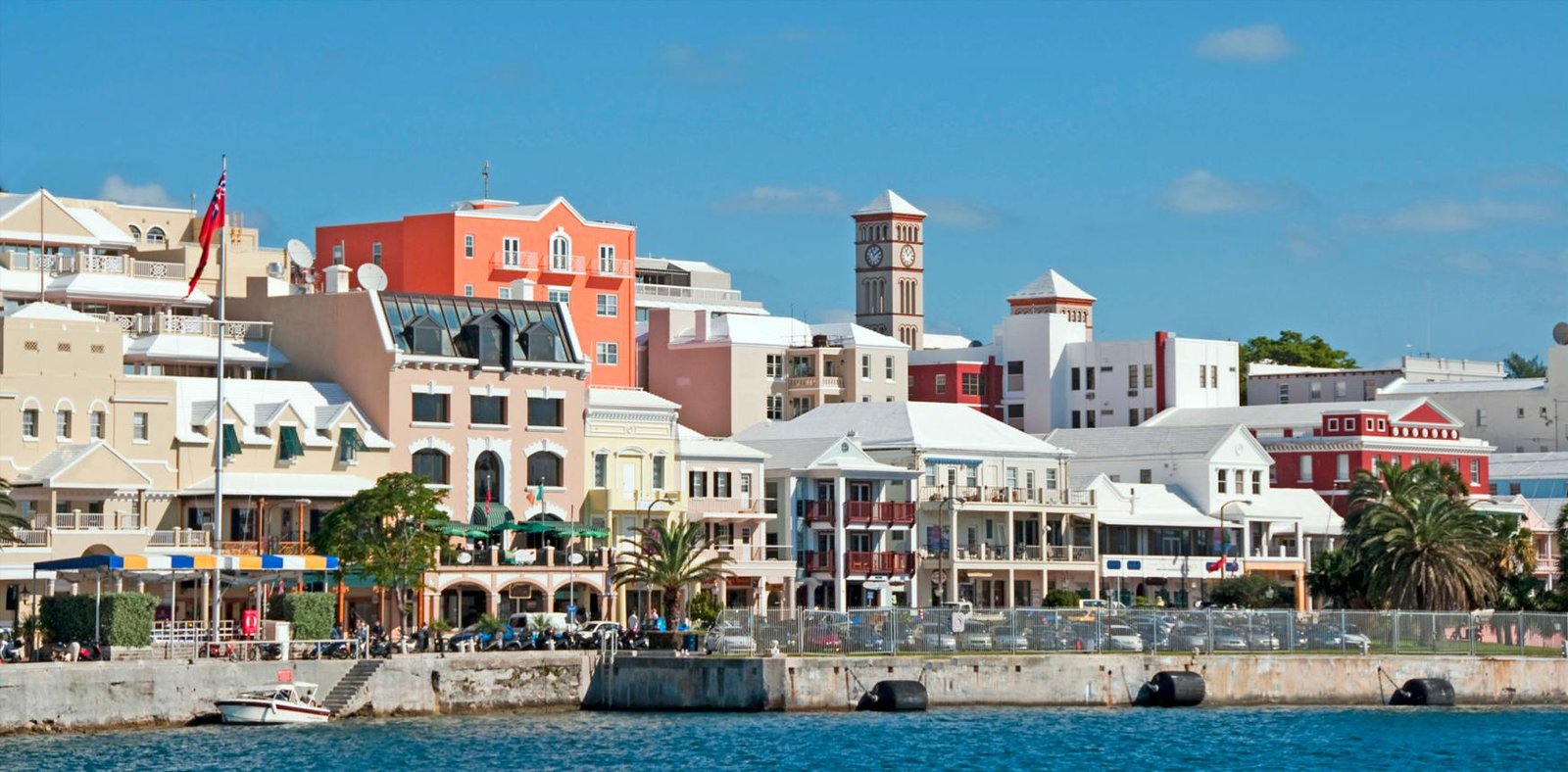
Hamilton, the capital, is the island’s commercial and cultural center. Its colorful buildings, waterfront, restaurants, shops, and narrow streets make it an enjoyable base for exploring the island. St. George’s, at the eastern end of Bermuda, is even more historic and is recognized as a UNESCO World Heritage Site.
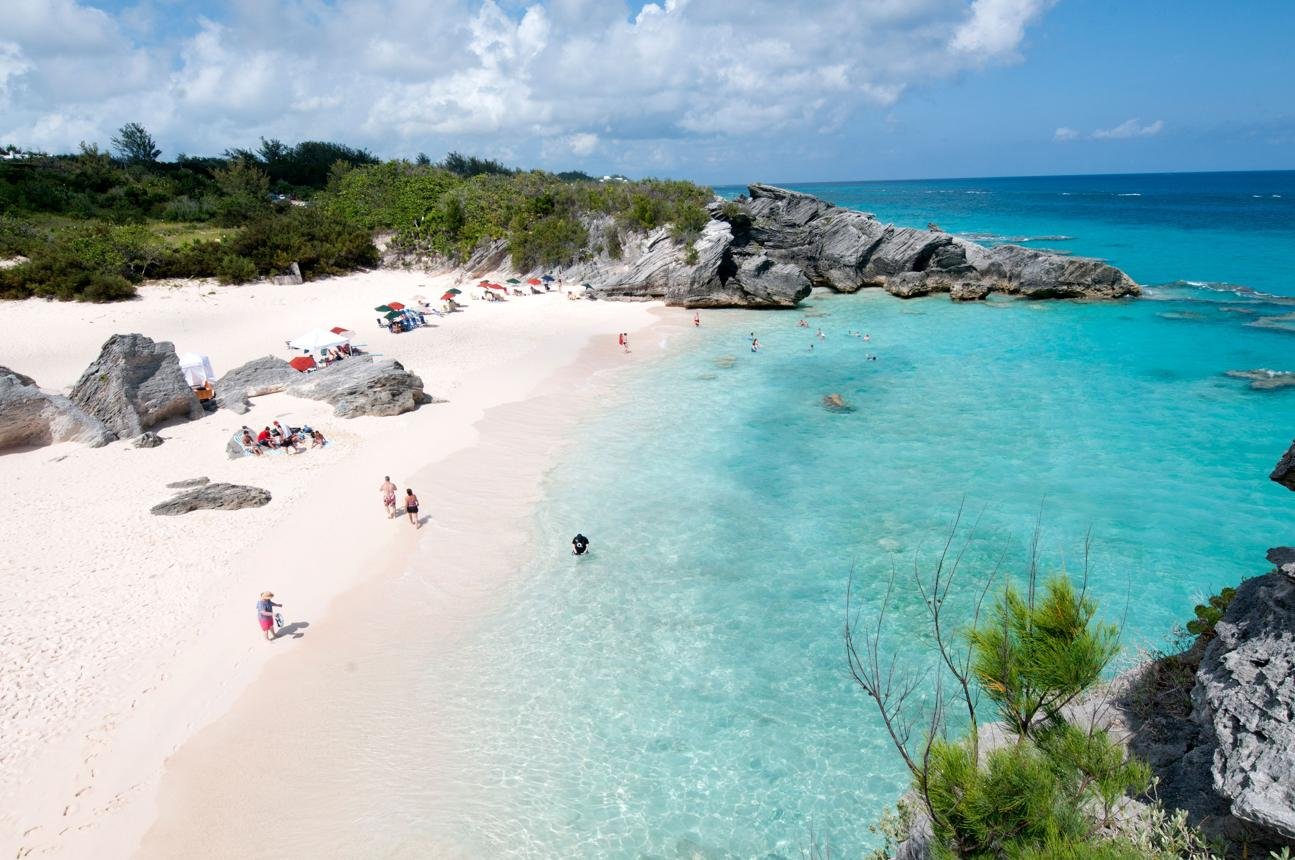
Bermuda’s beaches are among its greatest attractions. Horseshoe Bay is the best known, with its curved pink-tinted sand and clear blue water. Warwick Long Bay, Elbow Beach, Tobacco Bay, and many smaller coves offer alternatives for swimming, snorkeling, and relaxing.
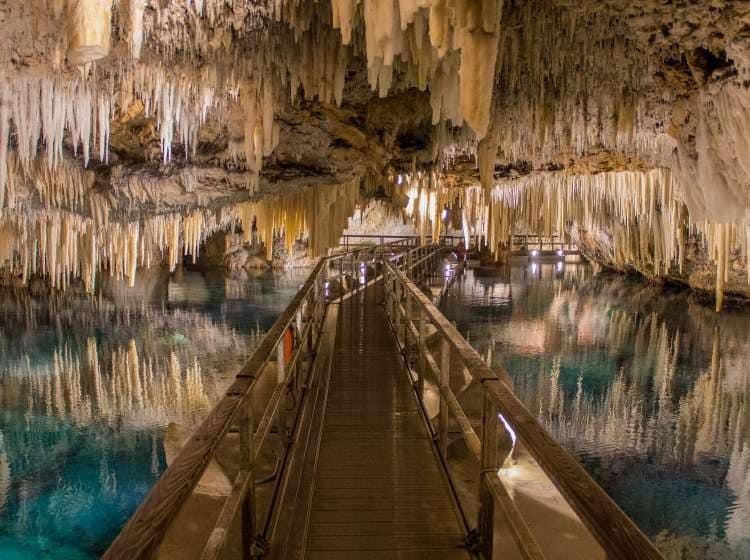
The island’s interior is surprisingly green, with gardens, nature reserves, walking trails, and limestone caves. Crystal Cave and Fantasy Cave are famous for their underground formations and clear pools, while the Railway Trail provides an unusual way to explore the island on foot or by bicycle.
Bermuda is also an important destination for maritime history and diving. Shipwrecks surround the island, and coral reefs provide excellent underwater scenery. Historic forts, lighthouses, churches, and colonial buildings reflect Bermuda’s centuries of strategic importance in the Atlantic.
Unlike many island destinations, Bermuda does not encourage conventional car tourism. Rental cars are restricted to small vehicles, and visitors often explore using scooters, electric rental cars, buses, ferries, bicycles, and taxis. This makes Bermuda particularly interesting for travelers looking for a compact destination that can be explored without a large vehicle.
This guide covers the most important destinations, beaches, activities, transportation, backpacking, camping, RV considerations, and practical information for planning a trip to Bermuda.
Quick Facts
| Item | Information |
|---|---|
| Capital | Hamilton |
| Currency | Bermudian Dollar (BMD) |
| Common Currency | US Dollar |
| Official Language | English |
| Population | Approximately 64,000 |
| Time Zone | Atlantic Time |
| Driving | Left-hand side |
| Country Code | +1-441 |
Why Visit Bermuda?
Bermuda combines natural beauty with British colonial and maritime heritage.
Highlights include:
- Horseshoe Bay
- Hamilton
- St. George’s
- Royal Naval Dockyard
- Crystal Cave
- Fantasy Cave
- Gibbs Hill Lighthouse
- Bermuda Railway Trail
- Elbow Beach
- Tobacco Bay
- Shipwreck diving
- Coral reefs
- Historic forts
Bermuda is particularly suited to beach travelers, couples, divers, cruise passengers, history enthusiasts, and travelers looking for a compact island destination.
Best Places to Visit
6
Hamilton
Hamilton is Bermuda’s capital and main commercial center.
Highlights include:
- Front Street
- Hamilton Harbour
- Cathedral of the Most Holy Trinity
- Sessions House
- Victoria Park
- Bermuda National Gallery
- Restaurants and cafés
The city is compact and easy to explore on foot.
St. George’s
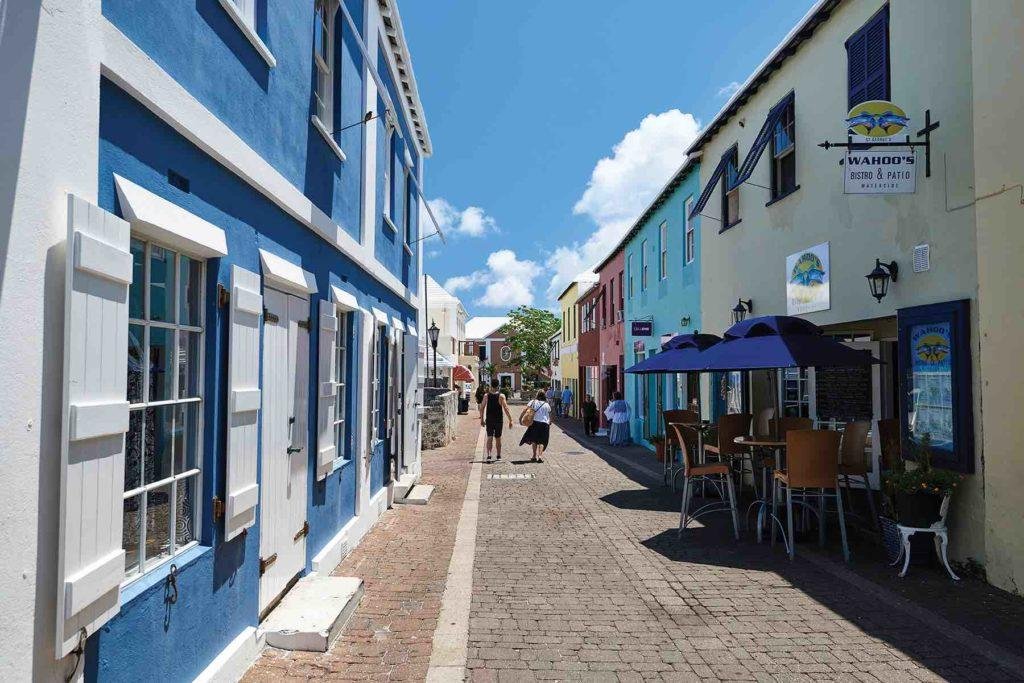
Historic St. George’s is one of Bermuda’s most important cultural destinations.
The town dates from the early colonial period and is a UNESCO World Heritage Site.
Highlights include:
- King’s Square
- St. Peter’s Church
- Fort St. Catherine
- Town Hall
- Historic streets
- Waterfront
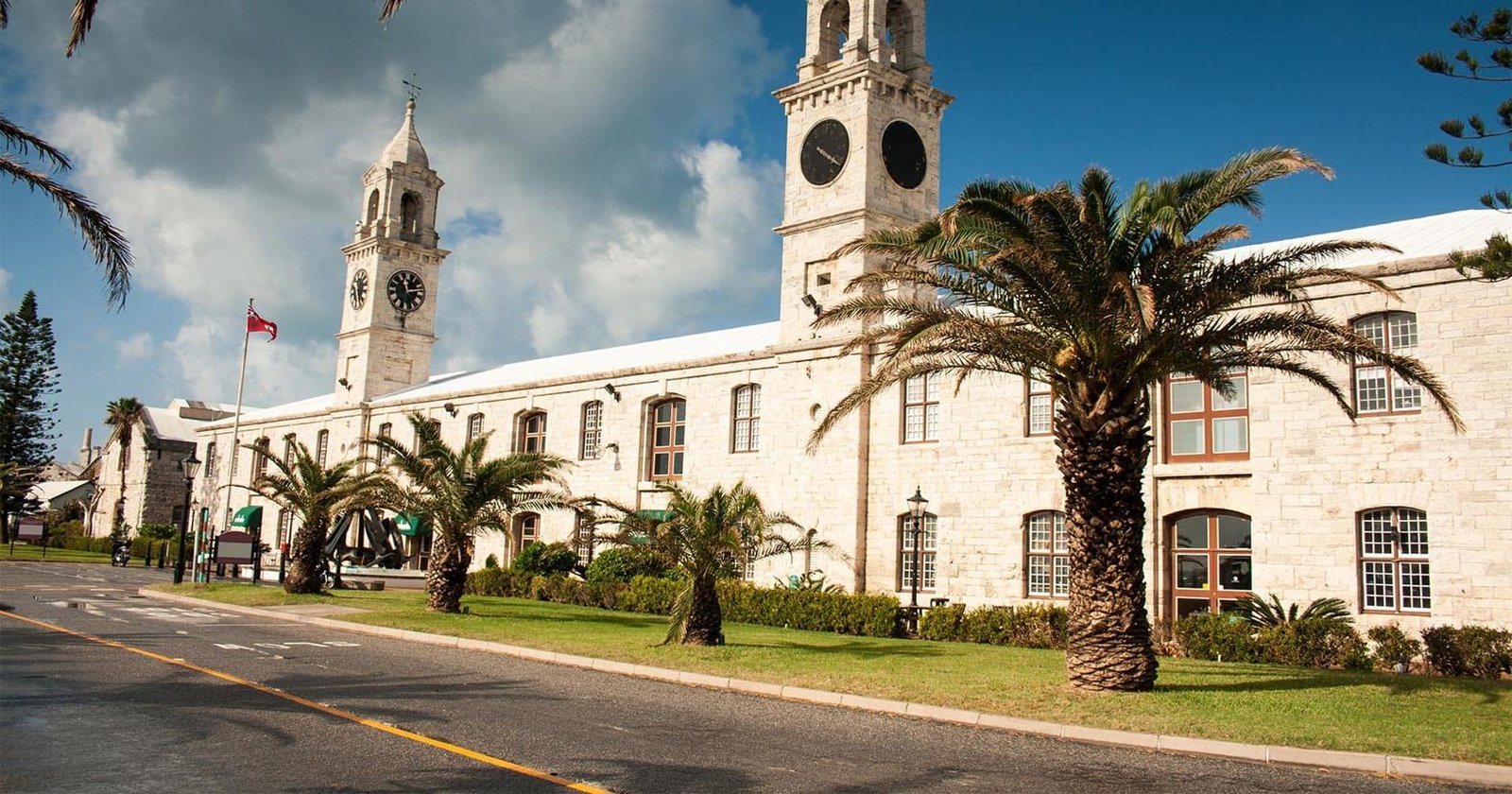
Royal Naval Dockyard
Located at Bermuda’s western end, the Royal Naval Dockyard is one of the island’s most visited areas.
Highlights include:
- National Museum of Bermuda
- Maritime history
- Historic fortifications
- Shops
- Restaurants
- Harbour
Horseshoe Bay
Bermuda’s most famous beach.
Known for:
- Pink sand
- Turquoise water
- Rock formations
- Snorkeling
- Coastal walking
Early morning or late afternoon can be particularly pleasant outside the busiest periods.
Elbow Beach
A beautiful long beach near Hamilton.
Popular for:
- Swimming
- Snorkeling
- Sunbathing
- Coastal walks
Tobacco Bay
Located near St. George’s and known for its protected waters.
The shallow bay is particularly suitable for snorkeling.
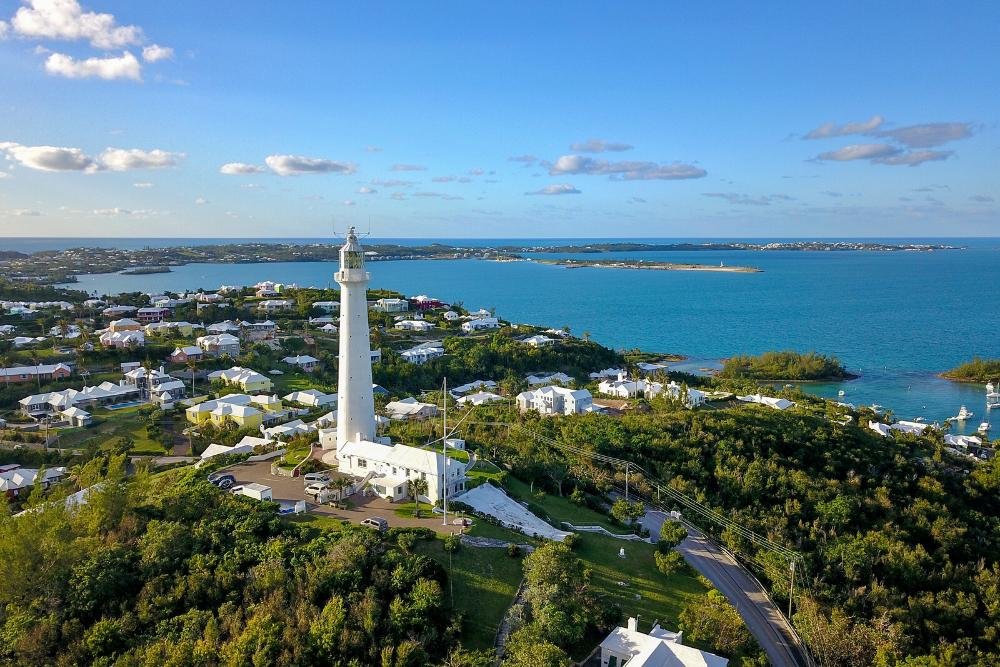
Gibbs Hill Lighthouse
One of Bermuda’s most recognizable landmarks.
The lighthouse provides panoramic views over the island and surrounding Atlantic Ocean.
Crystal Cave
An underground limestone cave containing impressive formations and clear pools.
Visitors can explore:
- Stalactites
- Stalagmites
- Underground lakes
- Rock formations
Best Time to Visit
Bermuda has a mild subtropical climate.
| Season | Conditions |
|---|---|
| April–May | Warm and relatively quiet |
| June–August | Hot, sunny and ideal for beaches |
| September–October | Warm with occasional storms |
| November–March | Cooler and quieter |
The main beach season runs from late spring through early autumn.
Bermuda lies in the Atlantic hurricane region, so travelers should monitor weather conditions during hurricane season.
Regions of Bermuda
West End
Known for:
- Royal Naval Dockyard
- Beaches
- Snorkeling
- Historic forts
Central Bermuda
Home to:
- Hamilton
- Elbow Beach
- Botanical gardens
- Residential areas
East End
Features:
- St. George’s
- Fort St. Catherine
- Tobacco Bay
- Historic sites
Suggested Itineraries
3-Day Bermuda Highlights
Day 1 – Hamilton
Explore the capital and waterfront.
Day 2 – Horseshoe Bay
Spend the day exploring the South Shore beaches.
Day 3 – St. George’s
Visit the historic town and Fort St. Catherine.
5-Day Bermuda Explorer
Day 1 – Hamilton
Explore the city.
Day 2 – South Shore
Visit Horseshoe Bay and nearby beaches.
Day 3 – Royal Naval Dockyard
Explore Bermuda’s maritime heritage.
Day 4 – Caves & Nature
Visit Crystal Cave and walk part of the Railway Trail.
Day 5 – St. George’s
Explore the UNESCO-listed historic town.
One-Week Bermuda Holiday
A week allows time to combine:
- Hamilton
- St. George’s
- Royal Naval Dockyard
- Horseshoe Bay
- Elbow Beach
- Tobacco Bay
- Crystal Cave
- Railway Trail
- Snorkeling
- Diving
- Sailing
Overlanding in Bermuda
7
Bermuda is not a conventional overlanding destination. The island is small, roads are narrow, and large rental vehicles are not part of the normal tourism system.
There is no practical way to arrive with a European-style motorhome and tour the island in the conventional overlanding sense.
Nevertheless, travelers interested in independent exploration can experience Bermuda by:
- Scooter
- Electric rental vehicle
- Bicycle
- Public bus
- Ferry
Road Travel
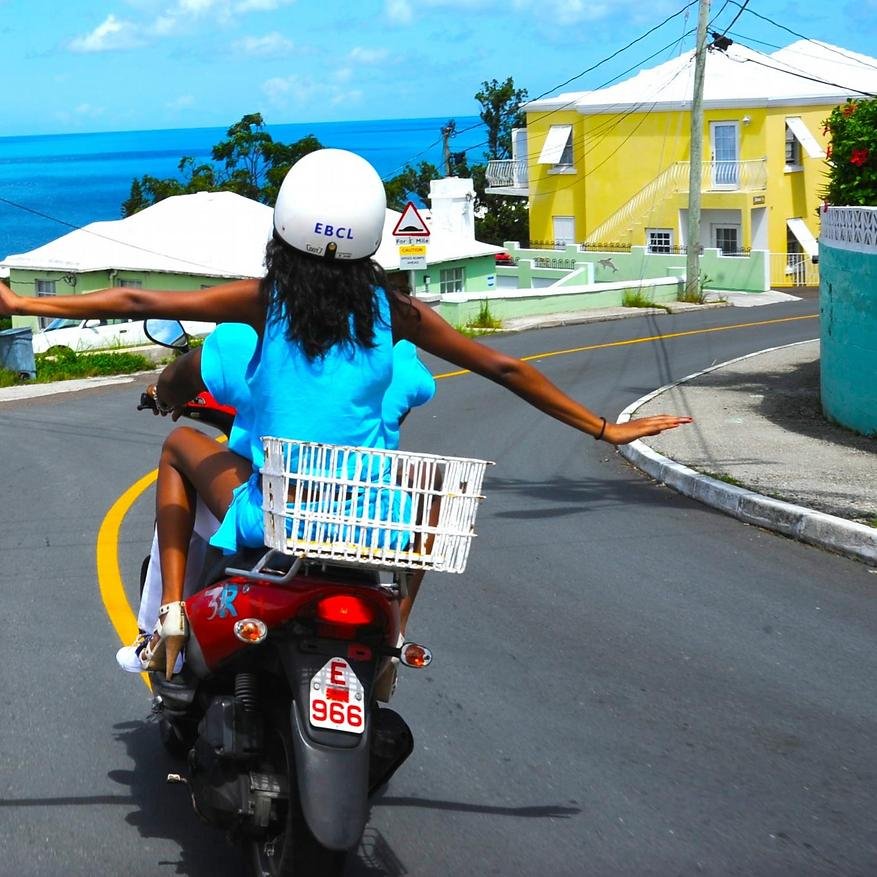
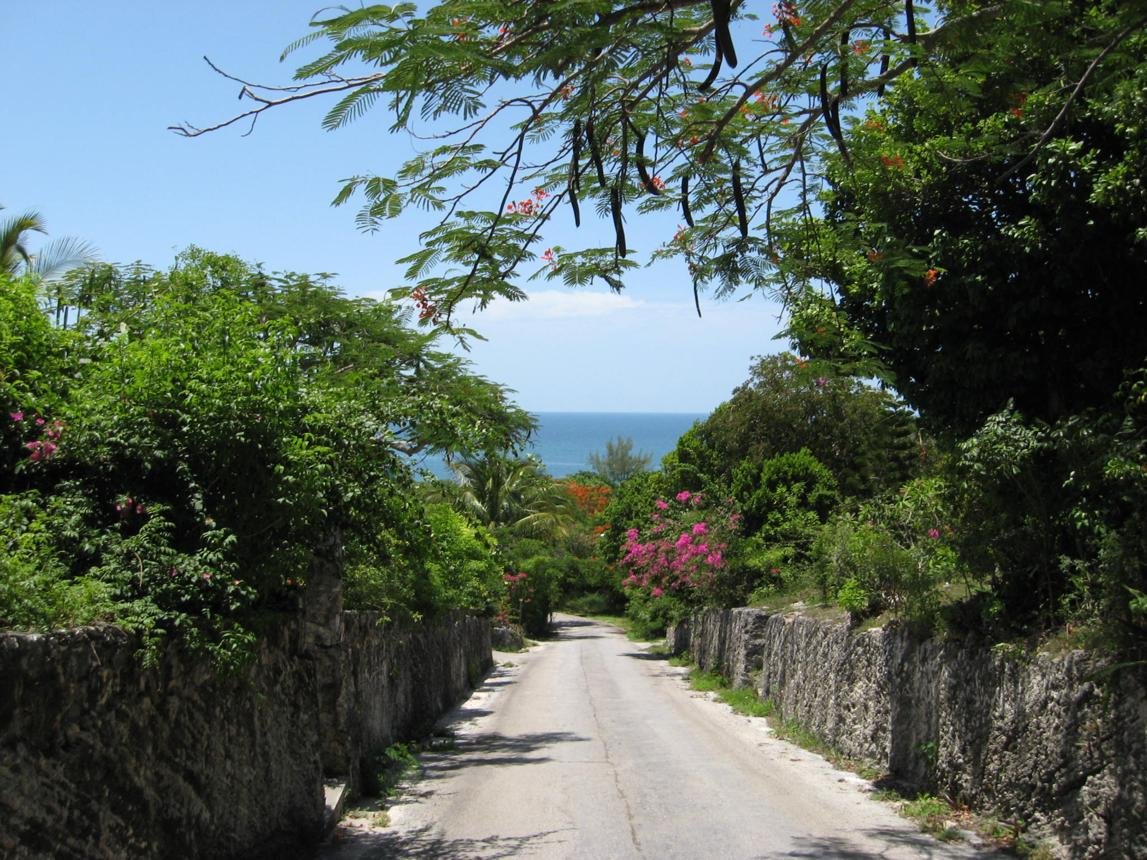
Bermuda’s roads are often narrow and winding, with distinctive stone walls and dense vegetation along many routes.
The island’s compact size means that even short journeys can reveal:
- Coastal views
- Beaches
- Historic villages
- Churches
- Gardens
- Fortifications
For independent travelers, two-wheel transport is often the most practical way to explore.
Backpacking in Bermuda
Backpacking is possible, but Bermuda is not a traditional budget destination.
Accommodation and food costs tend to be relatively high compared with much of the Caribbean and Central America.
Accommodation
Options include:
- Guesthouses
- Small hotels
- Vacation rentals
- Hostels in limited locations
Budget accommodation is considerably more limited than in popular backpacker destinations.
Transportation
Public transportation is particularly useful.
Visitors can use:
- Buses
- Ferries
- Taxis
- Scooters
- Bicycles
The bus and ferry network provides good access to many major attractions.
Backpacking Highlights
- Hamilton
- St. George’s
- Horseshoe Bay
- Dockyard
- Railway Trail
- Crystal Cave
Camping in Bermuda
Traditional camping is very limited.
Visitors should not assume that beaches, parks, or undeveloped land can be used for overnight camping. Bermuda has strict land-use and environmental regulations, and travelers should use officially authorized accommodation instead.
RV & Motorhome Travel
Bermuda is not suitable for conventional RV or motorhome travel.
The island’s narrow roads, small size, and vehicle restrictions make large motorhomes impractical. There is also no conventional RV tourism infrastructure.
Travelers arriving by cruise ship or air can instead use public transportation, bicycles, scooters, or small electric rental vehicles.
Driving in Bermuda
Driving is on the left.
However, Bermuda has unusual vehicle restrictions designed to prevent congestion and protect the island’s narrow roads.
Visitors should be aware that:
- Large rental cars are generally not available.
- Scooters are a major form of tourist transportation.
- Small electric rental vehicles are available.
- Roads can be narrow.
- Stone walls often border roads.
- Traffic can be busy around Hamilton.
Anyone using a scooter should take appropriate safety precautions and avoid assuming that the island’s short distances mean driving is effortless.
Public Transportation
Public transportation is one of the best ways to explore Bermuda.
Buses
The bus network connects:
- Hamilton
- St. George’s
- Royal Naval Dockyard
- Major beaches
- Residential areas
Ferries
Ferries provide scenic connections between Hamilton and other parts of the island.
They are particularly useful for reaching:
- Royal Naval Dockyard
- Royal Naval Dockyard area
- Paget
- Warwick
Using ferries also provides excellent views of Bermuda’s coastline.
Border Crossings
Bermuda is a British Overseas Territory and has no land borders.
International travelers arrive primarily through L.F. Wade International Airport or by cruise ship.
There are no overland border crossings.
Visa & Entry Requirements
Entry requirements depend on nationality and travel circumstances.
Travelers should check:
- Passport validity
- Visa or authorization requirements
- Return or onward travel requirements
- Immigration rules
- Cruise passenger requirements
Bermuda has its own immigration regulations, even though it is a British Overseas Territory.
Budget & Costs
Bermuda is one of the more expensive island destinations in the Atlantic.
| Travel Style | Approximate Daily Budget |
|---|---|
| Budget traveler | US$100–160 |
| Mid-range | US$200–350 |
| Comfortable | US$450+ |
Accommodation is usually the largest expense.
Using public transportation and eating at local cafés can reduce daily costs.
Beaches
Bermuda’s beaches are famous for their unusual pink coloration, created by the combination of coral, shells, and other marine material mixed with the sand.
Popular beaches include:
- Horseshoe Bay
- Elbow Beach
- Warwick Long Bay
- Tobacco Bay
- Jobson’s Cove
- Church Bay
The South Shore contains many of the island’s most spectacular beaches.
Diving & Snorkeling
Bermuda is surrounded by coral reefs and is famous for shipwreck diving.
Divers can explore numerous wrecks, including historic vessels lost over the centuries.
Popular underwater experiences include:
- Shipwrecks
- Coral reefs
- Tropical fish
- Barracuda
- Rays
- Sea turtles
Snorkeling is particularly good around protected bays such as Tobacco Bay and Church Bay.
Hiking & Nature
Despite its small size, Bermuda offers excellent walking opportunities.
Bermuda Railway Trail
The former railway route crosses much of the island.
It provides access to:
- Coastal views
- Forest
- Villages
- Historic sites
Spittal Pond Nature Reserve
One of Bermuda’s most important nature reserves.
The area is particularly valuable for birdwatching and coastal scenery.
Cooper’s Island
Known for:
- Beaches
- Wildlife
- Walking trails
- Coastal landscapes
History & Culture
Bermuda’s history stretches back more than four centuries.
The island was settled by English colonists in the early 17th century and became an important maritime and naval base.
Important historical themes include:
- British colonial history
- Maritime trade
- Naval history
- Shipwrecks
- Fortifications
- African heritage
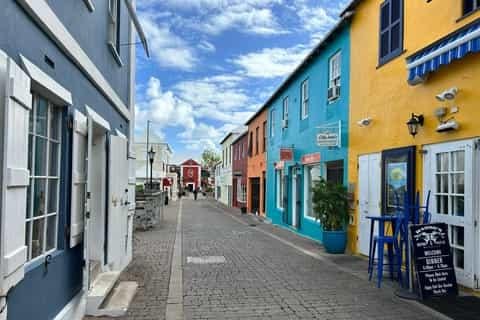
The island’s architecture is distinctive, with white stepped roofs designed to collect rainwater. Pastel-colored houses and carefully maintained gardens contribute to Bermuda’s characteristic appearance.
Food & Drink
Bermudian cuisine combines British, Caribbean, African, and Atlantic influences.
Popular dishes include:
- Bermuda fish chowder
- Fish sandwiches
- Codfish breakfast
- Hoppin’ John
- Cassava pie
- Fresh seafood
Bermuda fish chowder is traditionally prepared with fish, vegetables, spices, and local peppers.
Fresh seafood is a major part of the island’s food culture.
Safety
Bermuda is generally considered a safe destination.
Travelers should nevertheless:
- Take care on narrow roads.
- Use helmets and appropriate equipment when riding scooters.
- Follow local swimming advice.
- Protect themselves from the sun.
- Monitor tropical weather during hurricane season.
- Take normal precautions with valuables.
The biggest practical concern for many visitors is transportation safety rather than serious crime.
Frequently Asked Questions
Is Bermuda worth visiting?
Yes. Bermuda offers beautiful beaches, turquoise water, historic towns, excellent diving, caves, scenic walking trails, and distinctive British-Caribbean culture.
Is Bermuda in the Caribbean?
No. Bermuda is located in the North Atlantic Ocean, much farther north than the Caribbean islands.
Is Bermuda expensive?
Yes. Bermuda is generally considerably more expensive than many Caribbean destinations, particularly for accommodation, restaurants, and transportation.
Is Bermuda good for a road trip?
Not in the traditional sense. The island is small and has narrow roads with restrictions on rental vehicles. Scooters, electric rental vehicles, buses, ferries, and bicycles are more practical.
Can you travel Bermuda by campervan?
No. Bermuda is not suitable for motorhomes or conventional campervan travel, and there is no developed RV infrastructure.
Can you camp in Bermuda?
Traditional wild camping is not generally permitted. Travelers should use approved accommodation and follow local regulations.
What are the best places to visit in Bermuda?
Major highlights include:
- Hamilton
- St. George’s
- Royal Naval Dockyard
- Horseshoe Bay
- Elbow Beach
- Tobacco Bay
- Gibbs Hill Lighthouse
- Crystal Cave
- Bermuda Railway Trail
How many days do you need in Bermuda?
Three days is enough for the principal attractions, while five to seven days allows time for beaches, diving, hiking, historic sites, and exploring the island at a relaxed pace.
What is Bermuda famous for?
Bermuda is best known for:
- Pink-sand beaches
- Turquoise Atlantic waters
- Horseshoe Bay
- Historic St. George’s
- Royal Naval Dockyard
- Shipwreck diving
- Coral reefs
- Crystal Cave
- Pastel-colored houses
- Distinctive white stepped roofs
- Maritime heritage