Red Sea Coast, Historic Cities, Highlands & Horn of Africa Adventures
6
Eritrea Travel Guide
Eritrea is one of Africa’s most intriguing and least-visited destinations. Located along the Red Sea in the Horn of Africa, the country combines Italian colonial architecture, dramatic mountain scenery, pristine coral reefs, desert landscapes, and a rich cultural heritage shaped by African, Middle Eastern, and Mediterranean influences. Despite its relatively small size, Eritrea offers an impressive variety of landscapes ranging from cool highland plateaus and fertile valleys to vast coastal plains and more than 350 islands scattered across the Red Sea.
Bordered by Sudan, Ethiopia, and Djibouti, Eritrea occupies a strategic position that has connected civilizations for thousands of years. Ancient trade routes once linked the ports of the Red Sea with the Nile Valley, Arabia, and the Indian Ocean. Today, visitors can explore remarkably preserved colonial cities, quiet fishing villages, remote mountain roads, and some of the most untouched marine ecosystems in the region.
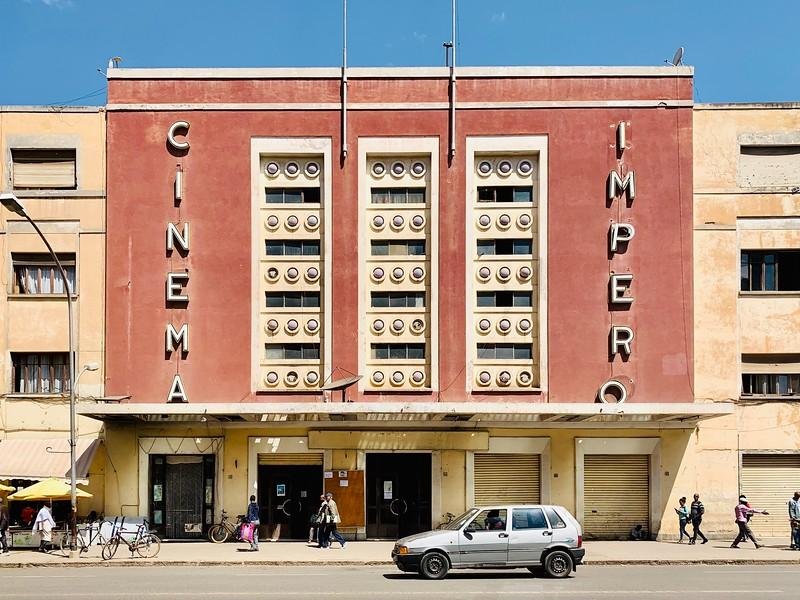
The capital, Asmara, is one of Africa’s architectural treasures. Its remarkable collection of Art Deco, Modernist, Futurist, and Rationalist buildings has earned recognition as a UNESCO World Heritage Site. Beyond the capital, the historic port city of Massawa showcases Ottoman, Egyptian, and Italian influences, while the Dahlak Archipelago offers world-class diving and snorkeling among coral reefs and shipwrecks.
Tourism in Eritrea remains limited, giving travelers the opportunity to experience destinations that have changed little over recent decades. Independent travel requires additional planning because permits may be required for some regions outside Asmara, and transportation options can be limited. However, those who make the journey are rewarded with authentic cultural encounters, spectacular scenery, and a pace of travel rarely found elsewhere.
For overlanders, Eritrea has long held appeal as part of trans-African expeditions across the Horn of Africa, although border accessibility and permit requirements should always be confirmed before departure. Backpackers will appreciate the country’s historic towns, mountain railways, and welcoming cafés, while RV travelers can explore many regions using well-prepared expedition vehicles.
This guide serves as the cornerstone travel hub for Eritrea, introducing the country’s highlights while providing links to more detailed articles covering overlanding, backpacking, camping, driving, visas, border crossings, and regional travel planning.
Quick Facts
| Item | Information |
|---|---|
| Capital | Asmara |
| Currency | Eritrean Nakfa (ERN) |
| Official Working Languages | Tigrinya, Arabic and English are widely used in administration, alongside several national languages |
| Population | Approximately 3.7 million |
| Time Zone | UTC+3 |
| Driving | Right-hand side |
| Country Code | +291 |
Why Visit Eritrea?
Eritrea offers an unusual combination of history, architecture, mountains, coastline, and traditional cultures.
Reasons to visit include:
- UNESCO-listed Asmara
- Italian colonial architecture
- Massawa
- Dahlak Archipelago
- Red Sea diving
- Highland scenery
- Historic railway
- Traditional villages
- Mountain roads
- Desert landscapes
- Authentic local culture
- Low visitor numbers
Travelers looking for destinations beyond the typical East African circuit will find Eritrea both rewarding and distinctive.
Best Places to Visit
6
Asmara
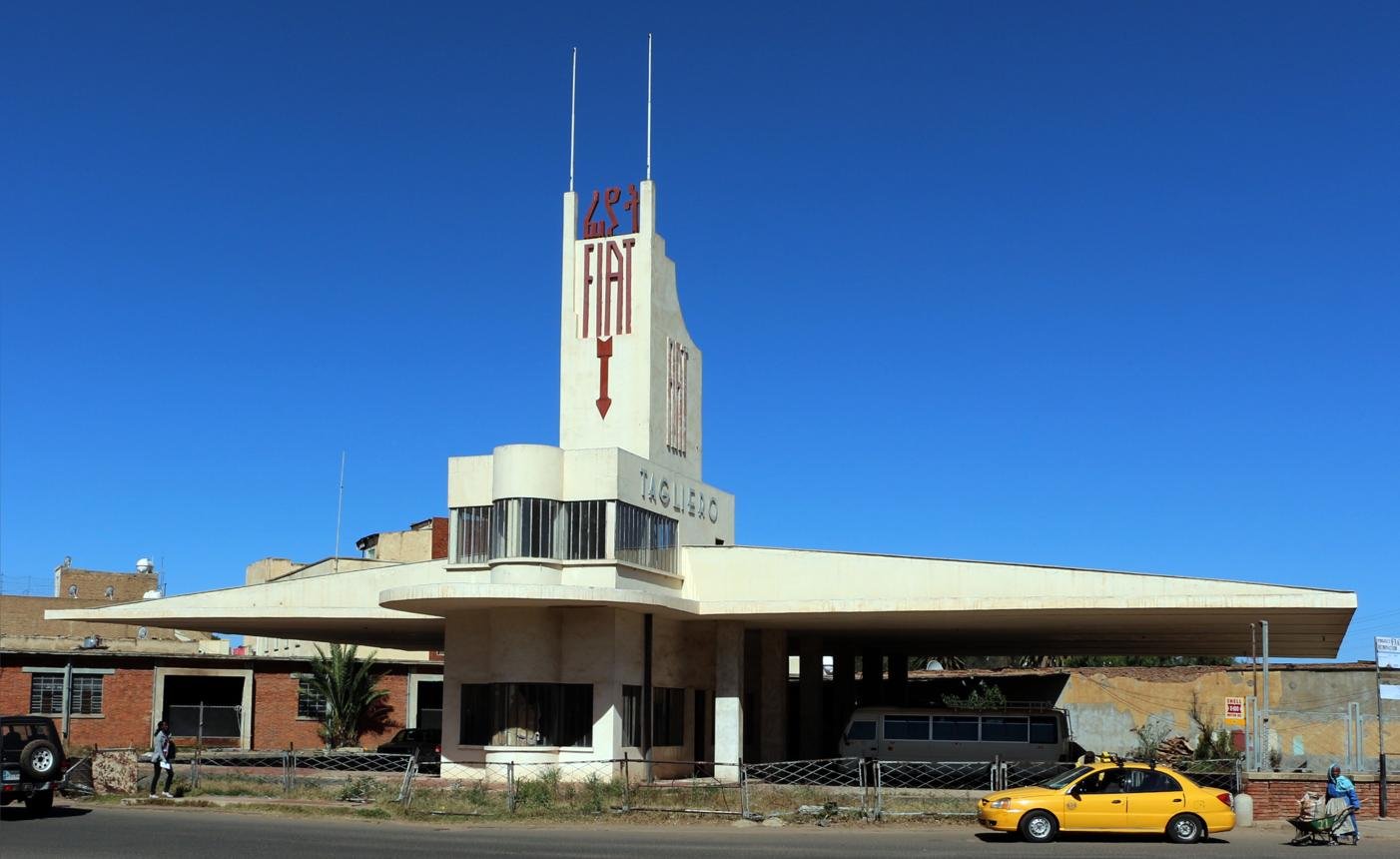
Often called one of Africa’s most beautiful capitals, Asmara is famous for its remarkably preserved twentieth-century architecture.
Highlights include:
- Fiat Tagliero Building
- Cinema Impero
- Cathedral of Asmara
- Orthodox churches
- Italian cafés
- Wide boulevards
- Local markets
Walking through Asmara feels like stepping into a living architectural museum.
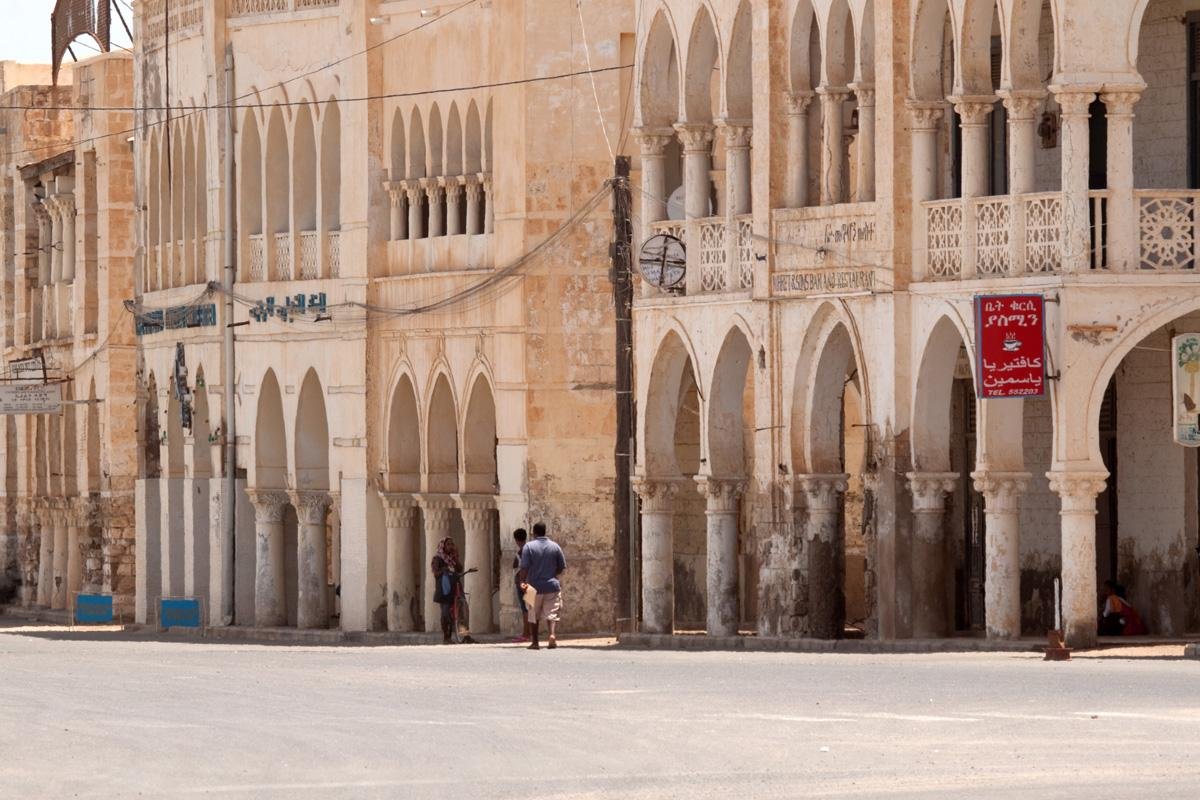
Massawa
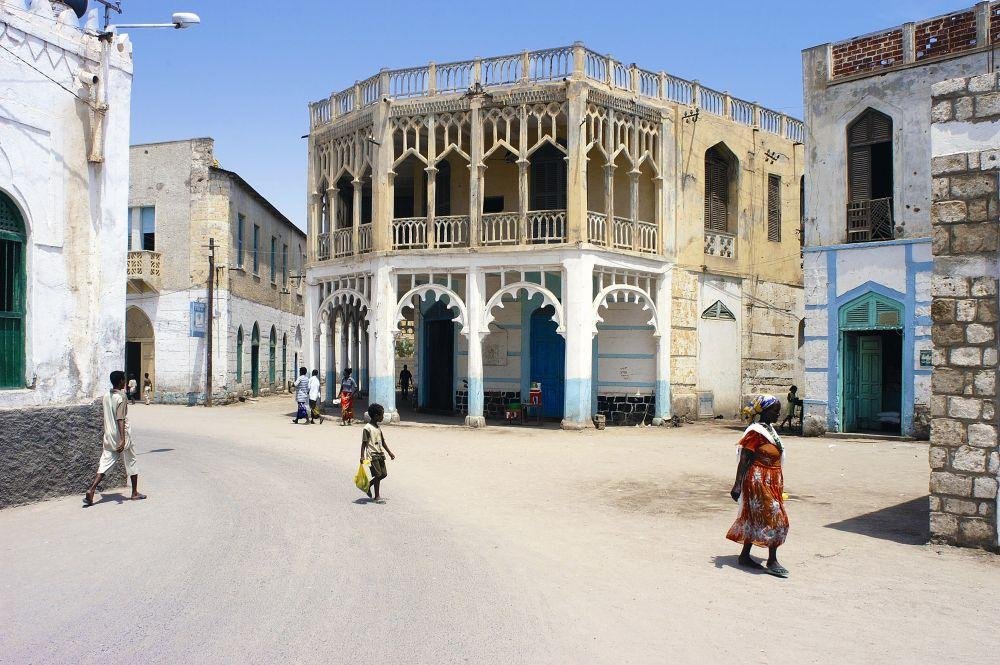
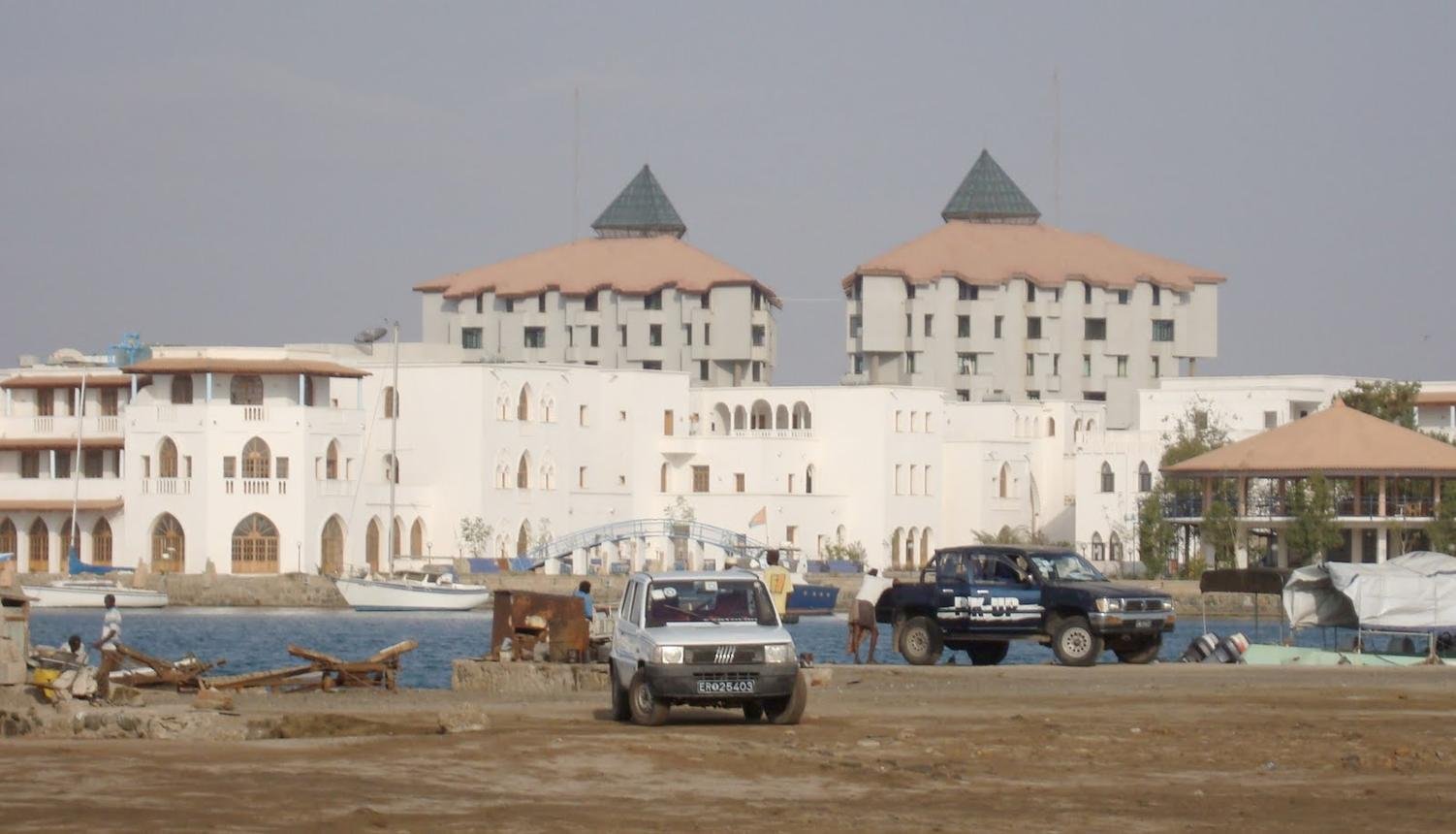
Situated on the Red Sea coast, Massawa has served as an important trading port for centuries.
Visitors enjoy:
- Ottoman architecture
- Historic Old Town
- Coral-stone buildings
- Seafront cafés
- Beaches
- Island excursions
Its warm climate contrasts sharply with the cool temperatures of the highlands.
Dahlak Archipelago
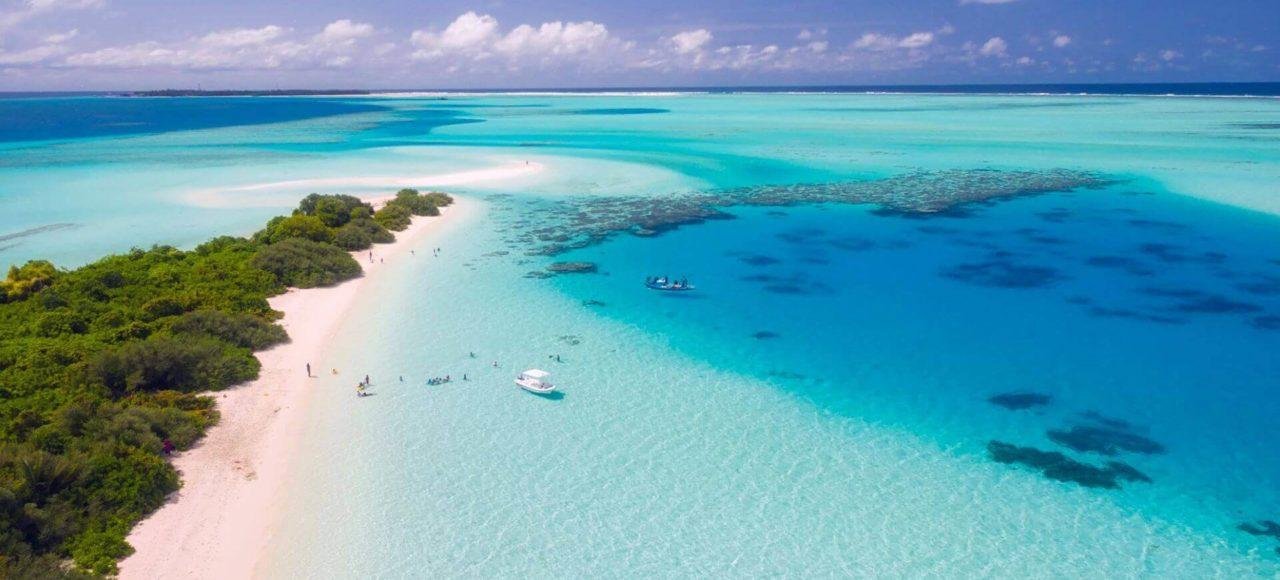
Comprising more than 200 islands, the Dahlak Archipelago is one of the Red Sea’s finest marine destinations.
Activities include:
- Diving
- Snorkeling
- Island hopping
- Birdwatching
- Fishing
- Marine wildlife observation
Many islands remain completely uninhabited.
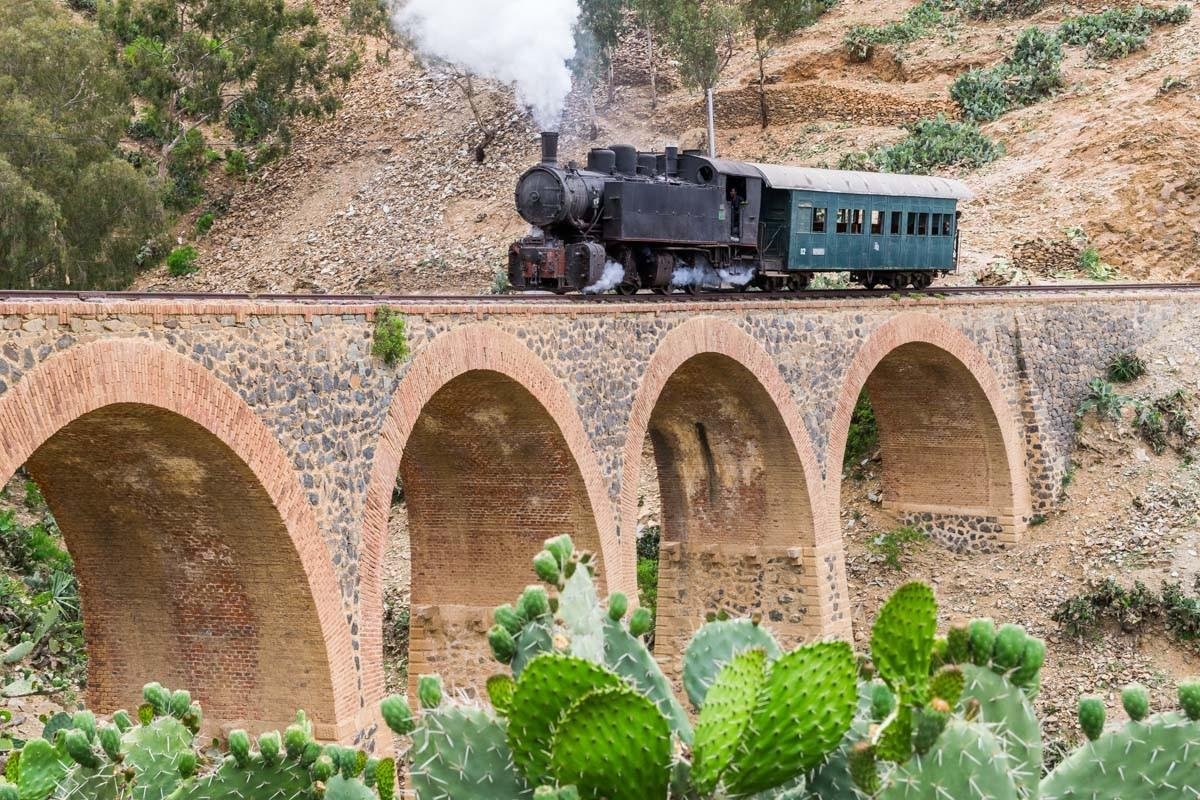
Eritrean Railway
One of Africa’s most famous heritage railways connects Asmara with the surrounding mountains using restored steam and diesel locomotives on selected services and special excursions.
The railway passes through:
- Tunnels
- Stone bridges
- Mountain villages
- Spectacular escarpments
Qohaito Archaeological Site
Located in the southern highlands, Qohaito preserves the remains of an ancient civilization.
Visitors discover:
- Temples
- Ancient reservoirs
- Rock carvings
- Panoramic viewpoints
Filfil Forest
One of Eritrea’s most scenic mountain regions, Filfil offers:
- Dense vegetation
- Hiking
- Birdwatching
- Cooler temperatures
- Scenic roads
Nakfa
The historic town of Nakfa played a central role during Eritrea’s struggle for independence and remains an important symbol of national identity.
Best Time to Visit
Climate varies considerably between the cool highlands and the hot Red Sea coast.
| Season | Conditions |
|---|---|
| October – February | Best overall travel conditions |
| March – May | Warm, particularly on the coast |
| June – September | Rain in the highlands, very hot along the coast |
The highlands remain pleasant throughout much of the year, while coastal regions are most comfortable during winter.
Regions of Eritrea
Central Highlands
Home to:
- Asmara
- Historic railway
- Mountain scenery
- Cooler climate
Red Sea Coast
Known for:
- Massawa
- Beaches
- Diving
- Coral reefs
Dahlak Archipelago
Offers:
- Marine reserves
- Diving
- Island exploration
Southern Highlands
Features:
- Qohaito
- Scenic drives
- Traditional villages
Western Lowlands
Characterized by:
- Semi-arid landscapes
- Rural communities
- Wildlife
- Historic caravan routes
Suggested Road Trips & Itineraries
5-Day Highlights
Explore:
- Asmara
- Heritage railway
- Local markets
Ideal for first-time visitors.
7-Day Highlands & Coast
Continue to:
- Massawa
- Red Sea beaches
- Historic Old Town
10-Day Eritrea Explorer
Visit:
- Dahlak Archipelago
- Qohaito
- Filfil Forest
Two-Week Complete Journey
Combine:
- Highlands
- Coast
- Islands
- Historic sites
- Cultural experiences
Perfect for self-drive travelers.
Overlanding in Eritrea
6
Eritrea has long attracted experienced overlanders exploring the Horn of Africa. Political conditions, permit requirements, and border accessibility can change, so careful planning is essential before including Eritrea in a regional itinerary.
Why Overlanders Visit
Highlights include:
- Scenic mountain roads
- Historic towns
- Red Sea coastline
- Desert landscapes
- Low traffic
- Authentic villages
- Unique cultural heritage
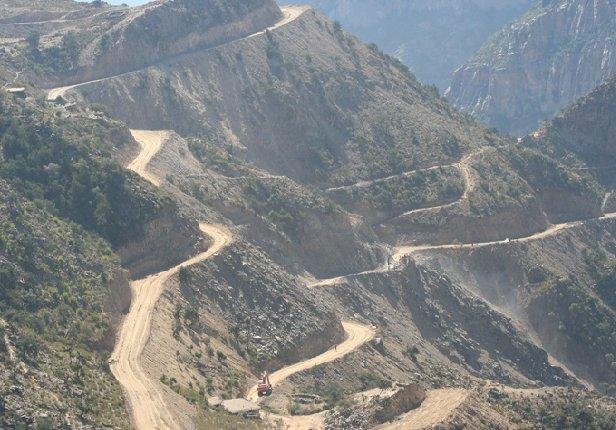
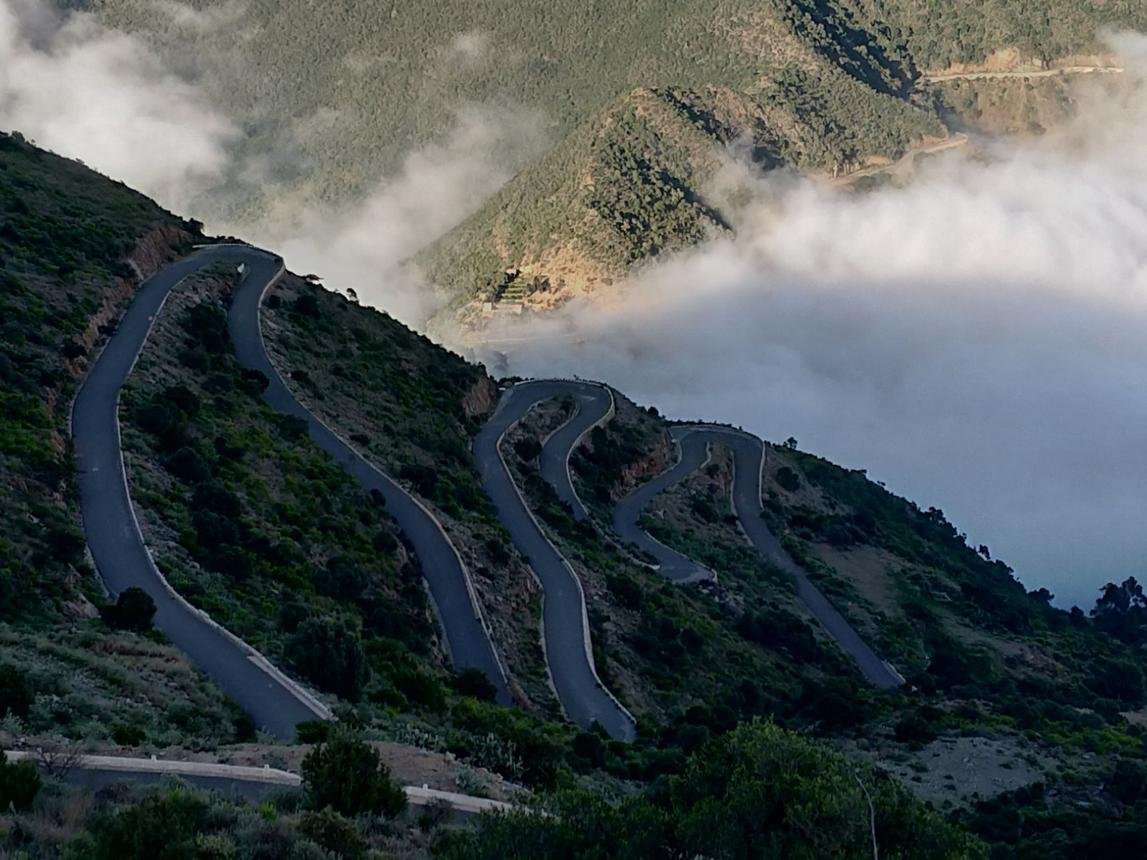
The dramatic descent from Asmara to Massawa is widely regarded as one of Africa’s most scenic drives.
Popular Overland Routes
Asmara – Massawa
The country’s signature road trip descends from cool highlands to sea level through spectacular mountain scenery.
Asmara – Keren
A rewarding route passing through agricultural landscapes and traditional towns.
Southern Highlands
Travel toward Qohaito and surrounding mountain villages.
Regional Expeditions
Depending on current border accessibility, Eritrea may form part of wider Horn of Africa overland journeys. Because border policies can change, always verify the status of international crossings before departure.
Road Conditions
Main highways linking major towns are generally paved.
Travelers may encounter:
- Steep mountain descents
- Narrow roads
- Gravel tracks
- Limited fuel stations in remote areas
Four-wheel drive is helpful for exploring more isolated regions but is not essential for most primary routes.
Vehicle Preparation
Carry:
- Spare tires
- Basic spare parts
- Extra drinking water
- Offline navigation
- Fuel reserve
- Emergency equipment
Backpacking in Eritrea
Backpacking in Eritrea offers a rewarding experience for travelers interested in architecture, history, and culture.
Accommodation
Visitors can choose from:
- Budget hotels
- Guesthouses
- Mid-range hotels
- Family-run lodgings
Hostels are uncommon, but affordable accommodation is available in the larger towns.
Transportation
Travel options include:
- Buses
- Shared taxis
- Minibuses
- Rental vehicles
- Heritage railway excursions
Public transport is generally inexpensive and connects most major destinations.
Backpacking Highlights
Popular activities include:
- Exploring Asmara
- Visiting Massawa
- Riding the heritage railway
- Hiking in the highlands
- Discovering traditional markets
- Coffee culture
Camping
Camping opportunities remain limited but can be rewarding for experienced travelers.
Mountain Camping
Some highland regions offer pleasant camping conditions with cooler temperatures.
Coastal Camping
Selected beaches may be suitable for organized camping with local permission.
Wild Camping
Wild camping should only be undertaken after obtaining permission where appropriate and ensuring compliance with local regulations. Travelers should plan carefully due to the limited availability of services in remote areas.
Camping Equipment
Bring:
- Lightweight tent
- Sleeping bag suitable for cooler mountain nights
- Mosquito protection for coastal areas
- Water purification
- Sun protection
RV & Motorhome Travel
Eritrea is suitable for experienced expedition-style motorhome travelers who are comfortable with independent travel.
Suggested RV Routes
Highlands Route
Asmara → Keren
Coast Route
Asmara → Massawa
Southern Explorer
Asmara → Qohaito
Practical Considerations
Motorhome travelers should prepare for:
- Limited RV facilities
- Permit requirements for some areas
- Fuel planning
- Secure overnight parking
- Mountain driving
Hotels and guesthouses may provide suitable parking for self-contained vehicles.
Driving in Eritrea
Driving is generally straightforward on the main road network, particularly between major cities.
Main Roads
Paved highways connect:
- Asmara
- Massawa
- Keren
- Mendefera
- Other regional centers
Mountain roads require careful driving due to steep gradients and sharp bends.
Driving Challenges
Expect:
- Hairpin bends
- Livestock
- Occasional fog in the highlands
- High temperatures near the coast
- Limited services in remote areas
Driving after dark is best avoided because of reduced visibility and potential road hazards.
Border Crossings
Eritrea shares land borders with:
- Sudan
- Ethiopia
- Djibouti
International border accessibility and entry procedures can change due to political and security developments. Before planning an overland journey, verify the operational status of border crossings, visa requirements, temporary vehicle import regulations, and permit requirements through official sources.
Visa & Entry Requirements
Most visitors require a visa before entering Eritrea.
Travelers should prepare:
- Passport valid for at least six months
- Appropriate visa
- Accommodation details
- Return or onward travel
- Sufficient funds for the visit
Additional travel permits may be required for certain regions outside Asmara. Always check current regulations before departure.
Budget & Costs
Estimated daily travel expenses:
| Travel Style | Daily Budget |
|---|---|
| Budget traveler | US$35–70 |
| Mid-range | US$90–170 |
| Comfortable | US$220+ |
| Overlander (excluding vehicle costs) | US$50–100 |
Transportation, accommodation, and food are generally reasonably priced, although organized tours and permits may increase overall costs.
Safety
Eritrea is often considered relatively safe for day-to-day travel in many areas, with low levels of petty crime compared with numerous other destinations. However, travelers should remain aware that regulations, permit requirements, and regional security conditions can change.
Recommendations include:
- Monitor official travel advisories before departure
- Respect local laws and photography restrictions
- Carry identification and permits where required
- Avoid unnecessary travel after dark outside urban areas
- Plan carefully for remote journeys
Healthcare facilities are limited outside the main cities, making comprehensive travel insurance with medical evacuation coverage highly advisable.
Food & Culture
Eritrean cuisine reflects centuries of cultural exchange between the Horn of Africa and the Red Sea region.
Popular dishes include:
- Injera with stews
- Zigni (spiced meat stew)
- Lentils
- Fresh seafood
- Grilled fish
- Flatbread
- Traditional coffee ceremonies
Coffee culture is an important part of daily life, particularly in Asmara, where historic cafés continue the traditions established during the Italian colonial period. Visitors will also encounter vibrant markets, Orthodox churches, mosques, and traditional villages that reflect the country’s cultural diversity.
Frequently Asked Questions
Is Eritrea safe for tourists?
Many visitors travel without significant problems, particularly in the main tourist areas. However, travelers should monitor official travel advisories, understand permit requirements, and stay informed about current regulations.
Can you overland through Eritrea?
Potentially, yes. Eritrea has historically formed part of Horn of Africa overland routes, but border accessibility and entry requirements vary and should always be confirmed before planning an expedition.
Is Eritrea suitable for backpacking?
Yes. Independent travelers interested in architecture, history, mountain scenery, and Red Sea culture can enjoy rewarding experiences with careful planning.
Can you travel by motorhome?
Yes. Expedition-style motorhomes can travel on the primary road network, although services specifically designed for RVs are limited.
What is Eritrea famous for?
Eritrea is known for:
- UNESCO-listed Asmara
- Italian Modernist architecture
- Massawa
- Dahlak Archipelago
- Heritage railway
- Red Sea diving
- Highland scenery
- Traditional coffee culture
Continue Planning
This cornerstone guide serves as the central travel hub for Eritrea. Continue planning your journey with these detailed resources:
- Overlanding in Eritrea
- Backpacking Eritrea
- Motorhome & RV Travel in Eritrea
- Camping in Eritrea
- Driving in Eritrea
- Border Crossings in Eritrea
- Eritrea Visa Guide
- Asmara Travel Guide
- Massawa Travel Guide
- Dahlak Archipelago Guide
- Eritrean Railway Guide
- Qohaito Archaeological Site Guide
- Red Sea Diving Guide
- Horn of Africa Overlanding Guide
- Overlanding in Eritrea
- Getting around in Eritrea