Eritrea, located in the Horn of Africa, has a diverse and complex transport system that plays a vital role in the country’s economy and social development. With its varied terrain and challenging landscapes, transport in Eritrea has been a key factor in connecting different regions of the country and facilitating the movement of goods and people.
The history of transport in Eritrea can be traced back to ancient times when the region was part of the Axumite Kingdom, known for its trade routes and well-developed infrastructure. In modern times, Eritrea’s transport system has evolved to include a mix of road, rail, air, and sea transport options. The country’s strategic location along the Red Sea has made it an important hub for trade and transportation in the region.
One of the most notable transportation challenges in Eritrea is the limited access to rural areas due to poor road infrastructure. In response to this issue, the government has been investing in road construction projects to improve connectivity and accessibility for remote communities. As a result, there has been a significant increase in the number of paved roads in recent years, enhancing mobility and economic opportunities for rural residents.
According to statistics, the Eritrean government has made significant progress in improving the country’s transport infrastructure, with over 2,000 kilometers of roads being built or rehabilitated in the past decade. This investment has not only improved connectivity within Eritrea but has also enhanced trade and economic growth by facilitating the movement of goods to and from neighboring countries.
Despite these advancements, challenges such as limited access to funding, equipment, and technical expertise continue to hinder further development of Eritrea’s transport system. Moving forward, continued investment in infrastructure and the adoption of innovative solutions will be crucial in addressing these obstacles and ensuring the continued growth and efficiency of transport in Eritrea.
What are the Transportation Options in Eritrea?
Transport in Eritrea refers to the various modes of transportation available in the country, including roads, railways, air travel, and sea ports. Eritrea has an extensive road network that connects major cities and towns, making it easy for people to travel within the country. In addition, the country also has a railway system that plays a crucial role in transporting goods and passengers. Air travel is another important mode of transportation in Eritrea, with the Asmara International Airport being the main gateway to the country. Lastly, Eritrea also has sea ports that provide access to international trade and transport. To learn more about the transportation options in Eritrea, continue reading the following sections.
Overview of Transport in Eritrea
Transport in Eritrea plays a vital role in the country’s economy and daily life. The transportation system in Eritrea consists of various modes, including road, air, and sea transport. Due to its geographic location, Eritrea has strategically important ports along the Red Sea, making it a critical transportation hub in the region.
Road Transport
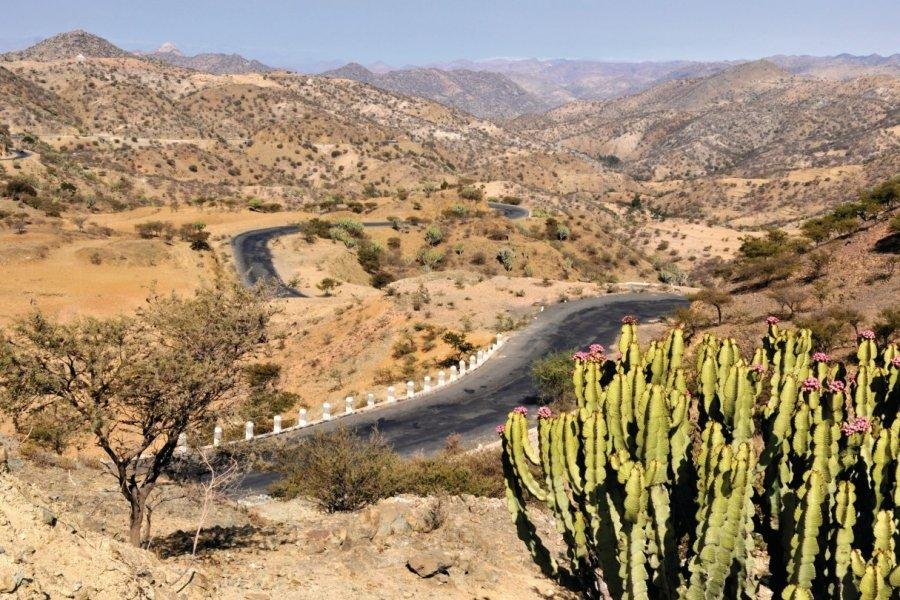
Road transport is the most commonly used mode of transportation in Eritrea. The road network in Eritrea consists of both paved and unpaved roads, connecting major cities and rural areas. The main highway in Eritrea is the Asmara-Massawa Road, which links the capital city of Asmara to the port city of Massawa.
Public Transport
Public transport in Eritrea primarily consists of buses and taxis. Mini-buses are also widely used for transportation within cities and towns. However, public transport services are limited in rural areas, where people often rely on walking or private vehicles for transportation.
Rail Transport
Eritrea has a limited railway network that mainly serves the mining industry. The Eritrean Railways, running from Massawa to Asmara, is one of the oldest railway lines in Africa. The railway system is undergoing renovation to improve its efficiency and expand its services.
Air Transport
Asmara International Airport is the main gateway for air travel in Eritrea. The airport serves domestic and international flights, connecting Eritrea to other countries in the region and beyond. Air transport is essential for both passenger and cargo transportation in Eritrea.
Sea Transport
Eritrea has two major ports along the Red Sea coast: Massawa and Assab. These ports serve as vital gateways for maritime trade and transport, connecting Eritrea to countries in the Middle East, Europe, and Asia. Sea transport plays a crucial role in Eritrea’s economy, facilitating the import and export of goods.
Challenges and Improvements
- One of the main challenges in Eritrea’s transportation sector is the lack of investment in infrastructure and maintenance.
- Improving road quality and expanding the road network are essential for enhancing transportation connectivity in Eritrea.
- Investing in public transport systems and railway infrastructure can help reduce congestion and improve mobility in urban areas.
- Enhancing maritime infrastructure and port efficiency is crucial for promoting trade and economic growth in Eritrea.
Despite these challenges, the government of Eritrea is working towards improving the country’s transportation infrastructure to support economic development and improve the quality of life for its citizens.
According to recent statistics, road transport accounts for over 80% of passenger traffic in Eritrea, highlighting the significance of road networks in the country’s transportation system.
What is the main mode of transport in Eritrea?
The main modes of transport in Eritrea are buses, taxis, and trucks. The country also has a railway system that connects the capital city, Asmara, to Massawa and other parts of the country.
Are there domestic flights available in Eritrea?
Yes, there are domestic flights available in Eritrea. Eritrean Airlines operates flights between Asmara and other cities in the country, such as Massawa and Assab.
Is it safe to travel by road in Eritrea?
Generally, it is safe to travel by road in Eritrea. However, road conditions can vary, especially in rural areas. It is advisable to travel during daylight hours and to avoid driving at night.
How are goods transported in Eritrea?
- Goods are transported by road using trucks and buses.
- Eritrea also has a railway system that is used to transport goods between cities.
Are there any public transportation options available in Eritrea?
Yes, there are public transportation options available in Eritrea, including buses and taxis. Buses are the most common mode of public transportation in the country.
How much does it cost to use public transportation in Eritrea?
The cost of using public transportation in Eritrea can vary depending on the distance traveled. On average, a bus fare within the city can cost around 5-10 Nakfa.
What is the railway system like in Eritrea?
The railway system in Eritrea consists of a single line that runs from Asmara to Massawa and connects other cities along the way. It is primarily used for transporting passengers and goods.
Are there any car rental options available in Eritrea?
Yes, there are car rental options available in Eritrea, primarily in the capital city, Asmara. Renting a car can be a convenient way to explore the country at your own pace.
Can I use ride-sharing services in Eritrea?
Ride-sharing services, such as Uber, are not currently available in Eritrea. However, taxis are readily available in major cities for transportation needs.
Is it common to see bicycles as a mode of transport in Eritrea?
Yes, bicycles are a common mode of transport in Eritrea, especially in rural areas. They are often used for short-distance travel and are a cost-effective means of transportation.
Conclusion
Transport in Eritrea is characterized by a mix of modes including buses, minivans, trucks, and camel caravans. Despite the challenges posed by limited infrastructure, the transportation system plays a crucial role in connecting different parts of the country and facilitating economic activities. The centralized transportation system managed by the government has led to some inefficiencies and delays, but recent efforts to privatize and modernize the sector are expected to improve the overall efficiency and reliability of transport services.
Overall, the transportation sector in Eritrea faces several challenges such as limited resources, inadequate infrastructure, and a reliance on imported fuel. However, there are opportunities for growth and development, particularly in improving road networks, expanding public transport services, and promoting sustainable modes of transportation. By addressing these challenges and capitalizing on opportunities for improvement, Eritrea has the potential to enhance its transport system, boost economic growth, and improve the overall quality of life for its citizens.