Ancient Wonders, Red Sea Adventures & Desert Road Trips
Egypt is one of the world’s most iconic travel destinations, combining thousands of years of history with spectacular deserts, vibrant cities, world-class diving and one of the world’s greatest rivers. From the Pyramids of Giza and the temples of Luxor to the coral reefs of the Red Sea and the remote oases of the Western Desert, Egypt offers extraordinary experiences for every type of traveler.
While millions visit Egypt each year for its archaeological treasures, the country is also becoming increasingly attractive for independent travelers, backpackers, overlanders and motorhome enthusiasts. Modern highways, affordable transport, domestic flights and an extensive accommodation network make exploring Egypt easier than ever, while vast desert regions provide unforgettable adventures beyond the classic tourist circuit.
Stretching between the Mediterranean Sea, the Red Sea and the Sahara Desert, Egypt occupies a strategic crossroads between Africa and the Middle East. Ancient civilizations flourished along the Nile for more than 5,000 years, leaving behind some of humanity’s greatest monuments. Yet modern Egypt is equally fascinating, with bustling markets, lively cafés, colorful bazaars, welcoming hospitality and rapidly developing tourism infrastructure.
For overlanders, Egypt forms an important gateway between North Africa and the Middle East. Historic desert routes, Nile Valley highways and Red Sea coastal roads provide diverse driving experiences, while backpackers appreciate affordable hostels, overnight trains and inexpensive local transport. RV travelers increasingly include Egypt on extended Mediterranean and Middle Eastern road trips, although border procedures and import regulations require careful preparation.
Whether you dream of standing before the Great Pyramid, sailing the Nile, diving among coral reefs or crossing remote deserts, Egypt rewards visitors with unforgettable landscapes, remarkable history and experiences found nowhere else.
6
Quick Facts
| Information | Details |
|---|---|
| Capital | Cairo |
| Population | Approximately 115 million |
| Area | 1,001,450 km² |
| Language | Arabic |
| Currency | Egyptian Pound (EGP) |
| Time Zone | UTC+2 |
| Driving Side | Right |
| Calling Code | +20 |
| Visa | Required for many nationalities (eVisa available for many) |
| Best Time | October-April |
Egypt’s climate ranges from Mediterranean conditions in the north to extremely arid desert in most of the country. Rain is rare outside the Mediterranean coast, while summers can become extremely hot, particularly in Upper Egypt and the Western Desert.
Cash remains widely used, although credit cards are increasingly accepted in hotels, restaurants and larger shops. ATMs are common in cities and tourist destinations.
Why Visit Egypt?
Few countries offer such an extraordinary concentration of cultural and natural attractions. Egypt’s appeal extends far beyond the famous pyramids. Travelers can explore thousands of years of history while enjoying beaches, deserts, mountain scenery and one of the world’s oldest continuously inhabited civilizations.
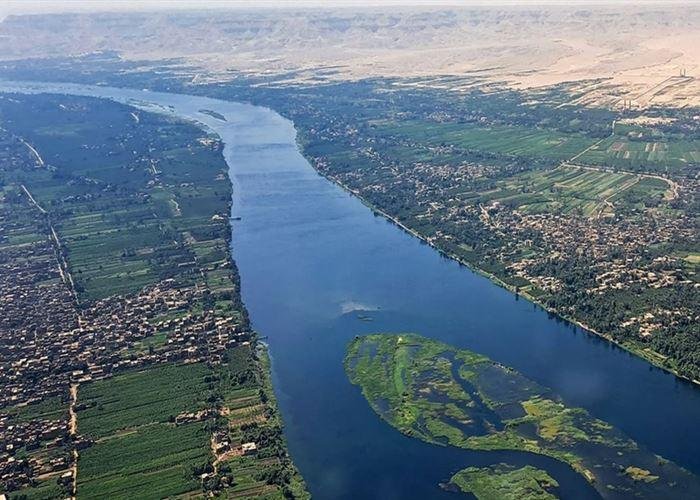
The Nile River forms the heart of the country. From Aswan to Cairo, temples, tombs and ancient cities line its fertile banks. Luxor alone contains enough archaeological sites to occupy several days.
Away from the Nile, Egypt reveals completely different landscapes. The Sinai Peninsula offers mountain hiking and world-famous diving. The Red Sea attracts snorkelers and scuba divers with coral reefs among the best on Earth. The Western Desert surprises visitors with white limestone formations, palm-filled oases and immense sand dunes.
Independent travelers appreciate Egypt’s extensive transport network. Overnight trains, domestic flights and long-distance buses connect almost every region, while modern highways make self-driving increasingly practical.
Egypt also provides excellent value for money. Accommodation, food and transportation remain affordable compared with many international destinations, making longer journeys possible even on moderate budgets.
Best Places to Visit
Cairo
Egypt’s enormous capital combines ancient history with modern urban life. Visit the Egyptian Museum, explore Islamic Cairo, wander through Khan el-Khalili Bazaar and experience one of Africa’s most dynamic cities.
Recommended stay: 3–4 days
Giza
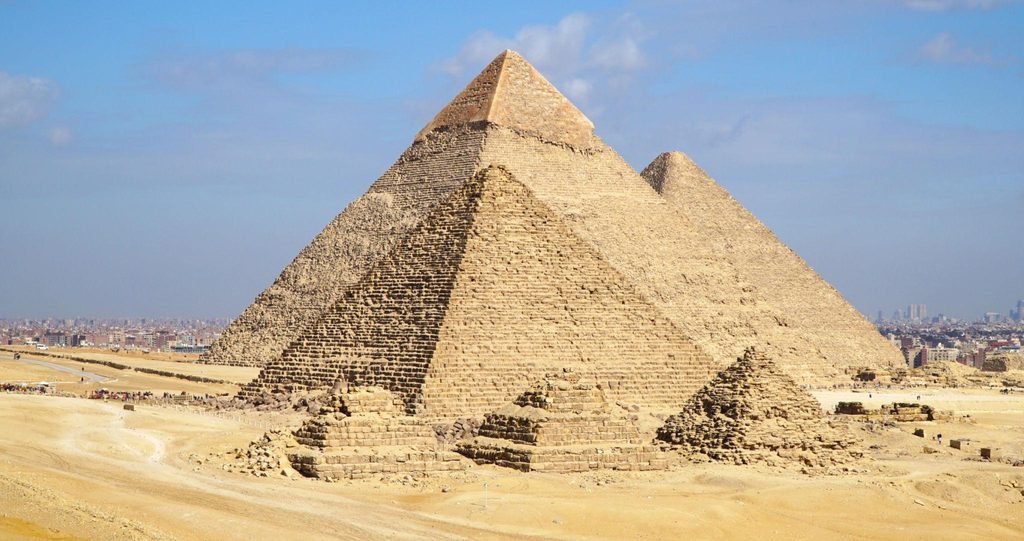
Home to the Great Pyramid, the Sphinx and several royal pyramids, Giza is one of the world’s most famous archaeological sites. No first visit to Egypt is complete without exploring this extraordinary complex.
Recommended stay: 1–2 days
Luxor
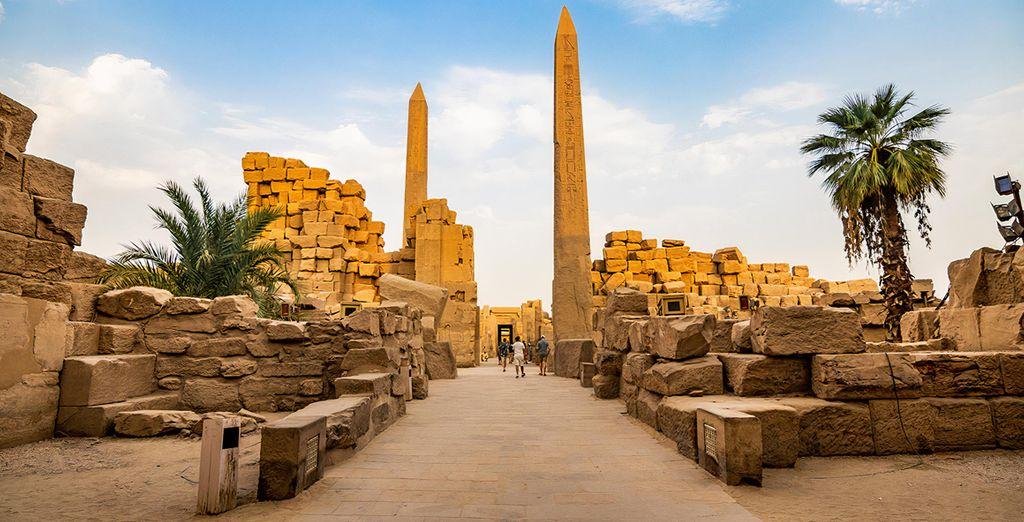
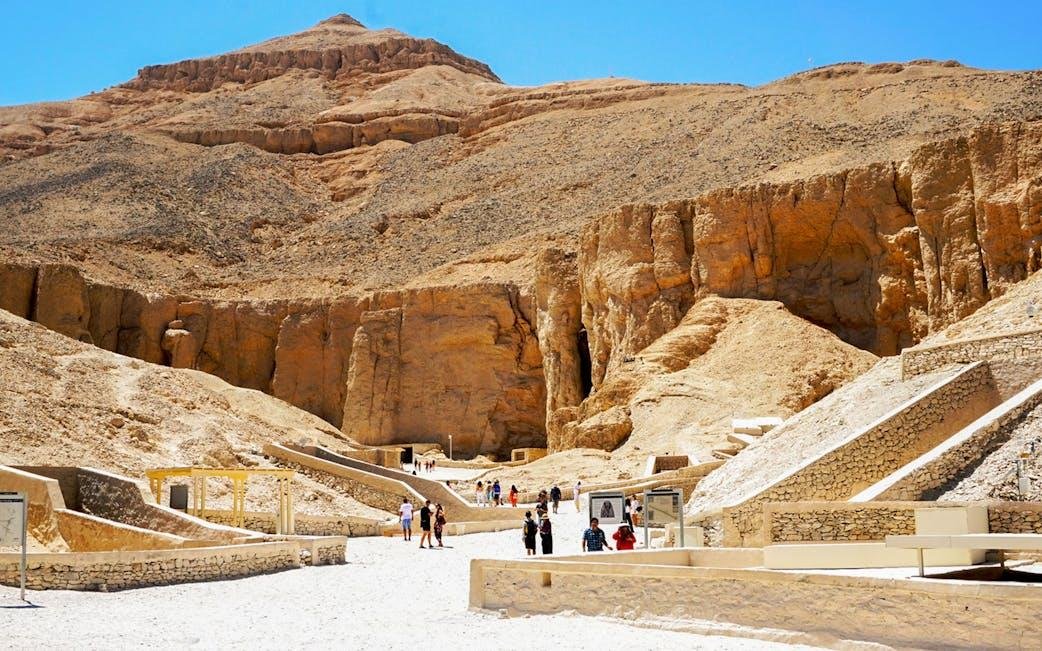
Often described as the world’s greatest open-air museum, Luxor contains Karnak Temple, Luxor Temple, the Valley of the Kings and numerous ancient monuments.
Recommended stay: 3 days
Aswan
Located along the southern Nile, Aswan offers a more relaxed atmosphere, beautiful river scenery and access to Philae Temple, Nubian villages and Abu Simbel.
Recommended stay: 2–3 days
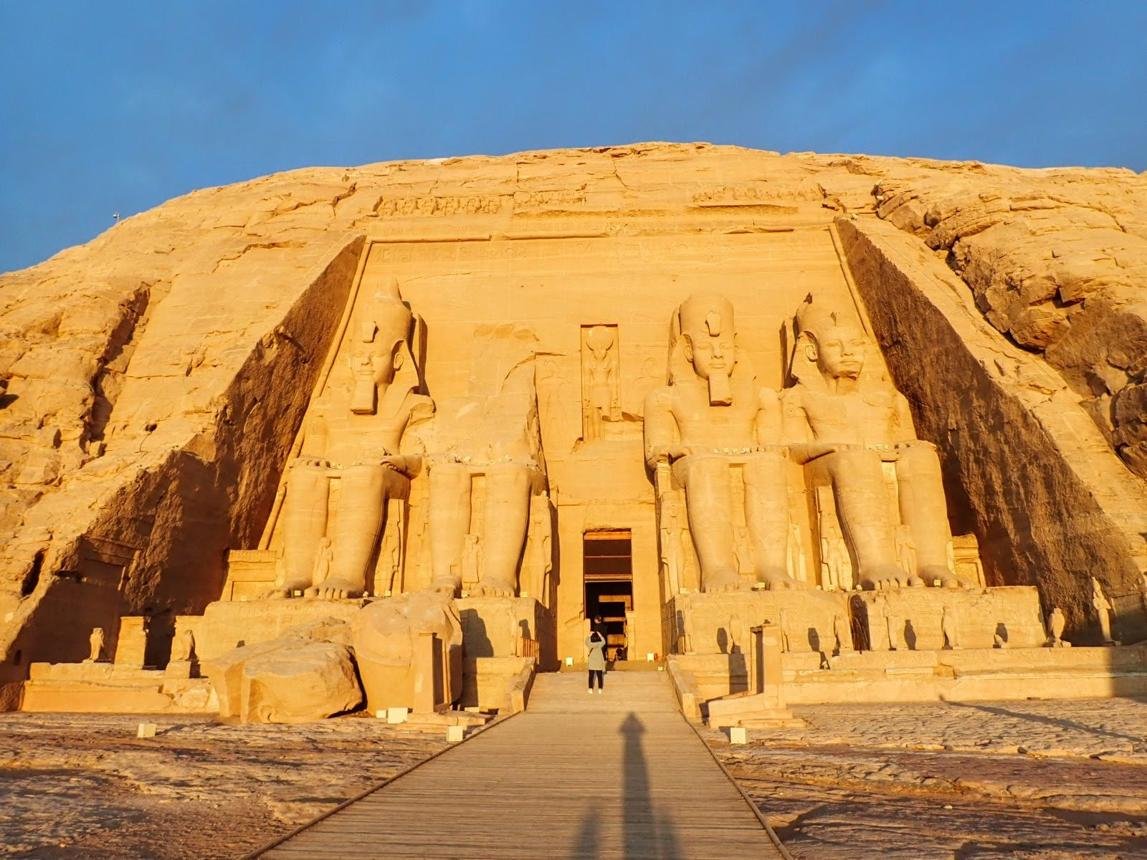
Abu Simbel
The monumental temples built by Ramses II rank among Egypt’s greatest archaeological treasures. Relocated during construction of the Aswan High Dam, they remain one of the country’s highlights.
Recommended stay: Day trip
Alexandria
Egypt’s Mediterranean city combines Greco-Roman heritage, seaside promenades, museums and modern cafés with remnants of its famous ancient past.
Recommended stay: 2 days
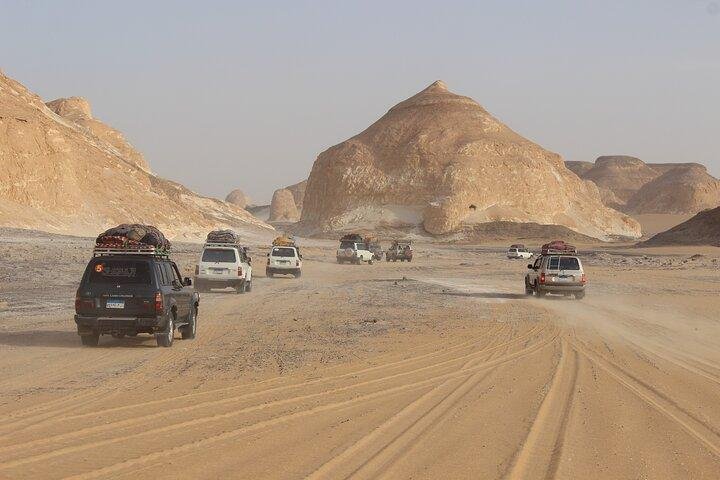
White Desert National Park
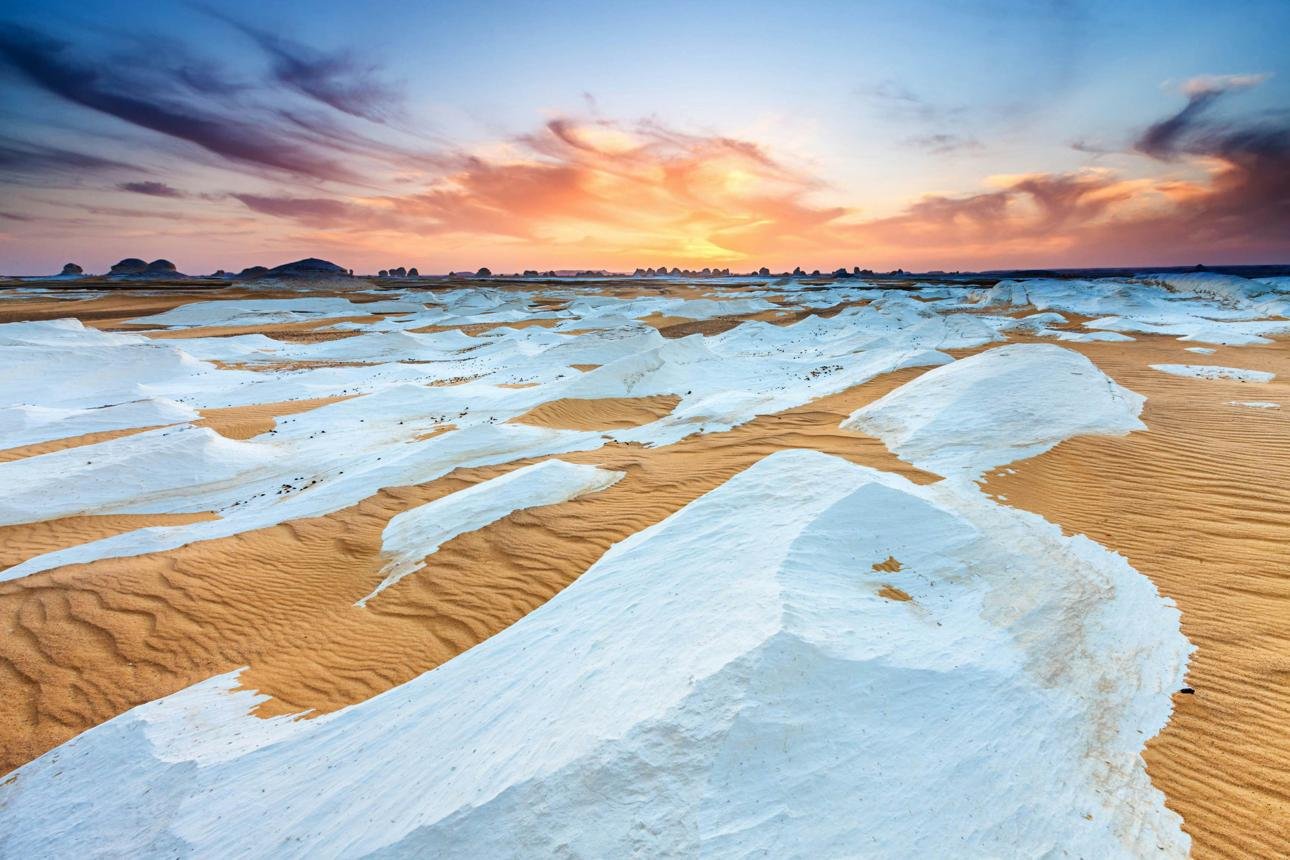
Spectacular white limestone formations create one of Egypt’s most unique landscapes. Overnight camping beneath the stars remains a highlight for many visitors.
Recommended stay: 2 days
Siwa Oasis
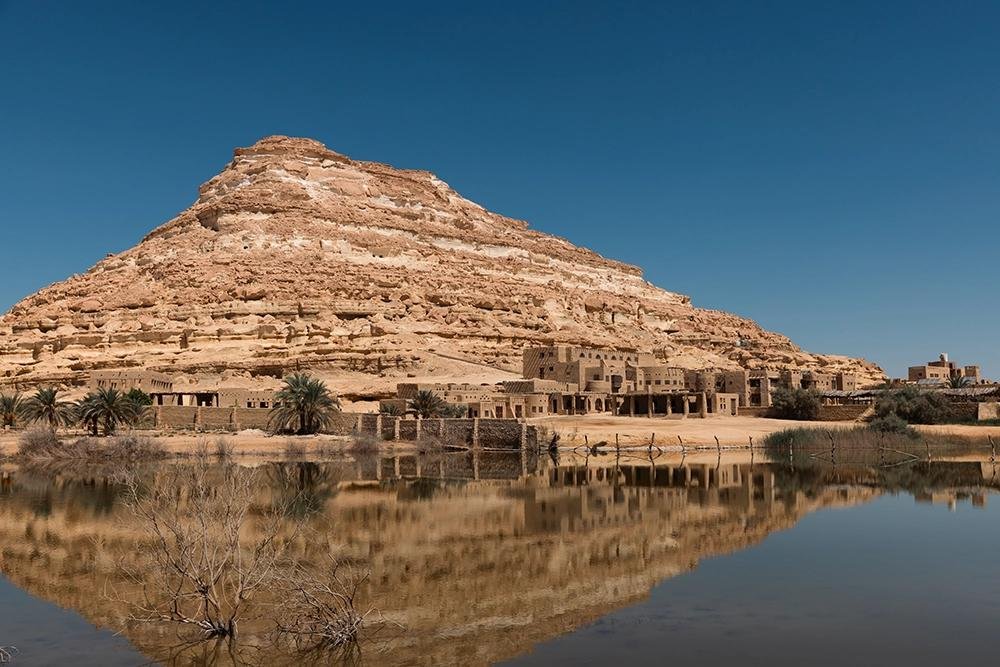
Near the Libyan border, Siwa offers palm groves, salt lakes, mudbrick architecture and a distinctive Berber culture. It remains one of Egypt’s most rewarding desert destinations.
Recommended stay: 3 days
Dahab
Popular with backpackers and divers, Dahab combines relaxed beaches, coral reefs and affordable accommodation along the Red Sea.
Recommended stay: 3–5 days
Sharm el-Sheikh
Egypt’s best-known beach resort offers luxury hotels, world-class diving and easy access to Ras Mohammed National Park.
Recommended stay: 4 days
6
Best Time to Visit
The ideal travel season runs from October to April, when temperatures are comfortable throughout most of the country. This period is perfect for sightseeing, desert travel and Nile cruises.
Spring (March-May)
Warm weather and pleasant temperatures make spring an excellent time to visit archaeological sites before summer heat arrives.
Summer (June-August)
Temperatures regularly exceed 40°C in Upper Egypt and the Western Desert. Coastal resorts remain popular thanks to cooling sea breezes.
Autumn (September-November)
One of the best travel seasons. The intense summer heat begins to fade while tourist numbers remain manageable.
Winter (December-February)
Mild daytime temperatures make winter ideal for exploring Cairo, Luxor and Aswan. Nights can become surprisingly cool in the desert.
Backpacking Egypt
Egypt is among Africa’s easiest countries for backpacking. Extensive transport connections, affordable accommodation and numerous historical attractions allow travelers to explore independently with relative ease.
A classic backpacking route begins in Cairo before continuing south along the Nile to Luxor and Aswan. Many travelers then visit Abu Simbel before returning north or crossing to the Red Sea.
Popular backpacker destinations include Dahab, Hurghada, Alexandria and Siwa Oasis. Overnight trains and long-distance buses help reduce accommodation costs while connecting major tourist centers efficiently.
Budget travelers can comfortably explore Egypt for several weeks without excessive costs, especially when using public transport and locally owned guesthouses.
Future in-depth articles could include:
- Backpacking Egypt Itinerary
- Egypt Budget Guide
- Backpacker Hostels in Egypt
- Cairo Backpacking Guide
- Red Sea Backpacking Route
Overlanding Egypt
Egypt occupies a strategic position between North Africa and the Middle East, making it an important destination for international overlanders.
Most expeditions enter through the ferry connection from Jordan or via Sudan when border conditions permit. Northern routes explore Cairo, Alexandria and the Mediterranean coast, while southern journeys follow the Nile toward Aswan.
The Western Desert offers legendary expeditions to Bahariya, Farafra, Dakhla, Kharga and Siwa Oases. These routes require careful planning, reliable vehicles and sufficient supplies.
Important topics suitable for dedicated overlanding guides include:
- Vehicle import procedures
- Carnet de Passages requirements
- Egypt border crossings
- Fuel availability
- Desert permits
- Security checkpoints
- Sahara expedition planning
Motorhome & RV Travel
Motorhome travel in Egypt remains relatively uncommon but entirely possible with proper preparation. Major highways connect most cities, while fuel stations are plentiful along principal routes.
Driving within Cairo can be challenging due to heavy traffic, so many travelers prefer to stay outside the city and use taxis or public transport.
Excellent RV routes include:
Nile Valley Route
Cairo – Beni Suef – Minya – Luxor – Aswan
Approximately 900 km
Mediterranean Route
Alexandria – El Alamein – Marsa Matruh
Approximately 500 km
Red Sea Route
Suez – Hurghada – Marsa Alam
Approximately 750 km
Western Desert Route
Cairo – Bahariya – White Desert – Farafra
A classic adventure suitable for experienced desert travelers.
Dedicated articles can later cover camping regulations, overnight parking, service stations and recommended campgrounds.
Suggested Road Trips & Itineraries
One Week Highlights
Cairo – Giza – Alexandria
Ideal for travelers interested in Egypt’s most famous historical sites combined with Mediterranean culture.
Two Weeks Classic Egypt
Cairo – Luxor – Aswan – Abu Simbel – Hurghada
Combines ancient monuments, Nile history and Red Sea relaxation.
Three Weeks Complete Egypt
Cairo – Alexandria – Luxor – Aswan – Abu Simbel – White Desert – Siwa – Cairo
One of the country’s most rewarding independent travel itineraries.
Four Weeks Overland Egypt
Mediterranean Coast – Cairo – Nile Valley – Western Desert – Red Sea – Sinai Peninsula
Suitable for overlanders exploring Egypt by their own vehicle.
Essential Travel Information
Visa
Many visitors can obtain an electronic visa before arrival, while others receive a visa upon arrival depending on nationality. Passport validity requirements should be checked before departure.
Budget
Egypt remains one of the more affordable destinations in the region.
- Budget: €30–50/day
- Mid-range: €60–120/day
- Luxury: €180+/day
Nile cruises and organized desert tours increase overall travel costs.
Safety
Tourist destinations generally maintain strong security measures. Travelers should remain aware of local regulations, follow official travel advice and avoid restricted border regions where applicable.
Normal precautions against petty theft apply in crowded urban areas.
Transport
Egypt has one of Africa’s best transport systems.
Options include:
- Domestic flights
- Overnight sleeper trains
- Modern intercity buses
- Metro in Cairo
- Nile cruise boats
- Car rental
Driving is practical outside major cities but requires confidence due to local traffic conditions.
Continue Planning Your Trip
Top Destinations
- Cairo
- Giza
- Luxor
- Aswan
- Abu Simbel
- Alexandria
- Siwa Oasis
- White Desert
- Dahab
- Sharm el-Sheikh
Travel Planning
- Egypt Visa Guide
- Best Time to Visit Egypt
- Egypt Budget Guide
- Egypt Border Crossings
- Driving in Egypt
- Safety in Egypt
Adventure Travel
- Backpacking Egypt
- Overlanding Egypt
- Egypt Motorhome Routes
- Nile Road Trips
- Western Desert Expeditions
- Sinai Travel Guide
- Red Sea Diving Guide
- Overlanding in Egypt
- Travel Egypt – Crossing into Egypt
- Getting around in Egypt
- Egypt Campsites with GPS
- Aswan Egypt – Lake Nasser
- Overlanding Egypt: Routes, Borders & Travel Guide
- Libyan Desert – Heading to Egypt
Recommended Guides
Continue planning your Egyptian adventure with OVL’s detailed destination guides covering Cairo, Luxor, Aswan, Alexandria, Siwa Oasis, the White Desert, Sinai Peninsula and the Red Sea coast. Dedicated travel articles provide comprehensive information on backpacking routes, overlanding logistics, border crossings, road trip itineraries, camping opportunities, vehicle travel, archaeological sites, Nile cruises and practical travel planning to help you explore Egypt independently and confidently.