Libya, located in North Africa, has a rich history of transportation systems dating back to ancient times when camel caravans were the primary mode of moving goods across the vast desert terrain. Today, transport in Libya plays a crucial role in connecting its diverse regions and supporting its economy.
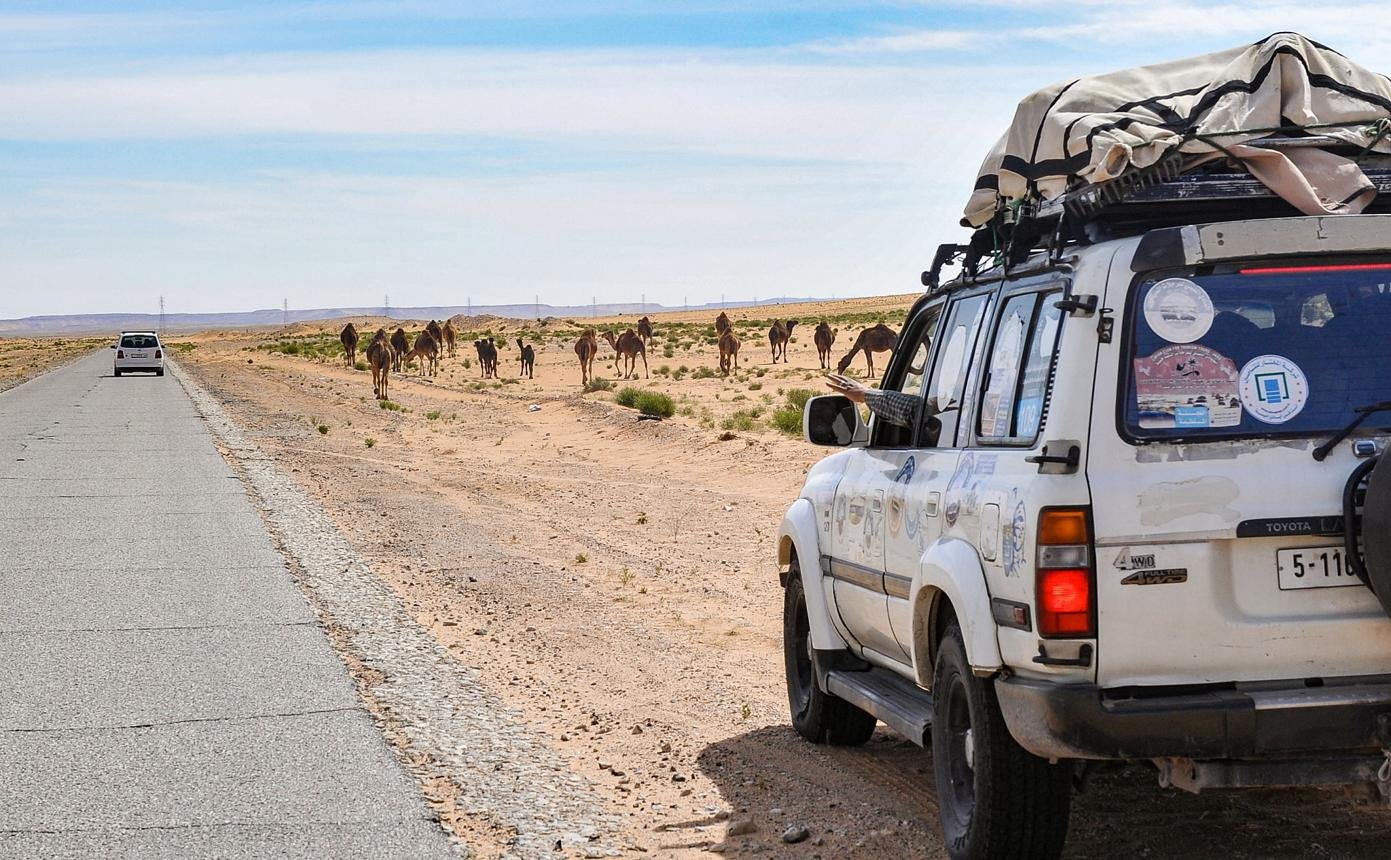
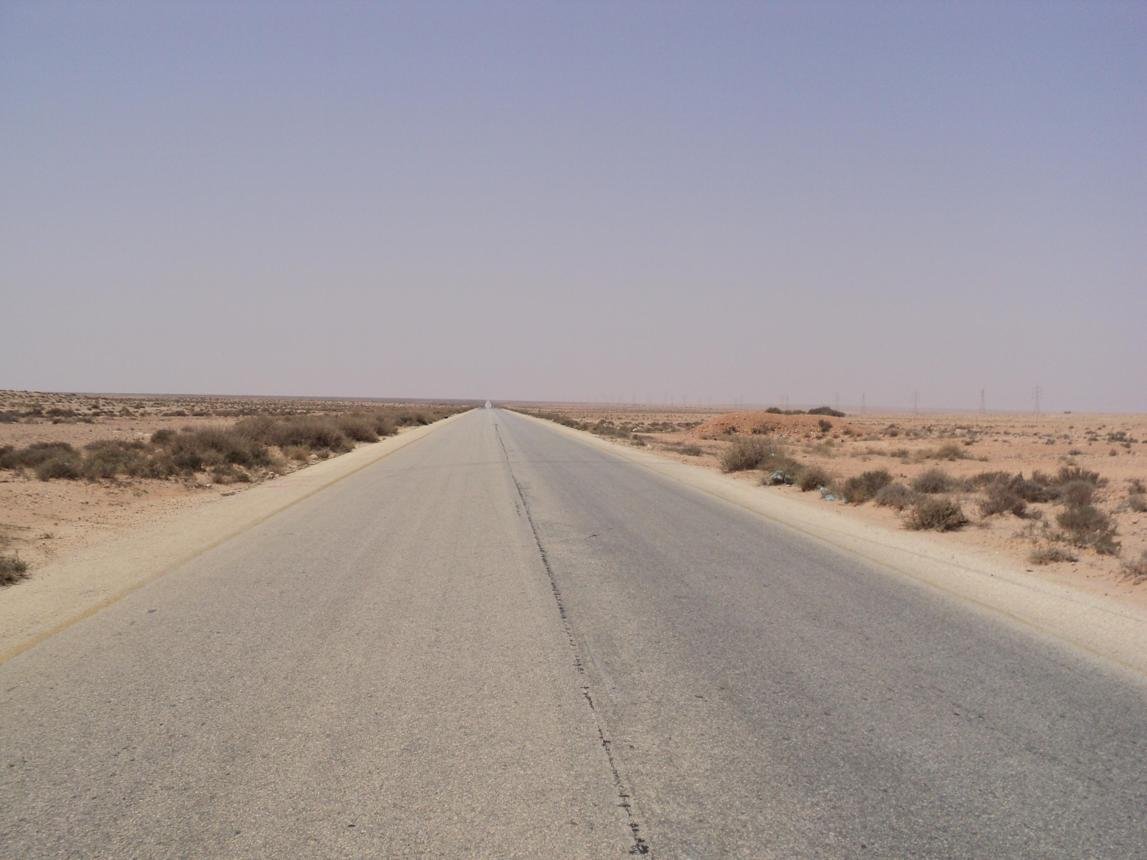
With over 5,000 kilometers of paved roads, Libya has made significant investments in its road infrastructure to improve connectivity between cities and towns. Despite this progress, the country still faces challenges such as poor road conditions and lack of maintenance, which can hinder economic development and social progress.
One solution to improve transport in Libya is the development of a modern railway network. Currently, Libya has limited railway lines, but there are plans to expand this network to enhance connectivity and facilitate the movement of goods and passengers. By investing in railways, Libya can reduce its dependence on road transport and promote sustainable development.
According to the World Bank, only 43% of Libyans have access to paved roads, highlighting the need for further investment in transport infrastructure to improve accessibility and connectivity. By expanding and modernizing its transportation systems, Libya can boost economic growth and enhance its overall development.

What are the key aspects of transportation in Libya?
Transport in Libya refers to the various modes of transportation available in the country, including roads, railways, air travel, and maritime transport. The transportation infrastructure in Libya plays a crucial role in facilitating the movement of goods and people within the country and connecting it to other regions. Stay tuned to learn more about the different modes of transportation in Libya and their significance.
Overview of Transport in Libya
Transportation in Libya plays a crucial role in the country’s economy and daily life. The North African nation has a diverse transportation network that includes roads, railways, airports, and ports. However, the sector faces challenges such as inadequate infrastructure, lack of investment, and security concerns.
Road Transport
Libya has an extensive road network that connects major cities and towns. The country relies heavily on road transport for the movement of goods and people. However, many roads are in poor condition due to years of neglect and lack of maintenance. In recent years, there have been efforts to improve the road network, but progress has been slow.
Rail Transport
Libya has a limited railway network that mainly serves the transportation of goods. The country’s railway system is outdated and in need of modernization. Plans to expand the railway network and improve infrastructure have been discussed, but progress has been minimal.
Air Transport
Libya has several international airports, with Tripoli International Airport being the busiest. The country’s aviation sector has faced challenges due to political instability and security concerns. Many airlines have suspended operations to Libya, resulting in limited air connectivity.
Maritime Transport
Libya has several seaports that play a vital role in the country’s economy. The ports of Tripoli and Benghazi are the main gateways for imports and exports. However, the maritime sector has faced challenges such as piracy and security risks, impacting trade.
Challenges and Opportunities
- Poor infrastructure
- Lack of investment
- Security concerns
- Political instability
- Lack of modernization
Despite these challenges, there are opportunities for improvement in Libya’s transportation sector. Increased investment, modernization of infrastructure, and enhanced security measures could help unlock the sector’s potential.
Statistical Data:
According to the World Bank, only 63.5% of roads in Libya are paved, highlighting the country’s infrastructure challenges in the transport sector.
What are the major modes of transportation in Libya?
The major modes of transportation in Libya include buses, taxis, and private cars. The country also has a limited railway network and several airports.
Is public transportation reliable in Libya?
Public transportation in Libya can be unpredictable at times, with limited schedules and routes. It is recommended to plan ahead and be prepared for delays.
Are taxis readily available in Libya?
Taxis are readily available in major cities in Libya, such as Tripoli and Benghazi. However, it is important to negotiate the fare before getting in to avoid being overcharged.
Can foreigners drive in Libya?
Foreigners can drive in Libya with an international driver’s license. It is important to familiarize yourself with the local traffic laws and regulations before driving in the country.
Are there any safety concerns related to transportation in Libya?
Due to the political instability in the country, there are safety concerns related to transportation in Libya. It is advisable to stay informed about the current situation and avoid travel to high-risk areas.
Is it safe to take public transportation in Libya?
While public transportation in Libya is generally safe, it is important to exercise caution, particularly in crowded areas and during peak times. Keep an eye on your belongings and be aware of your surroundings.
Are there any restrictions on transportation in Libya?
There may be restrictions on travel to certain areas in Libya due to security concerns. It is advisable to check with local authorities or travel advisories before planning your trip.
What is the best way to get around Libya?
The best way to get around Libya is by private car or taxi, as it offers flexibility and convenience. However, it is important to be cautious while driving and follow the local traffic laws.
How reliable are the train services in Libya?
The train services in Libya are limited and may not be as reliable as other modes of transportation. It is recommended to check the schedule in advance and prepare for possible delays.
What should I do if I encounter any issues with transportation in Libya?
If you encounter any issues with transportation in Libya, such as safety concerns or delays, it is best to contact the local authorities or seek assistance from your embassy. It is important to stay calm and handle the situation with caution.
Conclusion
Overall, the transport system in Libya faces numerous challenges, including inadequate infrastructure, limited access to public transportation, and a lack of regulation and enforcement. The country’s dependence on oil revenues has also had a significant impact on the development of the transport sector, with limited funds available for necessary upgrades and expansion. Despite these challenges, efforts are being made to improve the transport system in Libya, with plans for infrastructure development and investment in public transportation services. It is clear that addressing these issues will be crucial for the country’s economic growth and the well-being of its citizens.
Moving forward, it will be essential for Libya to focus on addressing the infrastructure deficiencies, implementing effective regulatory frameworks, and investing in sustainable transport solutions. This will not only improve the efficiency and safety of the transport system but also help reduce the country’s reliance on oil revenues. By prioritizing these areas, Libya can work towards a more reliable and accessible transport system that will benefit its economy and society as a whole.