Transport in Oman plays a crucial role in connecting various regions and facilitating the movement of goods and people. The Sultanate of Oman has made significant investments in developing its transportation infrastructure to support its growing economy and meet the needs of its population.
With a focus on enhancing connectivity and promoting economic growth, Oman has been expanding its road network, building new highways, bridges, and tunnels. In recent years, the government has also invested in projects to improve public transportation, including bus services and the development of a new railway network.
One notable solution to address traffic congestion and promote sustainability in Oman is the implementation of smart transportation systems. These systems integrate technology to optimize traffic flow, reduce emissions, and enhance road safety. By embracing smart transportation solutions, Oman aims to create a more efficient and environmentally friendly transportation network.
In addition to its focus on modernizing its transportation infrastructure, Oman has also taken steps to enhance its maritime and air transport capabilities. With a strategic location along major shipping routes and a network of international airports, Oman serves as an important hub for trade and tourism in the region.
As Oman continues to invest in its transportation sector, the country is poised to further strengthen its position as a key player in the global economy. By prioritizing innovation, sustainability, and efficiency, Oman is positioning itself as a leader in the development of modern transportation systems.

What are the Transportation Options Available in Oman?
Transport in Oman refers to the various modes of transportation available within the country, including roads, highways, airports, seaports, and public transportation systems. The country boasts a well-developed infrastructure that allows for easy and convenient travel both within cities and between regions. In this article, we will explore the different transportation options available in Oman in more detail, including the benefits and challenges of each mode of transportation.
Transport in Oman
Oman, located on the southeastern coast of the Arabian Peninsula, has made significant investments in infrastructure to improve its transportation system. The country has a well-developed network of roads, ports, and airports that facilitate the movement of people and goods efficiently.
Road Transport
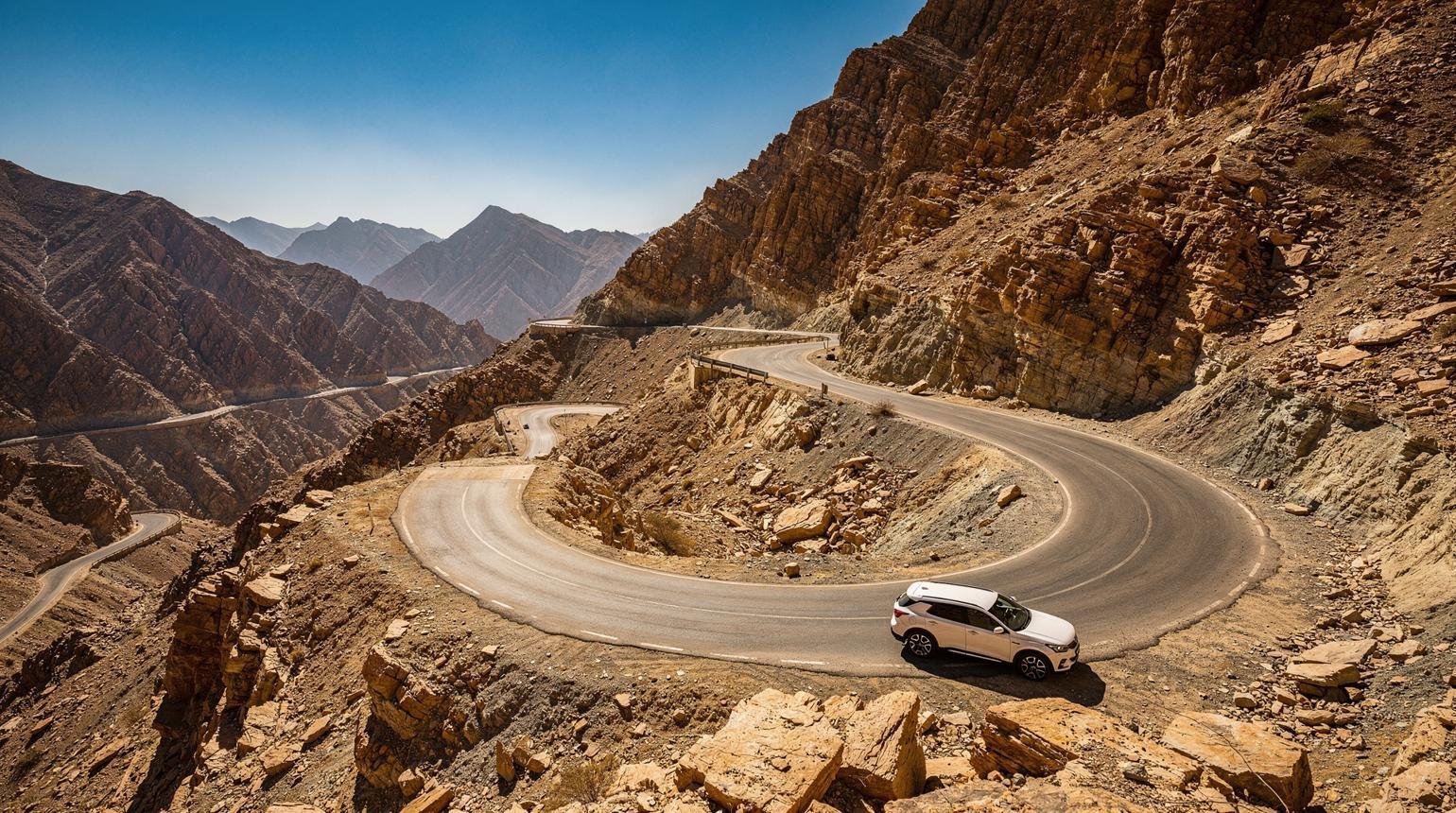
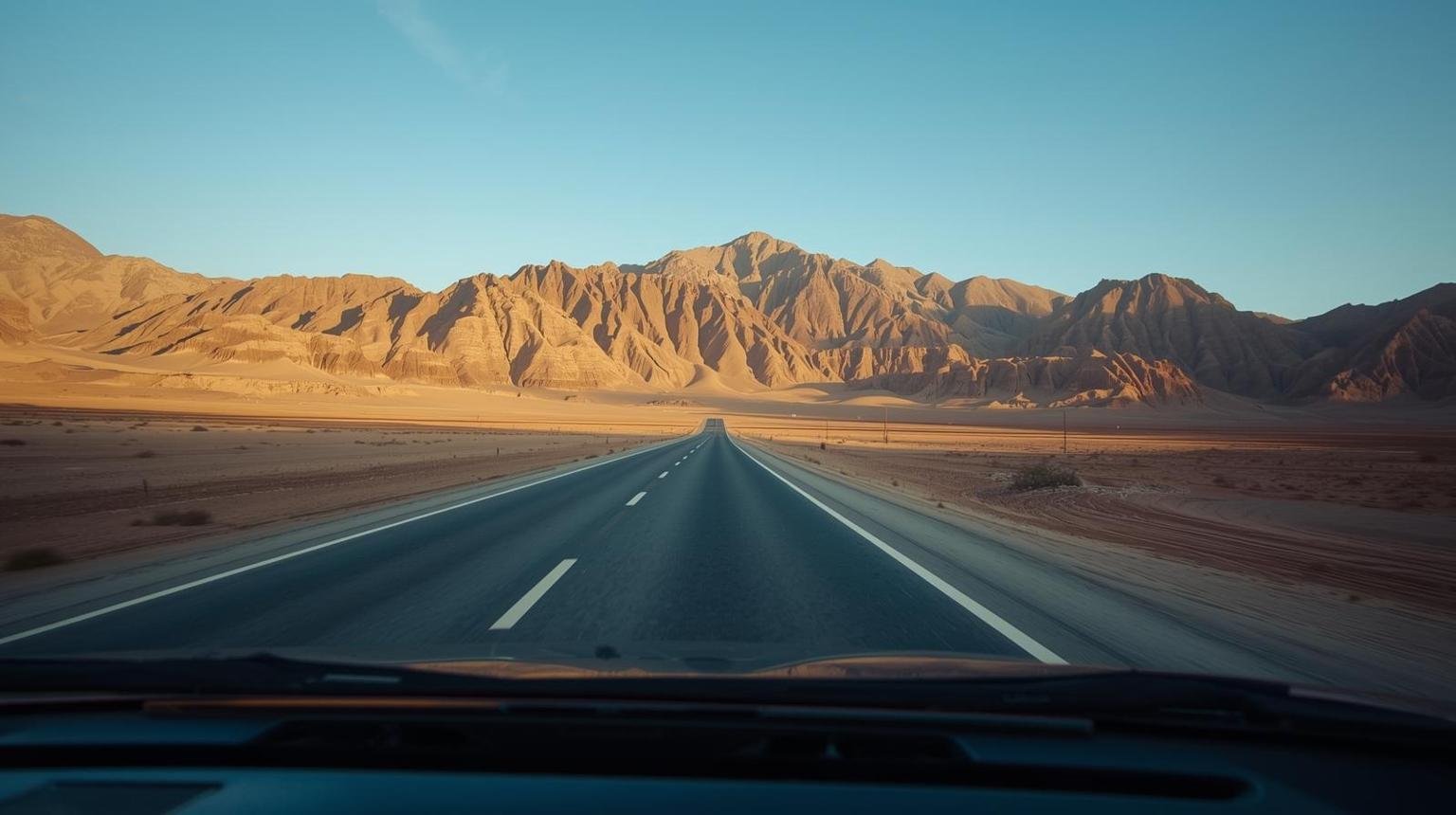
One of the key components of Oman’s transport system is its road network. The country has an extensive network of highways and roads that connect major cities and towns. The roads are well-maintained and well-marked, making it easy for people to navigate around the country.
- Oman has over 60,000 kilometers of roads, with major highways connecting Muscat, the capital city, to other regions of the country.
- The roads are built to international standards, making travel safe and comfortable for both locals and tourists.
Public Transportation
Public transportation in Oman primarily consists of buses and taxis. The bus system in Muscat, operated by the Oman National Transport Company, provides affordable and reliable transport for residents and visitors alike.
- Buses run on designated routes throughout the city, making it easy for people to get around.
- Taxis are also widely available in Oman, providing a convenient mode of transport for those who prefer more flexibility in their travel.
Air Transport
Oman has several airports, with Muscat International Airport being the main gateway to the country. The airport is modern and well-equipped, serving as a hub for both domestic and international flights.
- Muscat International Airport handles millions of passengers each year, connecting Oman to major cities around the world.
- The airport has won several awards for its facilities and services, making it a top choice for travelers.
Maritime Transport
Given its strategic location along the Arabian Sea, Oman has developed a strong maritime transport sector. The country has several ports that handle both commercial and passenger traffic.
- Port Sultan Qaboos in Muscat is the main port in Oman, serving as a key hub for trade and commerce.
- Oman’s ports are well-equipped to handle a wide range of cargo, contributing to the country’s economic growth.
In conclusion, Oman’s transportation system plays a vital role in connecting the country internally and externally, supporting economic development and facilitating the movement of people and goods. As of 2021, Oman continues to invest in its transport infrastructure to meet the growing demands of a modern, dynamic society.
1. What are the main modes of transportation in Oman?
The main modes of transportation in Oman include buses, taxis, private cars, and domestic flights.
2. Is it easy to find taxis in Oman?
Yes, taxis are readily available in most major cities in Oman, and can also be easily booked through ride-hailing apps.
3. How reliable is the bus system in Oman?
The bus system in Oman is fairly reliable, with routes covering most major cities and towns. However, frequency of buses may vary depending on the route.
4. Are there any restrictions for women using public transportation in Oman?
There are no specific restrictions for women using public transportation in Oman, but it is recommended for women to dress modestly and avoid traveling alone late at night.
5. Are there bike lanes or cycling infrastructure in Oman?
While there are some cycling lanes in certain areas of Oman, cycling infrastructure is not as well-developed compared to other countries.
6. How safe is it to drive in Oman?
Driving in Oman is generally safe, with well-maintained roads and highways. However, it is important to follow traffic rules and drive defensively.
7. Can foreigners drive in Oman with an international driver’s license?
Yes, foreigners can drive in Oman with a valid international driver’s license, along with their passport and visa.
8. Are there any specific rules or regulations for car rentals in Oman?
When renting a car in Oman, drivers must be at least 21 years old and have a valid driver’s license from their home country. It is also mandatory to have insurance coverage.
9. How accessible are airports in Oman for domestic flights?
Oman has several domestic airports across the country, making domestic flights a convenient and accessible mode of transportation within Oman.
10. Can I use public transportation to visit popular tourist attractions in Oman?
While public transportation can be used to some extent to visit popular tourist attractions in Oman, it is recommended to rent a car or hire a private driver for more flexibility and convenience.
Conclusion
Overall, the transport system in Oman is growing rapidly to meet the demands of a booming economy and population. The country’s strategic location and investments in infrastructure have contributed to a diverse network of transportation options, including roads, ports, airports, and public transport. The government’s commitment to sustainable development is evident in initiatives such as the Oman National Transport Strategy, which aims to improve connectivity across the country while reducing carbon emissions.
Despite these advancements, challenges remain, particularly in addressing traffic congestion, enhancing road safety, and promoting more sustainable modes of transport. Investments in public transportation and alternative fuels are crucial for reducing the country’s carbon footprint and improving air quality. Furthermore, there is a need to prioritize the development of rural areas and remote regions to ensure equitable access to transportation services for all citizens. By addressing these challenges and building on its strengths, Oman can continue to enhance its transport system to support economic growth and improve the overall quality of life for its residents.