Lebanon’s transportation system plays a crucial role in connecting its diverse communities and supporting the country’s economy. With a population of over six million people and limited resources for infrastructure development, Lebanon faces unique challenges in providing efficient and reliable transportation options for its residents.
The transportation network in Lebanon has a rich history dating back to ancient times when Phoenician traders used the region’s strategic location to establish trade routes across the Mediterranean. Today, Lebanon’s transport system consists of a mix of public buses, taxis, and private vehicles, as well as ports and airports that facilitate international trade and travel. However, the country’s roads are often congested, leading to traffic jams and delays that impact both commuters and businesses.
One solution to the traffic congestion in Lebanon is the promotion of sustainable transportation options such as cycling and walking. By investing in infrastructure that supports these modes of transport, Lebanon can reduce its reliance on cars and alleviate pressure on its road network. In addition, improving public transportation services can help provide affordable and convenient travel options for residents, reducing the overall demand for private vehicles.
Despite its challenges, the transportation sector in Lebanon continues to evolve, with ongoing efforts to improve infrastructure and promote sustainable modes of transport. By addressing issues such as traffic congestion and air pollution, Lebanon can create a more efficient and environmentally friendly transportation system that benefits both residents and the economy.

What are the Essential Aspects of Transportation in Lebanon?
Transport in Lebanon encompasses various modes of transportation, such as road, water, and air transport, that enable the movement of people and goods within the country. From bustling cities to picturesque villages, efficient transportation networks are essential for connecting communities and facilitating economic growth. Let’s explore the different aspects of transportation in Lebanon in more detail.
Transport in Lebanon
Transportation in Lebanon is a critical aspect of daily life for residents and visitors alike. The country has a varied and complex transport system that includes roads, highways, public transportation, and airports. Understanding the transport infrastructure in Lebanon is essential for navigating the country efficiently.
Roadways
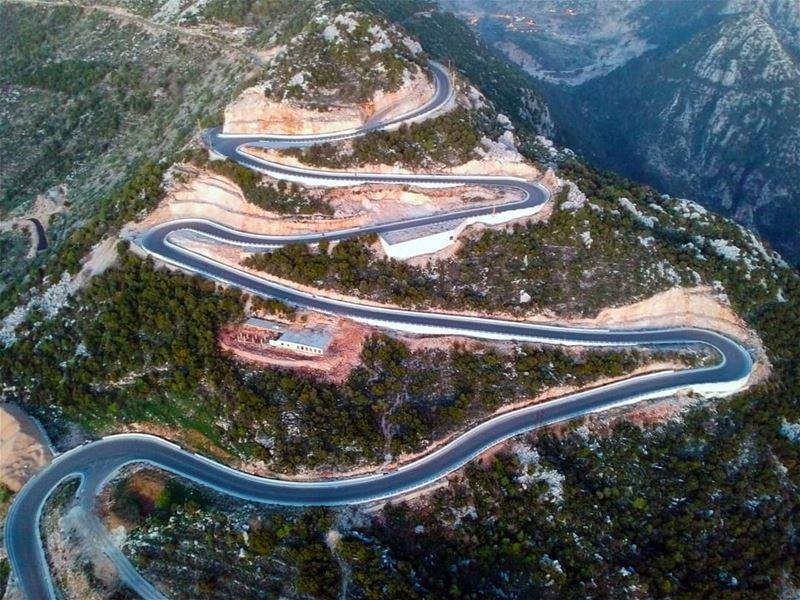
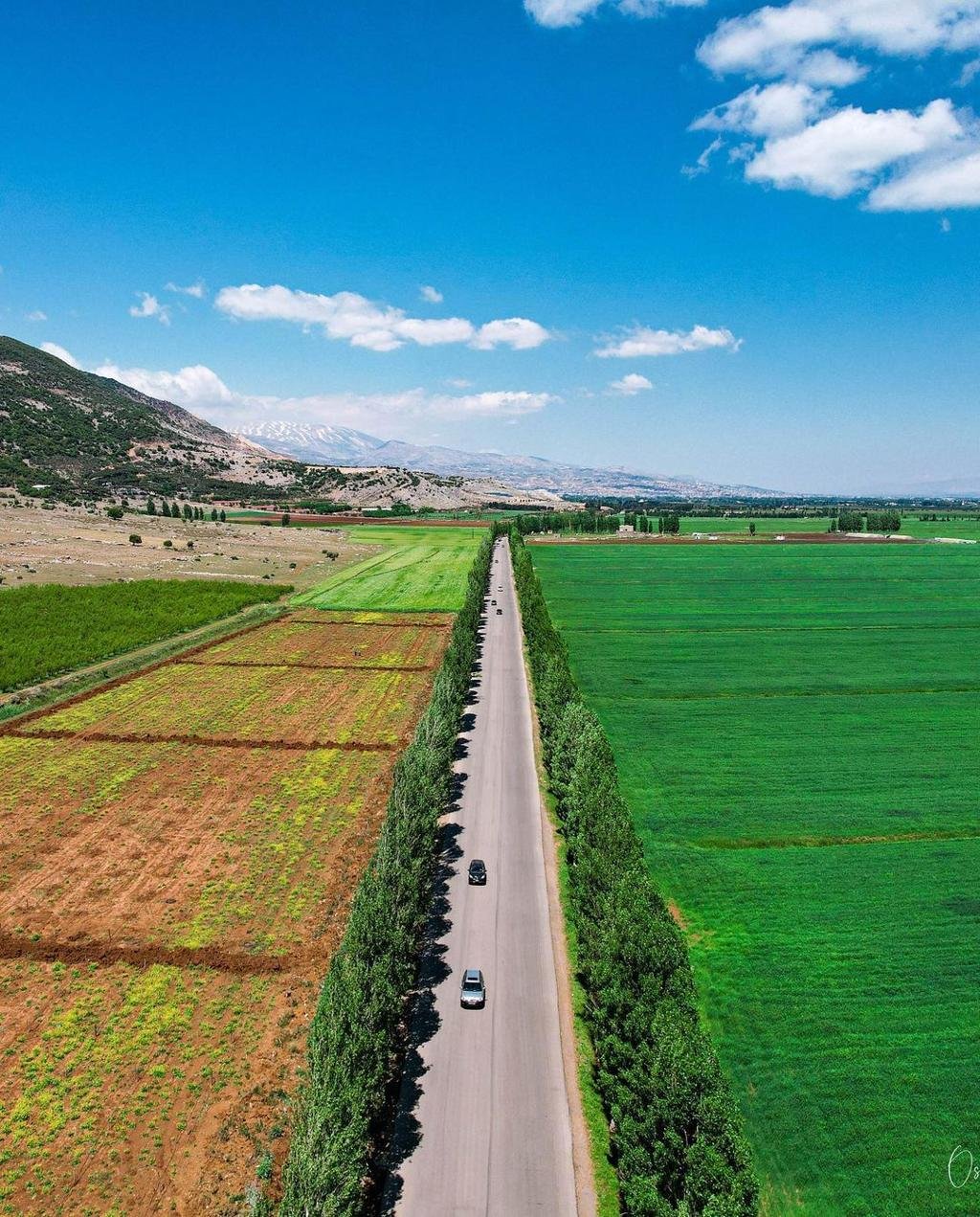
Lebanon has an extensive road network that connects major cities and towns. The quality of roads varies, with some highways being well-maintained while others suffer from congestion and lack of upkeep. The main highway in Lebanon is the Beirut-Damascus highway, which links the capital city to the Syrian border.
- There are ongoing efforts to improve and expand the road network in Lebanon to alleviate traffic congestion and enhance connectivity between different regions.
- Public transportation
Public transportation in Lebanon consists primarily of buses and shared taxis known as “service.” Buses operate along fixed routes, while services are more flexible and can be hailed from the roadside. Public transportation is affordable but can be unreliable due to a lack of scheduling and infrastructure.
- Recently, the government has made investments in public transportation systems, such as the Beirut modern bus project, to improve the quality and efficiency of services.
- Railways
Lebanon does not have an operational railway system. The country’s railway network was heavily damaged during the Lebanese Civil War (1975-1990) and has not been restored. There have been discussions about reviving the railway system to ease traffic congestion and reduce pollution, but no concrete plans have been implemented.
Airports
Lebanon is served by one international airport, Beirut-Rafic Hariri International Airport, located south of the capital city. The airport is the main gateway for visitors traveling to Lebanon and handles a significant amount of air traffic each year. Despite its relatively small size, Beirut Airport is well-equipped with modern facilities and amenities.
Overall, the transport infrastructure in Lebanon is continuously evolving to meet the growing demands of a modern society. Improvements in roadways, public transportation, and airports are crucial for the country’s economic development and overall quality of life.
In fact, statistics show that Lebanon has over 7,000 kilometers of roadways, with approximately 25% of them being paved highways.
What are the main modes of transport in Lebanon?
In Lebanon, the main modes of transport include buses, taxis, and shared vans known as “service” or “van” which serve as a form of public transportation.
Are there any subway or metro systems in Lebanon?
No, Lebanon does not have a subway or metro system. The main forms of public transportation are buses, taxis, and shared vans.
Is it easy to navigate around Lebanon using public transportation?
It can be a bit challenging for tourists as the public transportation system in Lebanon is not very well organized and the schedules can be unreliable. It is recommended to use taxis or rental cars for easier navigation.
Are taxis a reliable mode of transportation in Lebanon?
Taxis are a popular and relatively reliable mode of transportation in Lebanon, especially in major cities like Beirut. Just make sure to negotiate the fare before getting into the taxi to avoid any misunderstandings.
How much does public transportation cost in Lebanon?
The cost of public transportation in Lebanon varies depending on the mode of transport and the distance traveled. Buses and shared vans are usually cheaper than taxis, but prices can vary so it’s best to ask the driver before boarding.
Is driving a rental car a good option for getting around Lebanon?
Driving a rental car can be a convenient option for getting around Lebanon, especially if you want to explore beyond the main cities. However, be prepared for congested traffic, narrow roads, and aggressive driving behavior.
Are there any ridesharing services like Uber or Careem available in Lebanon?
Yes, Uber and Careem are available in Lebanon and provide a convenient option for getting around, especially in major cities like Beirut. Just make sure to have the app installed on your smartphone for easy booking.
What are the peak hours for traffic in Lebanon?
Traffic in Lebanon can be quite heavy during rush hours, generally between 7 am to 9 am and 5 pm to 7 pm. It is advisable to avoid traveling during these times if possible to prevent getting stuck in traffic jams.
Are there any special transportation options for tourists in Lebanon?
Yes, there are tourist buses and car rental services available in Lebanon that cater specifically to tourists. These services often include guided tours and multilingual drivers to enhance the tourist experience.
Can I use my foreign driver’s license to drive in Lebanon?
Yes, visitors with a valid foreign driver’s license can drive in Lebanon for up to one year. It is recommended to carry an International Driving Permit (IDP) along with your foreign driver’s license for added convenience.
Conclusion
Transport in Lebanon is a complex issue that is impacted by a variety of factors such as infrastructure, politics, and funding. The country’s unreliable public transportation system and congested roads have created challenges for both residents and visitors alike. The lack of investment in the transportation sector has also hindered the development of efficient and sustainable solutions. Despite these challenges, initiatives such as the Beirut Urban Transport Project and increased efforts to promote cycling and pedestrian-friendly infrastructure show promise for improving the transportation landscape in Lebanon.
Moving forward, it is crucial for the government and relevant stakeholders to prioritize investments in the transportation sector to address the current issues and ensure a more efficient and sustainable system. Implementing smarter urban planning strategies, investing in public transportation infrastructure, and promoting alternative modes of transportation will be key steps in improving transport in Lebanon. By working together to address these challenges, Lebanon can create a more accessible, efficient, and environmentally friendly transportation system that meets the needs of its residents and supports economic growth in the country.