Quick Facts
Best time to visit: November–April
Difficulty: 2.5/5
Road conditions: Good main highways, variable secondary roads, occasional potholes and poor rural surfaces
Visa situation: Tourist card/eVisa requirements vary by nationality; vehicle import regulations can be complex
Why Overland Cuba?
Cuba is one of the most unique road-trip destinations in the Caribbean.
Unlike most overlanding countries, Cuba is not about wilderness expeditions or remote 4×4 routes. Instead, it offers a fascinating mix of colonial cities, classic American cars, tobacco-growing regions, tropical beaches, and rural countryside largely untouched by modern development.
Why it stands out:
- unique Caribbean road travel
- colonial architecture
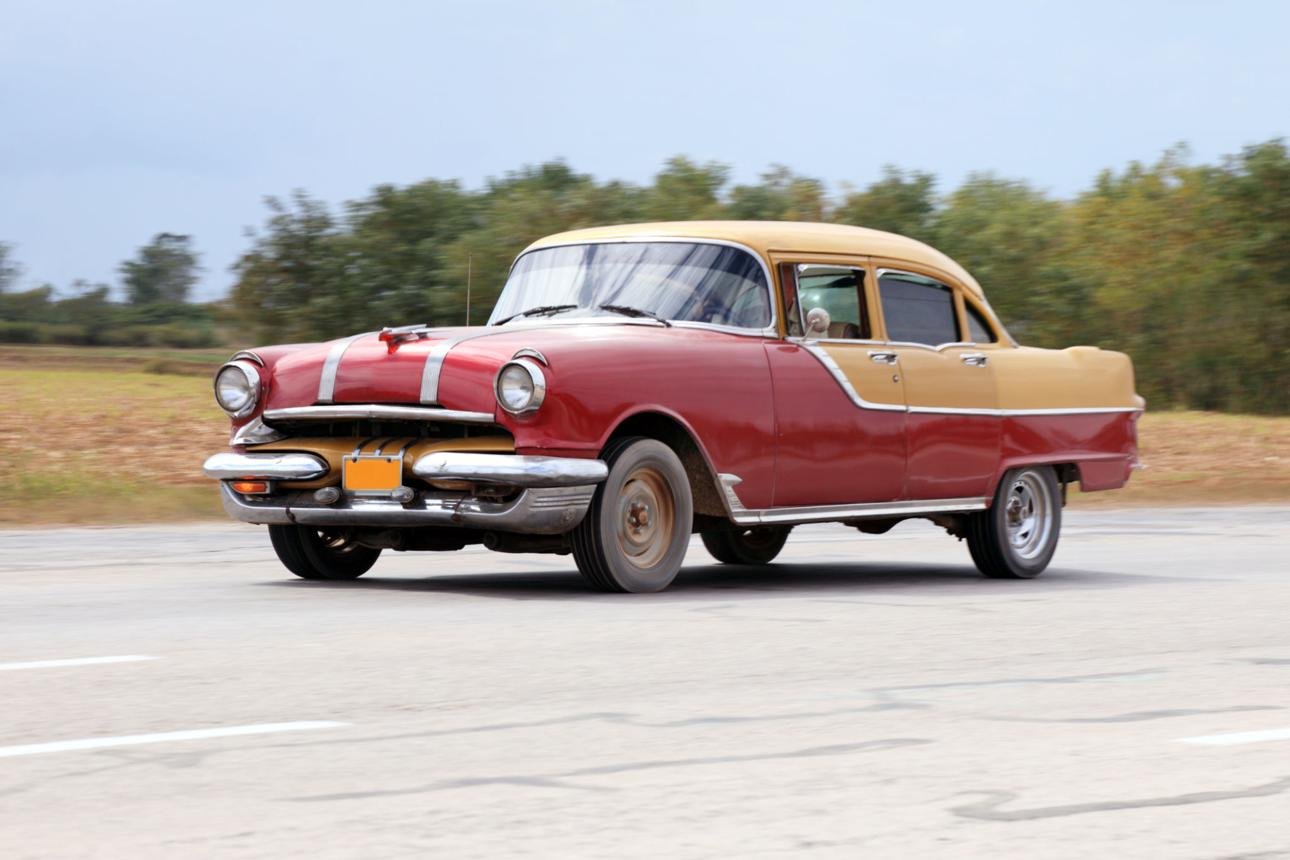
- classic car culture
- tobacco-growing regions
- beautiful beaches
- low-cost local transport
- authentic rural landscapes
- rich history and culture
Driving through Cuba often feels like traveling back in time.
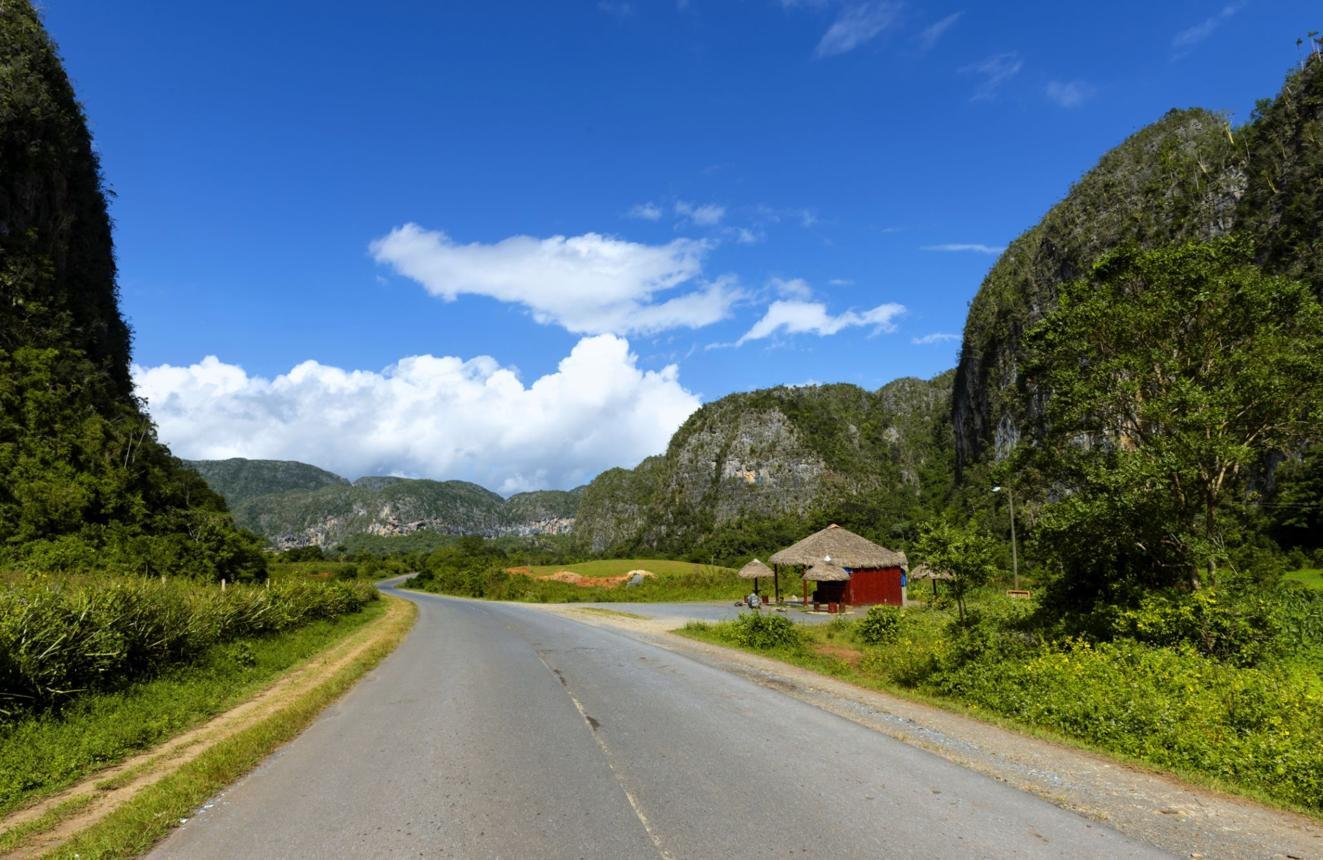
One day you can be exploring the colorful streets of Havana, the next driving through the limestone landscapes of Viñales, and later relaxing on the white-sand beaches of the Caribbean coast.
Main Overlanding Routes
1. Western Cuba Route
7
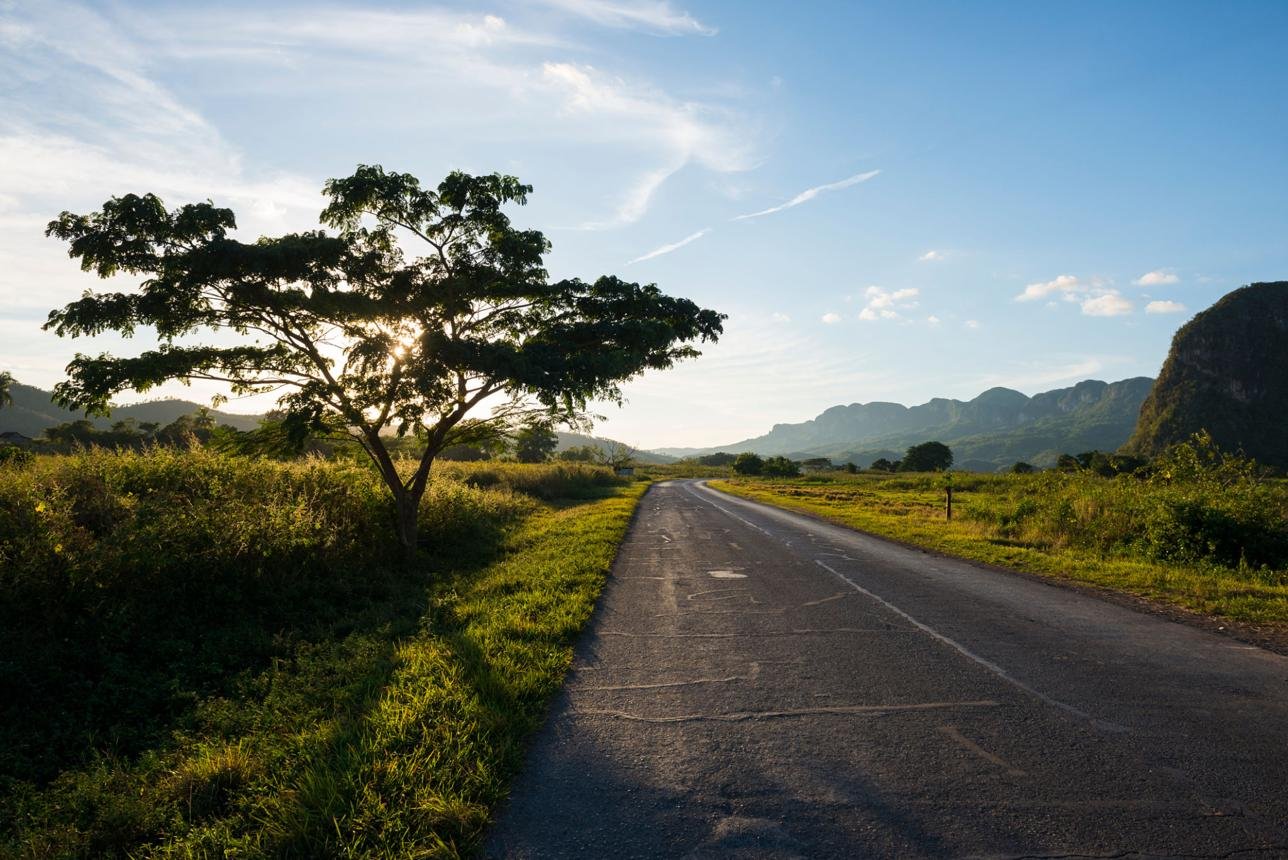
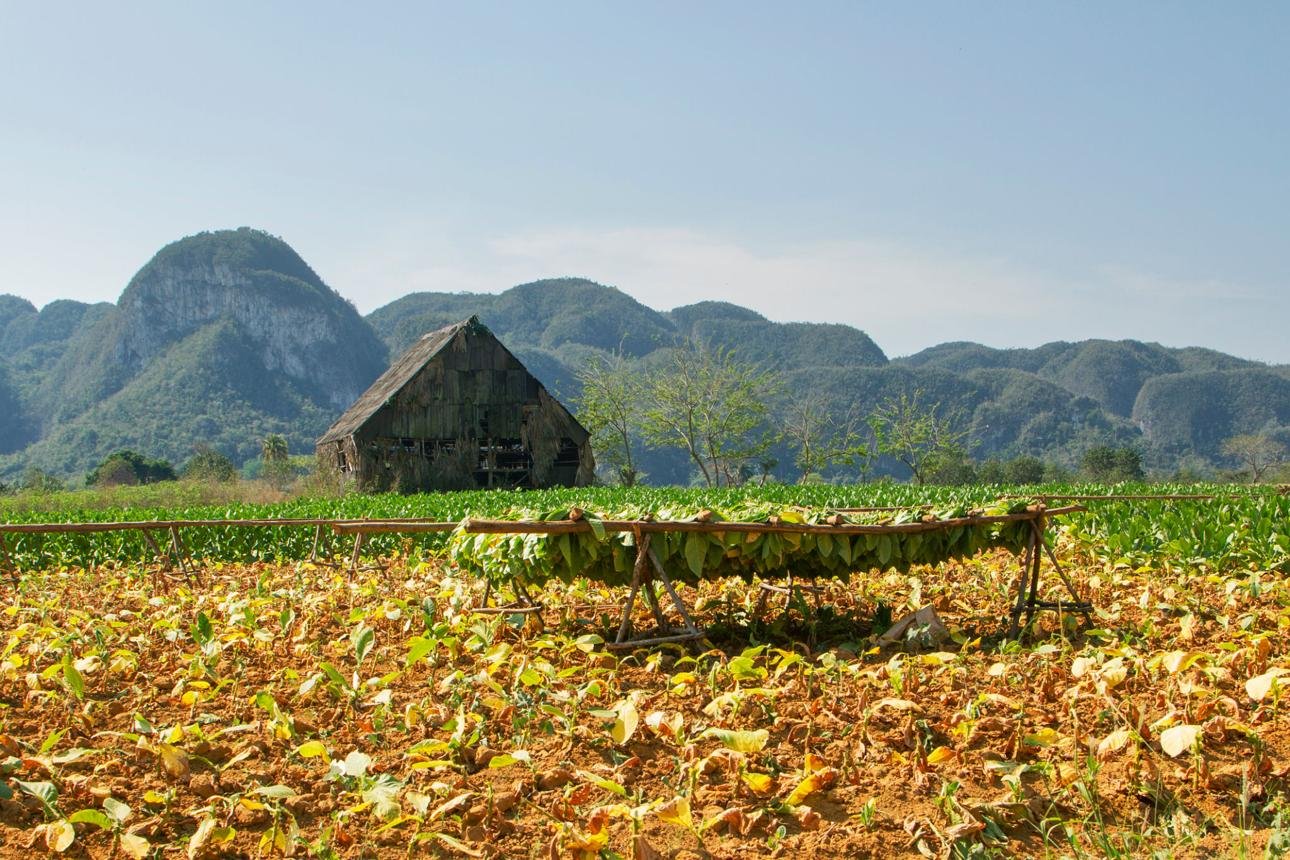
Route: Havana – Viñales – Pinar del Río – Havana
Distance: approx. 400–600 km
Road type: paved roads
Fuel: generally available
One of Cuba’s best road-trip routes.
Highlights:
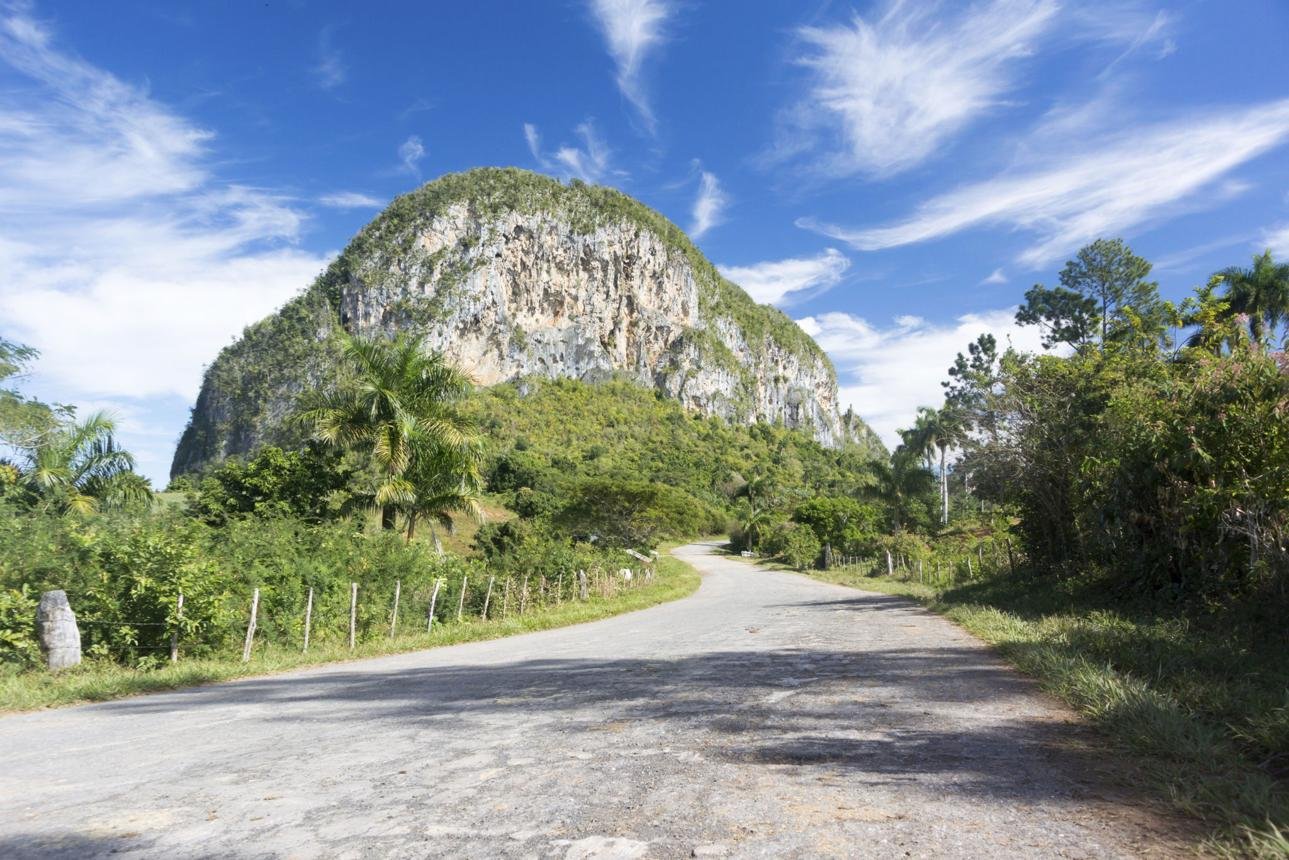
- Viñales Valley
- tobacco farms
- limestone mogotes
- rural villages
- scenic countryside
Perfect for:
- first-time visitors
- rental car road trips
- photography enthusiasts
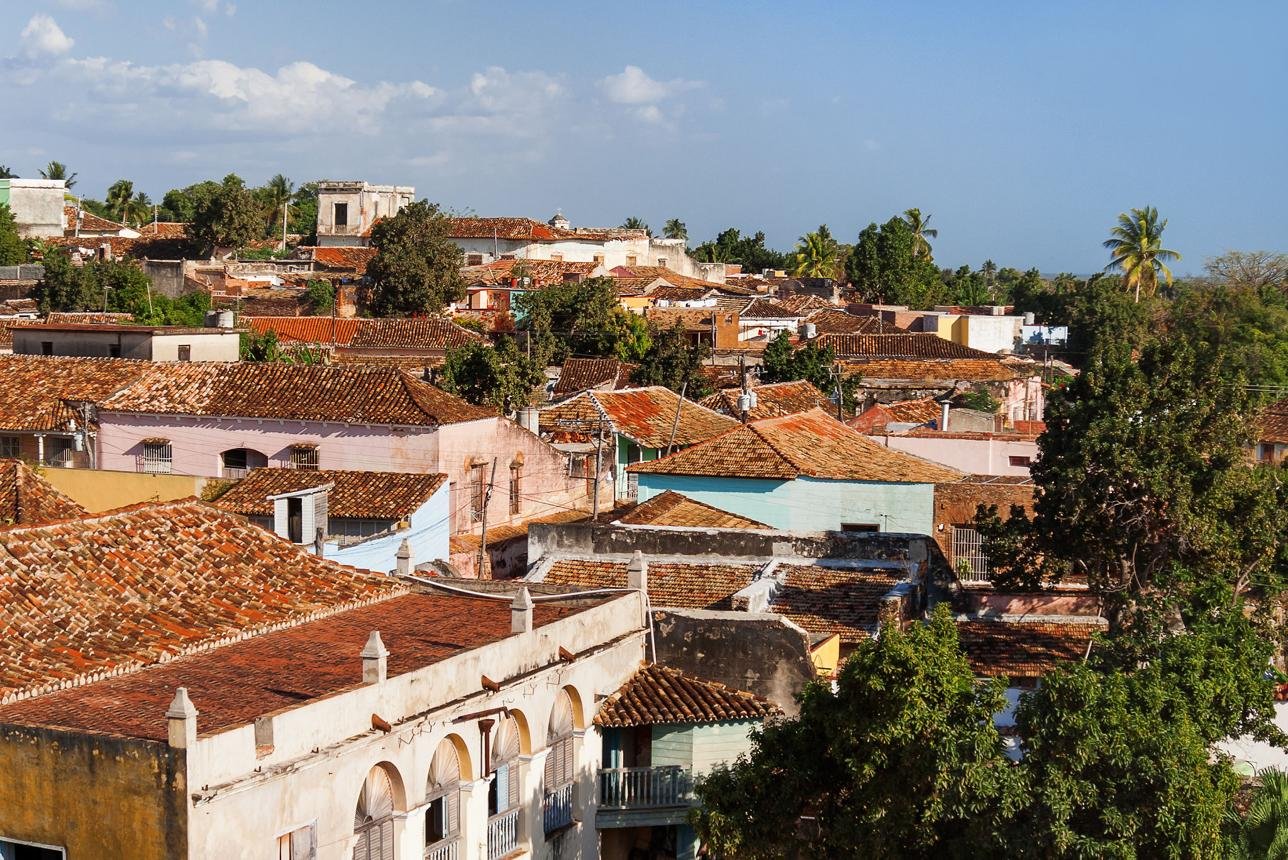
2. Classic Cuba Cross-Island Route
6
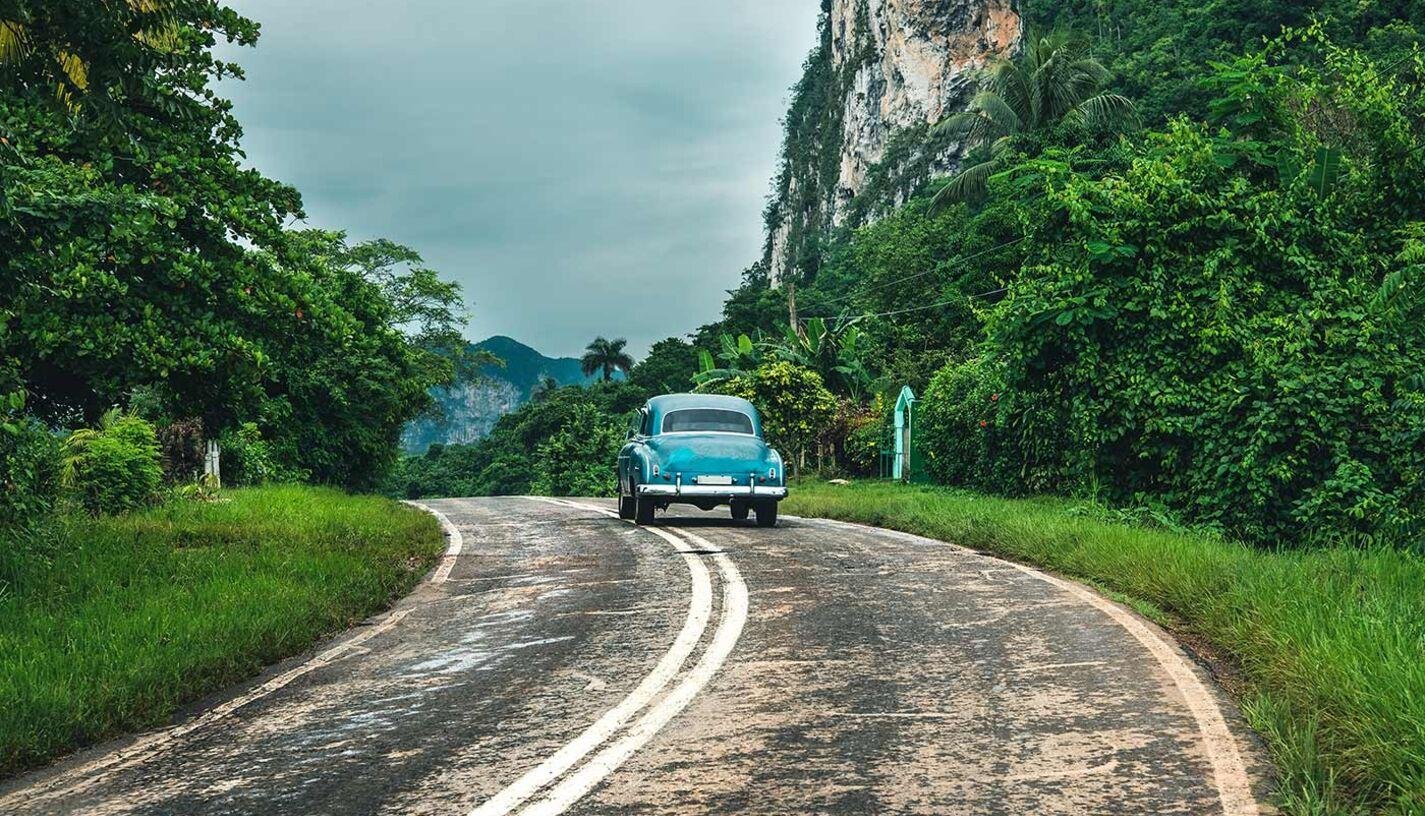
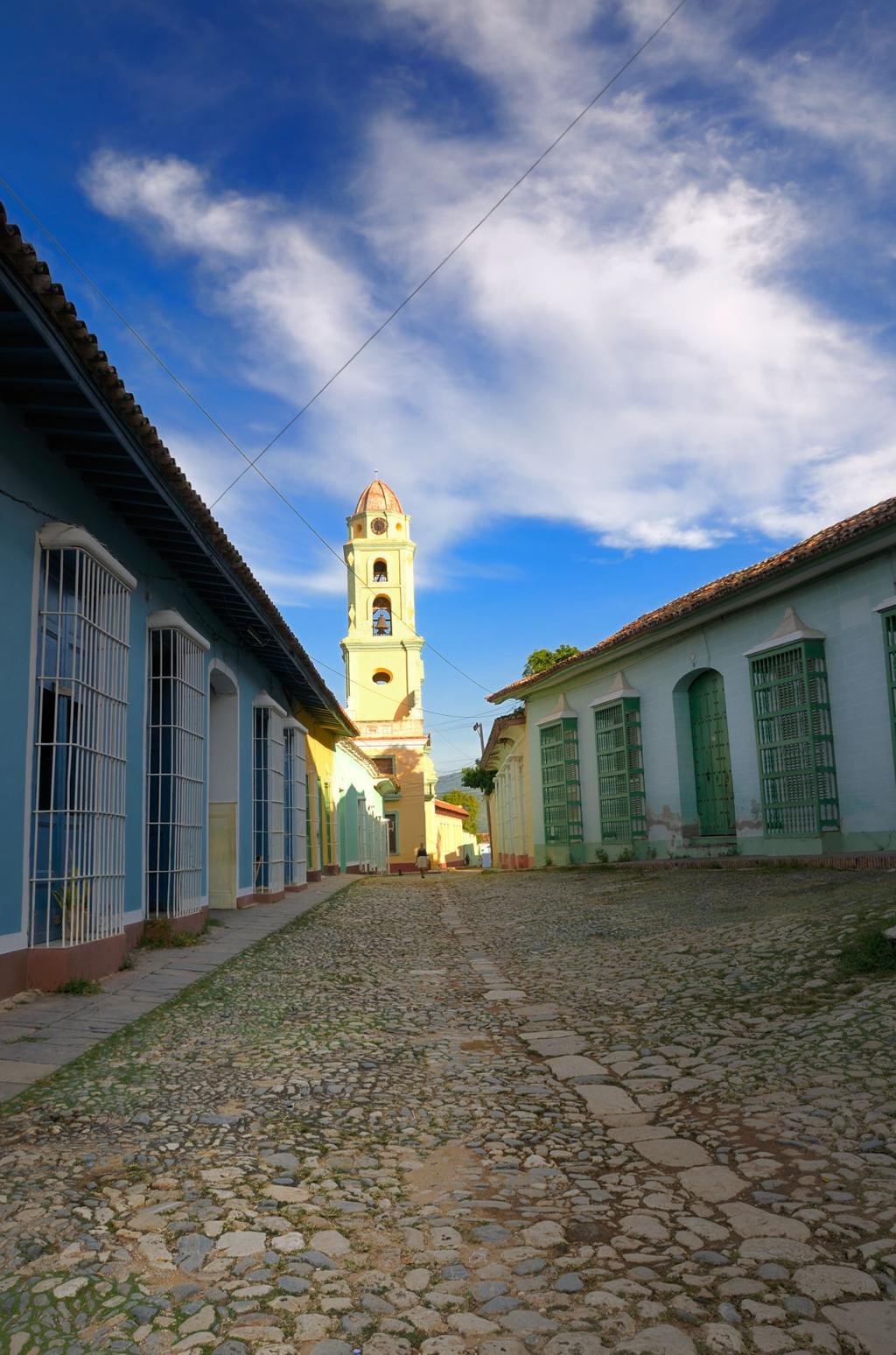
Route: Havana – Cienfuegos – Trinidad – Camagüey – Santiago de Cuba
The ultimate Cuba overland journey.
Highlights:
- colonial cities
- Caribbean coast
- mountain scenery
- Cuban culture
- historic landmarks
This route showcases the country’s diversity.
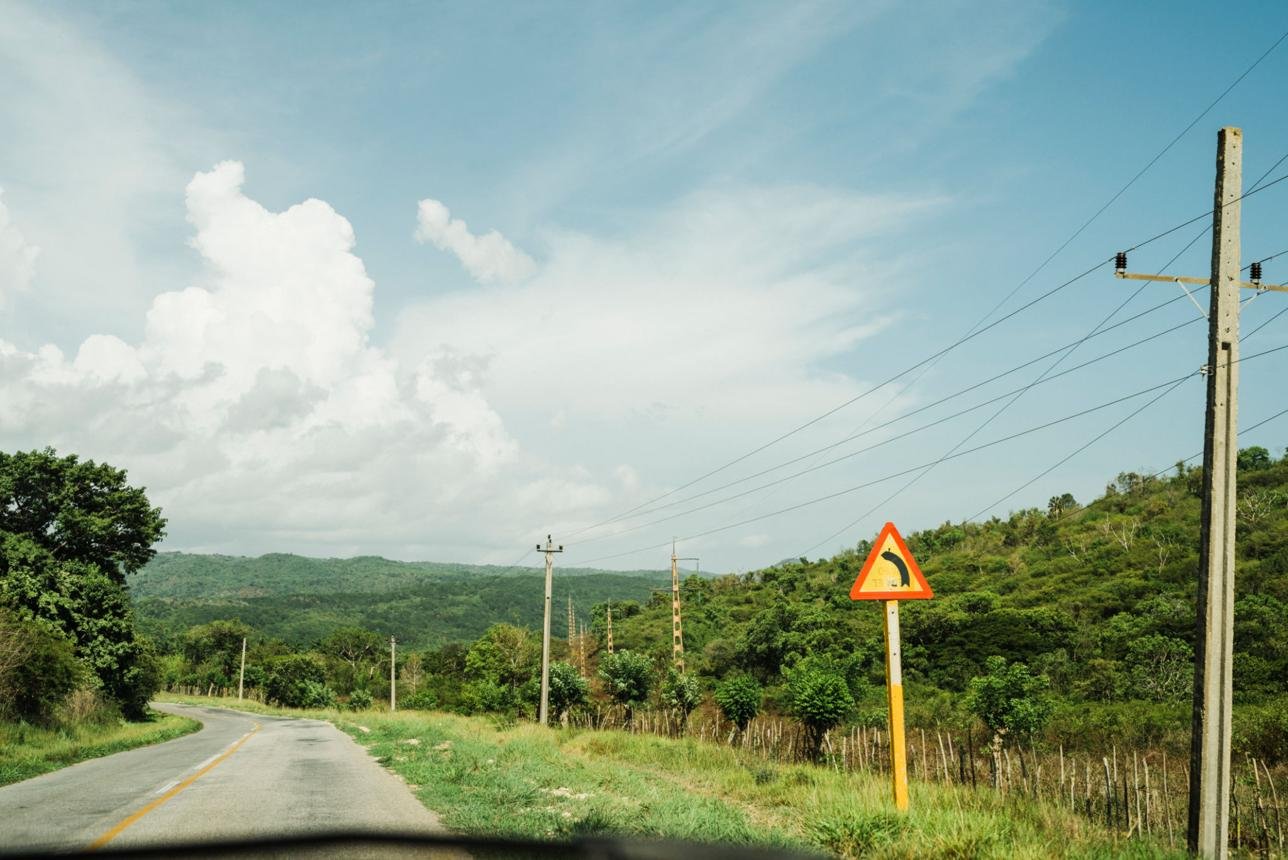
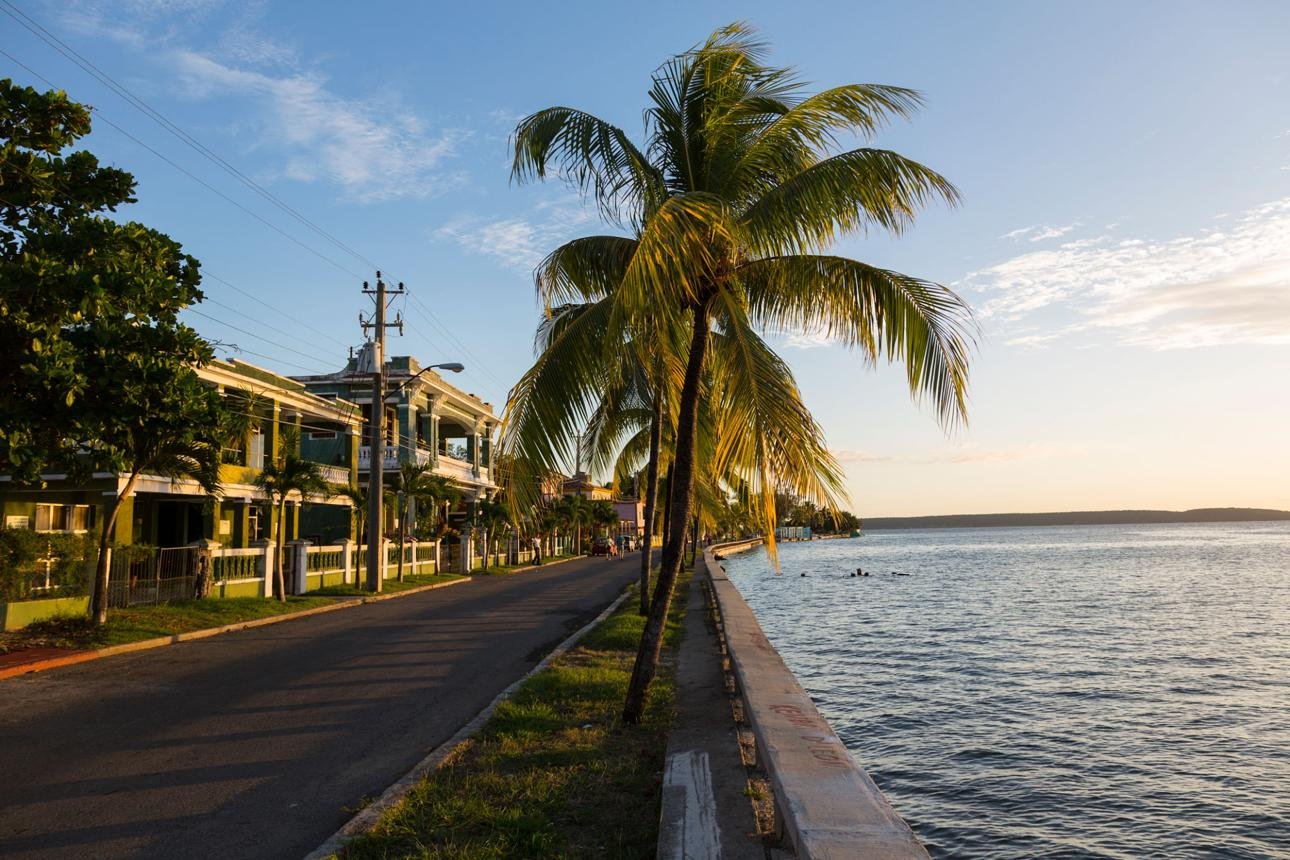
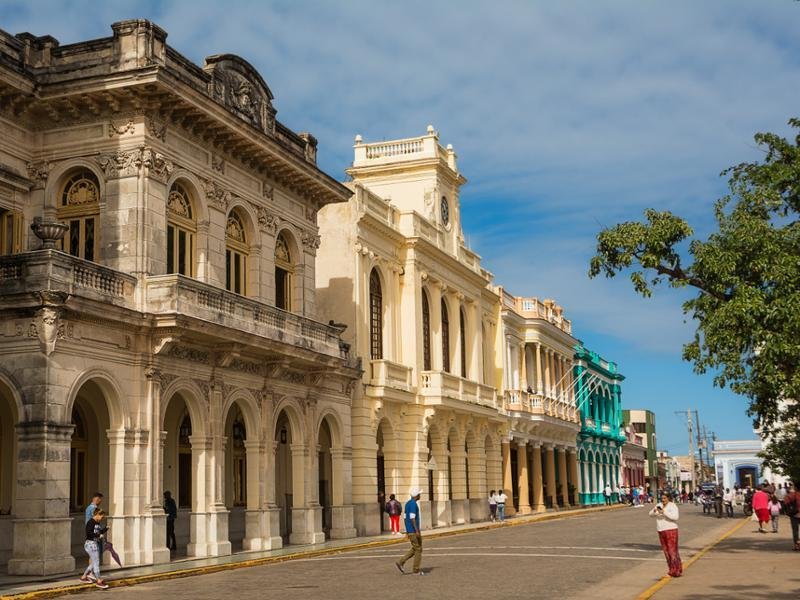
3. Central Cuba Route
8
Route: Cienfuegos – Santa Clara – Trinidad
A shorter but highly rewarding route.
Highlights:
- colonial architecture
- revolutionary history
- scenic roads
- cultural experiences
Excellent for slower travel.
4. Eastern Cuba Route
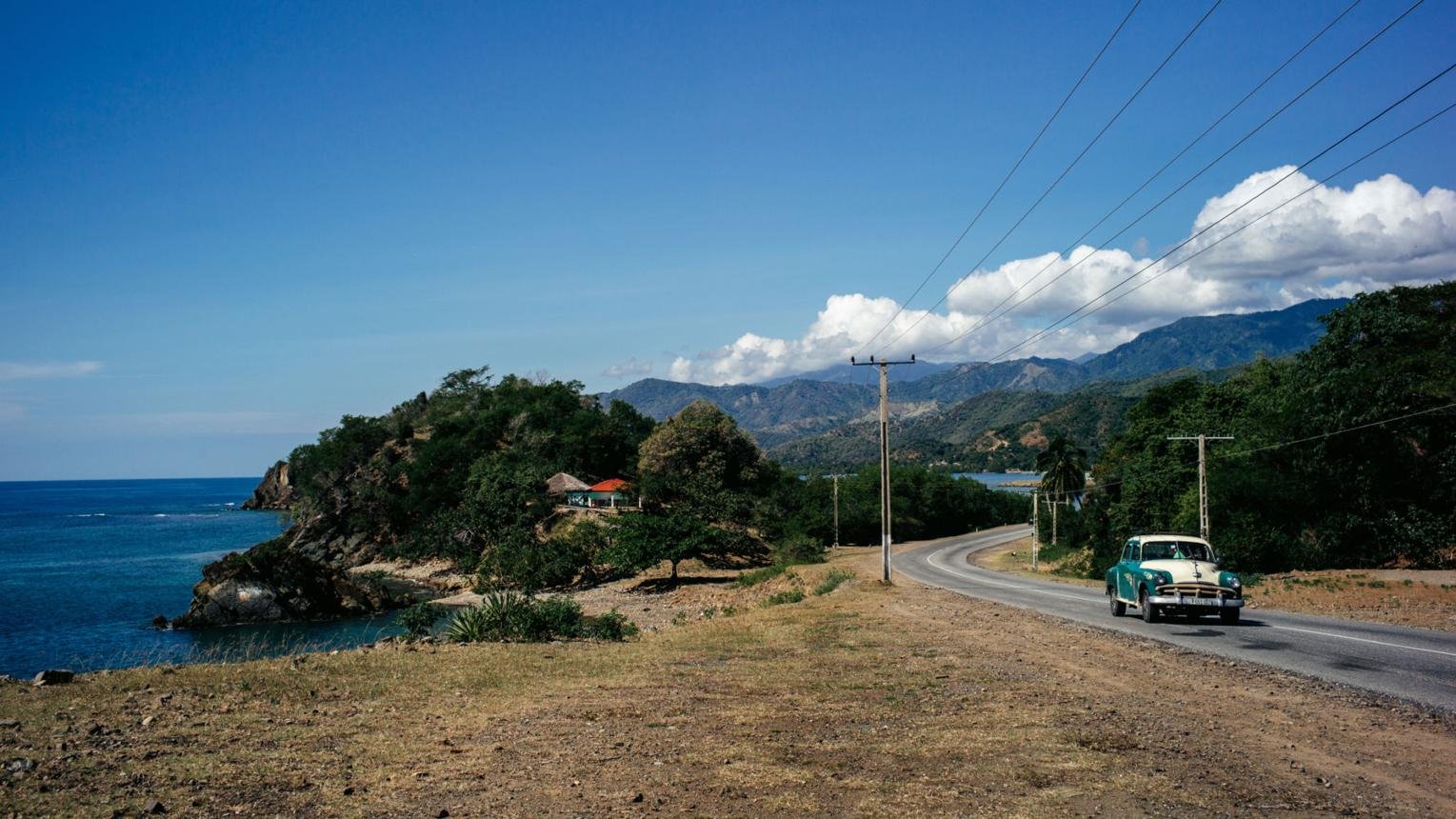
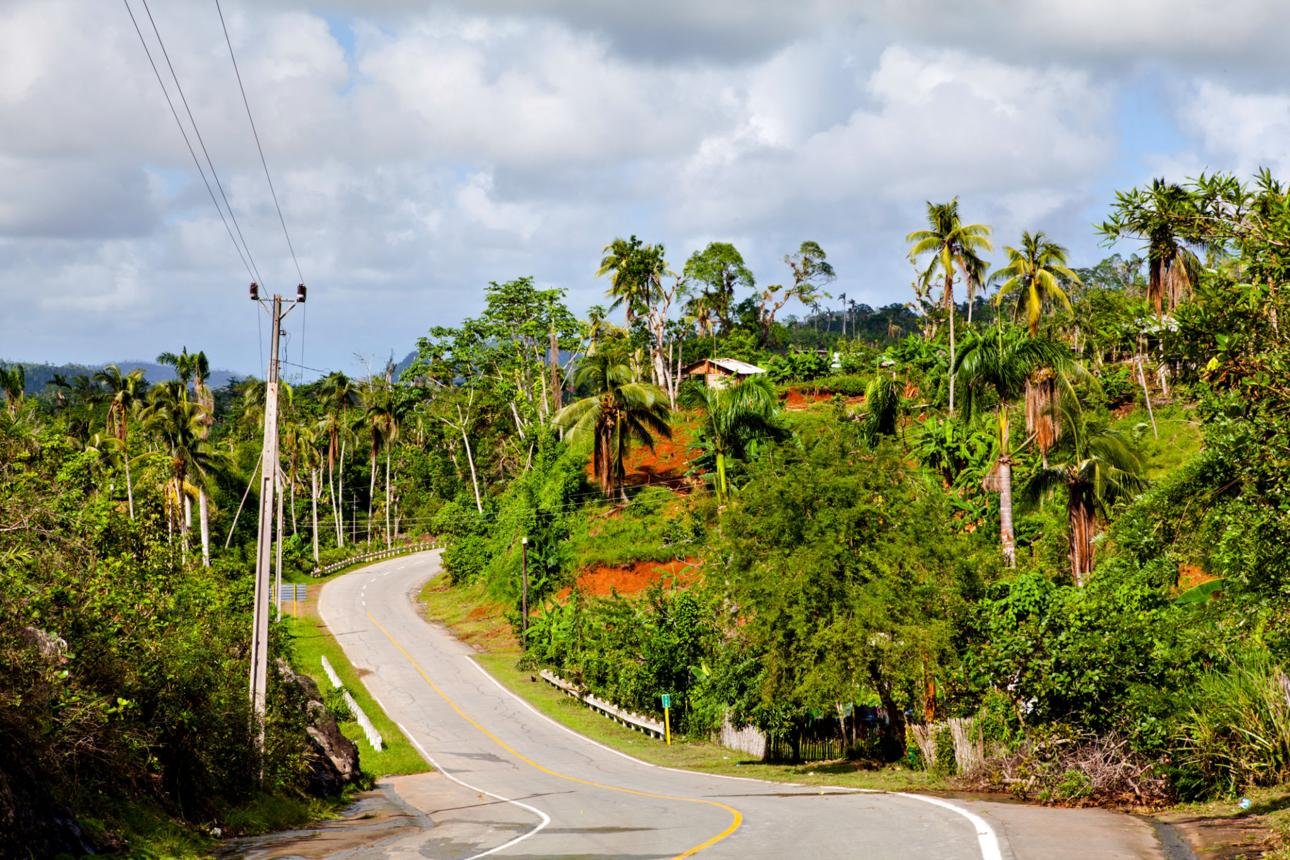
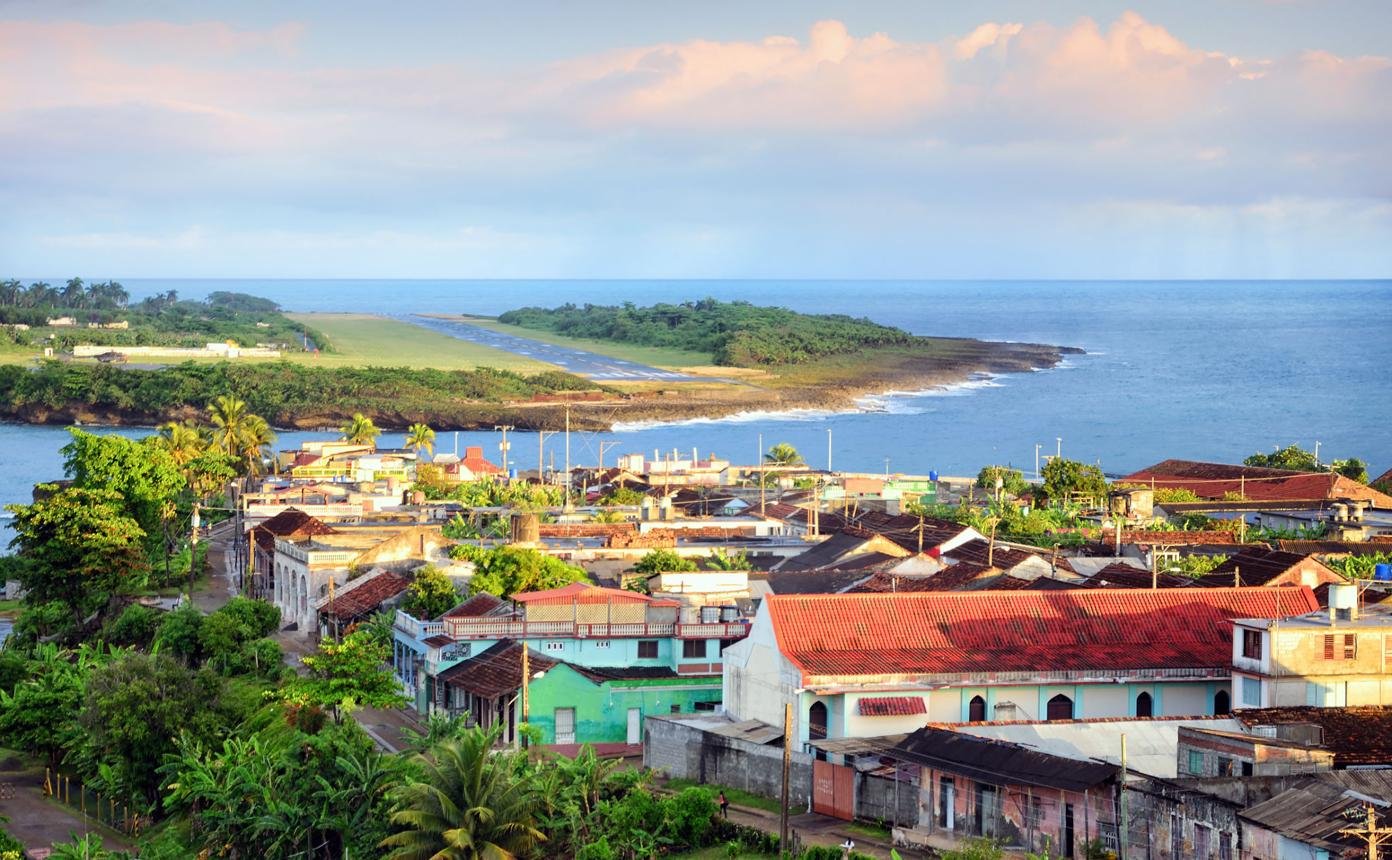
6
One of Cuba’s least-visited regions.
Highlights:
- mountain roads
- tropical forests
- coastal scenery
- Afro-Cuban culture
- Baracoa
Eastern Cuba feels noticeably different from the west.
Borders & Entry Points
Cuba is an island nation. Bringing a vehicle to Cuba as a foreign tourist is legally possible but is governed by a strict, time-limited temporary import permit. The process is primarily for tourists arriving by sea, as overland entry is not possible due to the lack of road connections. While possible, the process is complex, and most overlanders opt to rent a vehicle locally due to the significant practical difficulties.
Temporary Vehicle Import Permit & Duration
Cuban customs law allows tourists to import light motor vehicles temporarily. The permit is generally granted for the duration of the tourist’s visa, with a maximum initial term of up to 60 days . In exceptional cases, this period can be extended by an additional 30 days upon request and with authorization from Immigration and Foreigners . More recent regulations also mention a general temporary import authorization of up to 90 days or for the term of the visa .
Customs Procedures & Required Documents
The process for requesting a temporary import permit begins upon arrival at the port of entry. You must present the following documents to the customs officer:
- Valid Passport and Tourist Visa.
- Vehicle Ownership Documents (Title).
- Bill of Lading or Air Waybill for the vehicle .
You will be required to complete a “Temporary Operation of Goods Declaration” form, which is processed through the customs automated system . Customs authorities will keep a record of the vehicle and are empowered to request proof of your scheduled departure date from the country . A key condition is that the vehicle must be re-exported by the expiry date of the permit; failure to do so can result in liability for full customs duties .
Cuban Vehicle Insurance
All drivers in Cuba are required to have Civil Liability insurance, which covers damages or injuries caused to third parties . Foreign nationals must pay for both the Material Damage and Civil Liability coverage in convertible currency . It is likely that you will be required to purchase a local policy upon arrival to ensure compliance with Cuban law .
Shipping a Vehicle & Motorcycles
Shipping a vehicle to Cuba is a logistical undertaking. As Cuba is an island, all vehicles must arrive by sea freight, typically via a container service. The process involves selecting a freight forwarder, booking a container, and handling customs clearance at the port . Specific regulations exist for motorcycles in Cuba. For instance, a new policy allows residents to import combustion or hybrid motorcycles of up to 250cc . However, for tourists, a motorcycle is considered a vehicle and is subject to the same temporary import rules as a car.
Practical Difficulties & Restrictions
There are several significant practical hurdles for bringing a personal vehicle to Cuba:
- Selling or Transfer Prohibited: A vehicle imported under a temporary permit cannot be sold, transferred, or given to another person in Cuba without prior authorization from customs .
- Vehicle Condition: For vehicles entering under a tourist permit, they must be in “Good” technical condition to be insurable .
- Spare Parts and Support: The Cuban automotive market is unique, and sourcing spare parts for foreign vehicles can be extremely challenging.
- Road Conditions: Driving conditions can be difficult outside major cities, with poor road infrastructure and limited signage. This can increase wear and tear on a vehicle.
The Overlander’s Verdict
Given the strict time limits, complex bureaucratic requirements for import permits, shipping costs, and the difficulties associated with maintenance, the overwhelming majority of overlanders choose to rent a vehicle locally. Renting simplifies the process, ensures local compliance, and avoids the risk of the vehicle being confiscated or incurring heavy fines for overstaying the temporary permit’s validity.
No land borders.
International Flights
Main gateways include:
- Havana
- Varadero
- Santiago de Cuba
Vehicle Shipping
Possible but generally uncommon for independent travelers.
Most visitors rent vehicles locally.
Vehicle Entry Requirements
For rental vehicles:
Usually required:
- passport
- driver’s license
- rental agreement
- insurance
Temporary vehicle import procedures for foreign vehicles can be complex and should be researched well in advance.
Driving Conditions
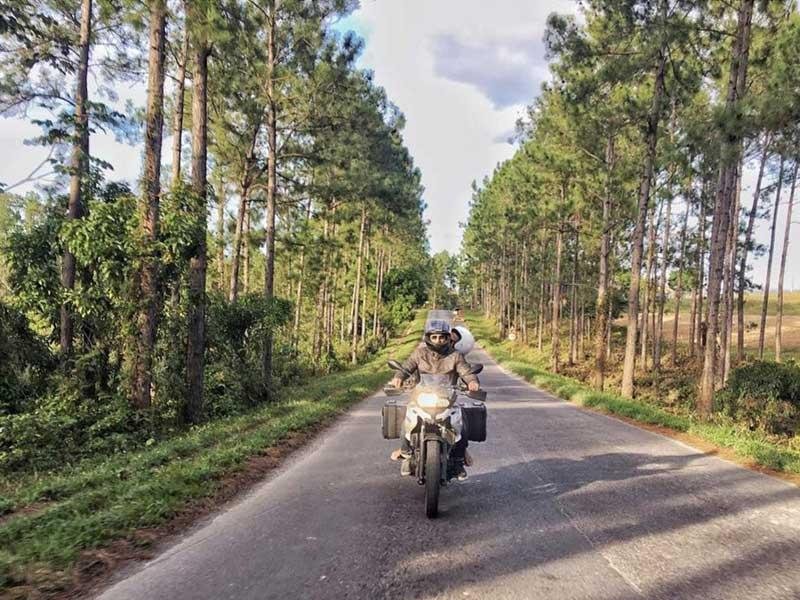
Driving in Cuba is generally manageable.
Easy:
- main highways
- tourism routes
Moderate:
- rural roads
- secondary highways
More difficult:
- poorly maintained roads
- limited signage
- livestock on roads
- night driving
Traffic volumes are generally lower than in many countries.
Fuel & Logistics
Logistics require more planning than road quality suggests.
Expect:
- occasional fuel shortages
- limited spare parts
- fewer repair facilities
- variable fuel station availability
Keep fuel tanks topped up whenever possible.
Camping & Accommodation
Wild Camping
Possible in some rural regions but not common among visitors.
Always seek local guidance.
Campsites
Limited camping infrastructure compared to Europe or North America.
Accommodation
Most travelers use:
- casas particulares
- guesthouses
- hotels
- beach resorts
Cuba’s private accommodation network is excellent.
Safety & Risks
Cuba is generally one of the safest countries in the Caribbean.
Main concerns:
- road conditions
- fuel availability
- vehicle breakdowns
- tropical storms during hurricane season
Violent crime affecting tourists is relatively uncommon.
Best Time to Visit
Ideal
November–April
Dry season.
Most comfortable temperatures.
Summer
Hot and humid.
Hurricane Season
June–November.
Monitor weather forecasts carefully.
Sample 2-Week Itinerary
Days 1–3: Havana
Days 4–5: Viñales Valley
Days 6–7: Cienfuegos
Days 8–10: Trinidad
Days 11–12: Camagüey
Days 13–14: Santiago de Cuba
FAQ
Is Cuba good for overlanding?
Excellent for road trips and cultural travel.
Need 4×4?
No.
Can you wild camp?
Possible in some areas, but not common.
Good for campervans?
Limited infrastructure compared with North America or Europe.
Best route?
Havana–Viñales–Trinidad–Santiago de Cuba.
Related Pages
- Backpacking Cuba
- RV Travel Cuba
- Havana
- Viñales Valley
- Trinidad
- Cienfuegos
- Santiago de Cuba
- Varadero
- Cuba Travel Guide
- Caribbean Overlanding Guide
- Getting around
- Further Reading