Baobabs, Lemurs, Rainforests, Beaches & Island Adventures
6
Madagascar Travel Guide
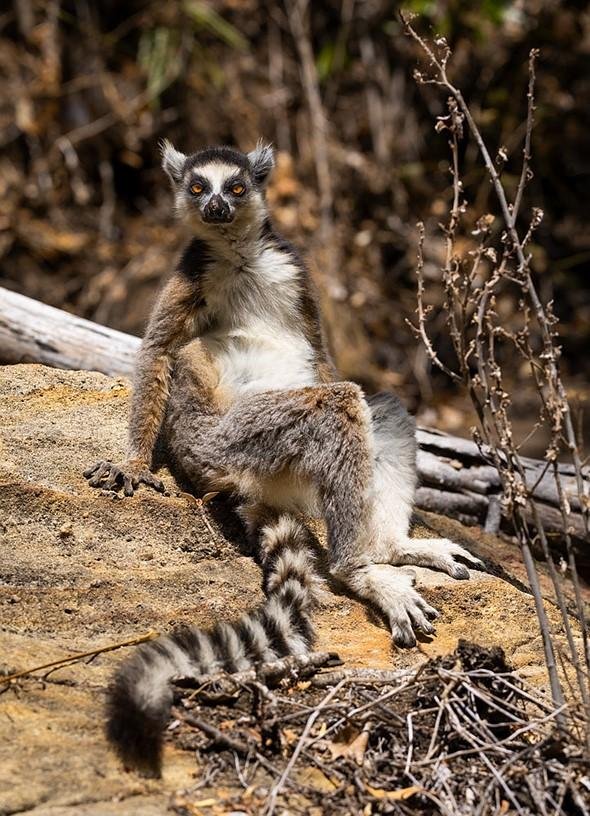
Madagascar is unlike anywhere else on Earth. Separated from mainland Africa for around 88 million years, the world’s fourth-largest island has evolved into one of the planet’s most extraordinary biodiversity hotspots. Around 90% of its wildlife is found nowhere else, making Madagascar a dream destination for nature lovers, photographers, hikers, and adventurous travelers seeking landscapes and wildlife unlike any other destination.
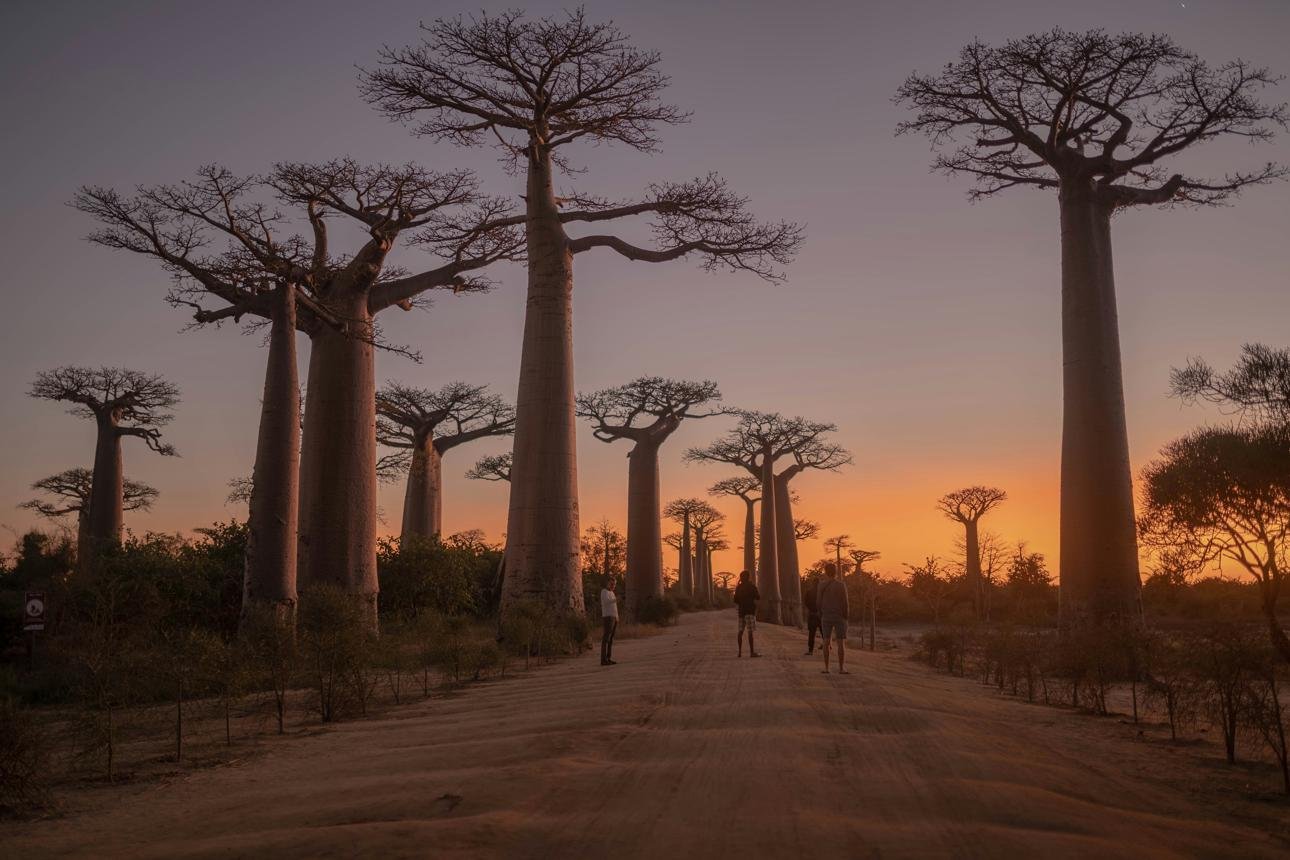
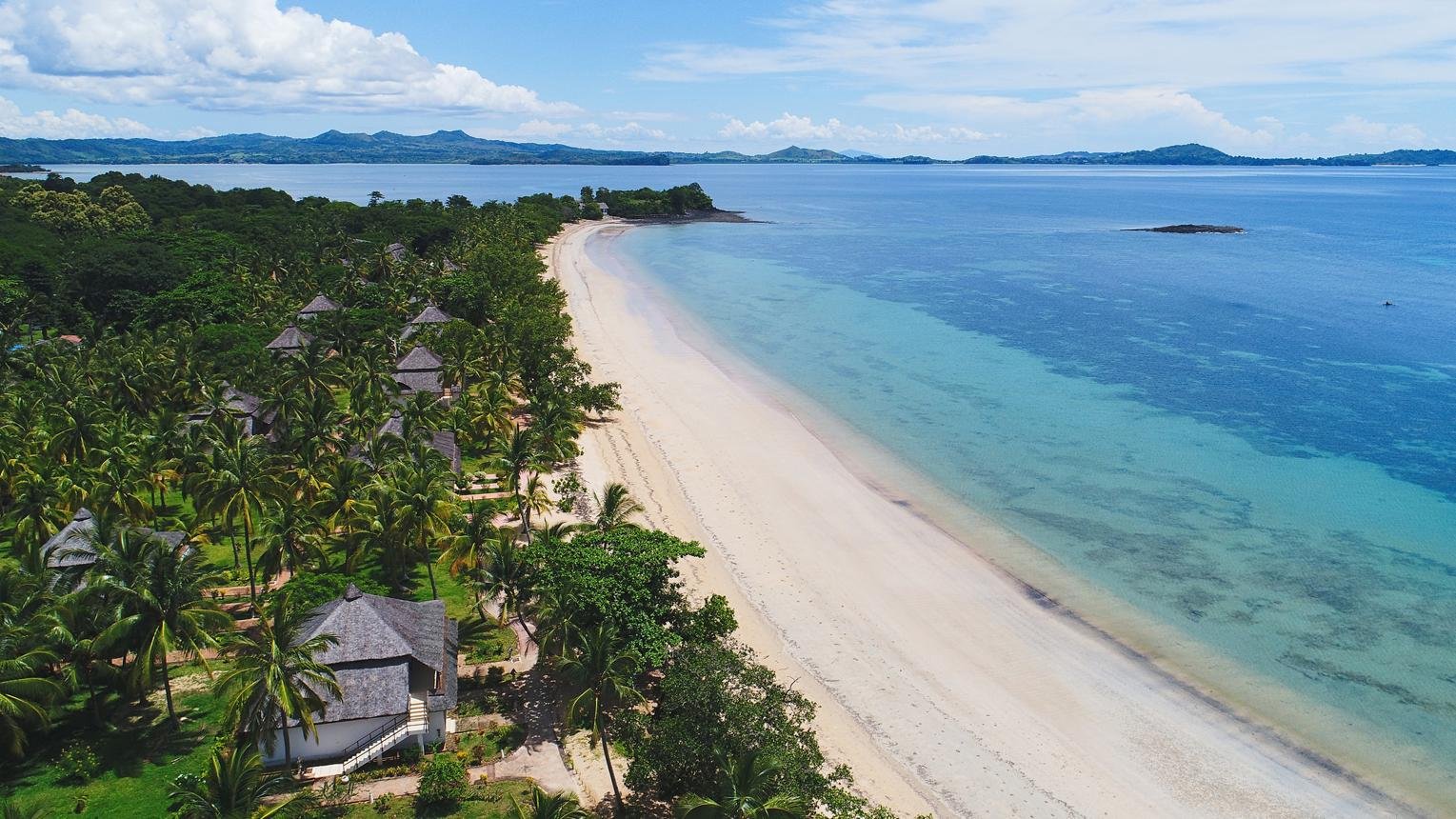
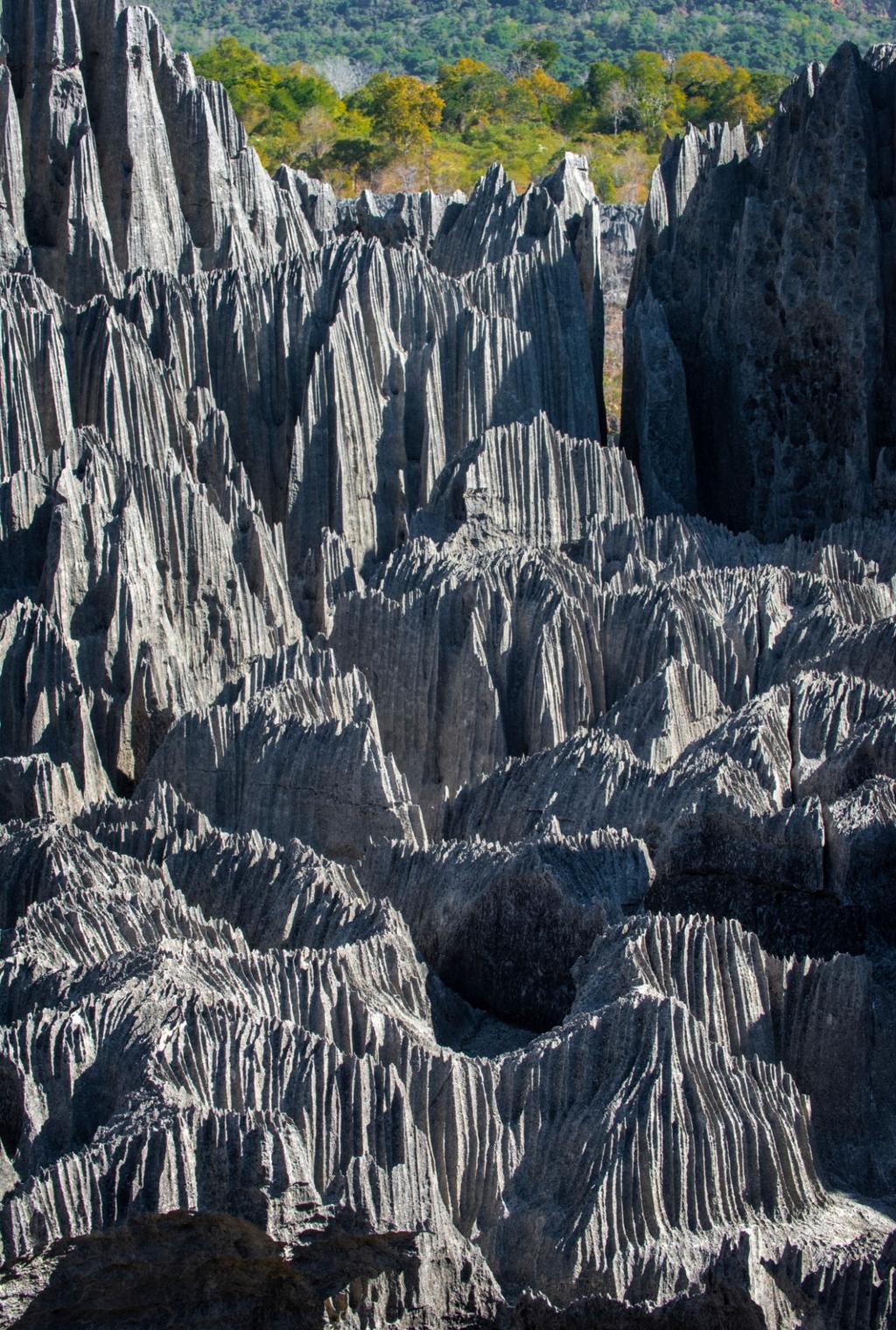
Stretching more than 1,500 kilometers (930 miles) along the Indian Ocean, Madagascar offers an astonishing diversity of scenery. Visitors can explore tropical rainforests alive with lemurs and chameleons, hike through dramatic sandstone canyons, discover towering limestone pinnacles known as tsingy, relax on palm-fringed beaches, dive coral reefs, or drive through avenues lined with centuries-old baobab trees.
Beyond its natural wonders, Madagascar is rich in culture. Its people reflect a fascinating blend of African and Southeast Asian ancestry, creating traditions, cuisine, architecture, and languages that are unique in Africa. Bustling markets, colorful festivals, fishing villages, and friendly communities add another dimension to every journey across the island.
Madagascar is also an exceptional destination for road trips. Although travel can be slow due to the island’s size and road conditions, the journey is often as memorable as the destination. Expedition travelers explore remote national parks, coastal villages, mountain plateaus, and wildlife reserves connected by scenic highways and adventurous dirt tracks.
For overlanders, Madagascar presents one of the world’s great island expeditions. Backpackers appreciate the affordable accommodation, welcoming guesthouses, and endless hiking opportunities, while RV travelers and self-drive adventurers enjoy the freedom to discover remote regions at their own pace.
This guide introduces Madagascar’s highlights while serving as the cornerstone travel hub for future in-depth articles covering overlanding, backpacking, camping, driving, national parks, visas, transportation, and destination-specific travel planning.
Quick Facts
| Item | Information |
|---|---|
| Capital | Antananarivo |
| Currency | Malagasy Ariary (MGA) |
| Official Languages | Malagasy and French |
| Population | Approximately 32 million |
| Time Zone | UTC+3 |
| Driving | Right-hand side |
| Country Code | +261 |
Why Visit Madagascar?
Madagascar offers one of the world’s most distinctive travel experiences.
Reasons to visit include:
- Endemic lemurs
- Avenue of the Baobabs
- Tsingy de Bemaraha
- Isalo National Park
- Rainforests
- Nosy Be
- Whale watching
- Coral reefs
- Chameleons
- Scenic road trips
- Hiking
- Unique island culture
Few destinations combine extraordinary wildlife, dramatic landscapes, and authentic cultural experiences on such a large scale.
Best Places to Visit
7
Antananarivo
Often called “Tana,” the capital is built across a series of hills overlooking rice terraces and historic neighborhoods.
Highlights include:
- Royal Palace
- Markets
- Museums
- Colonial architecture
- Local restaurants
It serves as the gateway to the rest of Madagascar.
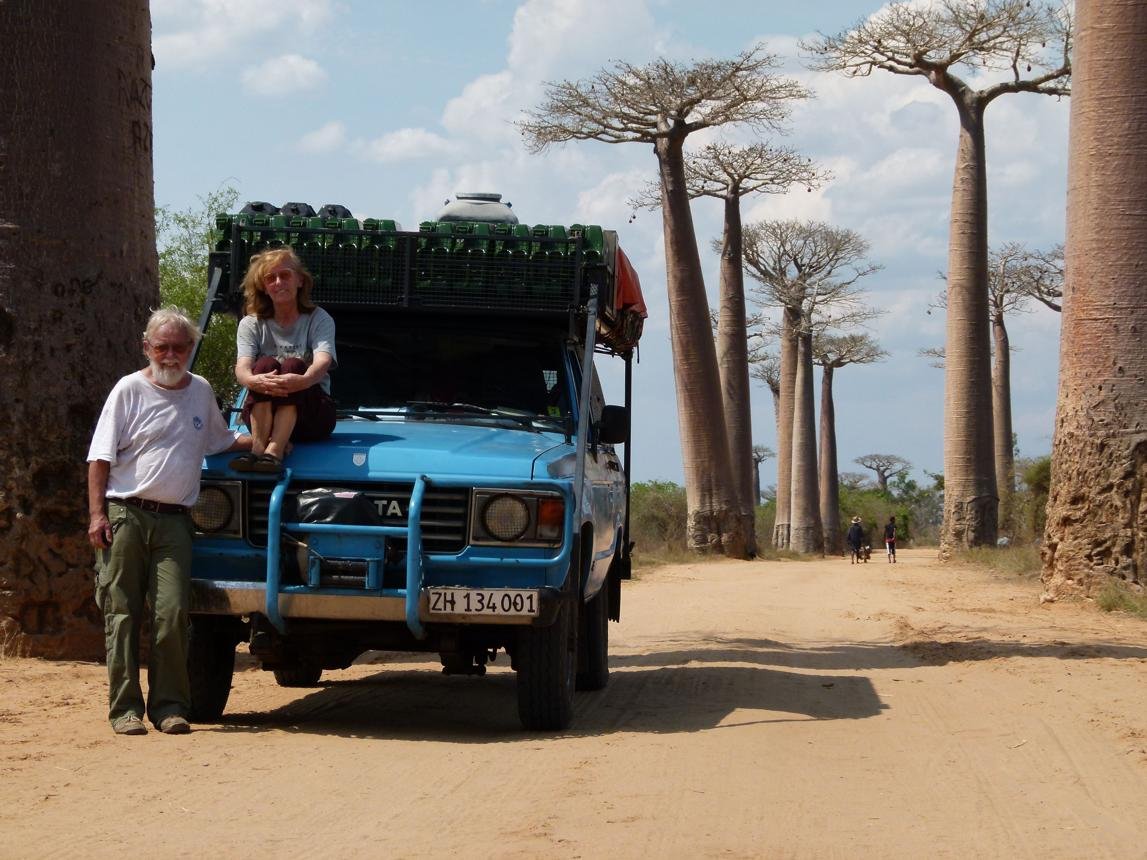
Avenue of the Baobabs
One of Africa’s most iconic landscapes, this dirt road lined with towering baobab trees is especially spectacular at sunrise and sunset.
Photography is the main attraction, although nearby villages provide insight into rural Malagasy life.
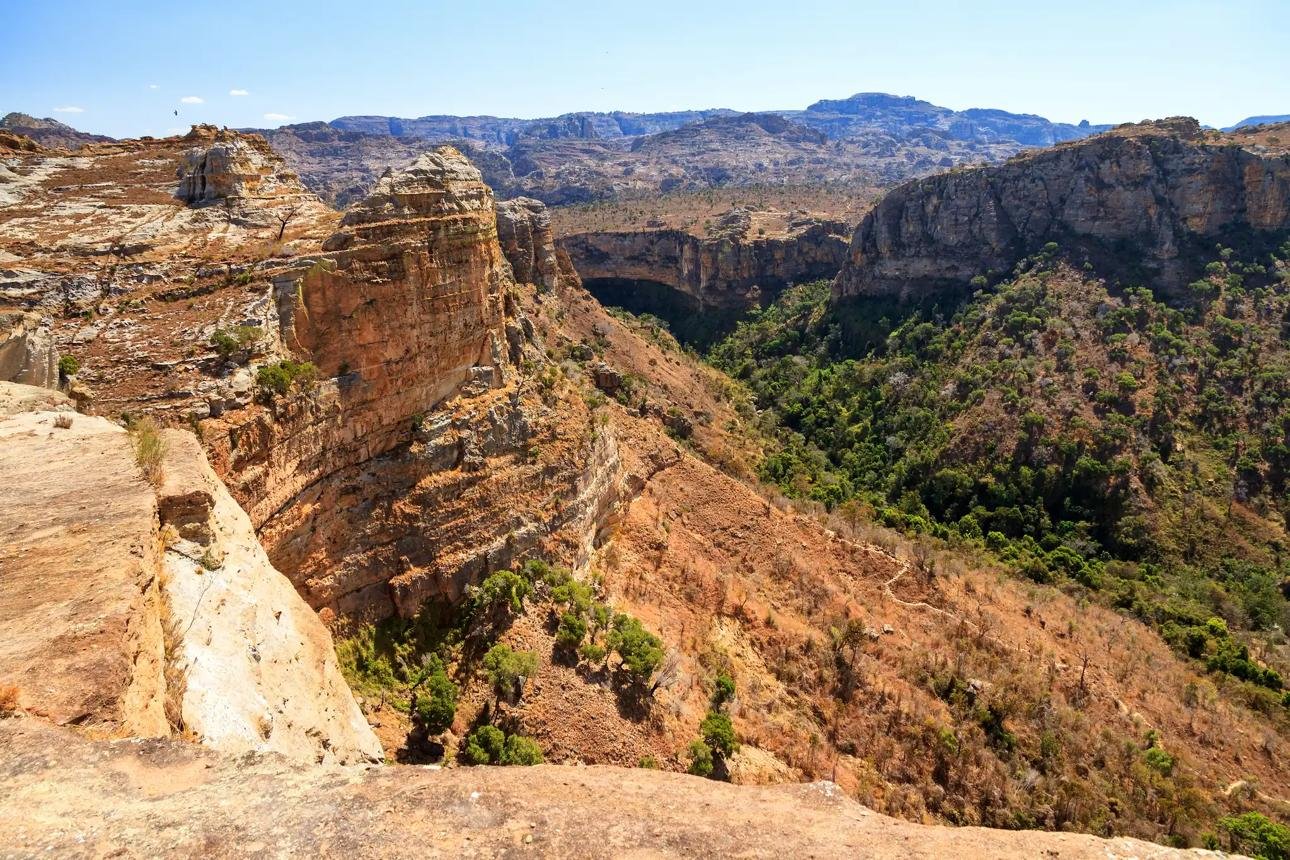
Isalo National Park
Isalo is famous for:
- Sandstone canyons
- Natural swimming pools
- Hiking trails
- Rock formations
- Ring-tailed lemurs
The park is one of Madagascar’s premier trekking destinations.
Tsingy de Bemaraha National Park
A UNESCO World Heritage Site protecting dramatic limestone pinnacles.
Visitors experience:
- Suspension bridges
- Hiking
- Caves
- Unique wildlife
- Extraordinary geology
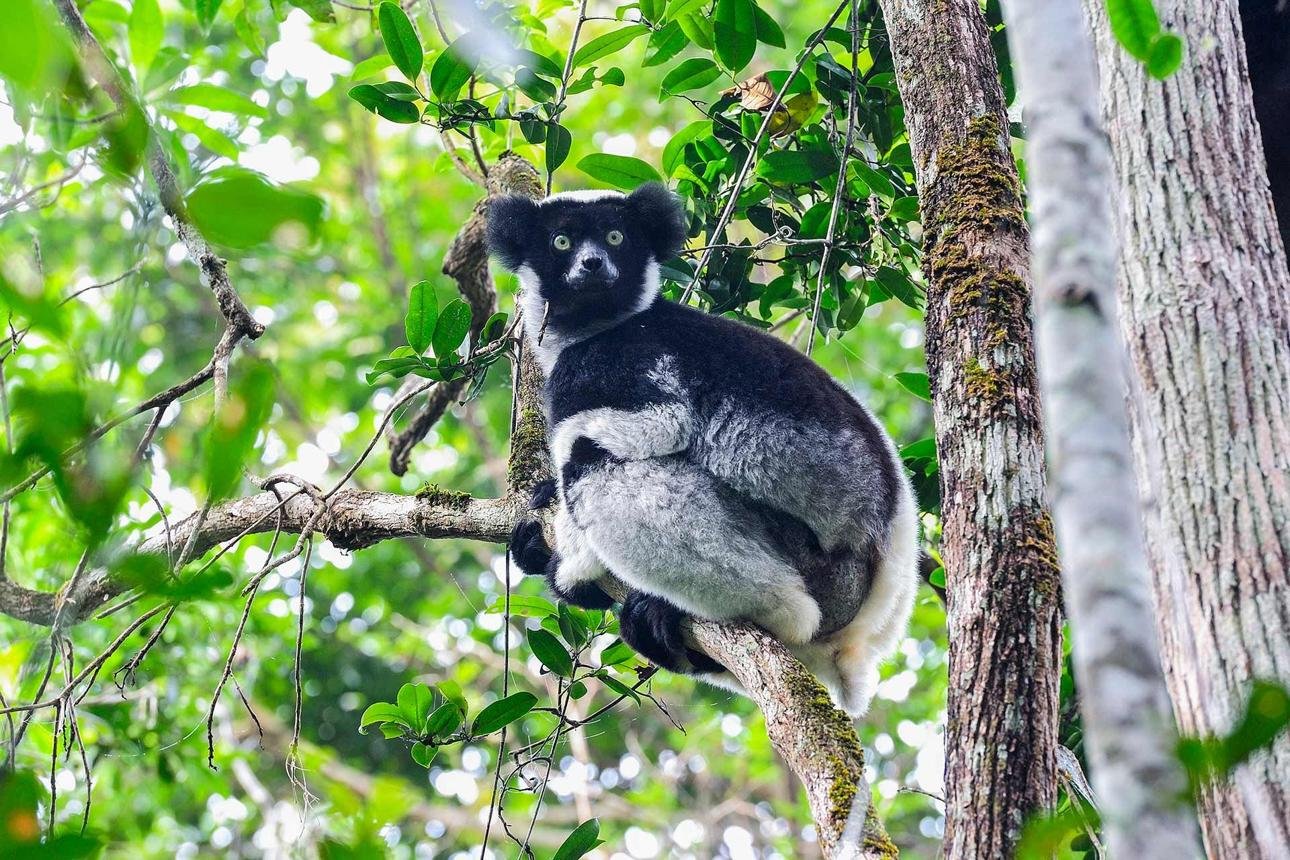
Andasibe-Mantadia National Park
Located east of Antananarivo, this rainforest protects:
- Indri lemurs
- Chameleons
- Frogs
- Orchids
- Rich birdlife
Night walks provide opportunities to observe nocturnal wildlife.
Ranomafana National Park
Known for:
- Dense rainforest
- Rare lemurs
- Waterfalls
- Hiking
- Biodiversity
Nosy Be
Madagascar’s best-known island resort offers:
- White-sand beaches
- Diving
- Snorkeling
- Whale watching (seasonal)
- Island hopping
Île Sainte-Marie (Nosy Boraha)
This peaceful island is renowned for:
- Humpback whale watching
- Pirate history
- Beaches
- Coral reefs
Ifaty & Mangily
Located along the southwest coast, these villages offer:
- Coral reefs
- Diving
- Relaxed beaches
- Baobab forests
Best Time to Visit
Madagascar’s climate varies by region.
| Season | Conditions |
|---|---|
| April – November | Dry season, ideal for road trips and hiking |
| December – March | Rainy season, cyclones possible |
| July – September | Peak whale watching |
| September – November | Excellent wildlife viewing |
The dry season generally provides the most reliable travel conditions across the island.
Regions of Madagascar
Central Highlands
Home to:
- Antananarivo
- Rice terraces
- Highlands
- Historic towns
Eastern Rainforest
Known for:
- Andasibe
- Ranomafana
- Rainforests
- Lemurs
Western Madagascar
Features:
- Baobabs
- Tsingy
- Dry forests
Southern Madagascar
Offers:
- Isalo
- Spiny forests
- Desert landscapes
Northern Madagascar
Known for:
- Nosy Be
- Amber Mountain
- Montagne d’Ambre
- Tropical forests
Suggested Road Trips & Itineraries
One-Week Madagascar Highlights
Explore:
- Antananarivo
- Andasibe
- Antsirabe
Ideal for first-time visitors.
Two-Week Southern Adventure
Continue to:
- Ranomafana
- Isalo
- Ifaty
One of Madagascar’s classic road trips.
Three-Week Wildlife Expedition
Visit:
- Avenue of the Baobabs
- Tsingy
- Kirindy Forest
- Morondava
Four-Week Grand Madagascar Journey
Combine:
- Highlands
- Rainforests
- National parks
- Beaches
- Islands
Perfect for independent travelers and overlanders.
Overlanding in Madagascar
6
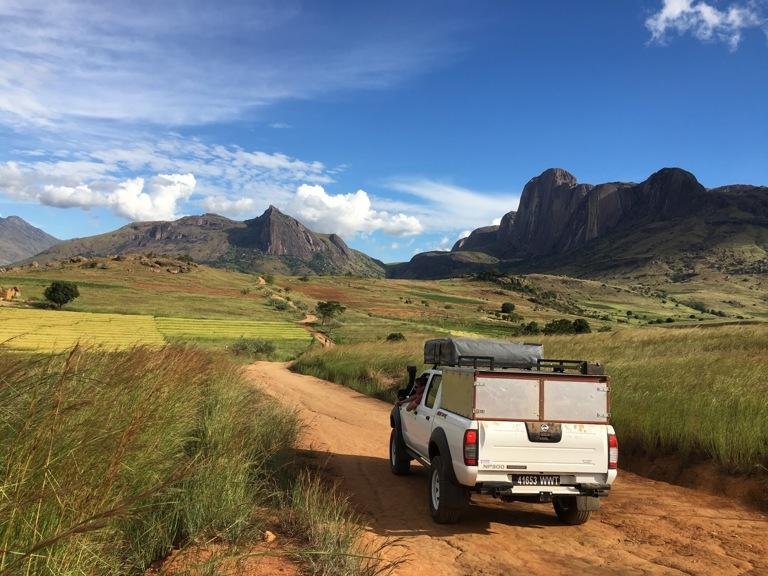
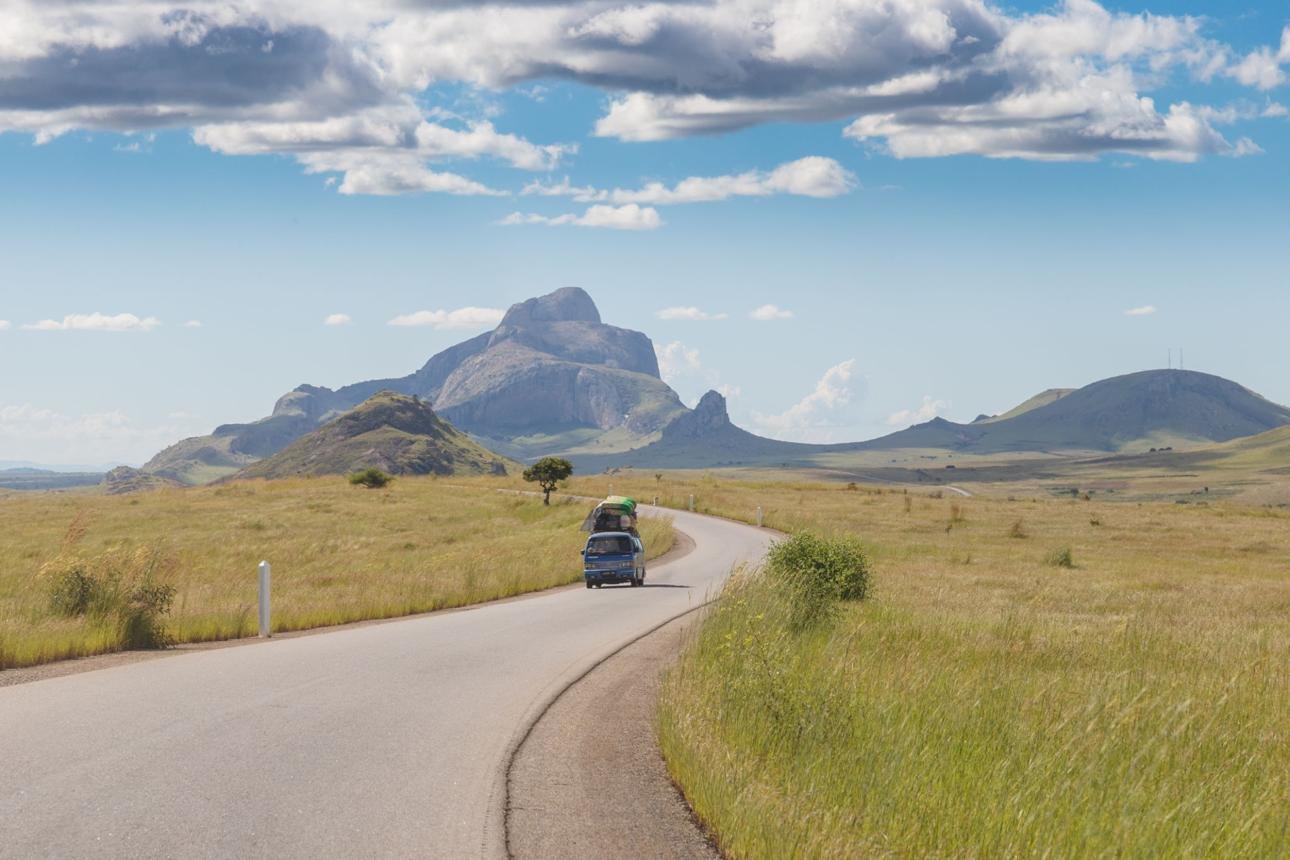
Madagascar offers one of the world’s most unique overlanding experiences.
Why Overlanders Visit
Highlights include:
- Diverse ecosystems
- Remote villages
- Scenic highways
- National parks
- Baobabs
- Mountain landscapes
- Authentic cultural encounters
The island rewards slow travel and adventurous route planning.
Popular Overland Routes
RN7 (Route Nationale 7)
Madagascar’s most famous road trip links Antananarivo with the southwest.
Highlights include:
- Antsirabe
- Ranomafana
- Fianarantsoa
- Isalo
- Toliara
Western Explorer
Antananarivo → Morondava → Avenue of the Baobabs → Tsingy
Northern Circuit
Antananarivo → Diego Suarez (Antsiranana) → Amber Mountain → Nosy Be
Road Conditions
Travelers encounter:
- Paved highways
- Rough secondary roads
- Dirt tracks
- River crossings
- Seasonal washouts
A four-wheel-drive vehicle is recommended for many remote regions and western routes.
Vehicle Preparation
Carry:
- Spare tires
- Recovery gear
- Extra fuel
- Water supplies
- Offline navigation
- Spare vehicle parts
Distances can be deceptive, and travel times are often much longer than expected.
Continue Planning
Future supporting pages:
- Overlanding Madagascar
- RN7 Road Trip Guide
- Madagascar Ferry Guide
- Madagascar National Parks
Backpacking in Madagascar
Madagascar is one of Africa’s most rewarding backpacking destinations.
Accommodation
Travelers can choose from:
- Backpacker hostels
- Guesthouses
- Eco-lodges
- Beach bungalows
- Family-run hotels
Budget accommodation is available in most tourist regions.
Transportation
Popular travel options include:
- Taxi-brousse (shared minibuses)
- Domestic flights
- Ferries
- Rental vehicles
- Organized tours
Long travel times are common because of road conditions.
Backpacking Highlights
Popular experiences include:
- Lemur tracking
- Hiking
- Diving
- Whale watching
- Beaches
- National parks
Continue Planning
Future cluster pages:
- Backpacking Madagascar
- Budget Travel Madagascar
- Antananarivo Backpacking Guide
- Nosy Be Guide
Camping
Camping provides access to many of Madagascar’s most spectacular natural areas.
National Parks
Camping opportunities exist in:
- Isalo
- Andringitra
- Tsingy
- Selected reserves
Facilities vary from basic campsites to organized eco-camps.
Beach Camping
Some coastal regions offer camping near beaches, particularly around the southwest coast, where permitted.
Wild Camping
Wild camping is generally not recommended without local knowledge or permission because of land ownership, security considerations, and environmental protection rules.
Camping Equipment
Bring:
- Tent
- Sleeping bag
- Cooking equipment
- Water purification system
- Mosquito protection
Continue Planning
Future guides:
- Camping in Madagascar
- Best Campsites in Madagascar
- National Park Camping Guide
RV & Motorhome Travel
Madagascar is well suited to expedition-style camper travel for experienced self-drive travelers.
Suggested RV Routes
RN7 Explorer
Antananarivo → Antsirabe → Isalo → Toliara
Western Baobab Route
Antananarivo → Morondava → Tsingy
Northern Discovery
Antananarivo → Antsiranana → Amber Mountain
Practical Considerations
Motorhome travelers benefit from:
- Scenic highways
- Growing tourism infrastructure
- Memorable campsites
- Diverse landscapes
Large motorhomes may find remote secondary roads challenging, particularly during the rainy season.
Continue Planning
Future supporting guides:
- Motorhome Travel in Madagascar
- RV Routes in Madagascar
- Campervan Guide Madagascar
Driving in Madagascar
Driving offers exceptional freedom but requires patience.
Main Roads
Important highways connect:
- Antananarivo
- Antsirabe
- Fianarantsoa
- Toliara
- Toamasina
Road quality varies significantly outside major routes.
Driving Challenges
Expect:
- Potholes
- Slow traffic
- River crossings
- Seasonal flooding
- Livestock
- Long travel days
Driving after dark is generally discouraged because of poor road conditions, limited lighting, and increased safety risks.
Entry Points
As an island nation, Madagascar has no land borders.
International visitors arrive via:
- International airports
- Passenger ferries from selected regional destinations when available
- Cruise ships
Vehicle travelers typically ship vehicles by sea before beginning an overland journey on the island. Ferry availability and shipping schedules can change, so always verify current transport options well in advance.
Visa & Entry Requirements
Many visitors can obtain a visa on arrival or apply for an electronic visa, depending on nationality and length of stay.
Travelers should prepare:
- Passport valid for at least six months
- Visa or eVisa if required
- Proof of accommodation
- Return or onward travel
- Evidence of sufficient funds if requested
Always verify current immigration requirements before departure.
Budget & Costs
Estimated daily travel expenses:
| Travel Style | Daily Budget |
|---|---|
| Budget traveler | US$25–60 |
| Mid-range | US$100–200 |
| Comfortable | US$300+ |
| Overlander (excluding vehicle costs) | US$50–120 |
Transportation can represent a significant portion of the budget because of long travel distances and slow road conditions.
Safety
Madagascar is generally welcoming, but travelers should remain aware of local conditions.
Travelers should:
- Monitor official travel advisories
- Take precautions against petty theft in cities
- Avoid unnecessary driving after dark
- Use licensed guides in national parks
- Stay informed about weather conditions during cyclone season
Comprehensive travel insurance is strongly recommended for trekking, diving, and remote travel.
Food & Culture
Madagascar’s cuisine reflects African, Asian, French, and Indian influences.
Popular dishes include:
- Romazava
- Ravitoto
- Grilled seafood
- Zebu beef
- Coconut-based dishes
- Fresh tropical fruit
- Rice served with most meals
Traditional music, dance, weaving, wood carving, and local markets offer excellent opportunities to experience the island’s rich cultural heritage.
Frequently Asked Questions
Is Madagascar safe for tourists?
Most visits are trouble-free, particularly in established tourist areas. Travelers should monitor official travel advice, take sensible precautions, and avoid driving after dark.
Can you overland through Madagascar?
Yes. Madagascar is one of the world’s most rewarding overlanding destinations, offering spectacular road trips, unique wildlife, and exceptional landscapes. Due to road conditions, many routes are best suited to well-prepared four-wheel-drive vehicles.
Is Madagascar suitable for backpacking?
Absolutely. Madagascar offers affordable accommodation, extraordinary wildlife, scenic hiking, beautiful beaches, and excellent opportunities for independent travel.
Can you travel by motorhome?
Yes. Expedition-style RV travel is possible on many routes, particularly along RN7 and other major highways, although remote regions require careful planning.
What is Madagascar famous for?
Madagascar is renowned for:
- Lemurs
- Avenue of the Baobabs
- Tsingy de Bemaraha
- Isalo National Park
- Chameleons
- Nosy Be
- Rainforests
- Endemic wildlife
Continue Planning
This cornerstone guide serves as the central travel hub for Madagascar. Continue planning your adventure with these detailed resources:
- Overlanding Madagascar
- Backpacking Madagascar
- Motorhome & RV Travel in Madagascar
- Camping in Madagascar
- Driving in Madagascar
- Madagascar Visa Guide
- RN7 Road Trip Guide
- Avenue of the Baobabs Guide
- Isalo National Park Guide
- Tsingy de Bemaraha Guide
- Andasibe-Mantadia National Park Guide
- Ranomafana National Park Guide
- Nosy Be Travel Guide
- Île Sainte-Marie Guide
- Antananarivo Travel Guide
- Madagascar Wildlife Guide
- Best Beaches in Madagascar
- Overlanding in Madagascar
- Getting around in Madagascar