Tropical Beaches, Volcanic Landscapes, Waterfalls & Polynesian Culture
6
Samoa Travel Guide
Samoa is one of the South Pacific’s most beautiful and culturally distinctive island destinations. Located in Polynesia between Hawaii and New Zealand, the country combines volcanic mountains, lush rainforests, spectacular waterfalls, turquoise lagoons, coral reefs, and traditional villages with one of the strongest surviving Polynesian cultures in the Pacific.
The country consists primarily of two large inhabited islands, Upolu and Savai’i, together with several smaller islands and islets. Most international visitors arrive on Upolu, where the capital Apia provides the main gateway to Samoa. From there, travelers can explore the island’s beaches, waterfalls, volcanic landscapes, villages, and cultural attractions before crossing to Savai’i by ferry.
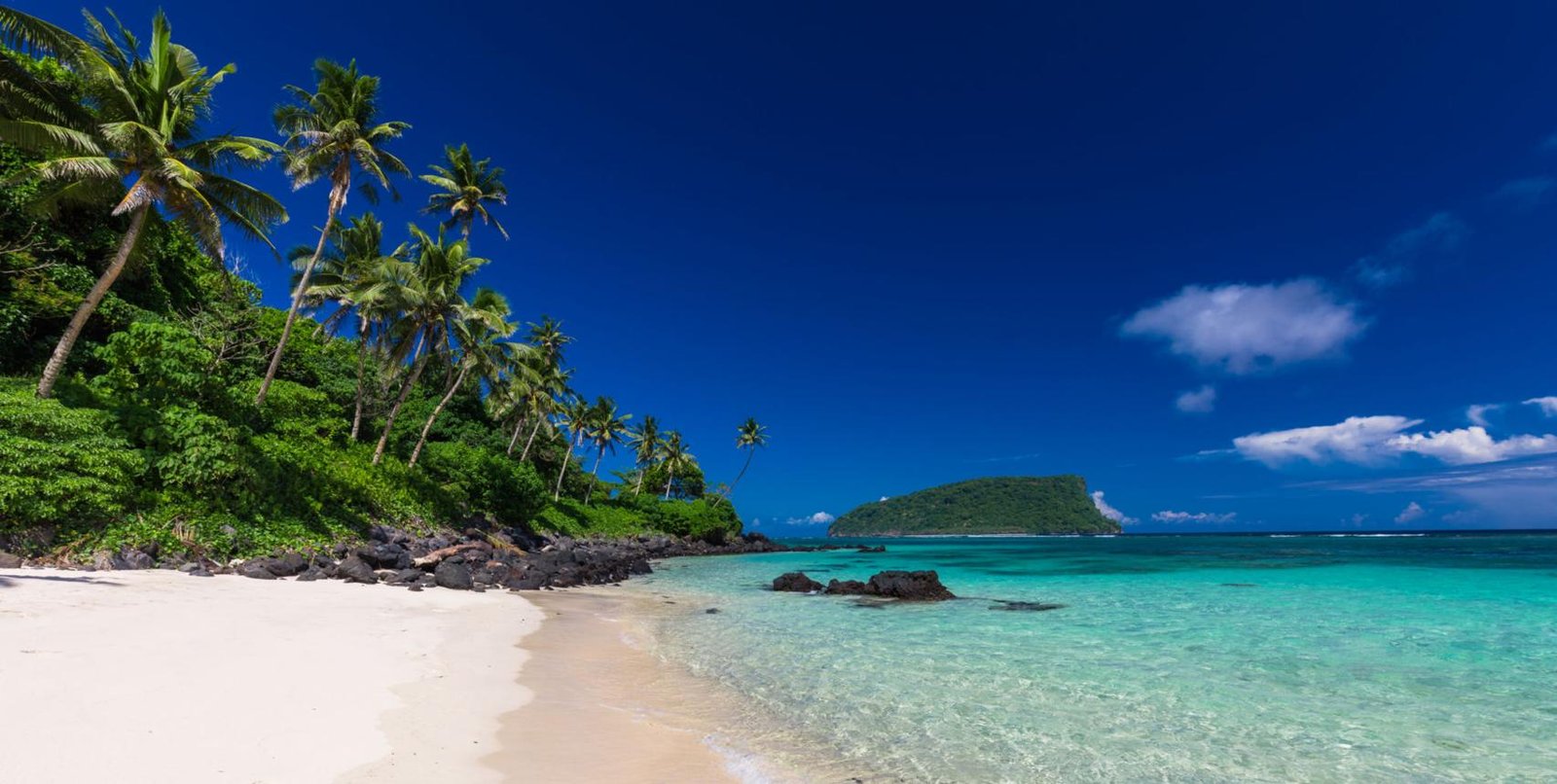
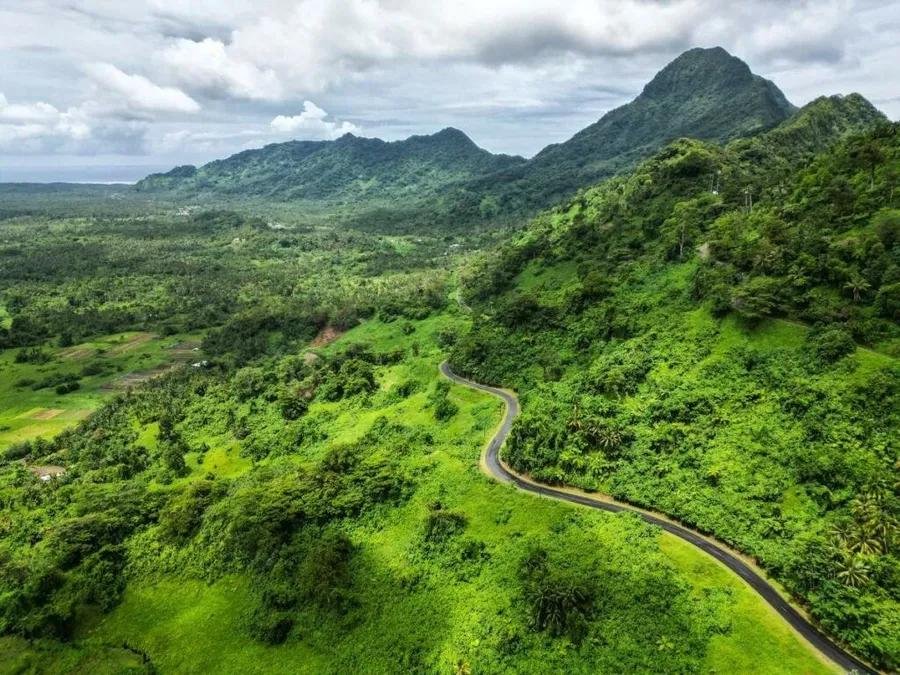
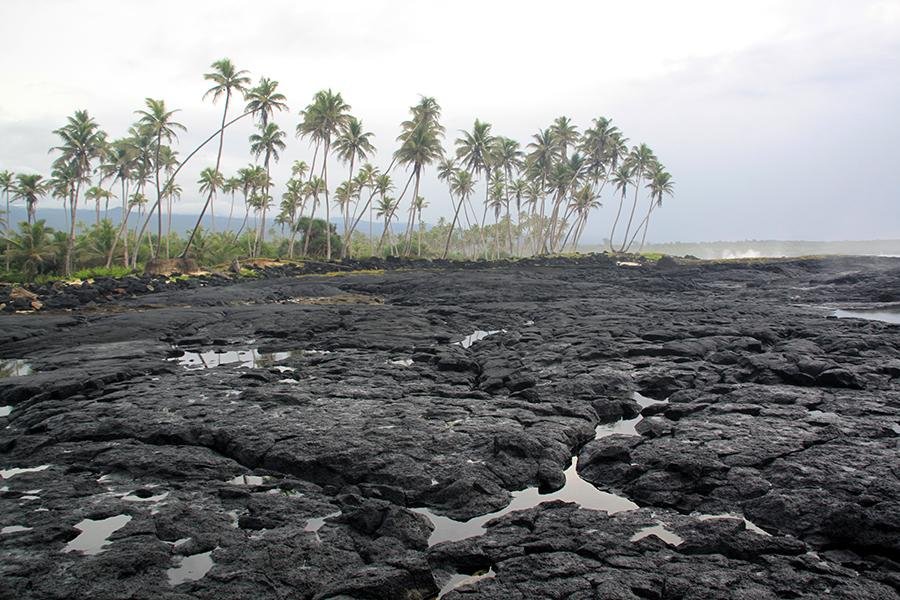
Samoa’s natural scenery is spectacular. Volcanic mountains rise from the ocean, their slopes covered with dense tropical vegetation. Along the coast are coral reefs, lava formations, hidden coves, and beaches shaded by coconut palms. Inland, rivers flow through rainforest valleys and plunge into swimming holes and waterfalls.
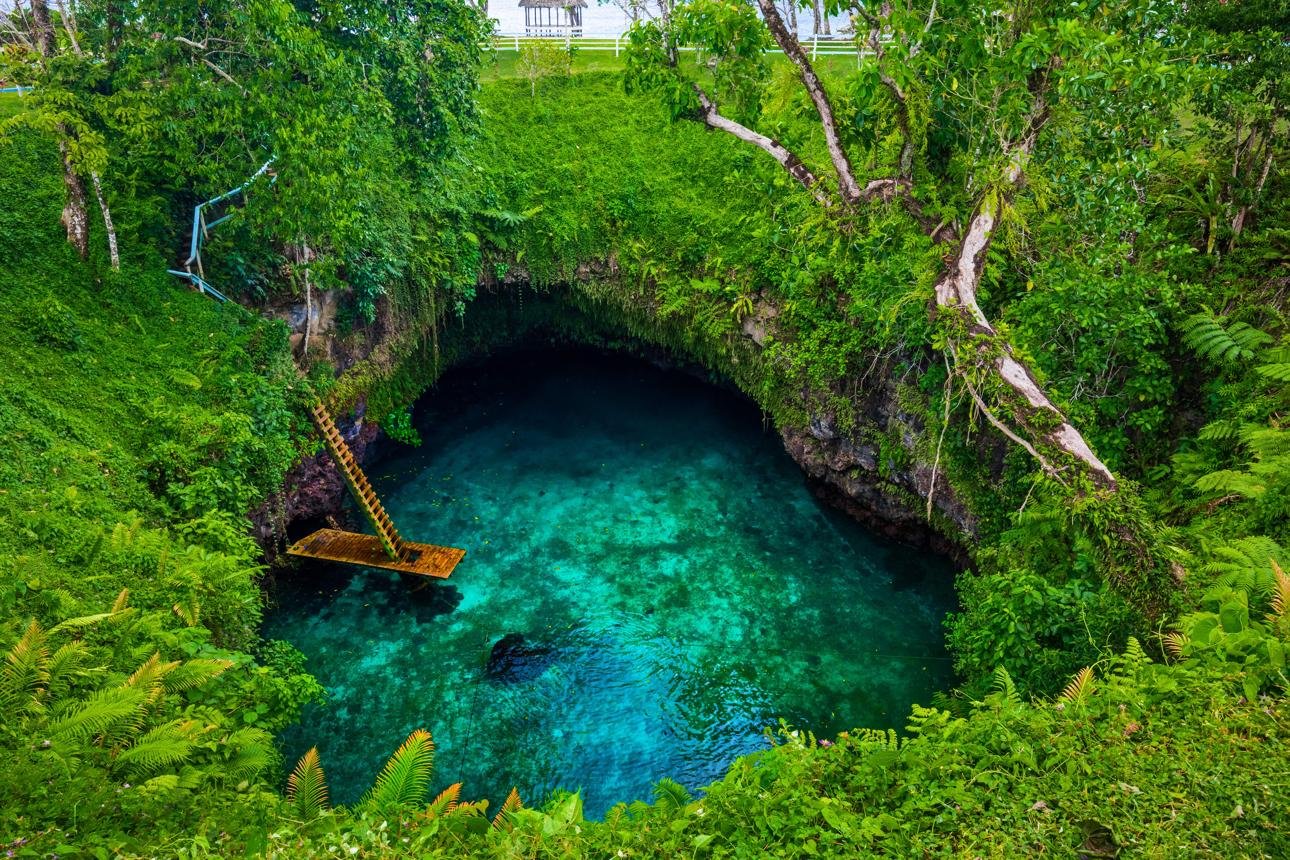
One of Samoa’s most famous attractions is the To Sua Ocean Trench, a remarkable natural swimming hole surrounded by lush vegetation. Other highlights include Piula Cave Pool, Papase’ea Sliding Rocks, Togitogiga Waterfall, Saleaula Lava Fields, and the Alofaaga Blowholes.
Samoa is equally remarkable for its culture. The traditional fa’a Samoa, or Samoan way of life, remains central to everyday society. Villages are organized around extended families and traditional leadership, and the fale, an open-sided traditional house, remains a characteristic feature of many communities. Visitors can experience local food, dance, music, ceremonies, and village life, but should always respect local customs.
For road trippers, Samoa is an excellent destination. Both Upolu and Savai’i can be explored by car, with coastal roads connecting beaches, villages, waterfalls, and viewpoints. Campervan and RV infrastructure is limited, but independent road travel is straightforward compared with many remote Pacific islands.
Samoa is particularly rewarding for travelers who want a combination of beaches and adventure rather than a purely resort-based holiday.
This guide covers the most important destinations, islands, scenic drives, backpacking, camping, RV travel, hiking, diving, culture, and practical information for planning a trip to Samoa.
Quick Facts
| Item | Information |
|---|---|
| Capital | Apia |
| Currency | Samoan Tala (WST) |
| Official Languages | Samoan and English |
| Population | Approximately 220,000 |
| Time Zone | UTC+13 |
| Driving | Left-hand side |
| Country Code | +685 |
Why Visit Samoa?
Samoa offers a remarkable combination of Polynesian culture and tropical landscapes.
Highlights include:
- Upolu
- Savai’i
- Apia
- To Sua Ocean Trench
- Lalomanu Beach
- Saleaula Lava Fields
- Alofaaga Blowholes
- Piula Cave Pool
- Papase’ea Sliding Rocks
- Waterfalls
- Volcanic landscapes
- Coral reefs
- Traditional villages
Samoa is particularly attractive to beach travelers, road trippers, hikers, photographers, divers, and visitors interested in Polynesian culture.
Best Places to Visit
6
Apia
Apia is Samoa’s capital and principal urban center.
Highlights include:
- Robert Louis Stevenson Museum
- Apia Market
- Palolo Deep Marine Reserve
- Immaculate Conception Cathedral
- Waterfront
- Cultural attractions
Apia is a good base for exploring the northern and central parts of Upolu.
To Sua Ocean Trench
One of Samoa’s most iconic natural attractions.
The huge volcanic formation contains deep turquoise seawater surrounded by tropical vegetation.
Visitors can:
- Swim
- Take photographs
- Explore the gardens
- Enjoy coastal scenery
Lalomanu Beach
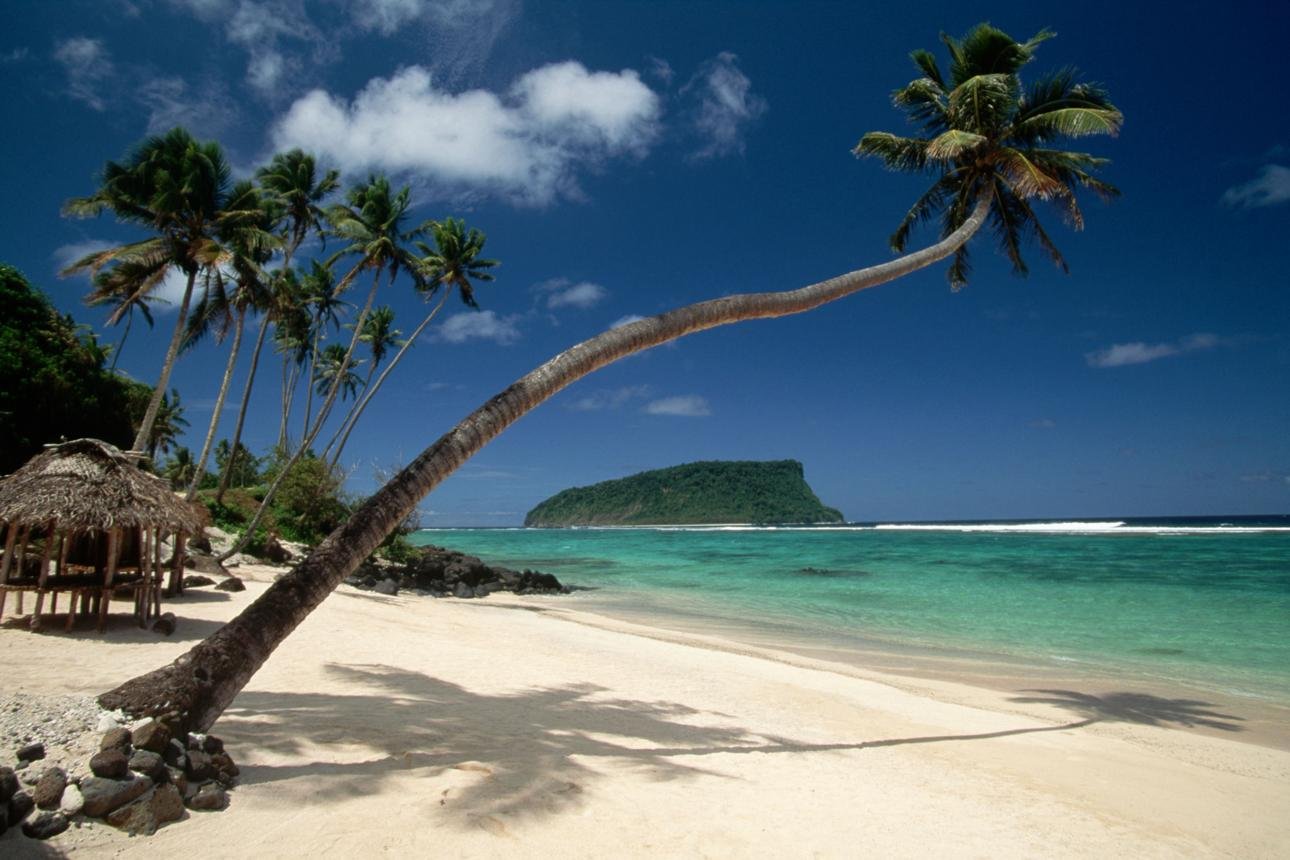
Located on the southeastern coast of Upolu, Lalomanu is one of Samoa’s most famous beaches.
Known for:
- White sand
- Clear lagoon
- Palm trees
- Traditional beach fales
- Snorkeling
Piula Cave Pool
A natural freshwater swimming pool located beside the coast.
The cave and surrounding tropical landscape make it one of Upolu’s most attractive swimming locations.
Papase’ea Sliding Rocks
Natural smooth rock formations create a series of freshwater swimming areas near Apia.
Visitors can slide down the rocks into the pools.
Togitogiga Waterfall
Located near the southern coast of Upolu, this waterfall offers natural swimming pools surrounded by lush vegetation.
Savai’i
Savai’i is Samoa’s largest island and generally feels quieter and more rural than Upolu.
Highlights include:
- Saleaula Lava Fields
- Alofaaga Blowholes
- Mount Matavanu
- Coastal villages
- Beaches
- Rainforest
A circular road allows travelers to explore much of the island.
Saleaula Lava Fields
A fascinating volcanic landscape created by historic eruptions of Mount Matavanu.
Visitors can see:
- Lava fields
- Collapsed lava formations
- Vegetation reclaiming volcanic rock
- Historic church ruins
Alofaaga Blowholes
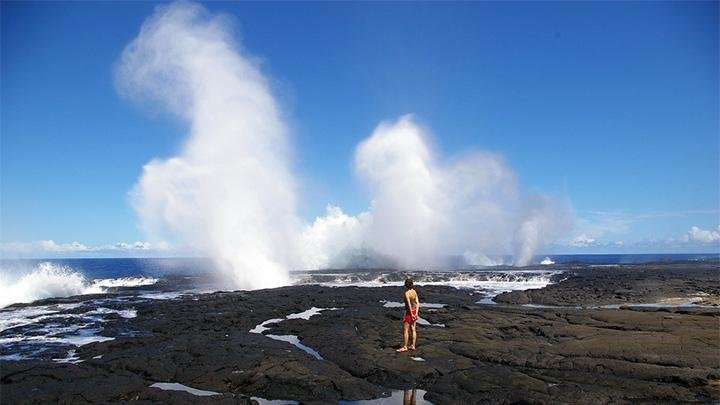
Powerful waves are forced through lava tubes, creating spectacular jets of seawater.
The blowholes are one of Savai’i’s most famous attractions.
Best Time to Visit
Samoa has a tropical climate.
| Season | Conditions |
|---|---|
| May–October | Drier and generally more comfortable |
| November–April | Wetter and more humid |
| June–September | Excellent beach and hiking conditions |
| December–March | Higher rainfall and tropical storm risk |
The dry season is generally the best period for road trips, hiking, and outdoor activities.
Regions of Samoa
Upolu
Home to:
- Apia
- To Sua Ocean Trench
- Lalomanu
- Waterfalls
- Most tourism infrastructure
Savai’i
Known for:
- Volcanoes
- Lava fields
- Blowholes
- Rainforests
- Remote villages
Smaller Islands
Includes:
- Manono
- Apolima
These provide quieter and more traditional island experiences.
Suggested Itineraries
5-Day Samoa Highlights
Day 1 – Apia
Explore the capital and local markets.
Day 2 – Central Upolu
Visit waterfalls and natural swimming pools.
Day 3 – To Sua & Lalomanu
Explore the southern coast.
Day 4 – Upolu Coastal Drive
Continue around the island.
Day 5 – Apia
Enjoy the city before departure.
One-Week Samoa Road Trip
Apia → To Sua → Lalomanu → Upolu south coast → Ferry to Savai’i → Saleaula → Alofaaga → Savai’i coast
This is an excellent introduction to Samoa.
Two-Week Samoa Explorer
With two weeks, include:
- Apia
- Upolu coastal circuit
- Savai’i
- Manono
- Additional waterfalls
- Hiking
- Snorkeling
- Village experiences
This allows considerably more time to explore the islands at a relaxed pace.
Overlanding in Samoa
6
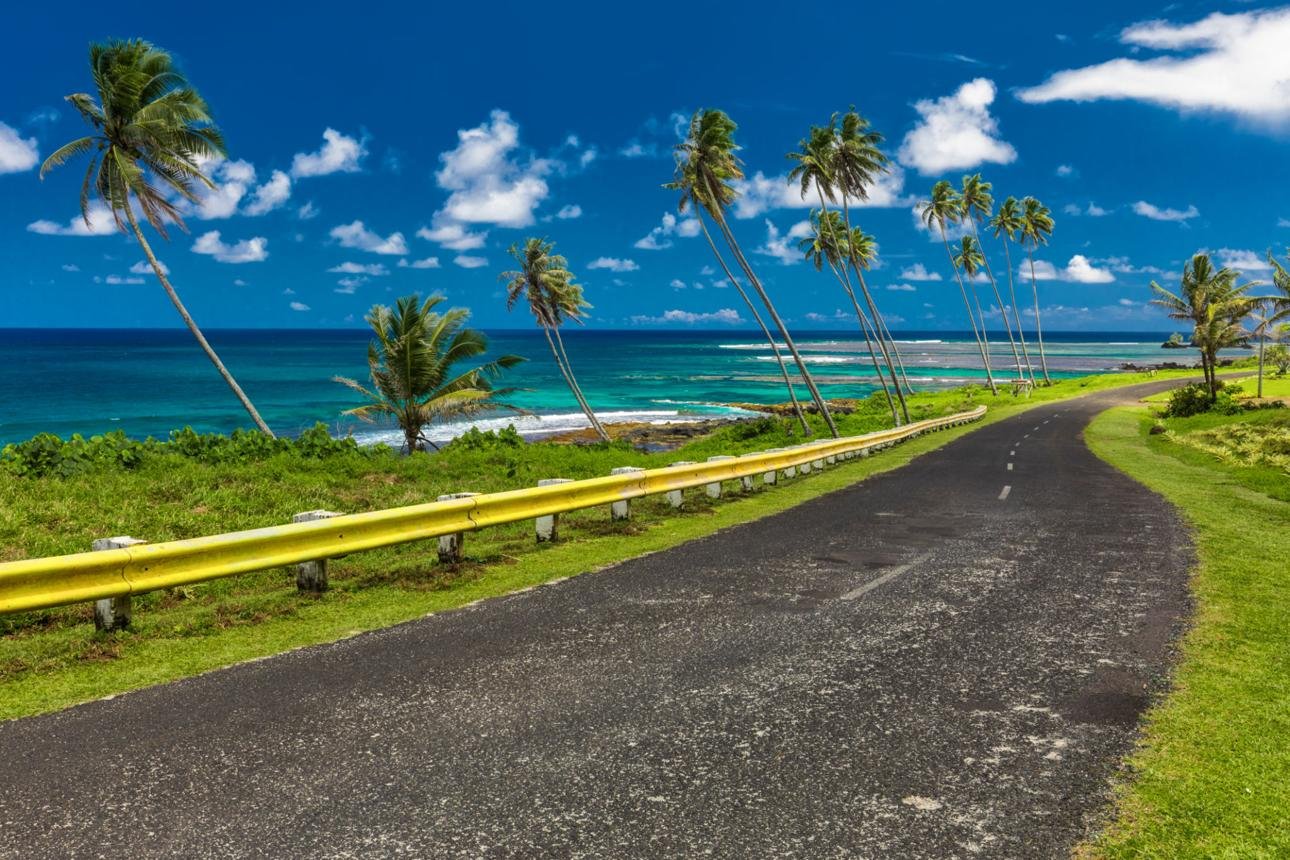
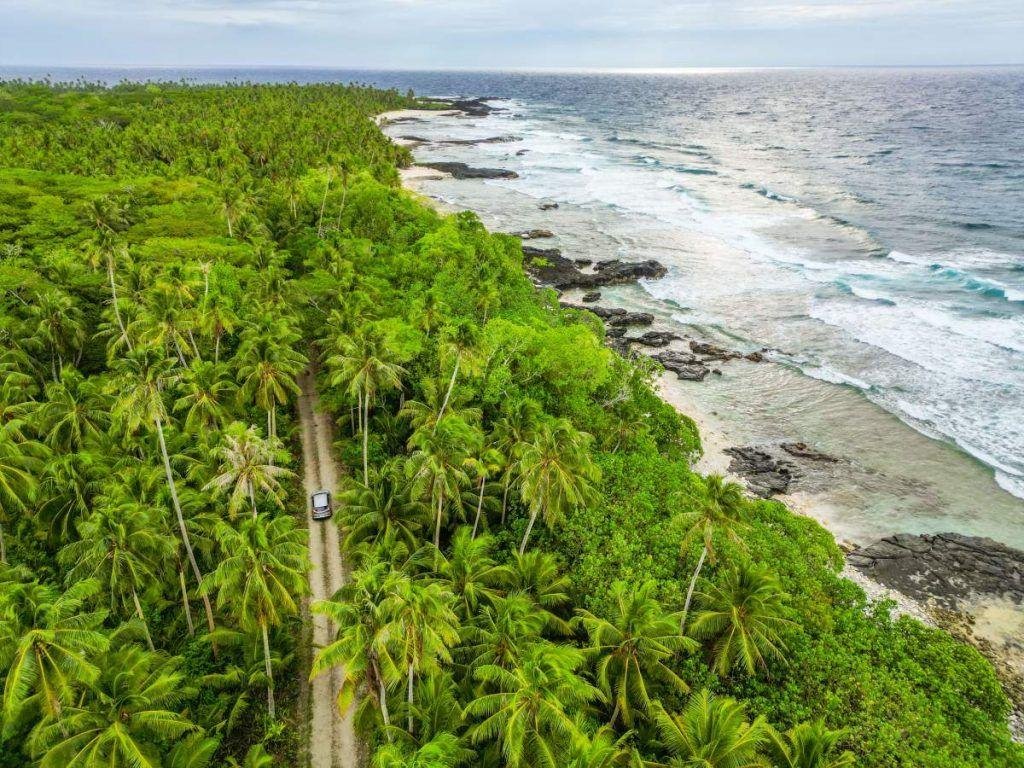
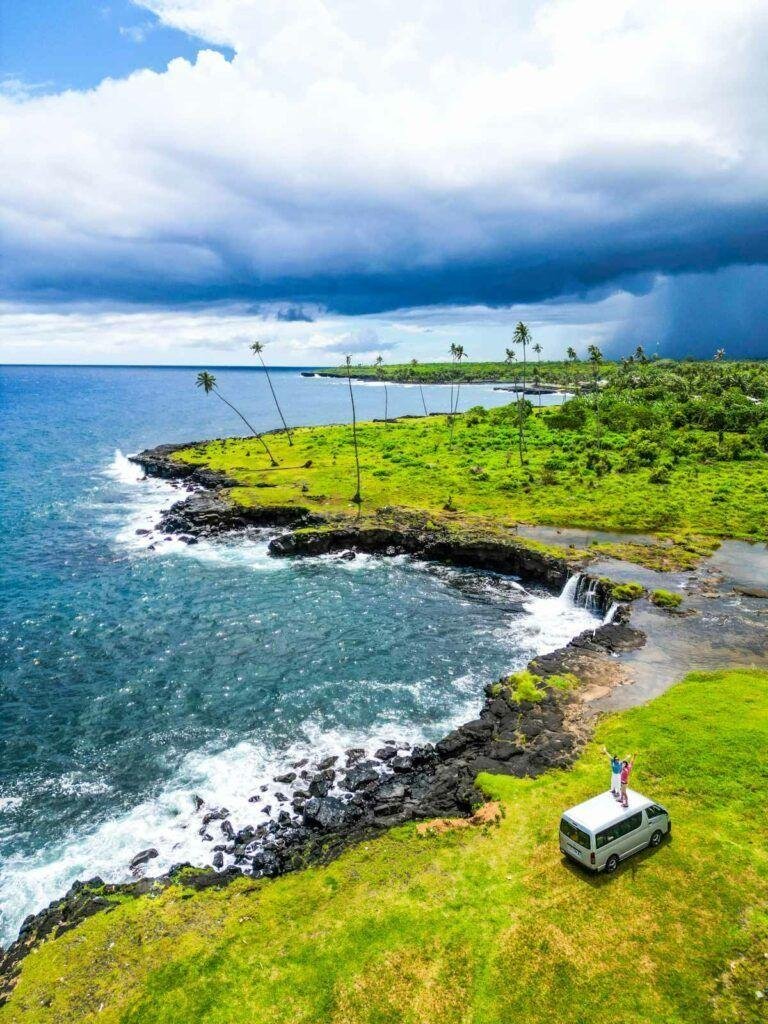
Samoa is one of the more accessible Pacific island destinations for independent road travel. The main islands are small enough to explore by vehicle, and coastal roads provide access to many beaches, villages, waterfalls, and cultural sites.
Traditional continental-style overlanding is impossible because Samoa is an island nation, but vehicle-based exploration works extremely well once you arrive.
Upolu Coastal Circuit
Apia → East Coast → Lalomanu → South Coast → West Coast → Apia
This is Samoa’s classic road trip.
Highlights include:
- Beaches
- Waterfalls
- Villages
- Lava landscapes
- Scenic viewpoints
Savai’i Circumnavigation
The main coastal road allows travelers to make a long circular journey around the island.
Stops include:
- Saleaula
- Alofaaga
- Traditional villages
- Beaches
- Rainforest
Road Conditions
Main roads are generally paved.
Expect:
- Coastal roads
- Narrow village roads
- Speed bumps
- Occasional potholes
- Steep secondary roads
Driving is generally straightforward, although local traffic and pedestrians require attention.
Backpacking in Samoa
Samoa is suitable for independent backpackers, although accommodation and transportation options are less extensive than in Southeast Asia.
Accommodation
Options include:
- Hostels
- Guesthouses
- Beach fales
- Small hotels
- Resorts
Traditional beach fales are one of the most distinctive accommodation options.
Transportation
Travel using:
- Local buses
- Taxis
- Rental cars
- Ferries
Local buses are inexpensive and provide an authentic way to travel around Upolu and Savai’i.
Backpacking Highlights
- Apia
- Lalomanu
- To Sua
- Savai’i
- Beach fales
- Waterfalls
Camping in Samoa
Camping is possible in some locations, but Samoa does not have a large campground network.
Beach Fales
Traditional beach fales provide an excellent alternative to conventional camping. These open-sided structures are often located directly beside beaches.
Wild Camping
Travelers should not assume they can camp anywhere. Much land is privately or communally owned, so permission should be obtained before camping outside established accommodation.
RV & Motorhome Travel
Samoa has limited motorhome infrastructure.
A small campervan could potentially be useful, but travelers should not expect:
- Large RV parks
- Extensive dump stations
- Specialized motorhome services
Rental cars are generally more practical.
Because the islands are compact, there is also little advantage to bringing a large motorhome.
Driving in Samoa
Samoa drives on the left-hand side of the road.
This changed in 2009, when Samoa switched from driving on the right to driving on the left.
Things to Know
- Roads can be narrow.
- Villages often have speed restrictions.
- Pedestrians and animals may be present.
- Some roads are steep.
- Rain can make surfaces slippery.
Allow plenty of time for coastal drives because frequent stops are part of the experience.
Inter-Island Transportation
The main connection between Upolu and Savai’i is the ferry from the Mulifanua area of Upolu to Salelologa on Savai’i.
The crossing is an important part of a Samoa road trip.
Travelers taking rental vehicles should confirm whether their rental company permits vehicles to be transported on the ferry.
Manono and Apolima are reached by boat.
Border Crossings
Samoa has no international land borders.
International visitors arrive mainly through Faleolo International Airport on Upolu.
The country is relatively isolated, so onward international travel normally requires air connections.
Visa & Entry Requirements
Entry requirements depend on nationality.
Many visitors can enter Samoa without a visa for short tourist stays, while some travelers require prior authorization.
Before departure, check:
- Passport validity
- Entry permission
- Maximum stay
- Onward travel requirements
- Immigration procedures
Requirements can change, so travelers should verify the latest information before departure.
Budget & Costs
Samoa is moderately priced by South Pacific standards.
| Travel Style | Approximate Daily Budget |
|---|---|
| Backpacker | US$50–90 |
| Mid-range | US$120–220 |
| Comfortable | US$300+ |
| Campervan/RV | US$70–140 |
Traditional beach fales can provide relatively affordable accommodation.
Beaches
Samoa has countless beautiful beaches, particularly along the southern coast of Upolu.
Popular destinations include:
- Lalomanu
- Aganoa
- Return to Paradise Beach
- Salamumu
- Manase
- Falealupo
Many beaches are associated with local villages, so visitors should respect local access rules and customs.
Diving & Snorkeling
Samoa has healthy coral reef environments and clear tropical waters.
Popular activities include:
- Snorkeling
- Reef diving
- Freediving
- Swimming
- Kayaking
Marine life includes:
- Tropical reef fish
- Sea turtles
- Rays
- Reef sharks
- Dolphins
The Palolo Deep Marine Reserve near Apia is a convenient snorkeling location.
Hiking & Waterfalls
Samoa’s volcanic interior provides excellent opportunities for short hikes and nature walks.
Popular attractions include:
- Papase’ea Sliding Rocks
- Togitogiga Waterfall
- Papapapaitai Falls
- Mount Vaea
- O Le Pupu-Pu’e National Park
Hiking conditions can become slippery after rainfall.
Wildlife & Nature
Samoa contains tropical rainforest, volcanic landscapes, wetlands, coral reefs, and coastal ecosystems.
Wildlife includes:
- Fruit bats
- Tropical birds
- Reef fish
- Sea turtles
- Dolphins
- Flying foxes
Marine environments are particularly important to the country’s ecosystem and economy.
Visitors should avoid touching coral or marine animals while snorkeling.
Samoan Culture
The fa’a Samoa remains a fundamental part of life.
Traditional communities are organized around:
- Extended families
- Village chiefs
- Communal responsibilities
- Traditional land ownership
- Cultural ceremonies
The fale is a distinctive open-sided traditional house.
Visitors should dress modestly when visiting villages and follow local instructions concerning photography, swimming, and access to beaches or communal areas.
Sunday is particularly important in Samoan society, and many businesses operate with reduced hours or close entirely.
Food & Drink
Samoan cuisine relies heavily on fresh seafood, tropical fruits, root vegetables, and coconut.
Popular foods include:
- Palusami
- Oka
- Faiai eleni
- Tarō
- Breadfruit
- Fresh fish
- Coconut dishes
- Pork
Traditional food is often prepared in an umu, a Samoan underground or above-ground stone oven.
Visitors should take the opportunity to experience an umu meal when staying at a village or traditional accommodation.
Safety
Samoa is generally a peaceful destination, but travelers should take normal precautions.
Travelers should:
- Respect village customs.
- Follow local swimming advice.
- Take care on wet roads.
- Protect themselves from the tropical sun.
- Keep valuables secure.
- Check weather conditions before boat travel.
- Take care when swimming in natural pools and ocean trenches.
Strong currents and changing sea conditions can make apparently calm coastal areas dangerous.
Frequently Asked Questions
Is Samoa worth visiting?
Absolutely. Samoa offers beautiful beaches, volcanic landscapes, waterfalls, rainforests, coral reefs, and one of the strongest traditional Polynesian cultures in the Pacific.
Is Samoa expensive?
Samoa is moderately priced for the South Pacific. Traditional beach fales and local food can help keep costs lower than in some resort-oriented island destinations.
Is Samoa safe?
Samoa is generally considered a peaceful destination. Visitors should nevertheless respect village customs, take normal precautions, and exercise care around the ocean and natural swimming areas.
Is Samoa good for road trips?
Yes. Upolu and Savai’i can both be explored by car, and the coastal roads provide access to beaches, waterfalls, villages, volcanic landscapes, and cultural attractions.
Can you travel Samoa by campervan?
It is possible to explore Samoa with a small campervan, but dedicated RV infrastructure is limited. Rental cars are generally the easiest option.
Can you camp in Samoa?
Camping opportunities are limited. Traditional beach fales provide a much more common alternative, while camping on private or communal land requires permission.
What are the best places to visit in Samoa?
Major highlights include:
- Apia
- To Sua Ocean Trench
- Lalomanu Beach
- Piula Cave Pool
- Papase’ea Sliding Rocks
- Togitogiga Waterfall
- Savai’i
- Saleaula Lava Fields
- Alofaaga Blowholes
- Manono
How many days do you need in Samoa?
Five days allows a good introduction to Upolu. One week is enough for a classic Upolu and Savai’i road trip, while two weeks allows time for hiking, snorkeling, cultural experiences, and quieter villages.
What is Samoa famous for?
Samoa is best known for:
- Tropical beaches
- To Sua Ocean Trench
- Polynesian culture
- Traditional beach fales
- Volcanic landscapes
- Waterfalls
- Savai’i
- Saleaula Lava Fields
- Alofaaga Blowholes
- Coral reefs
- The fa’a Samoa way of life