Amazon Rainforest, Space Center, Remote Wilderness & Tropical Adventure
7
French Guiana Travel Guide
French Guiana is one of South America’s most unique destinations, where pristine Amazon rainforest meets European infrastructure, tropical beaches, historic penal colonies, and one of the world’s most important spaceports. Although geographically part of South America, French Guiana is an overseas department of France, making it part of the European Union while offering visitors an extraordinary combination of French culture, Amazonian wilderness, and Caribbean influences.
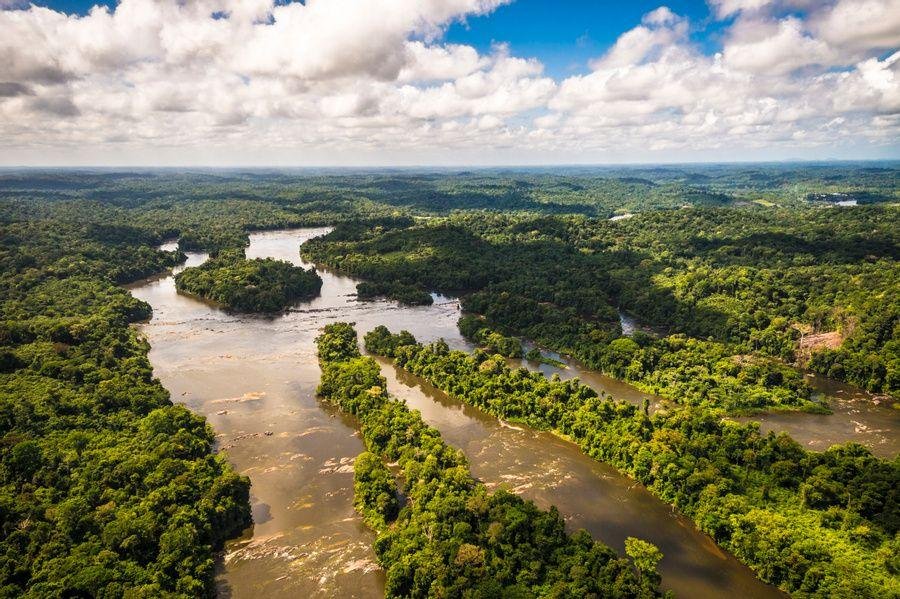
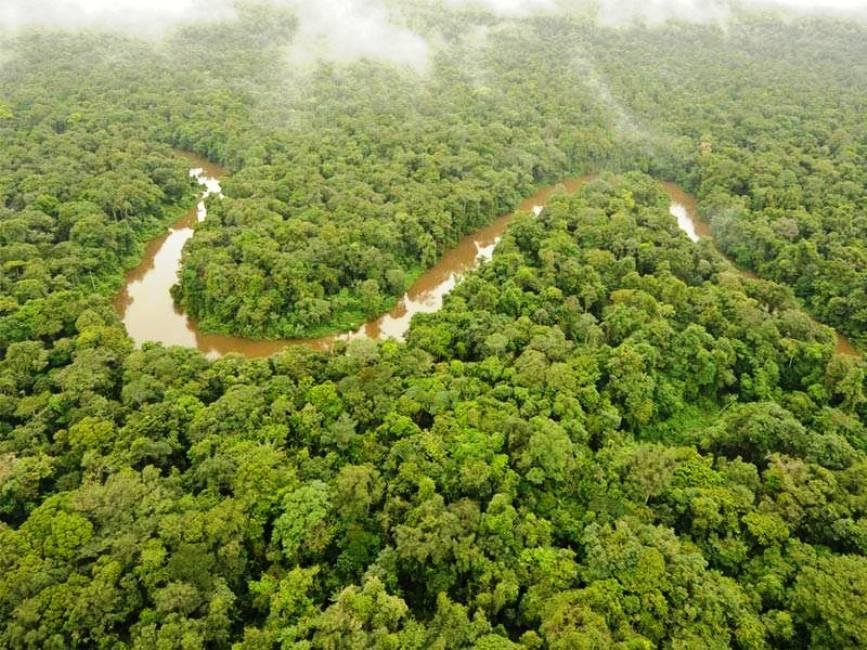
Located on the northeastern coast of South America, French Guiana borders Brazil, Suriname, and the Atlantic Ocean. Covering nearly 84,000 square kilometers, around 95% of the territory is covered by dense tropical rainforest, making it one of the least populated and most untouched regions on the continent. Rivers serve as the primary transportation routes into the interior, where Indigenous communities, remarkable wildlife, and protected forests dominate the landscape.
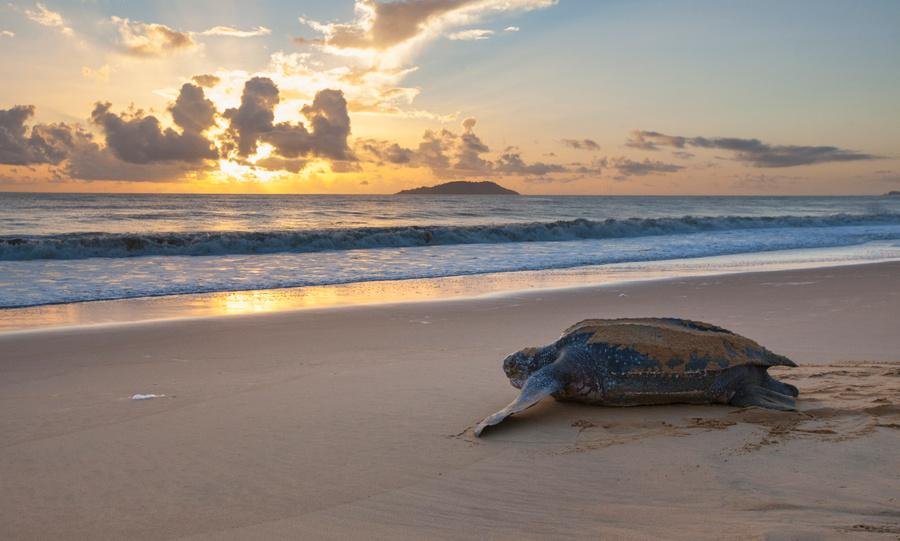
Nature is French Guiana’s greatest attraction. Vast national parks protect one of the world’s richest ecosystems, home to jaguars, giant otters, tapirs, monkeys, sloths, caimans, colorful parrots, macaws, poison dart frogs, and hundreds of bird species. Sea turtles nest along the Atlantic coastline, while countless rivers provide opportunities for canoeing and wildlife observation.
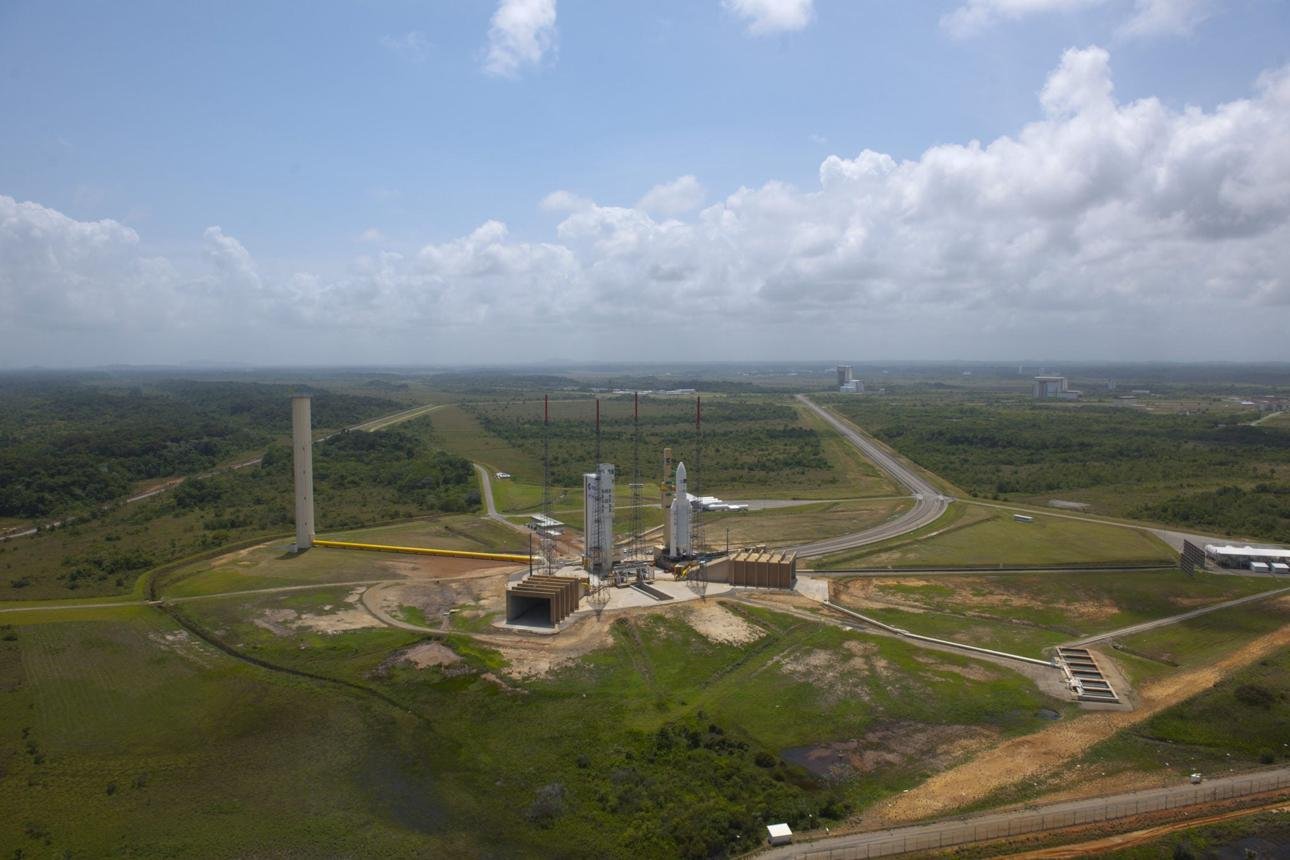
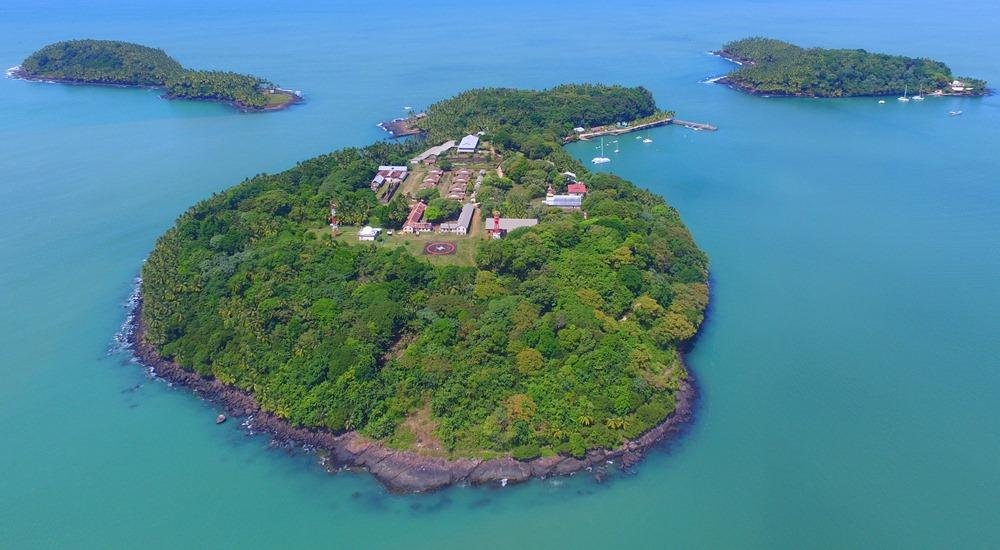
French Guiana also offers fascinating history and modern achievements. Visitors can explore the notorious Devil’s Island prison colony, stroll through colorful colonial towns, and tour the Guiana Space Centre near Kourou, from where many European Ariane, Vega, and Soyuz rockets have been launched. The combination of French cuisine, Creole traditions, Indigenous cultures, and South American biodiversity creates an experience unlike anywhere else.
For adventurous travelers, French Guiana offers outstanding opportunities for rainforest exploration, wildlife photography, river expeditions, hiking, and overland travel. Although tourism remains relatively limited, the country’s excellent roads along the coast and protected wilderness make it a rewarding destination for independent explorers.
This guide covers everything you need to plan an unforgettable journey through French Guiana.
Quick Facts
| Item | Information |
|---|---|
| Capital | Cayenne |
| Currency | Euro (€) |
| Official Language | French |
| Population | Approximately 320,000 |
| Time Zone | UTC−3 |
| Driving | Right-hand side |
| Country Code | +594 |
Why Visit French Guiana?
French Guiana combines Amazon rainforest with European culture.
Highlights include:
- Guiana Space Centre
- Devil’s Island
- Amazon rainforest
- Guiana Amazonian Park
- Cayenne
- Kourou
- Sea turtle nesting
- River expeditions
- Indigenous communities
- Wildlife
- Tropical forests
- Remote adventure
French Guiana is ideal for nature lovers, wildlife enthusiasts, photographers, and adventurous travelers.
Best Places to Visit
6
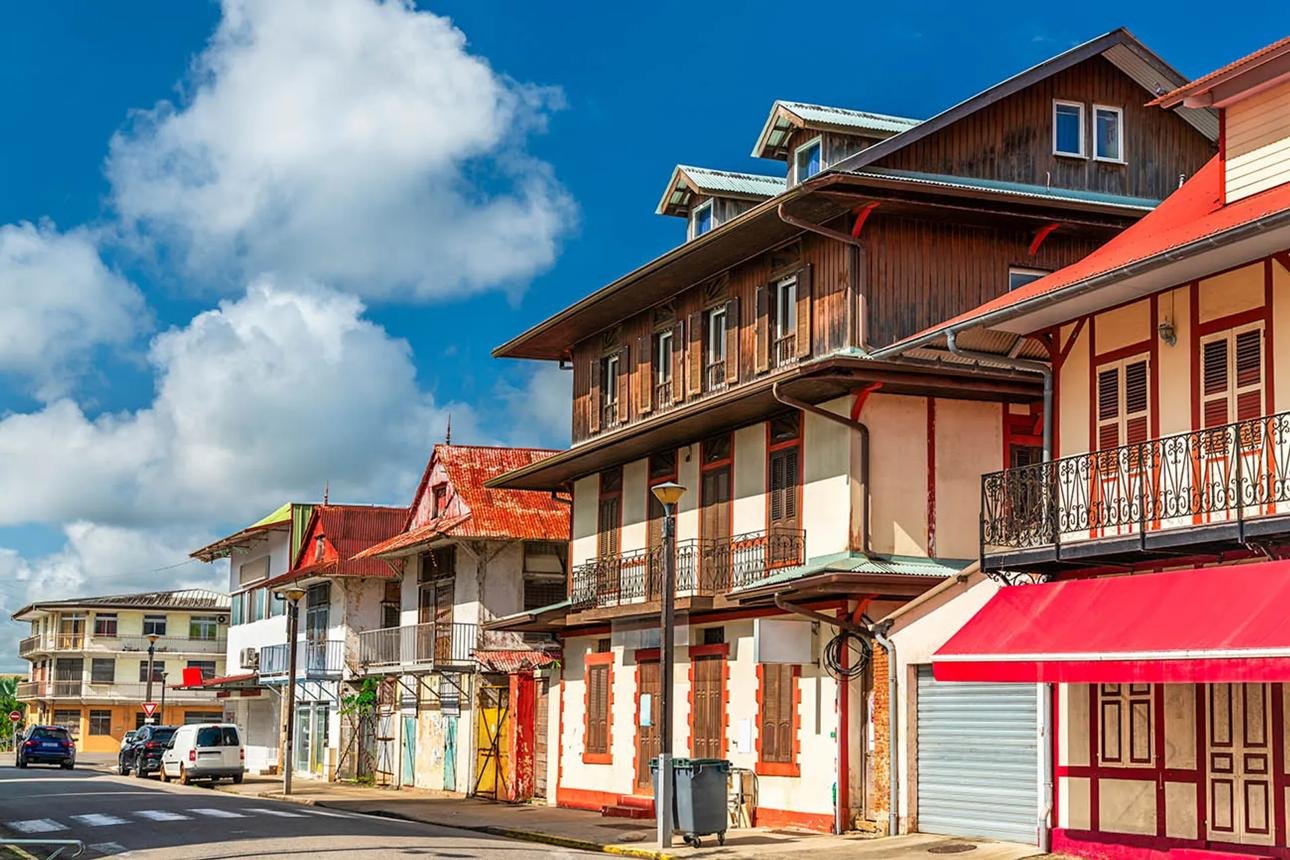
Cayenne
French Guiana’s capital blends French and Creole influences.
Highlights include:
- Place des Palmistes
- Cayenne Market
- Colonial architecture
- Botanical gardens
- Local museums
- Waterfront
- French cafés
The city serves as the country’s cultural and administrative center.
Guiana Space Centre (Kourou)
Europe’s primary spaceport.
Visitors enjoy:
- Guided tours
- Rocket launch facilities
- Space museum
- Observation areas
- Educational exhibits
Rocket launches attract visitors from around the world.
Devil’s Island (Îles du Salut)
One of South America’s most famous historical sites.
Highlights include:
- Former penal colony
- Historic buildings
- Scenic islands
- Wildlife
- Boat excursions
The islands became famous through the story of Henri Charrière’s Papillon.
Guiana Amazonian Park
France’s largest national park protects an immense area of untouched rainforest.
Visitors experience:
- River expeditions
- Wildlife
- Indigenous villages
- Jungle trekking
- Birdwatching
Awala-Yalimapo
One of the world’s most important sea turtle nesting sites.
Known for:
- Leatherback turtles
- Birdwatching
- Coastal scenery
- Indigenous culture
Maroni River
The natural border with Suriname offers:
- River cruises
- Traditional villages
- Rainforest scenery
- Canoe trips
Cacao Village
A unique settlement founded by Hmong refugees.
Visitors enjoy:
- Sunday market
- Asian cuisine
- Tropical gardens
- Nearby hiking trails
Montagne des Singes
A protected forest area near Kourou.
Popular for:
- Monkey watching
- Short hiking trails
- Wildlife photography
Best Time to Visit
French Guiana has a tropical climate.
| Season | Conditions |
|---|---|
| August – November | Drier weather and excellent travel conditions |
| December – July | Tropical rains with varying intensity |
| March – June | Peak rainfall in many regions |
| September – November | Good wildlife viewing and outdoor activities |
The drier months generally provide the best conditions for rainforest exploration.
Regions of French Guiana
Coastal Region
Home to:
- Cayenne
- Kourou
- Major towns
- Atlantic beaches
Central Rainforest
Known for:
- Dense jungle
- Rivers
- Wildlife
- Remote villages
Southern Interior
Features:
- Guiana Amazonian Park
- Indigenous communities
- Untouched rainforest
Western Border
Offers:
- Maroni River
- River transport
- Traditional settlements
Suggested Itineraries
5-Day French Guiana Highlights
Day 1
- Cayenne
Day 2
- Kourou
Day 3
- Devil’s Island
Day 4
- Cacao Village
Day 5
- Montagne des Singes
Perfect for first-time visitors.
One-Week Nature Adventure
Explore:
- Cayenne
- Guiana Space Centre
- Rainforest
- Maroni River
Ideal for combining culture and wildlife.
Two-Week Rainforest Expedition
Travel through:
- Cayenne
- Kourou
- Devil’s Island
- Guiana Amazonian Park
- Interior villages
Perfect for adventurous travelers.
Overlanding in French Guiana
6
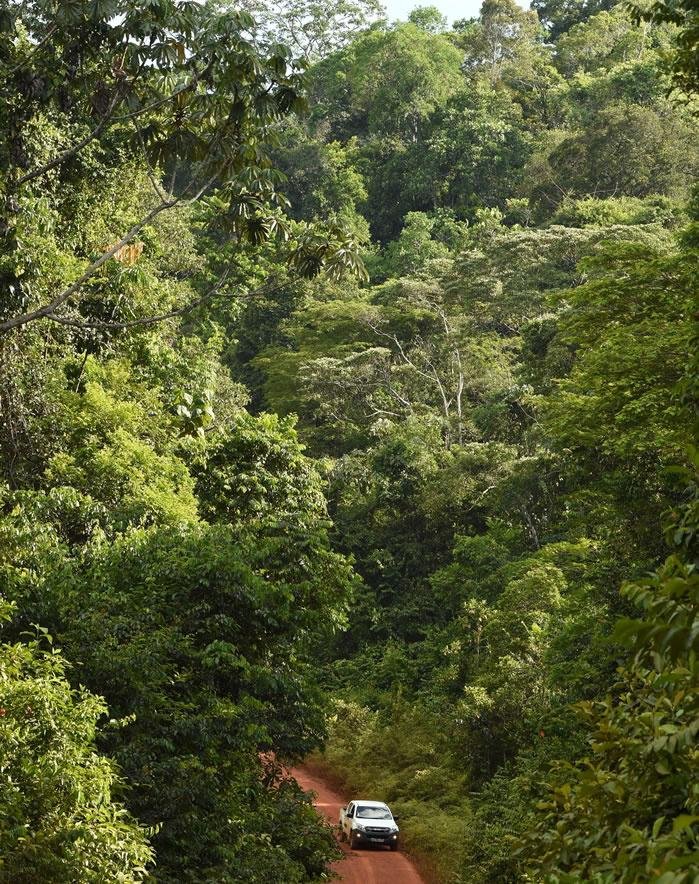
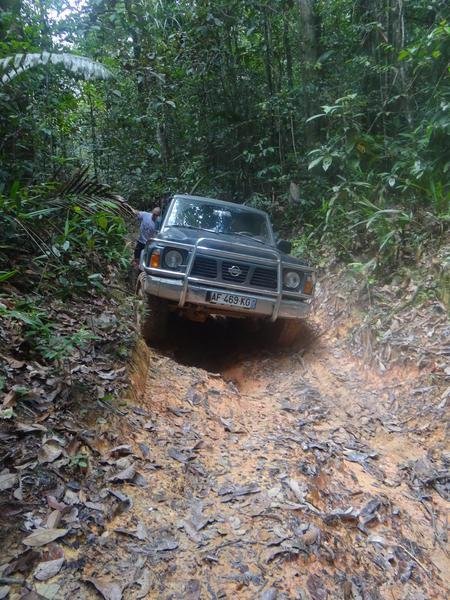
French Guiana offers rewarding overland travel along its accessible coastal corridor.
Why Overlanders Visit
- Tropical rainforest
- Excellent wildlife
- French infrastructure
- Space Center
- Remote rivers
- Unique cultural mix
- Gateway to the Guianas
Although much of the interior is inaccessible by road, the coastal highway network connects the country’s main towns.
Popular Routes
Coastal Highway
Saint-Laurent-du-Maroni → Kourou → Cayenne → Saint-Georges
The country’s primary road journey.
Space & History Route
Cayenne → Kourou → Devil’s Island
Perfect for history and science enthusiasts.
Rainforest Explorer
Cayenne → Cacao → Forest reserves
Ideal for wildlife and hiking.
Road Conditions
Expect:
- Good paved coastal highways
- Limited roads into the interior
- River transport beyond road networks
- Tropical weather
Most remote regions are accessible only by boat or aircraft.
Backpacking in French Guiana
French Guiana suits adventurous backpackers interested in nature and wildlife.
Accommodation
Options include:
- Hotels
- Guesthouses
- Eco-lodges
- Jungle lodges
- Small hostels
Accommodation is concentrated along the coast.
Transportation
Travel using:
- Buses
- Rental cars
- River boats
- Domestic flights to remote communities
A rental car offers the greatest flexibility.
Backpacking Highlights
- Cayenne
- Devil’s Island
- Rainforest
- Space Center
- River expeditions
- Wildlife
Camping
Camping opportunities are mainly found in natural areas and eco-lodges.
Campgrounds
Formal campgrounds are limited, but several eco-tourism operators offer camping facilities near protected areas and rivers.
Wild Camping
Wild camping is generally not recommended because of dense rainforest, protected areas, wildlife, and limited access. Organized camps or authorized sites provide a safer and more practical experience.
RV & Motorhome Travel
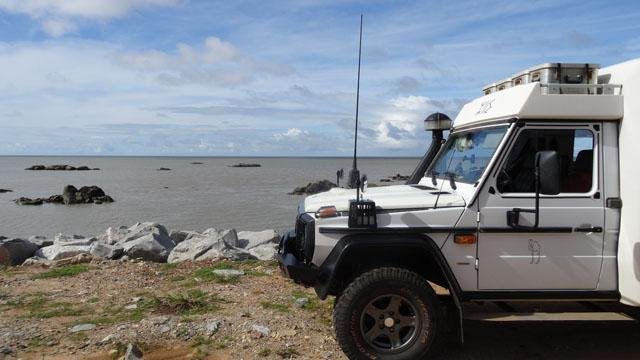
French Guiana is suitable for compact campervan travel along the coastal highway network.
Popular RV Routes
Coastal Explorer
Saint-Laurent-du-Maroni → Cayenne
Kourou Route
Cayenne → Kourou
Eastern Coast
Cayenne → Saint-Georges
Practical Information
Motorhome travelers should prepare for:
- Humid tropical climate
- Limited RV infrastructure
- Reliable fuel stations in coastal towns
- Few services in remote areas
Driving in French Guiana
Driving is straightforward along the coastal region.
Main Roads
Modern highways connect:
- Saint-Laurent-du-Maroni
- Kourou
- Cayenne
- Saint-Georges
The interior remains largely inaccessible by road.
Things to Know
- Heavy rainfall can affect driving conditions.
- Wildlife occasionally crosses roads.
- Fuel stations become less frequent outside major towns.
- River crossings into remote regions often require boats.
Border Crossings
French Guiana shares land borders with:
- Suriname
- Brazil
The Maroni River separates French Guiana from Suriname, while the Oyapock Bridge provides a road connection with Brazil.
As an overseas department of France, French Guiana follows French and European Union customs and immigration procedures rather than those of neighboring South American countries.
Visa & Entry Requirements
Because French Guiana is an overseas department of France, entry requirements differ from many neighboring South American countries.
Many travelers who can enter France without a visa may also enter French Guiana, while others require an appropriate visa.
Before traveling, ensure you have:
- A valid passport
- Any required visa
- Proof of onward travel if requested
- Vehicle documentation for international overland travel
Always verify the latest entry requirements before departure.
Budget & Costs
Estimated daily travel expenses:
| Travel Style | Daily Budget |
|---|---|
| Budget traveler | €60–100 |
| Mid-range | €140–260 |
| Comfortable | €400+ |
| Motorhome traveler | €80–180 |
French Guiana is generally more expensive than neighboring South American countries because prices are comparable to those in France.
Safety
French Guiana is generally a safe destination for travelers.
Travel tips include:
- Prepare carefully for rainforest excursions.
- Use insect repellent and appropriate clothing.
- Stay hydrated in the tropical climate.
- Respect wildlife and protected areas.
- Follow local advice when traveling into remote regions.
The greatest challenges are usually related to climate, insects, and the remoteness of the interior rather than crime.
Food & Culture
French Guianese cuisine reflects French, Creole, Indigenous, Asian, and South American influences.
Popular dishes include:
- Creole fish stew
- Bouillon d’awara
- Grilled seafood
- Tropical fruits
- French pastries
- Cassava dishes
- Fresh river fish
- Local spices
French Guiana’s multicultural population includes Creole, Indigenous, Hmong, Brazilian, Haitian, and European communities, creating a fascinating cultural blend expressed through cuisine, festivals, languages, and traditions.
Frequently Asked Questions
Is French Guiana expensive?
Yes. French Guiana is generally more expensive than neighboring countries because it uses the Euro and has a cost of living closer to mainland France.
Is French Guiana safe?
Yes. French Guiana is generally safe for travelers who take normal precautions and prepare properly for tropical rainforest conditions.
Is French Guiana good for road trips?
Yes. The coastal highway network offers enjoyable road trips, although the rainforest interior is largely inaccessible by road.
Can you travel French Guiana by campervan?
Yes. Campervan travel is practical along the coastal region, but dedicated RV facilities are limited.
How many days do you need in French Guiana?
A week is enough to visit Cayenne, Kourou, Devil’s Island, and nearby rainforest attractions, while two weeks allows for deeper exploration of river systems and protected areas.
What is French Guiana famous for?
French Guiana is best known for:
- Guiana Space Centre
- Devil’s Island
- Amazon Rainforest
- Guiana Amazonian Park
- Sea turtle nesting beaches
- Kourou
- Tropical biodiversity
- European space launches in South America