Ancient History, Dramatic Highlands, Tribal Cultures & Epic Overland Adventures
6
Ethiopia Travel Guide
Ethiopia is one of Africa’s most fascinating and diverse travel destinations. Home to ancient civilizations, UNESCO World Heritage Sites, dramatic mountain landscapes, vibrant tribal cultures, and unique wildlife, it offers experiences unlike anywhere else on the continent. Unlike most African countries, Ethiopia was never formally colonized, allowing it to preserve a rich cultural identity, distinctive architecture, and centuries-old traditions that continue to shape daily life.
Located in the Horn of Africa, Ethiopia borders Eritrea, Djibouti, Somalia, Kenya, South Sudan, and Sudan. Its landscapes range from the soaring peaks of the Simien Mountains to the otherworldly salt flats of the Danakil Depression, from lush coffee-growing forests to vast savannahs and volcanic lakes in the Great Rift Valley. These remarkable contrasts make Ethiopia one of Africa’s premier destinations for travelers interested in history, trekking, wildlife, photography, archaeology, and adventure.
The capital, Addis Ababa, serves as both the political center of Africa—hosting the headquarters of the African Union—and the gateway to the country’s diverse regions. North of the capital lie the legendary rock-hewn churches of Lalibela, the medieval castles of Gondar, and the ancient obelisks of Aksum. In the south, visitors encounter traditional tribal communities of the Omo Valley, while the eastern lowlands lead to colorful markets and ancient caravan routes.
For overlanders, Ethiopia is one of Africa’s classic expedition destinations, connecting East Africa with the Horn of Africa and the Red Sea region. Backpackers appreciate the country’s affordable travel, excellent hiking opportunities, and cultural richness, while RV travelers enjoy spectacular mountain roads, improving highways, and unforgettable scenic routes.
This guide introduces Ethiopia’s highlights while serving as the central travel hub for detailed articles covering overlanding, backpacking, camping, driving, visas, border crossings, road trips, and destination-specific travel planning.
Quick Facts
| Item | Information |
|---|---|
| Capital | Addis Ababa |
| Currency | Ethiopian Birr (ETB) |
| Official Federal Working Language | Amharic |
| Population | Approximately 130 million |
| Time Zone | UTC+3 |
| Driving | Right-hand side |
| Country Code | +251 |
Why Visit Ethiopia?
Ethiopia combines extraordinary history with spectacular natural landscapes and living cultural traditions.
Reasons to visit include:
- Lalibela
- Simien Mountains
- Danakil Depression
- Gondar castles
- Aksum
- Omo Valley
- Rift Valley lakes
- Bale Mountains
- Coffee culture
- Ancient monasteries
- Diverse wildlife
- Scenic mountain roads
Few countries offer such a remarkable combination of archaeology, trekking, wildlife, and cultural heritage.
Best Places to Visit
Addis Ababa
Ethiopia’s vibrant capital blends modern Africa with centuries of history.
Highlights include:
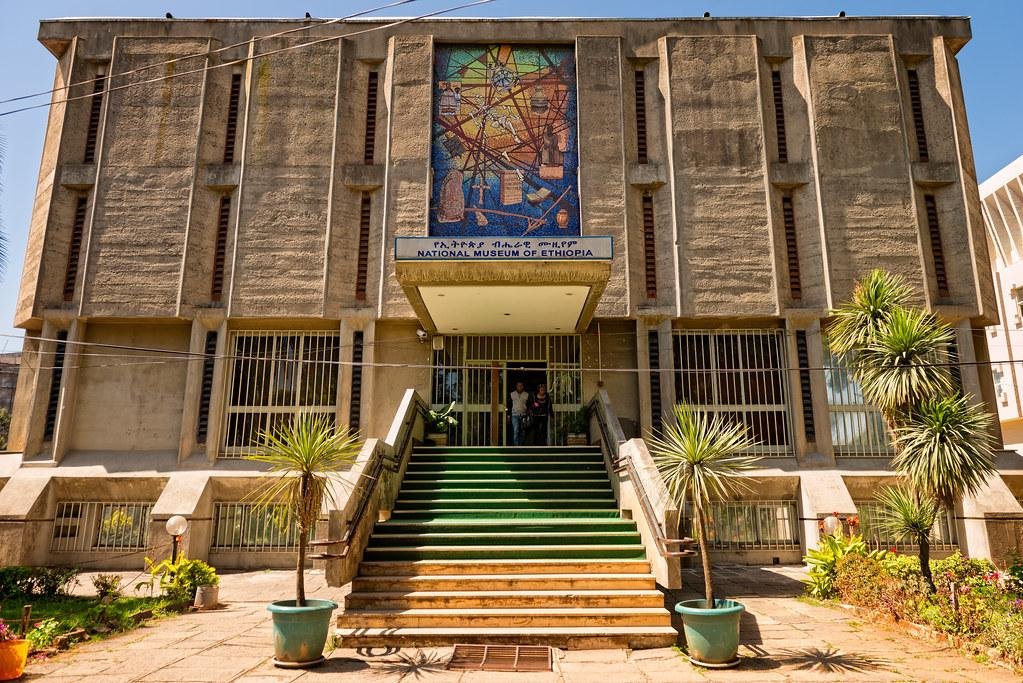
- National Museum
- African Union headquarters
- Holy Trinity Cathedral
- Mercato
- Ethnological Museum
- Coffee houses
The city is an excellent starting point for exploring Ethiopia.
Lalibela
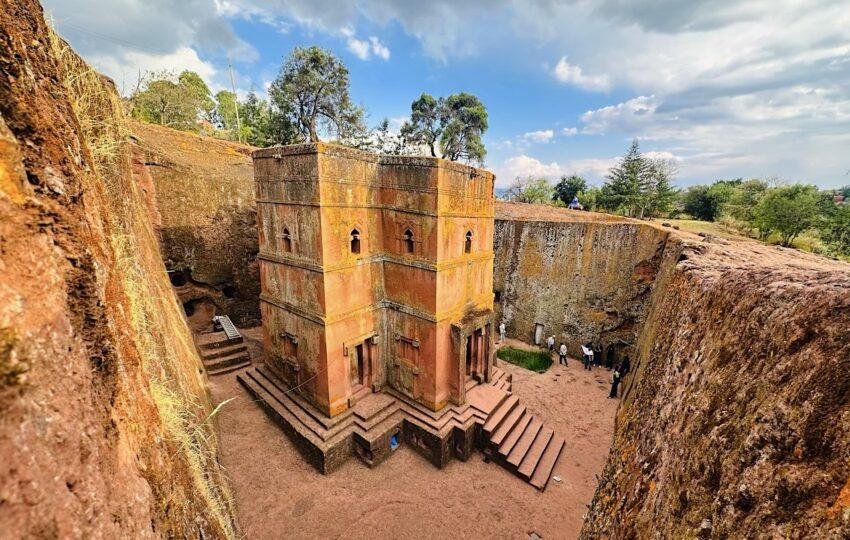
Perhaps Ethiopia’s most famous destination, Lalibela is renowned for its eleven rock-hewn churches carved directly into volcanic rock during the 12th and 13th centuries.
Visitors experience:
- UNESCO World Heritage churches
- Religious festivals
- Pilgrimages
- Historic tunnels
- Traditional architecture
It remains one of Christianity’s most important pilgrimage sites.
Simien Mountains National Park
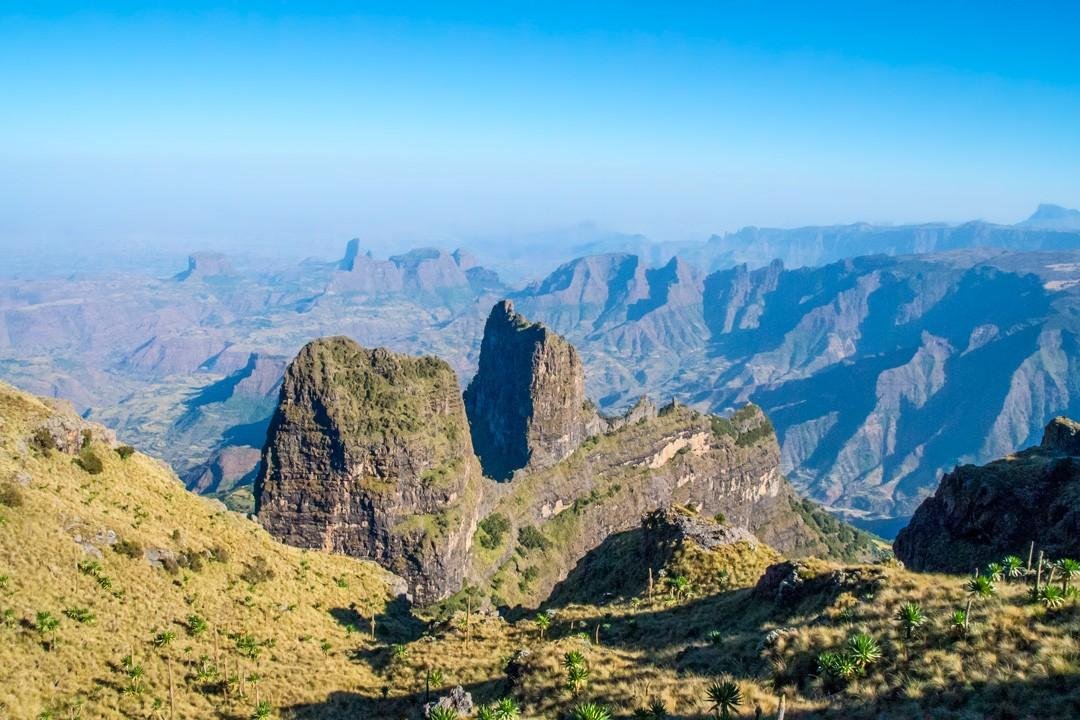
This UNESCO World Heritage Site protects some of Africa’s most dramatic mountain scenery.
Highlights include:
- Deep gorges
- Jagged peaks
- Gelada baboons
- Walia ibex
- Ethiopian wolves
- Multi-day trekking
The park contains some of Africa’s highest mountains.
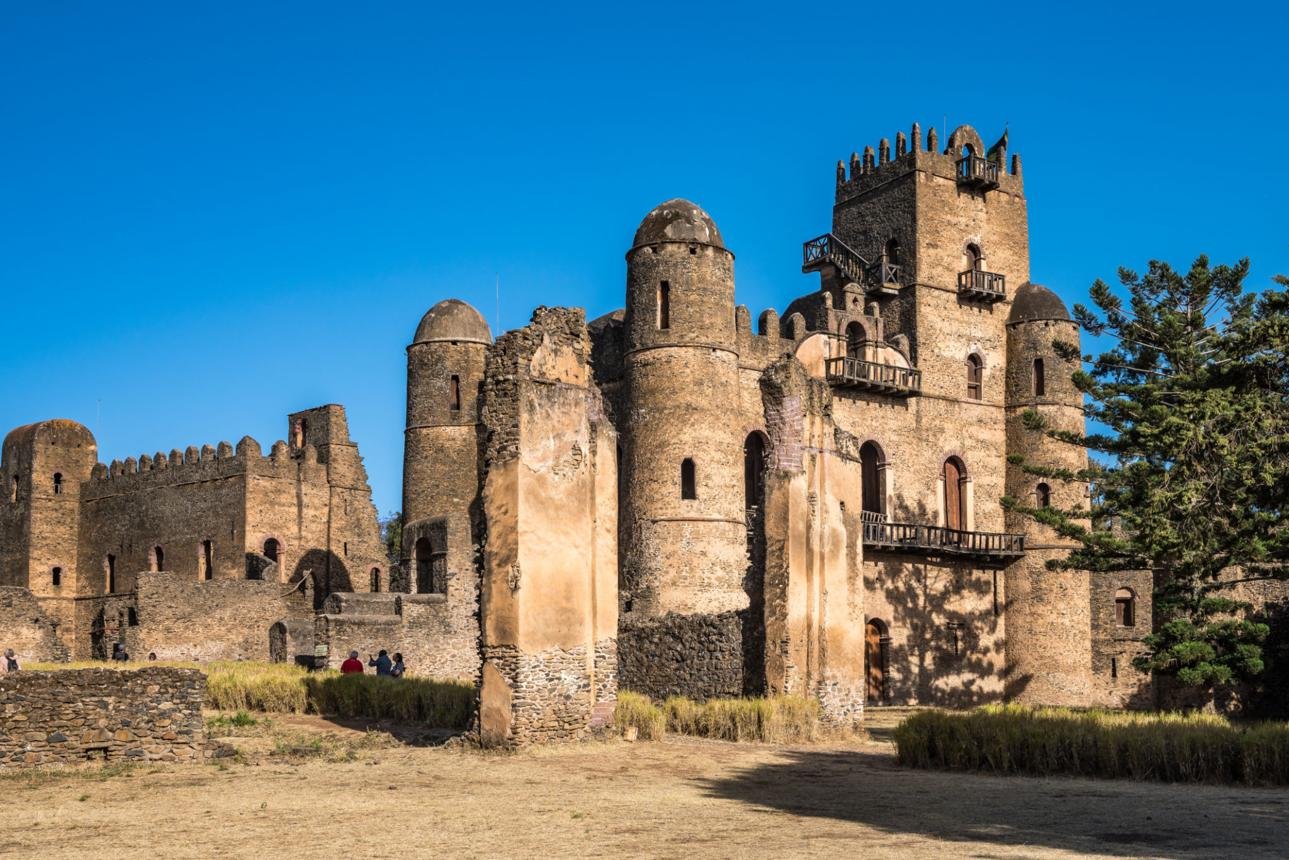
Gondar
Known as the “Camelot of Africa,” Gondar features impressive seventeenth-century castles and churches.
Visitors enjoy:
- Fasil Ghebbi
- Debre Berhan Selassie Church
- Royal baths
- Historic streets
Danakil Depression
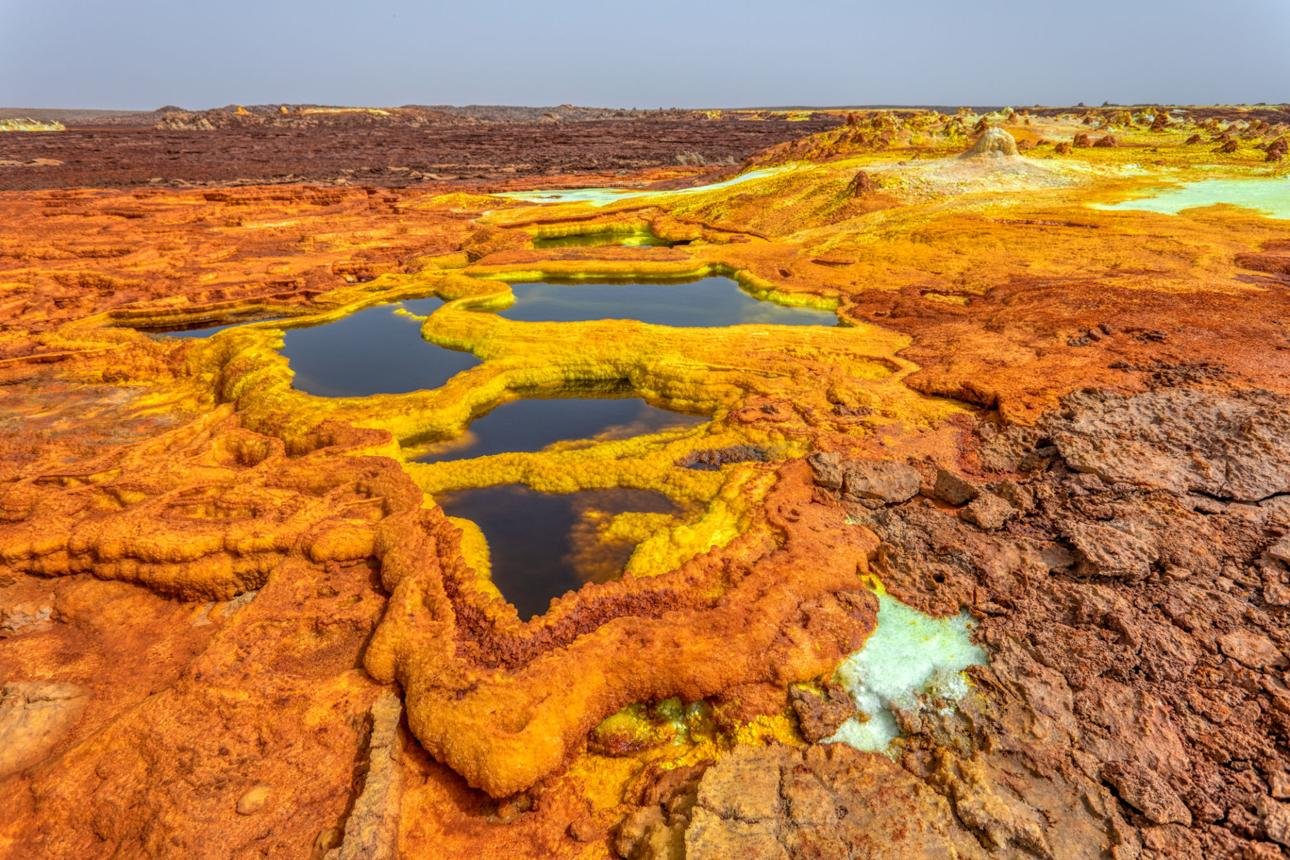
One of the hottest places on Earth, the Danakil Depression offers surreal volcanic landscapes.
Highlights include:
- Dallol hydrothermal fields
- Salt flats
- Active volcanoes
- Camel caravans
- Colorful mineral formations
Access is generally by organized expedition.
Bale Mountains National Park
This high-altitude park protects unique ecosystems and endemic wildlife.
Popular activities include:
- Hiking
- Wildlife watching
- Birdwatching
- Ethiopian wolf tracking
Omo Valley
Southern Ethiopia is famous for its cultural diversity.
Visitors encounter:
- Traditional villages
- Indigenous communities
- Weekly markets
- Cultural festivals
- Scenic river valleys
Travel should be approached respectfully, recognizing that local communities are living cultures rather than attractions.
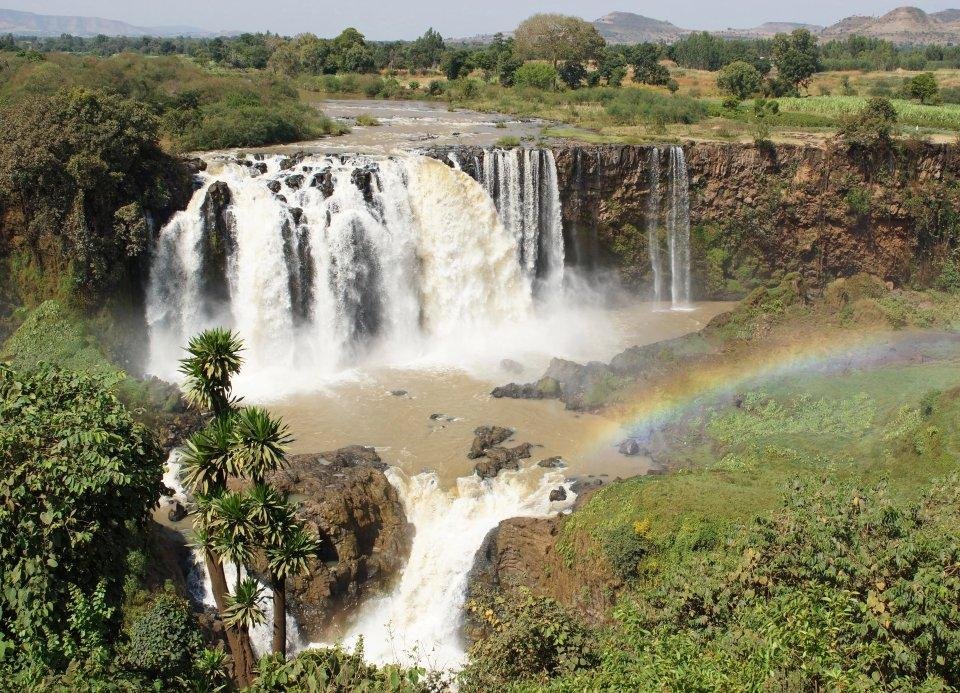
Blue Nile Falls
Near Bahir Dar, the Blue Nile Falls are among Ethiopia’s most famous natural landmarks.
Lake Tana
Ethiopia’s largest lake is home to historic island monasteries, birdlife, and the source of the Blue Nile.
Best Time to Visit
Ethiopia’s climate varies greatly with altitude.
| Season | Conditions |
|---|---|
| October – February | Dry season, excellent for travel |
| March – May | Warmer with occasional rain |
| June – September | Main rainy season in many highland regions |
The dry season offers the best conditions for trekking, wildlife viewing, and overland travel.
Regions of Ethiopia
Northern Historic Circuit
Home to:
- Lalibela
- Gondar
- Aksum
- Bahir Dar
- Lake Tana
Central Highlands
Known for:
- Addis Ababa
- Mountain scenery
- Cultural heritage
Southern Ethiopia
Features:
- Omo Valley
- Tribal cultures
- Rift Valley lakes
Eastern Ethiopia
Offers:
- Harar
- Ancient trading history
- Markets
Afar Region
Known for:
- Danakil Depression
- Volcanoes
- Salt flats
Bale Mountains
Home to:
- High-altitude wildlife
- Forests
- Trekking
Suggested Road Trips & Itineraries
One-Week Historic Circuit
Explore:
- Addis Ababa
- Bahir Dar
- Gondar
- Lalibela
Ideal for first-time visitors.
Two-Week Northern Ethiopia
Continue to:
- Simien Mountains
- Lake Tana
- Aksum
Three-Week Ethiopia Explorer
Combine:
- Northern Historic Circuit
- Bale Mountains
- Rift Valley
- Addis Ababa
Four-Week Grand Ethiopia Expedition
Explore:
- Danakil Depression
- Omo Valley
- Bale Mountains
- Simien Mountains
- Historic northern cities
Perfect for overlanders and independent travelers.
Overlanding in Ethiopia
6
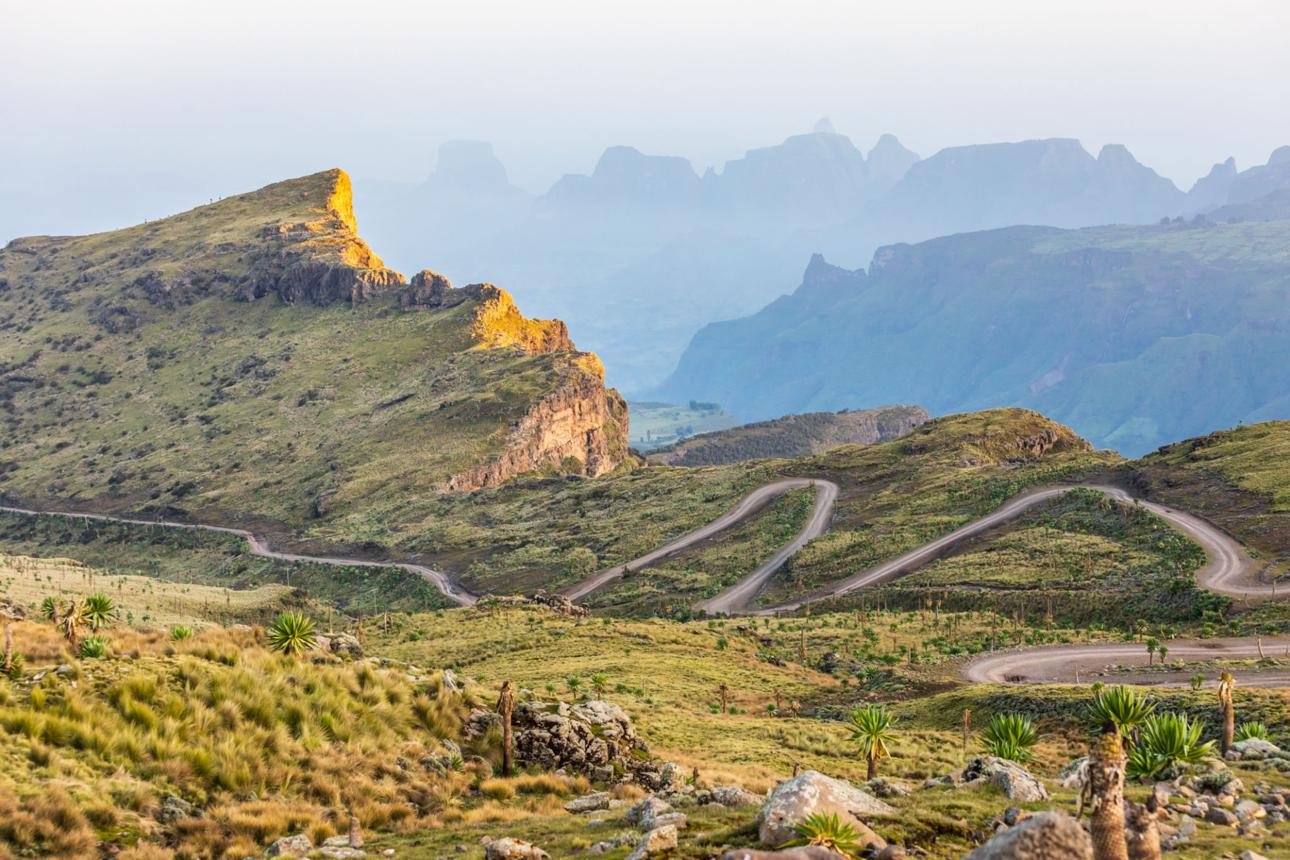
Ethiopia is one of Africa’s premier overlanding destinations. The country’s enormous geographical diversity, dramatic mountain roads, and cultural richness make it a highlight of many trans-African expeditions.
Why Overlanders Visit
Highlights include:
- Historic cities
- High mountain passes
- Volcanoes
- Desert landscapes
- Rift Valley
- National parks
- Coffee-growing regions
- Diverse cultures
Many travelers consider Ethiopia one of the most memorable countries on a Cape Town-to-Cairo or East Africa overland journey.
Popular Overland Routes
Sudan Border – Gondar – Addis Ababa
The classic northern approach through Ethiopia’s historic heartland.
Addis Ababa – Bale Mountains
A scenic drive into Ethiopia’s southern highlands.
Addis Ababa – Omo Valley
One of East Africa’s most culturally diverse overland routes.
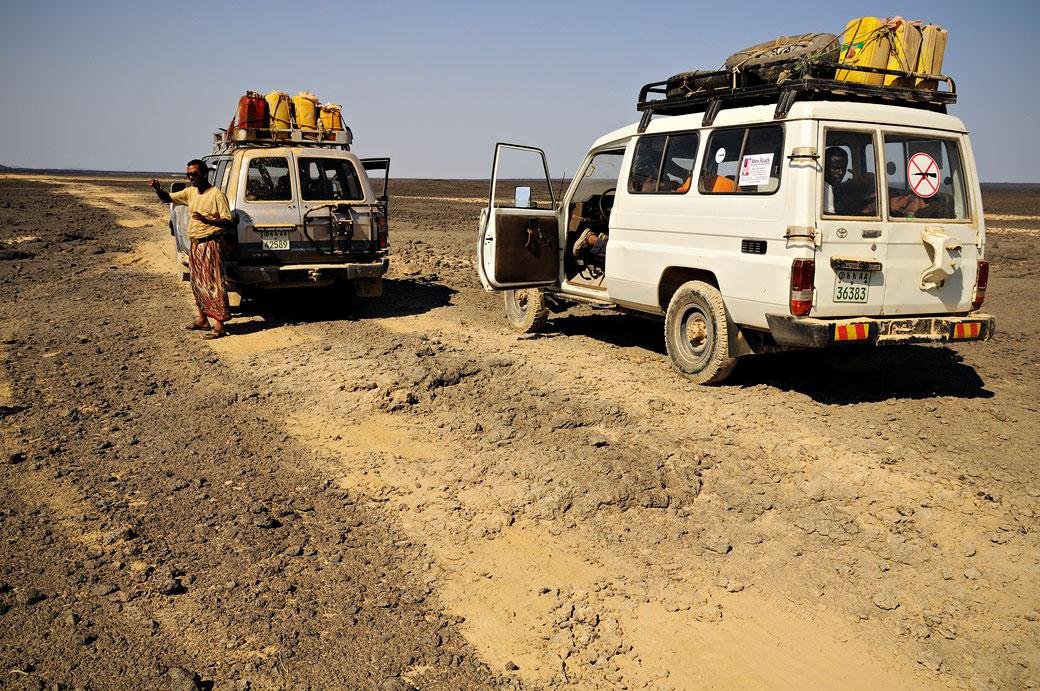
Addis Ababa – Danakil Depression
An expedition into one of the world’s most extraordinary geological landscapes, typically requiring organized logistics and local permits.
Ethiopia – Kenya
A popular route linking East Africa’s safari destinations with Ethiopia’s cultural attractions.
Ethiopia – Djibouti
A key corridor connecting the Ethiopian highlands with the Red Sea.
Road Conditions
Ethiopia has invested significantly in road infrastructure.
Travelers will encounter:
- Modern highways
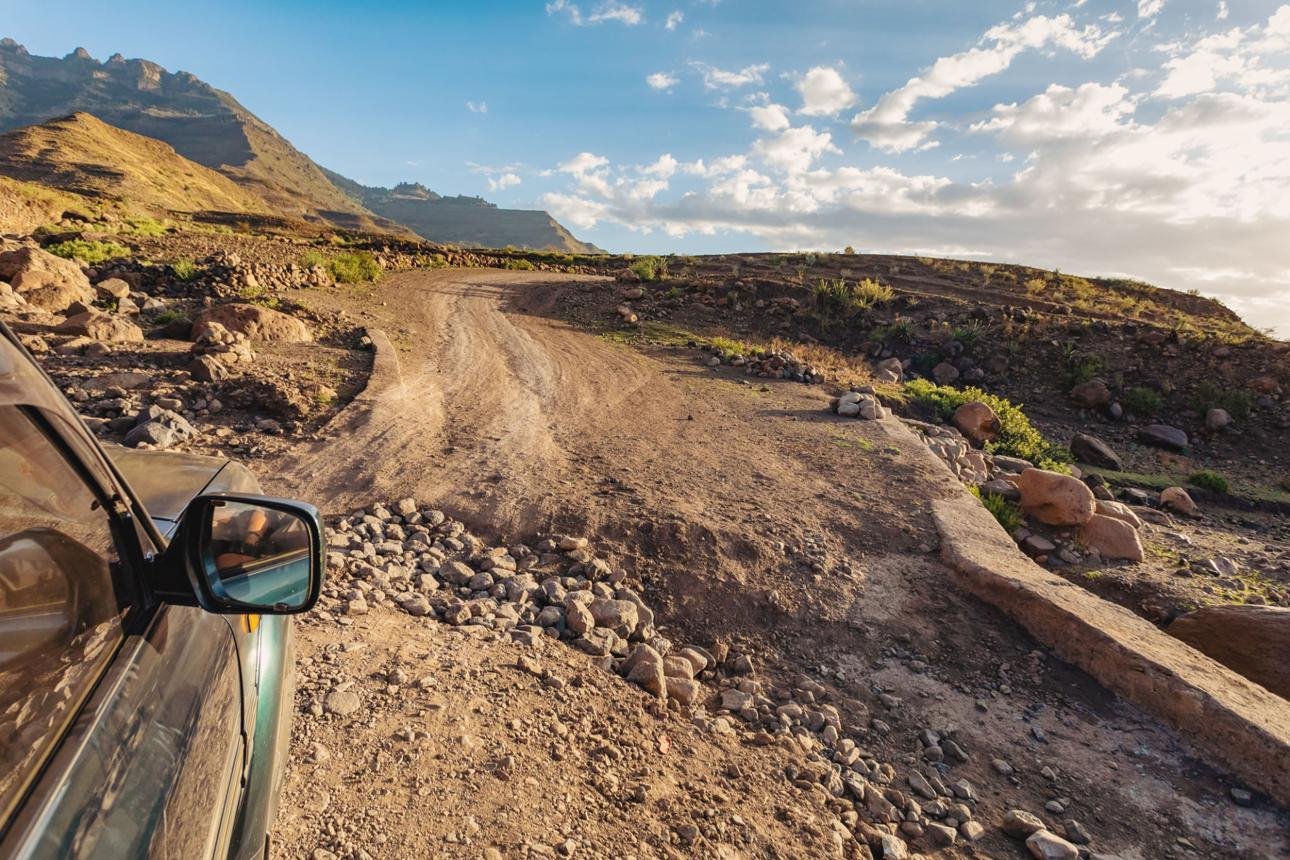
- Mountain roads
- Gravel tracks
- Seasonal river crossings
- Remote desert routes
Major highways are generally paved, while many national parks and remote attractions require four-wheel drive.
Vehicle Preparation
Carry:
- Spare tires
- Recovery gear
- Extra fuel
- Water
- Offline navigation
- Basic spare parts
High-altitude travel and remote regions require careful planning.
Backpacking in Ethiopia
Ethiopia is one of Africa’s best backpacking destinations thanks to its affordability, rich history, and extensive public transport network.
Accommodation
Travelers can choose from:
- Budget hotels
- Guesthouses
- Backpacker lodges
- Boutique hotels
- Eco-lodges
Affordable accommodation is available in most tourist centers.
Transportation
Popular travel options include:
- Domestic flights
- Long-distance buses
- Shared minibuses
- Trains on the Addis Ababa–Djibouti Railway
- Taxis
Domestic air connections make it easy to combine distant regions.
Backpacking Highlights
Popular experiences include:
- Lalibela
- Simien trekking
- Coffee ceremonies
- Markets
- Historic monasteries
- Omo Valley
- Harar
Camping
Camping is one of the best ways to experience Ethiopia’s mountains and national parks.
National Parks
Excellent camping opportunities exist in:
- Simien Mountains
- Bale Mountains
- Selected protected areas
Wild Camping
Wild camping is possible in some rural regions but should only be undertaken with local permission, careful planning, and awareness of changing security conditions.
Expedition Camping
Most Danakil Depression expeditions include organized camping.
Camping Equipment
Bring:
- Four-season tent for mountain conditions
- Warm sleeping bag
- Water purification
- Stove
- Layered clothing
RV & Motorhome Travel
Ethiopia is one of East Africa’s most rewarding destinations for expedition-style motorhome travel.
Suggested RV Routes
Northern Historic Circuit
Addis Ababa → Bahir Dar → Gondar → Lalibela
Southern Explorer
Addis Ababa → Rift Valley → Bale Mountains
Grand Ethiopia Expedition
Historic north → Central Highlands → Omo Valley → Eastern Ethiopia
Practical Considerations
Motorhome travelers should prepare for:
- Mountain driving
- Fuel planning
- High altitude
- Seasonal weather
- Limited RV facilities
Hotels, lodges, and campgrounds may provide secure parking for self-contained vehicles.
Continue Planning
- Motorhome Travel in Ethiopia
- RV Routes in East Africa
- Campervan Guide Ethiopia
Driving in Ethiopia
Driving offers access to some of Africa’s finest scenery.
Main Roads
Good highways connect:
- Addis Ababa
- Bahir Dar
- Gondar
- Hawassa
- Dire Dawa
- Major regional centers
Remote destinations often require four-wheel drive.
Driving Challenges
Expect:
- Mountain passes
- Livestock
- Heavy trucks
- Fog
- Seasonal rain
- Limited services in remote areas
Driving after dark is generally discouraged due to road hazards and reduced visibility.
Border Crossings
Ethiopia shares land borders with:
- Eritrea
- Djibouti
- Somalia
- Kenya
- South Sudan
- Sudan
Not all borders are routinely open to international tourists, and accessibility can change due to political or security conditions. Before planning an overland journey, verify the operational status of your chosen crossing, visa requirements, temporary vehicle import procedures, and local regulations.
Visa & Entry Requirements
Many visitors require a visa before entering Ethiopia, although an electronic visa (eVisa) is available for many nationalities arriving through Addis Ababa.
Travelers should prepare:
- Passport valid for at least six months
- Visa or approved eVisa where applicable
- Proof of accommodation
- Return or onward travel
- Sufficient funds for the visit
Requirements may change, so consult official government sources before departure.
Budget & Costs
Estimated daily travel expenses:
| Travel Style | Daily Budget |
|---|---|
| Budget traveler | US$30–60 |
| Mid-range | US$80–170 |
| Comfortable | US$220+ |
| Overlander (excluding vehicle costs) | US$50–110 |
Domestic flights, trekking guides, and Danakil expeditions are among the largest travel expenses.
Safety
Ethiopia offers extraordinary travel opportunities, but security conditions vary by region and can change quickly. Travelers should consult official travel advisories before departure and check local conditions for the specific areas they plan to visit.
General recommendations include:
- Stay informed about regional developments
- Use reputable guides for remote areas
- Avoid unnecessary travel after dark
- Respect local customs and religious sites
- Carry sufficient cash outside major cities
Healthcare standards vary, with the best facilities located in Addis Ababa. Comprehensive travel insurance, including medical evacuation coverage, is strongly recommended.
Food & Culture
Ethiopian cuisine is among Africa’s most distinctive.
Popular dishes include:
- Injera
- Doro wat
- Tibs
- Shiro
- Lentil stews
- Fresh coffee
- Honey wine (tej)
Traditional coffee ceremonies remain an important social custom and provide visitors with a memorable introduction to Ethiopian hospitality. The country’s remarkable ethnic, linguistic, and religious diversity is reflected in colorful festivals, historic churches, ancient monasteries, Islamic heritage sites, and vibrant local markets.
Frequently Asked Questions
Is Ethiopia safe for tourists?
Many parts of Ethiopia welcome visitors, but conditions differ across the country and can change rapidly. Travelers should consult current official travel advisories and assess the situation in the specific regions they intend to visit.
Can you overland through Ethiopia?
Yes. Ethiopia is one of Africa’s classic overland destinations, linking East Africa, the Horn of Africa, and the Red Sea region. Route planning should always take current border access and regional conditions into account.
Is Ethiopia suitable for backpacking?
Yes. Ethiopia is one of Africa’s premier backpacking destinations thanks to its affordable travel, historic attractions, mountain trekking, and extensive transport network.
Can you travel by motorhome?
Yes. Expedition-style motorhomes are well suited to Ethiopia’s major road network, though remote parks and desert regions may require additional preparation or four-wheel drive.
What is Ethiopia famous for?
Ethiopia is renowned for:
- Lalibela
- Simien Mountains
- Gondar
- Aksum
- Danakil Depression
- Omo Valley
- Coffee culture
- Ancient Christian heritage
- Bale Mountains
- Blue Nile Falls
Continue Planning
This cornerstone guide serves as the central travel hub for Ethiopia. Continue planning your journey with these detailed resources:
- Overlanding in Ethiopia
- Backpacking Ethiopia
- Motorhome & RV Travel in Ethiopia
- Camping in Ethiopia
- Driving in Ethiopia
- Border Crossings in Ethiopia
- Ethiopia Visa Guide
- Addis Ababa Travel Guide
- Lalibela Travel Guide
- Simien Mountains National Park Guide
- Danakil Depression Guide
- Bale Mountains National Park Guide
- Gondar Travel Guide
- Omo Valley Travel Guide
- Lake Tana & Blue Nile Guide
- Cape Town to Cairo Overland Route
- Overlanding in Ethiopia
- Ethiopia impressions
- Getting around in Ethiopia
- Papyrus boats in Ethiopia
- Ethiopian highlands
- Ethiopian Roads