Medieval Cities, Baltic Coastlines, Castles & Scenic Baltic Road Trips
6
Lithuania Travel Guide
Lithuania is the southernmost of the Baltic States, offering travelers a fascinating blend of medieval history, beautiful landscapes, Baltic beaches, dense forests, picturesque lakes, and vibrant cities. Often overlooked in favor of larger European destinations, Lithuania rewards visitors with UNESCO World Heritage Sites, impressive castles, welcoming hospitality, affordable travel, and some of Northern Europe’s most scenic road trips.
Situated between Latvia, Poland, Belarus, and the Russian exclave of Kaliningrad, Lithuania has long been a crossroads of European cultures. As the largest of the Baltic countries, it combines historic cities with peaceful countryside, making it an excellent destination for independent travelers, backpackers, campervan holidays, and overland journeys across Northern and Eastern Europe.
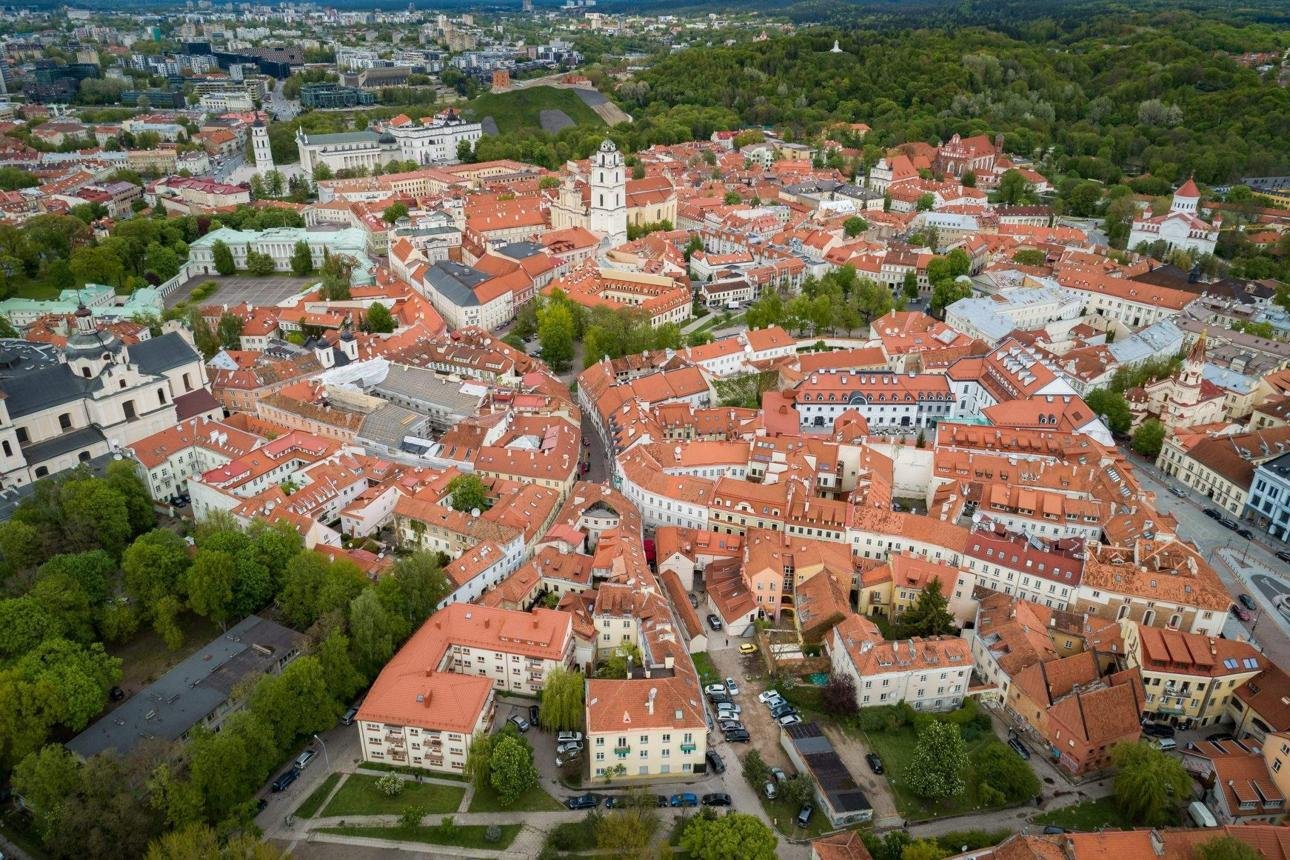
Lithuania’s rich history is reflected in its medieval old towns, Gothic churches, Renaissance palaces, and hilltop fortresses. The country was once one of Europe’s largest states during the era of the Grand Duchy of Lithuania, and many historic landmarks preserve this remarkable legacy. Visitors can stroll through the cobbled streets of Vilnius, explore fairy-tale castles, visit ancient monasteries, and discover museums documenting Lithuania’s struggle for independence.
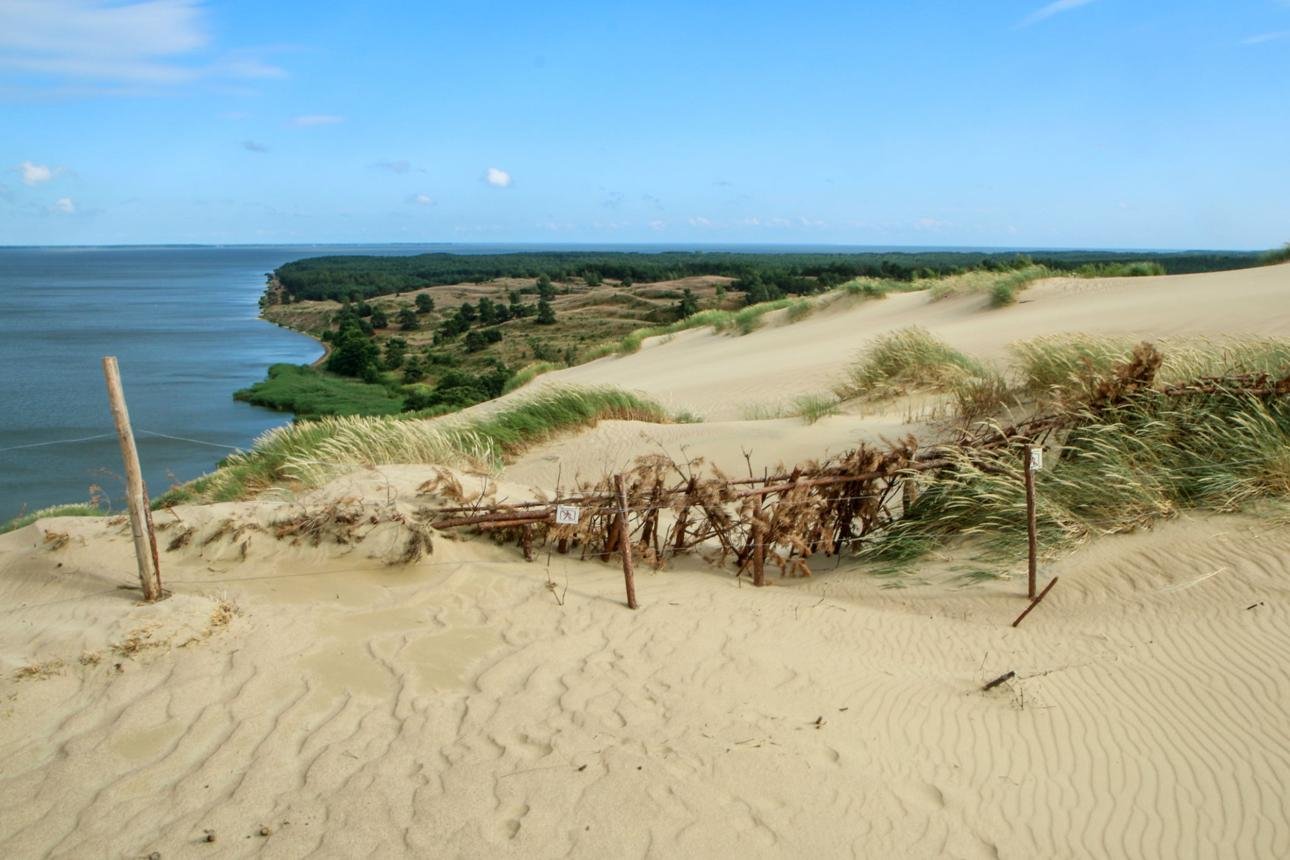
Nature is equally impressive. Around one-third of Lithuania is covered by forests, while thousands of lakes, rivers, wetlands, and national parks provide excellent opportunities for hiking, kayaking, cycling, birdwatching, and camping. The spectacular Curonian Spit, shared with Russia’s Kaliningrad region, is one of Europe’s most unique coastal landscapes, featuring towering sand dunes, pine forests, and charming fishing villages.
For road-trippers, Lithuania offers excellent infrastructure, modern highways, quiet rural roads, and short driving distances between attractions. Campervan travelers benefit from a growing number of campsites, while backpackers enjoy affordable accommodation and reliable public transport. Lithuania also serves as an important gateway between Central Europe and the Baltic States, making it a natural stop on longer overland journeys.
This guide covers everything you need to plan an unforgettable journey through Lithuania.
Quick Facts
| Item | Information |
|---|---|
| Capital | Vilnius |
| Currency | Euro (€) |
| Official Language | Lithuanian |
| Population | Approximately 2.9 million |
| Time Zone | UTC+2 (UTC+3 during daylight saving time) |
| Driving | Right-hand side |
| Country Code | +370 |
Why Visit Lithuania?
Lithuania offers an excellent combination of history, nature, and coastal scenery.
Highlights include:
- Vilnius Old Town
- Trakai Island Castle
- Curonian Spit
- Hill of Crosses
- Kaunas
- Baltic beaches
- National parks
- Medieval architecture
- Forest hiking
- Cycling
- Lakes
- Rich cultural heritage
Lithuania is ideal for travelers seeking authentic experiences, scenic drives, and fascinating history without the crowds found elsewhere in Europe.
Best Places to Visit
7
Vilnius
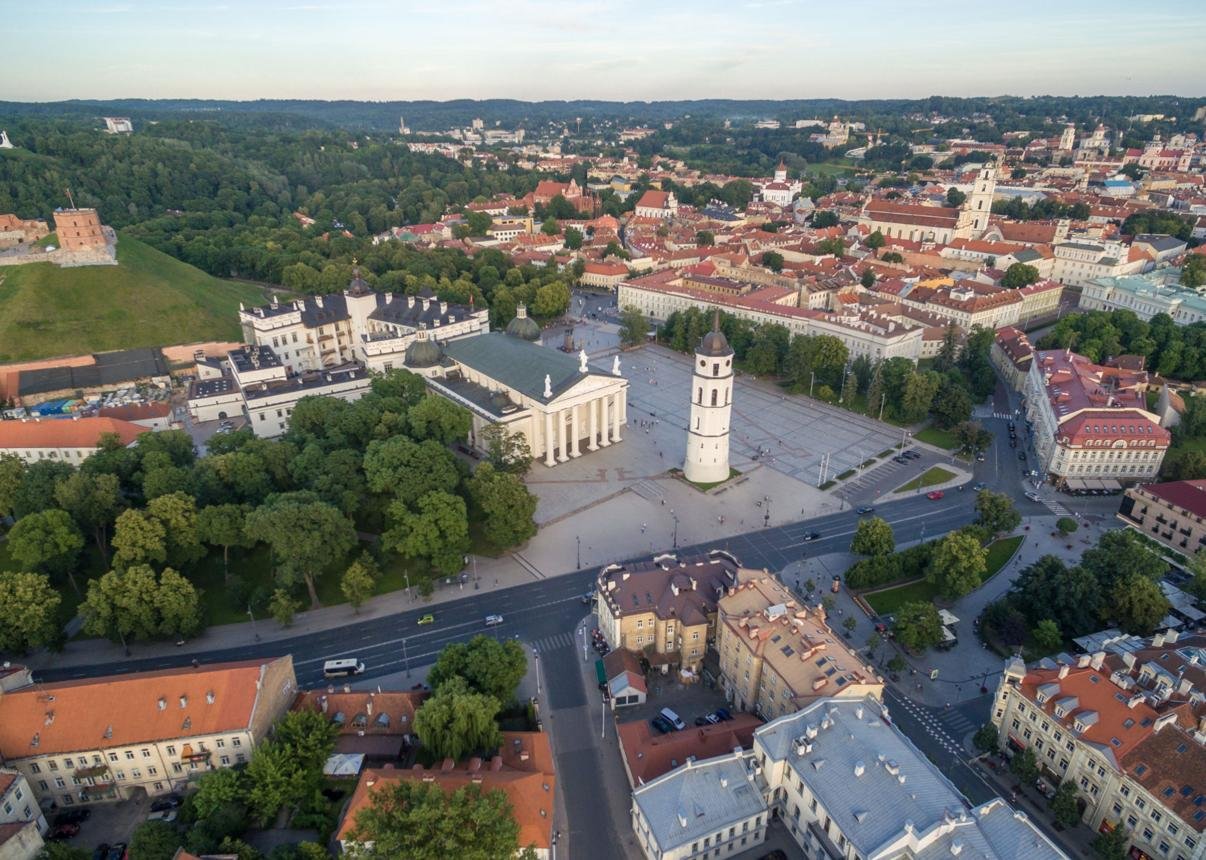
Lithuania’s capital is one of Europe’s largest surviving medieval old towns and a UNESCO World Heritage Site.
Highlights include:
- Cathedral Square
- Gediminas Castle Tower
- Vilnius Old Town
- Gates of Dawn
- Presidential Palace
- Užupis Republic
- Churches and museums
- Café culture
Vilnius combines centuries of history with a lively contemporary atmosphere.
Trakai
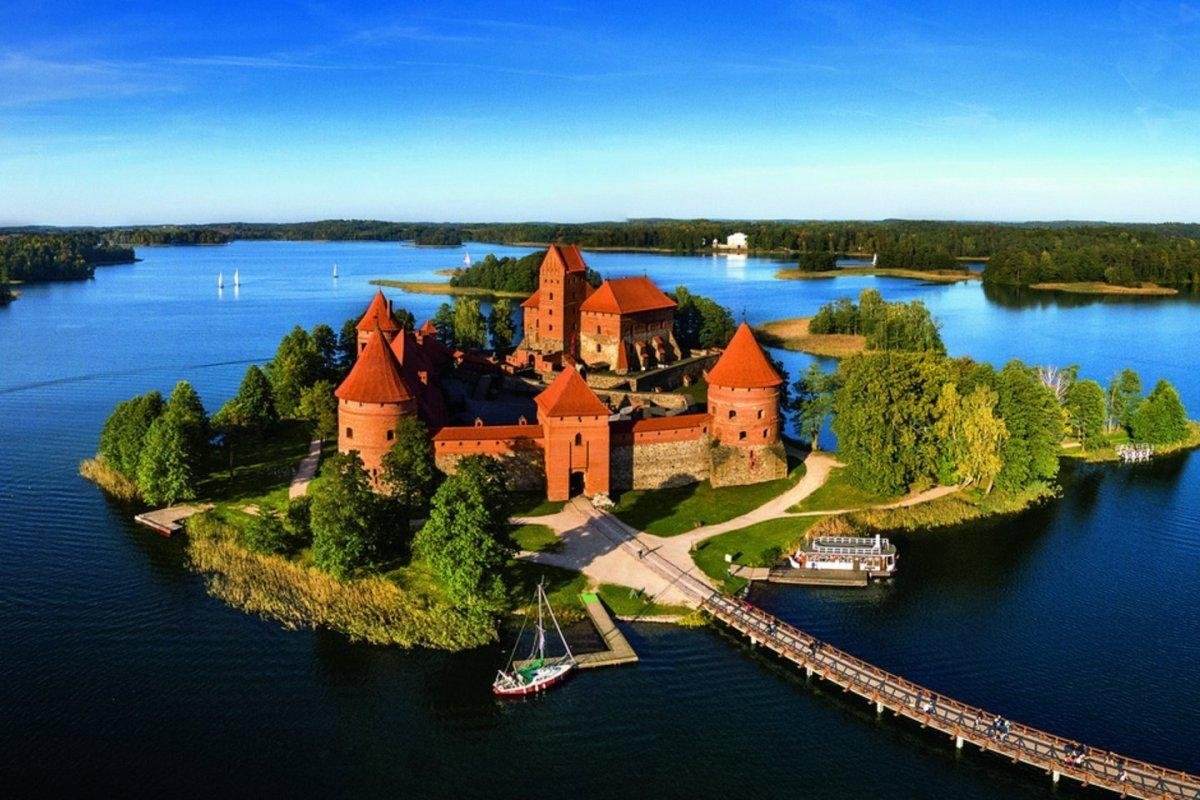
Located just west of Vilnius, Trakai is one of Lithuania’s most iconic destinations.
Visitors enjoy:
- Trakai Island Castle
- Lake Galvė
- Boat trips
- Traditional Karaim cuisine
- Scenic walking trails
The restored medieval castle is one of the country’s most photographed landmarks.
Curonian Spit
This UNESCO World Heritage Site is a narrow peninsula separating the Curonian Lagoon from the Baltic Sea.
Highlights include:
- Towering sand dunes
- Pine forests
- Nida
- Beaches
- Cycling trails
- Birdwatching
It is one of Northern Europe’s most remarkable coastal landscapes.
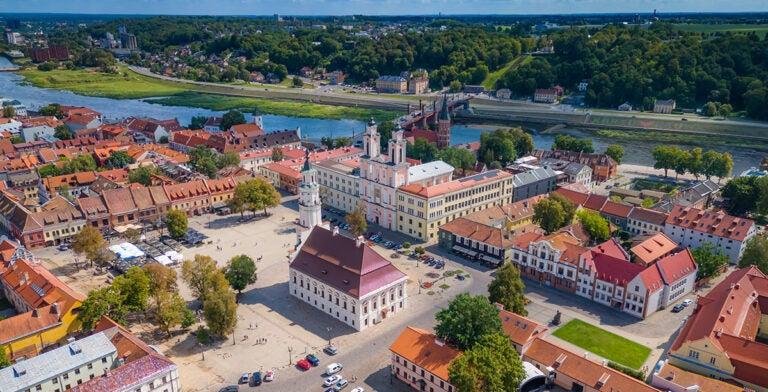
Kaunas
Lithuania’s second-largest city offers:
- Historic Old Town
- Kaunas Castle
- Laisvės Alėja boulevard
- Museums
- Riverside parks
- Modern architecture
Kaunas is an excellent destination for culture and history.
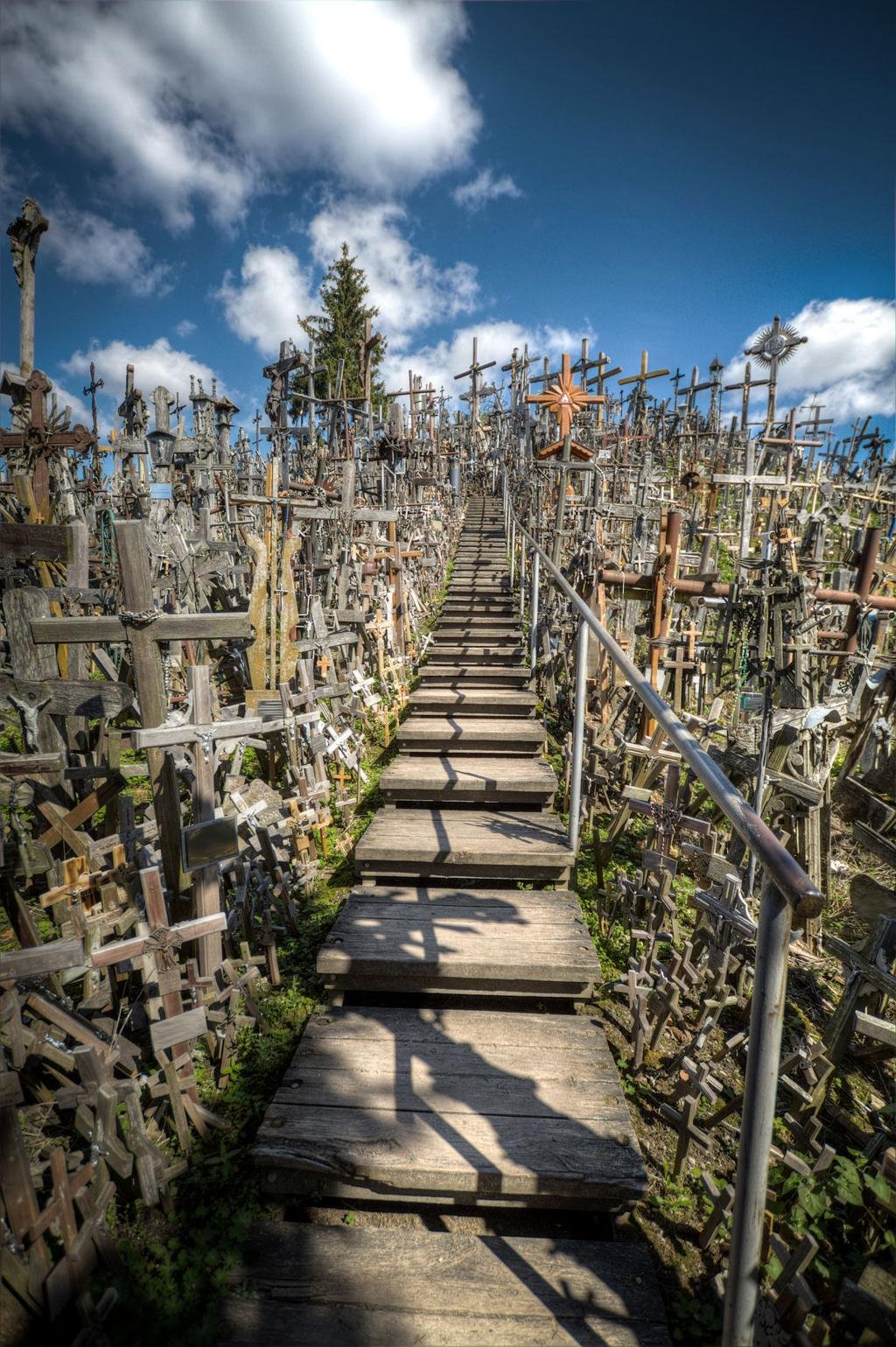
Hill of Crosses
One of Lithuania’s most significant pilgrimage sites.
Thousands of crosses cover a small hill, creating one of Europe’s most distinctive religious landmarks.
Aukštaitija National Park
Lithuania’s oldest national park is famous for:
- Lakes
- Forests
- Canoeing
- Traditional villages
- Hiking
Dzūkija National Park
Known for:
- Pine forests
- Rivers
- Wildlife
- Cycling
- Mushroom picking
Klaipėda
Lithuania’s main seaport offers:
- Historic Old Town
- Maritime museums
- Ferry connections
- Access to the Curonian Spit
Best Time to Visit
Lithuania experiences four distinct seasons.
| Season | Conditions |
|---|---|
| May – September | Best weather for sightseeing and road trips |
| June – August | Warm temperatures and beach season |
| September – October | Autumn colors and fewer visitors |
| December – February | Snow, Christmas markets, and winter activities |
Summer is ideal for exploring national parks and the Baltic coast.
Regions of Lithuania
Vilnius Region
Home to:
- Vilnius
- Trakai
- Historic landmarks
Western Lithuania
Known for:
- Klaipėda
- Curonian Spit
- Baltic beaches
Central Lithuania
Features:
- Kaunas
- Historic towns
- River valleys
Northern Lithuania
Offers:
- Hill of Crosses
- Rural landscapes
- Traditional villages
Southern Lithuania
Known for:
- Dzūkija National Park
- Forests
- Lakes
- Nature reserves
Suggested Itineraries
3-Day Vilnius City Break
Day 1
- Cathedral Square
- Gediminas Tower
- Old Town
Day 2
- Užupis
- Museums
- Local cafés
Day 3
- Day trip to Trakai
One-Week Lithuania Highlights
Explore:
- Vilnius
- Trakai
- Kaunas
- Hill of Crosses
- Klaipėda
Ideal for first-time visitors.
Two-Week Lithuania Road Trip
Travel through:
- Vilnius
- Aukštaitija National Park
- Kaunas
- Curonian Spit
- Klaipėda
- Dzūkija National Park
Perfect for combining history with outdoor activities.
Overlanding in Lithuania
7
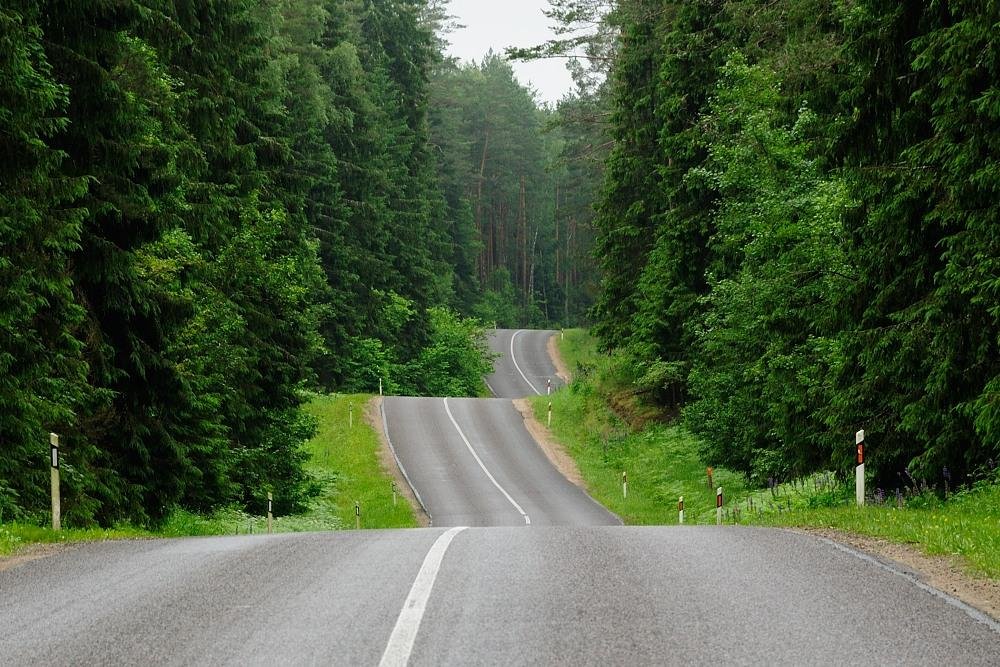
Lithuania is an excellent destination for overlanders exploring the Baltic region.
Why Overlanders Love Lithuania
- Excellent highways
- Scenic countryside
- Baltic coastline
- National parks
- Affordable travel
- Easy international connections
- Historic towns
Lithuania is often combined with Poland, Latvia, and Estonia on longer European road trips.
Popular Routes
Baltic Capitals Route
Poland → Lithuania → Latvia → Estonia
One of Europe’s classic cross-border road trips.
Baltic Coast Route
Klaipėda → Curonian Spit
Ideal for beaches, dunes, and cycling.
Castle & Lakes Route
Vilnius → Trakai → Aukštaitija National Park
Perfect for history and outdoor adventures.
Road Conditions
Expect:
- Excellent highways
- Modern secondary roads
- Quiet rural routes
- Gravel roads in some remote areas
Driving is generally easy and enjoyable.
Backpacking in Lithuania
Lithuania is one of Europe’s best-value destinations.
Accommodation
Options include:
- Hostels
- Guesthouses
- Boutique hotels
- Campsites
- Farm stays
Transportation
Travel around Lithuania using:
- Trains
- Long-distance buses
- Bicycle rentals
Public transport is reliable, affordable, and well connected.
Backpacking Highlights
- Vilnius
- Trakai
- Kaunas
- Curonian Spit
- National parks
- Baltic beaches
Camping
Camping is an excellent way to experience Lithuania’s natural landscapes.
Campsites
Well-maintained campsites are available throughout:
- National parks
- Lake districts
- Baltic coast
- Forest regions
Facilities often include:
- Hot showers
- Kitchens
- Electricity
- Camper facilities
Nature Camping
Wild camping may be permitted in certain areas but is regulated, especially within national parks and protected landscapes. Use designated campsites whenever possible and always follow local regulations.
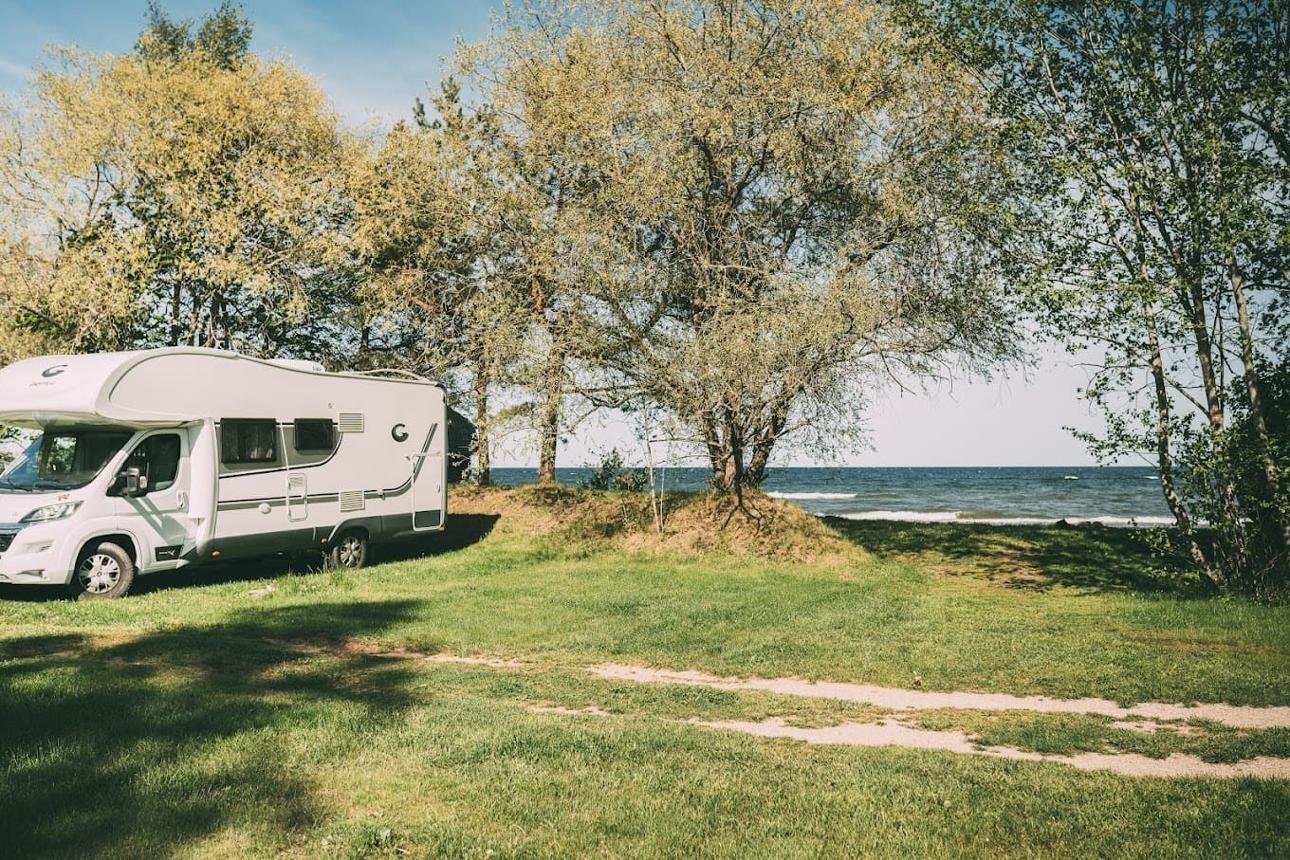
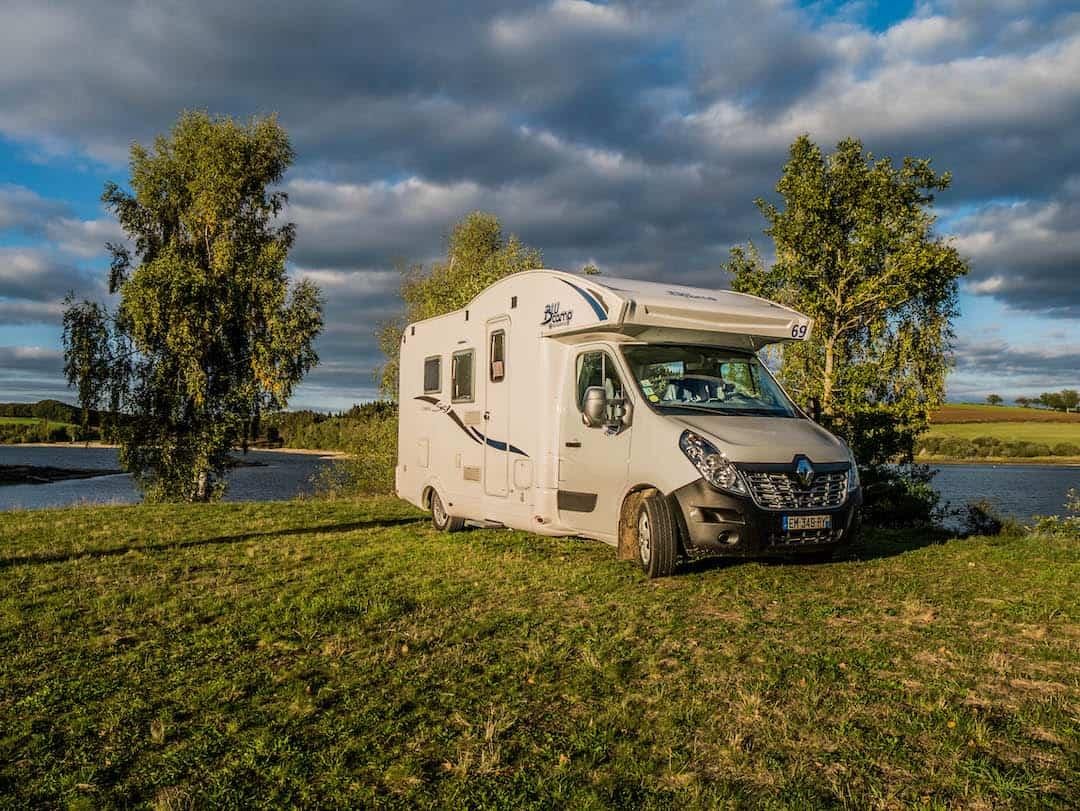
RV & Motorhome Travel
Lithuania is well suited to campervan travel.
Popular RV Routes
Baltic Coast
Klaipėda → Curonian Spit
Historic Lithuania
Vilnius → Trakai → Kaunas
Nature Explorer
Aukštaitija → Dzūkija National Parks
Practical Information
Motorhome travelers benefit from:
- Good road network
- Growing number of campsites
- Reliable fuel stations
- Short driving distances
Driving in Lithuania
Driving is straightforward.
Main Roads
Modern highways connect:
- Vilnius
- Kaunas
- Klaipėda
- Šiauliai
- Panevėžys
Things to Know
- Headlights must be used at all times.
- Winter tires are mandatory during the winter season.
- Watch for wildlife on rural roads.
- Observe posted speed limits carefully.
Border Crossings
Lithuania shares land borders with:
- Latvia
- Poland
- Belarus
- Russia (Kaliningrad Oblast)
As part of the Schengen Area, there are normally no routine border checks when traveling between Lithuania, Latvia, and Poland. Crossings into Belarus and the Russian exclave of Kaliningrad are external Schengen borders and are subject to immigration, customs, and any current travel restrictions.
Regular ferry services also connect Klaipėda with destinations across the Baltic Sea.
Visa & Entry Requirements
Lithuania is part of the Schengen Area.
Many travelers can enter visa-free for short stays depending on nationality, while others require a Schengen visa.
Before traveling, ensure you have:
- A valid passport
- Any required visa
- Proof of accommodation if requested
- Return or onward travel documentation
Always verify current entry requirements before departure.
Budget & Costs
Estimated daily travel expenses:
| Travel Style | Daily Budget |
|---|---|
| Budget traveler | €45–80 |
| Mid-range | €120–200 |
| Comfortable | €280+ |
| Motorhome traveler | €70–140 |
Lithuania offers excellent value compared with many destinations in Western and Northern Europe, particularly for accommodation and dining.
Safety
Lithuania is considered a safe destination for travelers.
Travel tips include:
- Take normal precautions against pickpocketing in busy tourist areas.
- Be prepared for changing weather, especially along the Baltic coast.
- Watch for wildlife when driving through forested regions.
- Follow local safety advice when swimming in lakes or the Baltic Sea.
Emergency services are reliable, and English is widely spoken in tourist areas.
Food & Culture
Lithuanian cuisine reflects Baltic traditions with influences from Central and Eastern Europe.
Popular dishes include:
- Cepelinai (potato dumplings)
- Šaltibarščiai (cold beet soup)
- Rye bread
- Potato pancakes
- Smoked fish
- Kibinai
- Honey cake
- Local craft beer
Lithuania is also known for its folk music, traditional festivals, wooden architecture, basket weaving, amber jewelry, and a strong cultural identity shaped by centuries of history.
Frequently Asked Questions
Is Lithuania expensive?
No. Lithuania is one of the most affordable destinations in Northern Europe, offering excellent value for accommodation, restaurants, and attractions.
Is Lithuania safe?
Yes. Lithuania is generally very safe for tourists and is suitable for solo travelers, families, and campervan holidays.
Is Lithuania good for road trips?
Absolutely. Excellent roads, compact distances, beautiful countryside, national parks, and historic towns make Lithuania an ideal self-drive destination.
Can you travel Lithuania by campervan?
Yes. Lithuania has a growing network of campsites and motorhome-friendly facilities, making it a great destination for RV and campervan travel.
How many days do you need in Lithuania?
A week is enough to see the country’s major highlights, while two weeks allows time to explore the Baltic coast, national parks, and smaller historic towns.
What is Lithuania famous for?
Lithuania is best known for:
- Vilnius Old Town
- Trakai Island Castle
- Curonian Spit
- Hill of Crosses
- Baltic beaches
- Medieval history
- National parks
- Scenic Baltic road trips