Vibrant Cities, National Parks, Atlantic Coast & West African Road Adventures
5
Nigeria Travel Guide
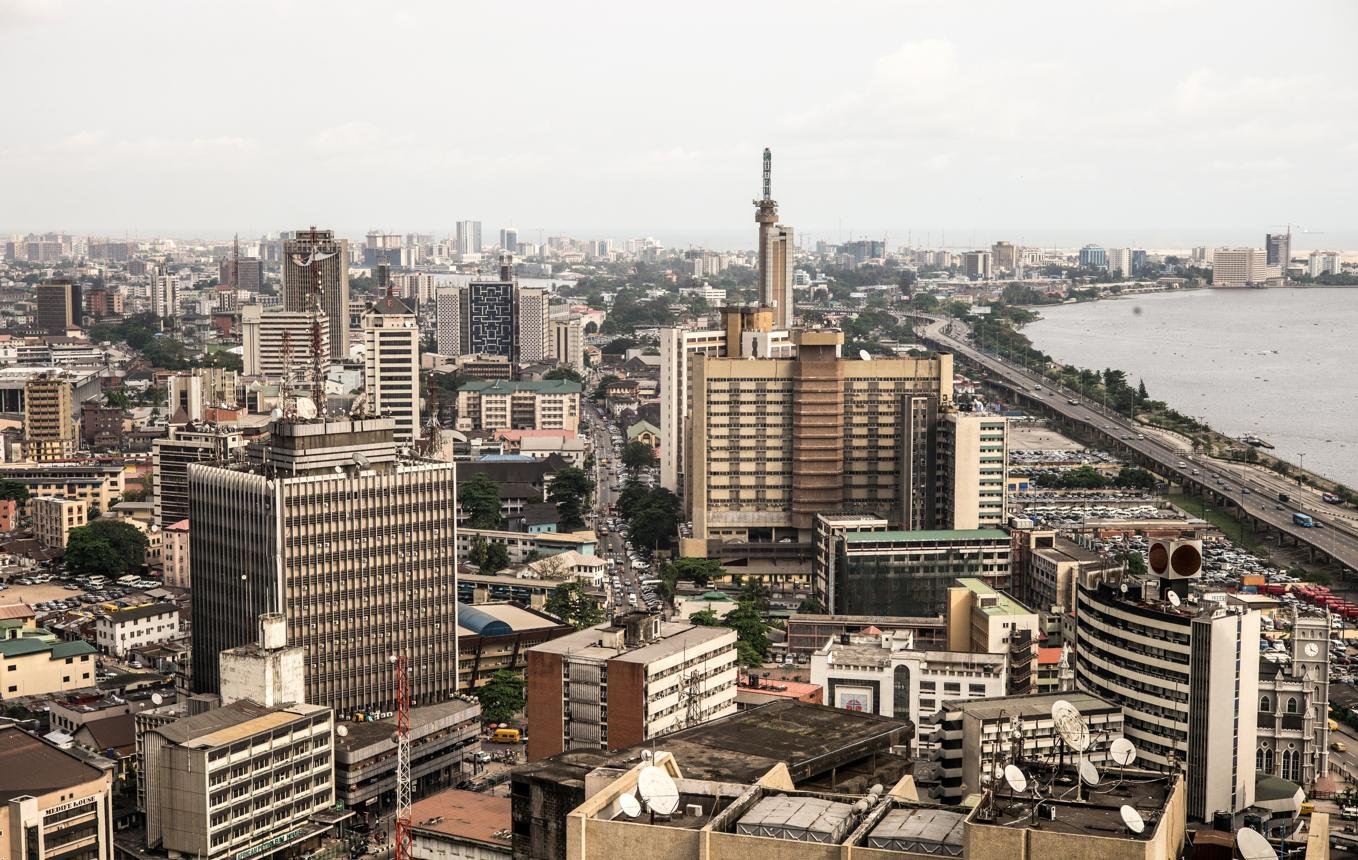
Nigeria is Africa’s most populous country and one of its most dynamic destinations. Home to more than 230 million people and over 250 ethnic groups, it offers an extraordinary mix of modern megacities, traditional kingdoms, tropical rainforests, savannah landscapes, Atlantic beaches, waterfalls, mountains, and vibrant cultural festivals. From the bustling streets of Lagos to the wildlife of Yankari National Park and the dramatic rock formations of central Nigeria, the country presents a remarkable diversity of travel experiences.
Often called the “Giant of Africa,” Nigeria is the continent’s largest economy and a major center for music, film, fashion, and entrepreneurship. Visitors encounter world-famous Afrobeat culture, some of Africa’s liveliest markets, welcoming communities, and a cuisine that is among the most varied on the continent.
For independent travelers, Nigeria offers rewarding opportunities for road trips, backpacking, and regional overlanding. The country serves as a key crossroads in West Africa, linking Benin, Niger, Chad, and Cameroon through an extensive highway network. Motorhome and RV travel is still relatively uncommon, but the country’s paved roads and growing tourism infrastructure make it increasingly attractive for adventurous travelers exploring the region.
Travel does require careful planning. Nigeria is a vast country with regional differences in infrastructure and security. While many destinations are suitable for tourism, some border regions and areas affected by insurgency or criminal activity should be avoided. Travelers should always consult the latest official travel advisories and local information before departure.
Whether your interests include wildlife, history, culture, coastal scenery, or epic road trips across West Africa, Nigeria offers enough attractions to reward weeks of exploration.
Quick Facts
| Item | Information |
|---|---|
| Capital | Abuja |
| Largest City | Lagos |
| Currency | Nigerian Naira (NGN) |
| Official Language | English |
| Major Languages | Hausa, Yoruba, Igbo, Fulfulde and many others |
| Population | Approximately 230 million |
| Time Zone | UTC+1 |
| Driving | Right-hand side |
| Country Code | +234 |
Why Visit Nigeria?
Nigeria combines natural beauty, cultural diversity, and modern urban life on a scale unmatched elsewhere in West Africa.
Reasons to visit include:
- Vibrant cities
- National parks
- Atlantic coastline
- Rainforests
- Waterfalls
- Ancient kingdoms
- UNESCO cultural heritage
- Afrobeat music
- Nollywood film industry
- Outstanding cuisine
- Colorful festivals
- Excellent regional road trips
Travelers looking beyond traditional safari destinations will discover an energetic country full of contrasts and authentic experiences.
Best Places to Visit

Lagos
Africa’s largest metropolitan area is energetic, creative, and constantly evolving.
Highlights include:
- Victoria Island
- Lekki Conservation Centre
- National Museum
- Tarkwa Bay Beach
- Nike Art Gallery
- Vibrant nightlife
- Excellent restaurants
Lagos is also the heart of Nigeria’s music and entertainment industries.
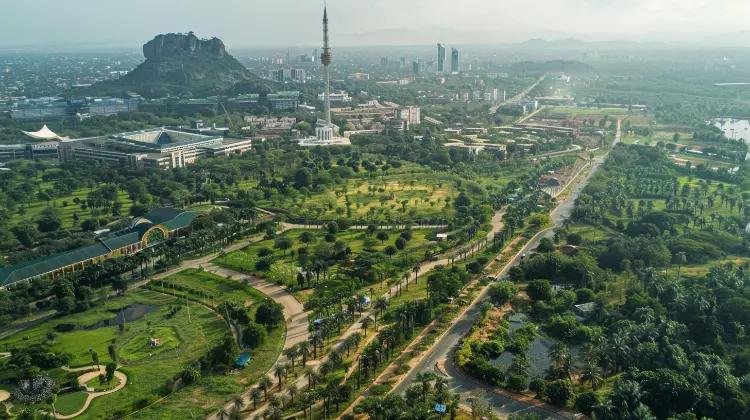
Abuja
Nigeria’s purpose-built capital offers wide boulevards, impressive architecture, and surrounding granite hills.
Major attractions include:
- Aso Rock
- Millennium Park
- National Mosque
- National Christian Centre
- Jabi Lake
- Arts and crafts markets
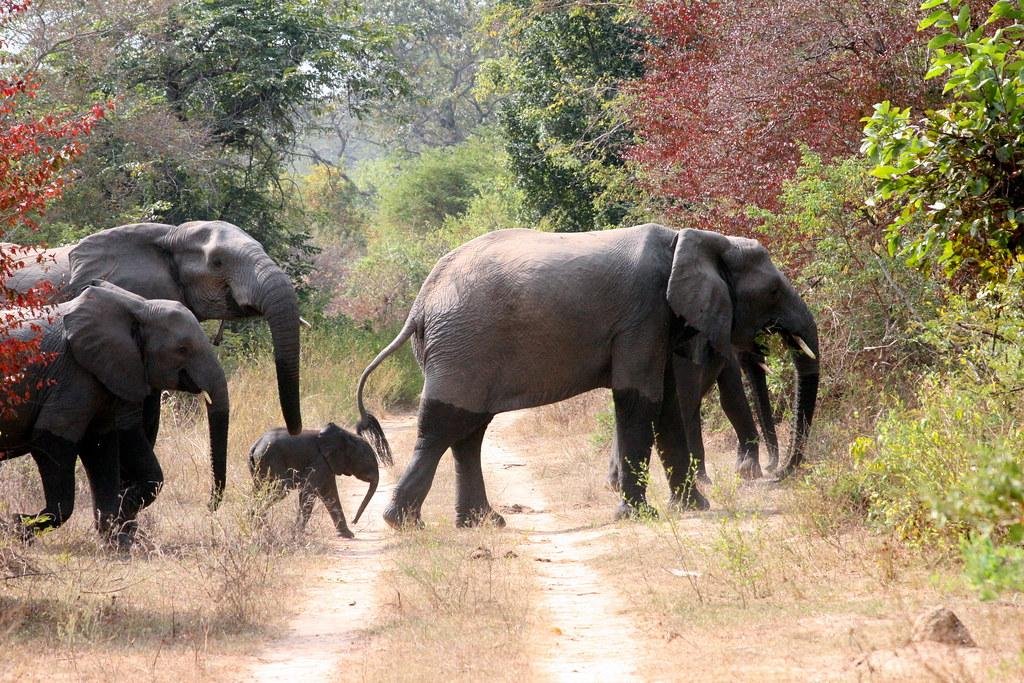
Yankari National Park
The country’s best-known wildlife reserve protects elephants, buffalo, baboons, antelope, and numerous bird species.
Visitors also enjoy:
- Wikki Warm Springs
- Guided safaris
- Nature trails
- Camping
Olumo Rock
Located in Abeokuta, Olumo Rock played an important defensive role during the Yoruba wars.
Today visitors can explore:
- Granite formations
- Historic caves
- Panoramic viewpoints
- Cultural museums
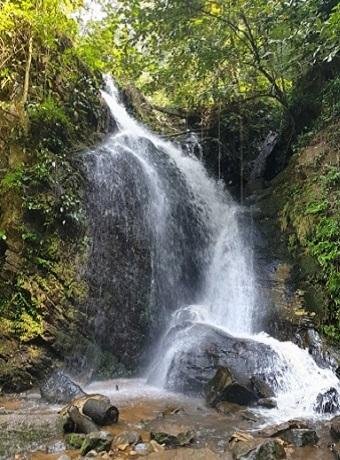
Erin Ijesha Waterfalls
Also known as Olumirin Falls, this multi-level waterfall is among Nigeria’s most scenic natural attractions.
Cross River National Park
One of West Africa’s richest rainforest ecosystems, home to:
- Primates
- Forest elephants
- Rare birds
- Hiking opportunities
Osun-Osogbo Sacred Grove
This UNESCO World Heritage Site preserves sacred forests, shrines, sculptures, and centuries-old Yoruba spiritual traditions.
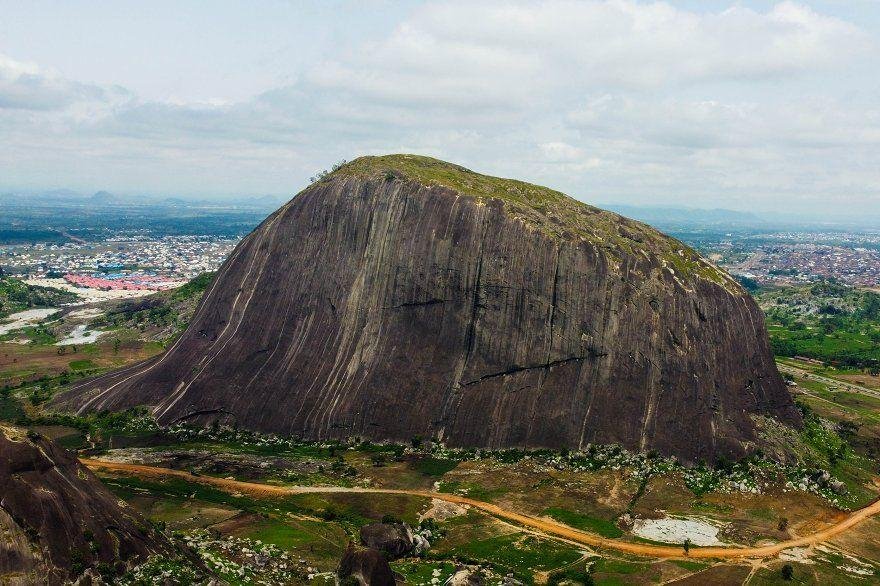
Zuma Rock
Often called the “Gateway to Abuja,” this massive granite monolith rises dramatically above the surrounding landscape and is one of Nigeria’s most recognizable landmarks.
Best Time to Visit
Nigeria experiences tropical climates with regional variations.
| Season | Conditions |
|---|---|
| November – February | Dry season, best for travel |
| March – May | Hot temperatures |
| June – October | Rainy season (especially south) |
Northern Nigeria remains drier than the humid southern coastal regions.
Regions of Nigeria
Southwest
Known for:
- Lagos
- Ibadan
- Abeokuta
- Yoruba culture
- Atlantic beaches
Southeast
Highlights include:
- Rainforests
- Waterfalls
- Igbo heritage
- Scenic landscapes
Central Nigeria
Features:
- Abuja
- Jos Plateau
- National parks
- Rock formations
Northern Nigeria
Home to:
- Kano
- Ancient emirates
- Sahel landscapes
- Historic trade routes
Travel conditions vary by region.
South-South
Includes:
- Niger Delta
- Coastal wetlands
- Mangrove forests
- Rivers
- Oil-producing regions
Suggested Road Trips & Itineraries
7-Day Highlights
- Abuja
- Zuma Rock
- Yankari National Park
10-Day Southwest Circuit
- Lagos
- Abeokuta
- Osogbo
- Erin Ijesha Waterfalls
Two-Week Nigeria Explorer
Possible route:
- Lagos
- Abuja
- Jos Plateau
- Yankari National Park
- Kano
Three-Week Grand Nigeria Journey
Explore:
- Southwest
- Central Plateau
- National parks
- Northern heritage cities
- Atlantic coast
Overlanding in Nigeria
4
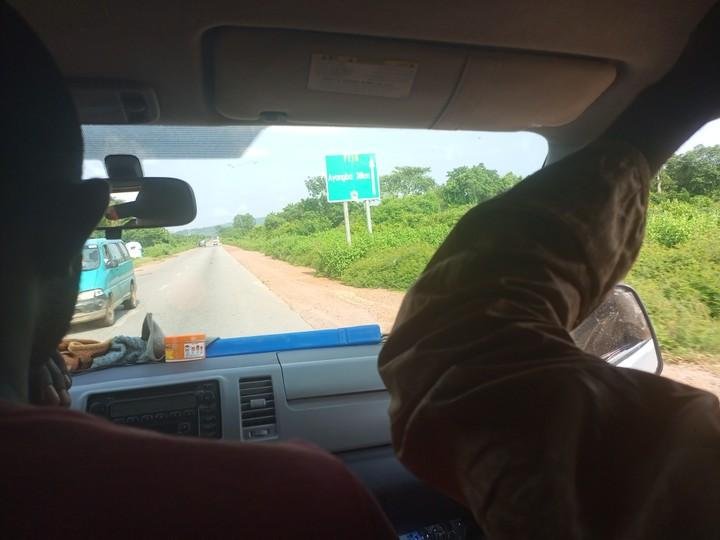
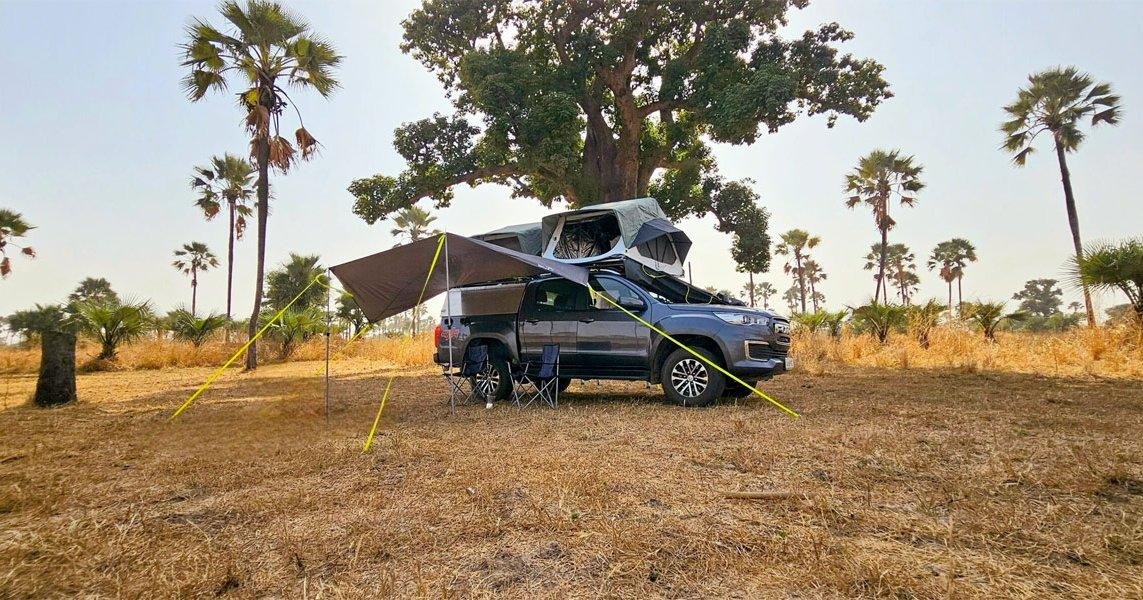
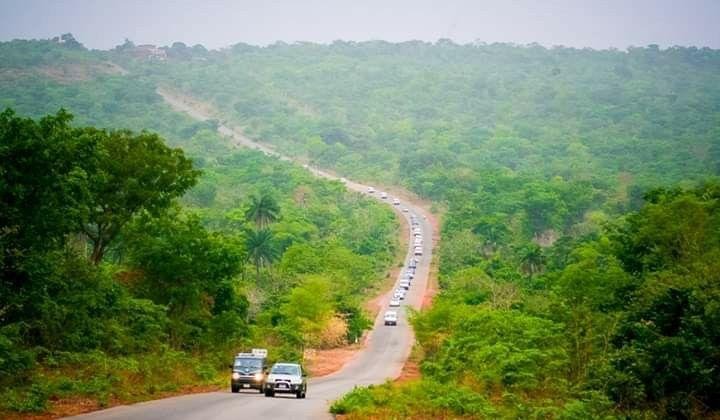
Nigeria plays an important role in many West African overland journeys. With its extensive highway network and strategic location, it connects travelers moving between Benin, Niger, Cameroon, and beyond.
Why Overlanders Visit Nigeria
The country offers:
- Good highway infrastructure
- Diverse landscapes
- Cultural diversity
- National parks
- Large cities
- Atlantic coastline
- Historic kingdoms
- Access to neighboring countries
Nigeria is often included in longer expeditions across West Africa rather than as a stand-alone overlanding destination.
Popular Overland Routes
Benin Border – Lagos
The principal western entry route connecting with Cotonou.
Lagos – Abuja
One of Nigeria’s busiest highways, linking the commercial and political capitals.
Abuja – Yankari National Park
A popular inland route for wildlife enthusiasts.
Abuja – Kano
A historic route through northern Nigeria.
Nigeria – Cameroon
Eastern border crossings connect with Cameroon’s western highlands.
Nigeria – Niger
Northern crossings historically linked travelers with the Sahel.
Border accessibility and security should always be checked before travel.
Road Conditions
Nigeria’s road network includes:
- Modern expressways
- Well-maintained highways
- Rural paved roads
- Gravel roads
- Urban congestion
Conditions vary considerably by state.
Fuel & Vehicle Preparation
Fuel is widely available in populated regions. Travelers should nevertheless carry:
- Drinking water
- Spare tires
- Basic repair tools
- Navigation equipment
- Emergency supplies
Continue Planning
Future cluster articles:
- Overlanding Nigeria
- West Africa Overland Route
- Driving Across Nigeria
- Vehicle Preparation
Backpacking in Nigeria
Nigeria rewards travelers interested in culture, music, history, and food rather than traditional sightseeing alone.
Budget Accommodation
Available options include:
- Hostels
- Budget hotels
- Guesthouses
- Business hotels
- Apartments
Accommodation quality is generally highest in major cities.
Transportation
Travel options include:
- Long-distance buses
- Shared taxis
- Domestic flights
- Ride-hailing services
- Ferries in some coastal areas
Domestic aviation is useful for covering the country’s long distances.
Backpacking Highlights
Popular experiences include:
- Lagos nightlife
- Street food
- Markets
- Cultural festivals
- National parks
- Historic cities
- Art galleries
- Beaches
Challenges
Travelers should prepare for:
- Heavy traffic
- Large travel distances
- Regional security differences
- Climate variations
Continue Planning
Future supporting pages:
- Backpacking Nigeria
- Budget Travel Nigeria
- Lagos Backpacking Guide
- Abuja Travel Guide
Camping
Camping opportunities are developing gradually.
National Parks
Some parks provide designated camping facilities.
Wild Camping
Wild camping is generally not recommended without local knowledge or permission due to security and land ownership considerations.
Private Camps
Some lodges and eco-tourism operators offer secure camping areas.
Continue Planning
Potential cluster articles:
- Camping in Nigeria
- National Park Camping
- Outdoor Adventures in Nigeria
RV & Motorhome Travel
Motorhome tourism remains relatively uncommon but is becoming increasingly feasible for experienced travelers.
Suggested RV Routes
Lagos – Abuja
Nigeria’s principal cross-country drive.
Abuja – Yankari
Excellent for wildlife and nature.
Southwest Heritage Route
Lagos → Abeokuta → Osogbo → Ibadan
Cross River Route
Exploring southeastern rainforests and national parks.
Practical Considerations
Motorhome travelers should plan for:
- Secure overnight parking
- Fuel availability
- Urban traffic
- Vehicle maintenance
- Road quality variations
Continue Planning
Future supporting articles:
- Motorhome Travel in Nigeria
- RV Routes in West Africa
- Driving Across Nigeria
Driving in Nigeria
Driving standards vary from modern expressways to rural roads.
Main Highways
Good roads connect:
- Lagos
- Abuja
- Ibadan
- Kaduna
- Kano
- Port Harcourt
Challenges
Drivers should expect:
- Congestion
- Potholes on secondary roads
- Livestock
- Informal roadside markets
- Heavy trucks
Night driving is generally best avoided outside major urban areas.
Border Crossings
Nigeria shares borders with:
- Benin
- Niger
- Chad
- Cameroon
Several land borders serve regional trade and passenger traffic, although operating procedures, opening hours, and security measures may change. Travelers should confirm current border conditions, vehicle import rules, and visa requirements before departure.
Visa & Entry Requirements
Most foreign nationals require a visa or appropriate entry authorization before arriving in Nigeria.
Typical requirements include:
- Passport valid for at least six months
- Visa application
- Passport photographs
- Proof of accommodation
- Return or onward travel
- Evidence of sufficient funds
Yellow fever vaccination is generally required for entry, and travelers should check current health regulations before departure.
Budget & Costs
Estimated daily travel costs:
| Travel Style | Daily Budget |
|---|---|
| Backpacker | US$35–70 |
| Mid-range | US$80–160 |
| Comfortable | US$180+ |
Domestic flights can significantly reduce travel times but increase overall costs.
Safety
Nigeria offers rewarding travel experiences, but security conditions differ considerably by region.
Travelers should:
- Monitor official travel advisories
- Research destinations individually
- Avoid areas with ongoing security incidents
- Use reputable transportation
- Secure valuables
- Avoid unnecessary night travel
- Remain aware of local conditions
Many popular destinations receive domestic and international visitors, while some regions are affected by insurgency, banditry, or kidnapping risks and are unsuitable for tourism.
Food & Culture
Nigeria’s cuisine is one of Africa’s richest and most diverse.
Popular dishes include:
- Jollof rice
- Egusi soup
- Pounded yam
- Suya
- Pepper soup
- Moi moi
- Fried plantains
- Fresh seafood
Music is woven into everyday life, from Afrobeat and Afropop to traditional drumming and highlife. Nigeria is also home to Nollywood, one of the world’s largest film industries, and hosts numerous festivals celebrating art, religion, literature, and local traditions.
Visitors will encounter remarkable hospitality across the country, and showing respect for local customs, religious practices, and regional traditions is appreciated.
Frequently Asked Questions
Is Nigeria safe for tourists?
Safety varies significantly by region. Many popular destinations can be visited with careful planning, while others are subject to official travel warnings. Always review current government advisories before traveling.
Can you overland through Nigeria?
Yes. Nigeria is a major transit country for West African overlanding, connecting several neighboring countries via an extensive road network.
Is Nigeria suitable for backpacking?
Yes. Nigeria offers rewarding experiences for independent travelers interested in culture, music, history, food, and urban exploration, provided they plan carefully and remain aware of regional conditions.
Can you travel by motorhome in Nigeria?
Experienced RV travelers can explore much of the country using the main highway network, although route planning and secure overnight stops are important.
What is Nigeria famous for?
Nigeria is internationally known for:
- Lagos
- Afrobeat music
- Nollywood
- Jollof rice
- Yankari National Park
- Zuma Rock
- Osun-Osogbo Sacred Grove
- Cultural diversity
Continue Planning
This cornerstone guide serves as the gateway to Nigeria and can support a complete network of detailed travel resources, including:
- Overlanding in Nigeria
- Backpacking Nigeria
- Motorhome & RV Travel in Nigeria
- Camping in Nigeria
- Driving in Nigeria
- Border Crossings in Nigeria
- Nigeria Visa Guide
- Lagos Travel Guide
- Abuja Travel Guide
- Yankari National Park Guide
- Osun-Osogbo Sacred Grove Guide
- West Africa Overlanding Guide
- West Africa Backpacking Guide
- Transport in Nigeria
- Overlanding in Nigeria