Ancient Pyramids, Nile Adventures, Vast Deserts & Overland Expeditions

6
Sudan Travel Guide
Sudan is one of Africa’s most historically significant countries, home to more pyramids than Egypt, ancient Nubian kingdoms, vast deserts, and thousands of years of civilization along the Nile. Stretching from the Sahara Desert to the fertile banks of the Blue and White Nile, Sudan has long been a crossroads of African, Arab, and Mediterranean cultures. Although tourism has always been relatively limited, the country’s archaeological heritage, remote landscapes, and welcoming traditions have attracted adventurous travelers, historians, photographers, and overlanders for decades.
Important: Sudan is currently affected by an ongoing armed conflict that has significantly impacted security, transportation, infrastructure, and tourism. Many governments advise against travel to all or most of Sudan. This guide is intended as a long-term destination overview and travel planning resource rather than a recommendation to travel under current conditions. Before considering any trip, travelers should consult official government travel advisories and monitor the latest developments.
Bordered by Egypt, Libya, Chad, the Central African Republic, South Sudan, Ethiopia, and Eritrea, Sudan occupies a strategic position linking North Africa, East Africa, and the Sahel. The Nile flows through the heart of the country, connecting archaeological treasures including Meroë, Jebel Barkal, Nuri, and the ancient city of Old Dongola. Beyond the Nile Valley lie immense deserts, volcanic mountains, Red Sea coral reefs, traditional villages, and remote national parks.
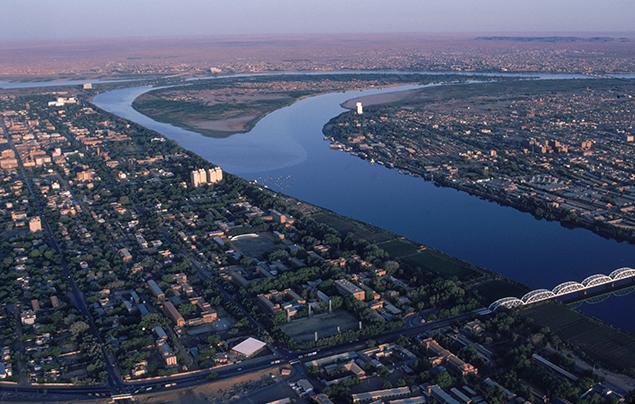
Khartoum, where the Blue and White Nile meet, has historically served as the country’s political, cultural, and commercial center. Further north, the UNESCO World Heritage Site of Meroë preserves one of the world’s most remarkable collections of Nubian pyramids, while the Red Sea coast offers exceptional diving among coral reefs that remain largely untouched compared with other parts of the region.
For overlanders, Sudan has traditionally formed an important section of the Cairo-to-Cape Town route, linking Egypt with East Africa. Backpackers have long appreciated its archaeological sites and authentic cultural experiences, while expedition-style RV travelers have enjoyed some of Africa’s greatest desert drives. Current security conditions mean these journeys are generally not feasible at present, but they remain important parts of Sudan’s long-term travel landscape.
This guide introduces Sudan’s history, geography, and principal attractions while serving as the cornerstone travel hub for future articles covering overlanding, backpacking, camping, driving, border crossings, visas, archaeology, and regional travel planning.
Quick Facts
| Item | Information |
|---|---|
| Capital | Khartoum |
| Currency | Sudanese Pound (SDG) |
| Official Languages | Arabic and English |
| Population | Approximately 50 million |
| Time Zone | UTC+2 |
| Driving | Right-hand side |
| Country Code | +249 |
Why Visit Sudan?
Sudan offers one of Africa’s richest collections of archaeological sites together with extraordinary desert scenery and centuries of Nubian history.
Highlights include:
- Meroë Pyramids
- Jebel Barkal
- Nubian civilization
- Nile River
- Desert expeditions
- Red Sea diving
- Ancient temples
- Traditional villages
- Sahara landscapes
- Historic caravan routes
- Archaeology
- Exceptional stargazing
When conditions eventually allow tourism to resume more broadly, Sudan will remain one of Africa’s most rewarding destinations for travelers interested in history, culture, and desert exploration.
Best Places to Visit
6
Khartoum
Located at the confluence of the Blue and White Nile, Khartoum has historically been Sudan’s political and commercial center.
Highlights include:
- Nile confluence
- National Museum
- Markets
- Historic districts
- Riverfront
- Cultural institutions
The city traditionally served as the main gateway for visitors exploring the rest of Sudan.
Meroë
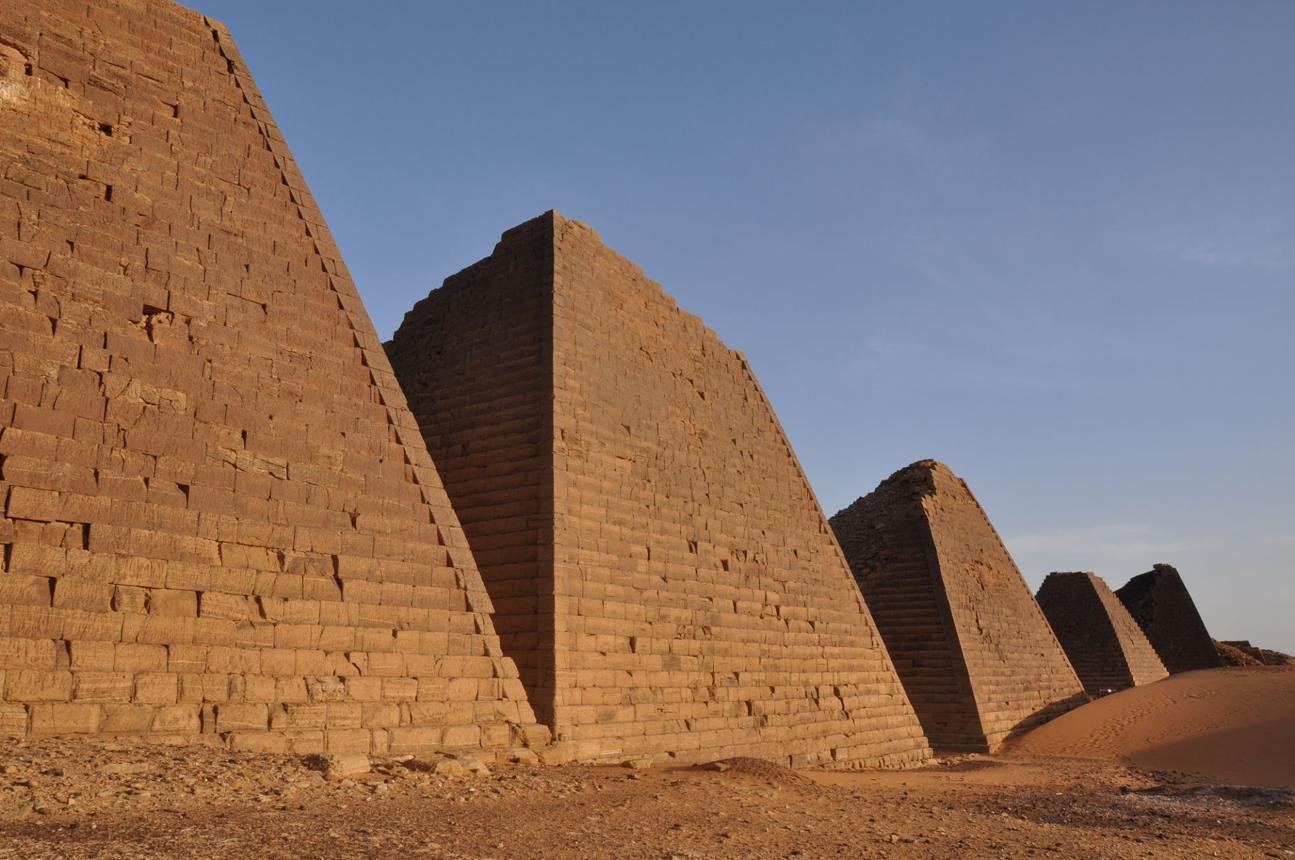
The UNESCO World Heritage Site of Meroë is Sudan’s most famous archaeological destination.
Visitors discover:
- More than 200 Nubian pyramids
- Royal tombs
- Ancient temples
- Desert landscapes
- Outstanding photography opportunities
Unlike many famous archaeological sites elsewhere, Meroë has historically remained remarkably uncrowded.
Jebel Barkal
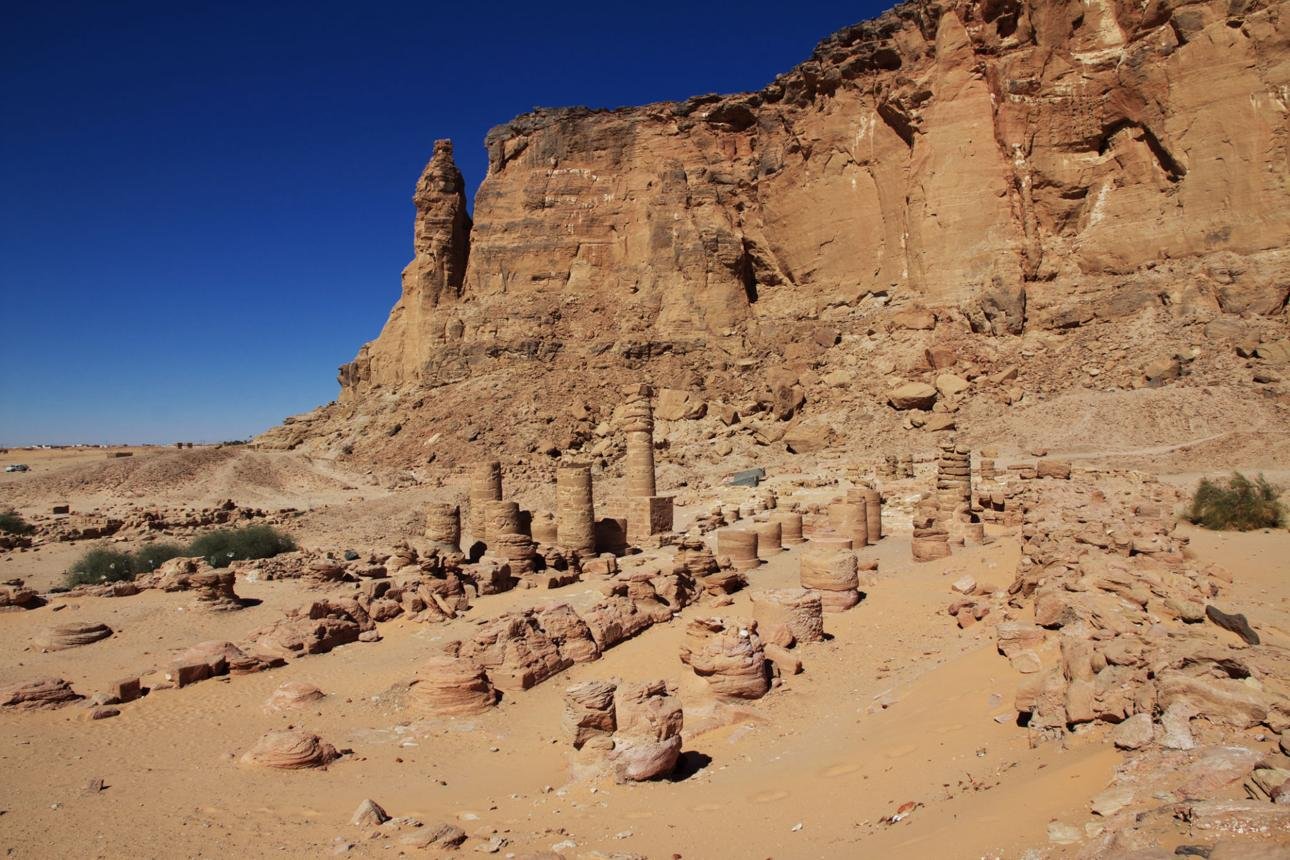
This sandstone mountain and surrounding archaeological complex formed one of the spiritual centers of the ancient Kingdom of Kush.
Highlights include:
- Temples
- Royal palaces
- Pyramids
- UNESCO World Heritage monuments
- Panoramic viewpoints
Nuri
The royal cemetery of Nuri contains numerous pyramids built for Kushite kings and queens.
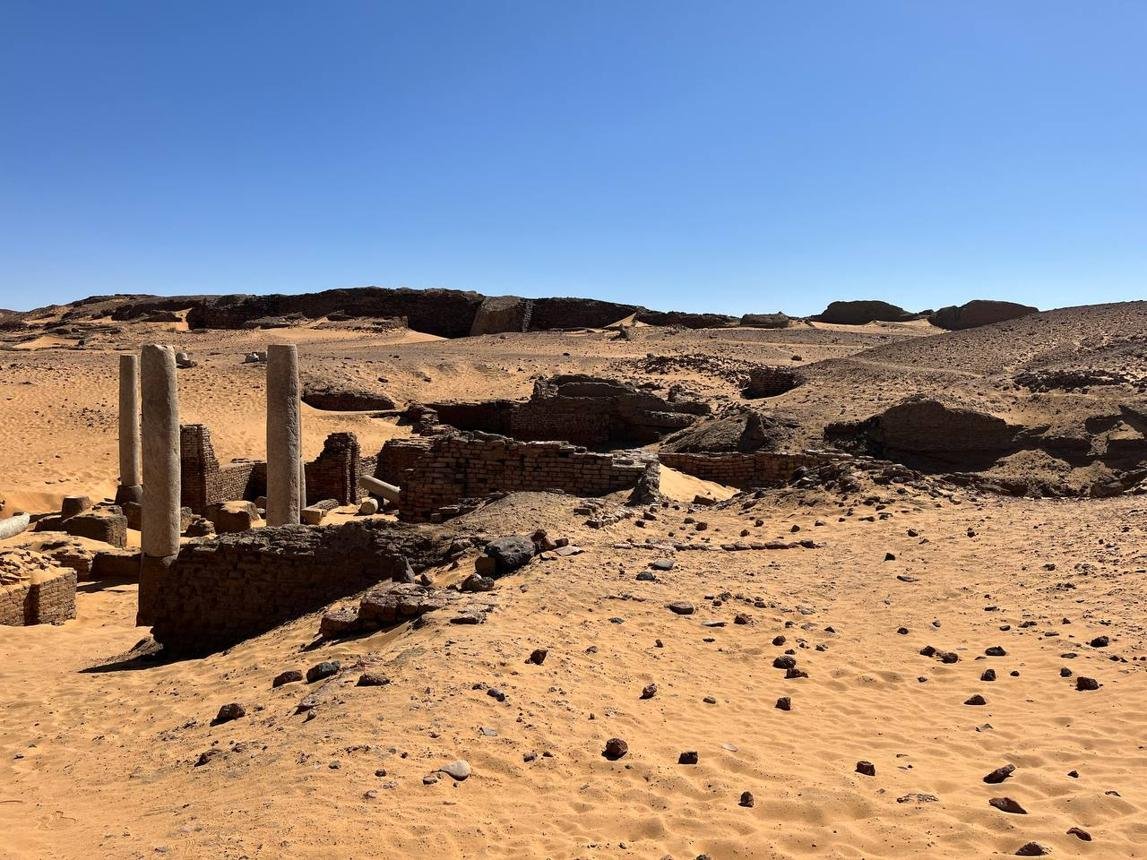
Old Dongola
One of medieval Nubia’s most important cities, Old Dongola preserves churches, monasteries, and archaeological remains spanning many centuries.
Port Sudan
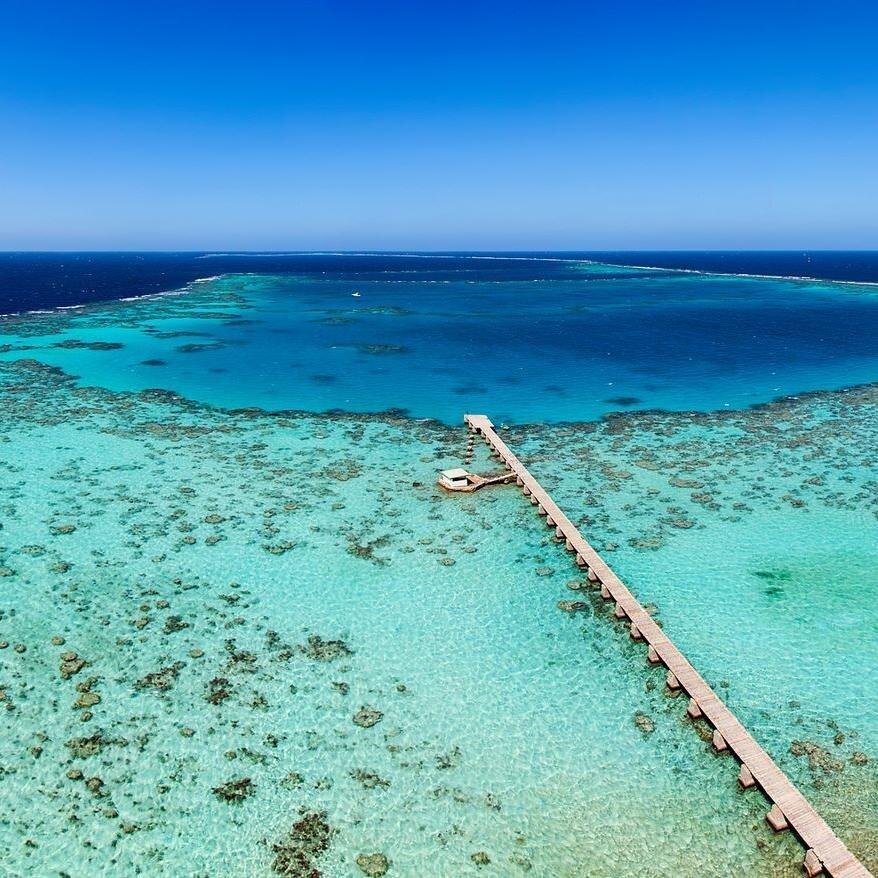
Sudan’s principal Red Sea port offers access to:
- Coral reefs
- Diving
- Snorkeling
- Marine wildlife
- Coastal scenery
Historically, the offshore reefs ranked among the least crowded dive destinations in the world.
Suakin
This historic Red Sea port features coral-stone architecture and centuries of maritime history linking Africa and Arabia.
Bayuda Desert
The Bayuda Desert offers:
- Volcanic landscapes
- Camel caravans
- Sand dunes
- Remote camping
- Ancient caravan routes
Best Time to Visit
Sudan has a predominantly hot desert climate.
| Season | Conditions |
|---|---|
| November – February | Coolest and most comfortable period |
| March – May | Increasing heat |
| June – September | Extremely hot inland with seasonal rain in some southern areas |
| October | Transition toward cooler weather |
Winter traditionally provided the best conditions for archaeological exploration and desert expeditions.
Regions of Sudan
Nile Valley
Home to:
- Khartoum
- Meroë
- Jebel Barkal
- Nubian archaeological sites
Northern Desert
Known for:
- Sahara landscapes
- Camel caravans
- Remote expeditions
Red Sea Coast
Features:
- Port Sudan
- Coral reefs
- Diving
- Marine life
Eastern Sudan
Offers:
- Mountains
- Traditional communities
- Scenic drives
Western Sudan
Characterized by:
- Semi-desert
- Rural landscapes
- Historic trade routes
Travel conditions vary considerably across the country and are heavily influenced by the current security situation.
Suggested Road Trips & Itineraries
5-Day Nubian Heritage Route
Explore:
- Khartoum
- Meroë
- Jebel Barkal
Traditionally the country’s classic archaeological itinerary.
One-Week Nile Expedition
Continue to:
- Old Dongola
- Nubian villages
- Desert landscapes
Two-Week Sudan Explorer
Combine:
- Nile Valley
- Red Sea Coast
- Bayuda Desert
Three-Week Grand Expedition
Experience:
- Archaeology
- Desert crossings
- Coastal diving
- Historic caravan routes
These itineraries reflect Sudan’s long-term tourism potential and should only be considered when conditions permit safe travel.
Overlanding in Sudan

6
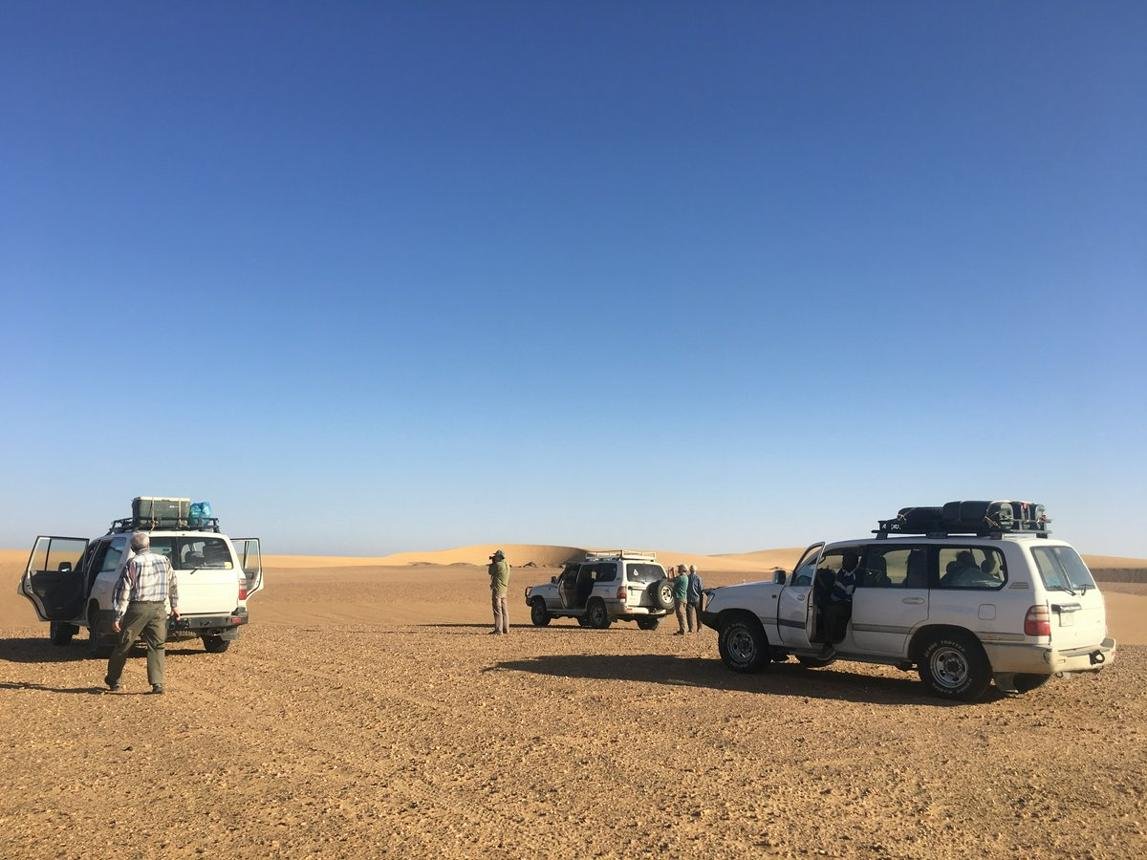
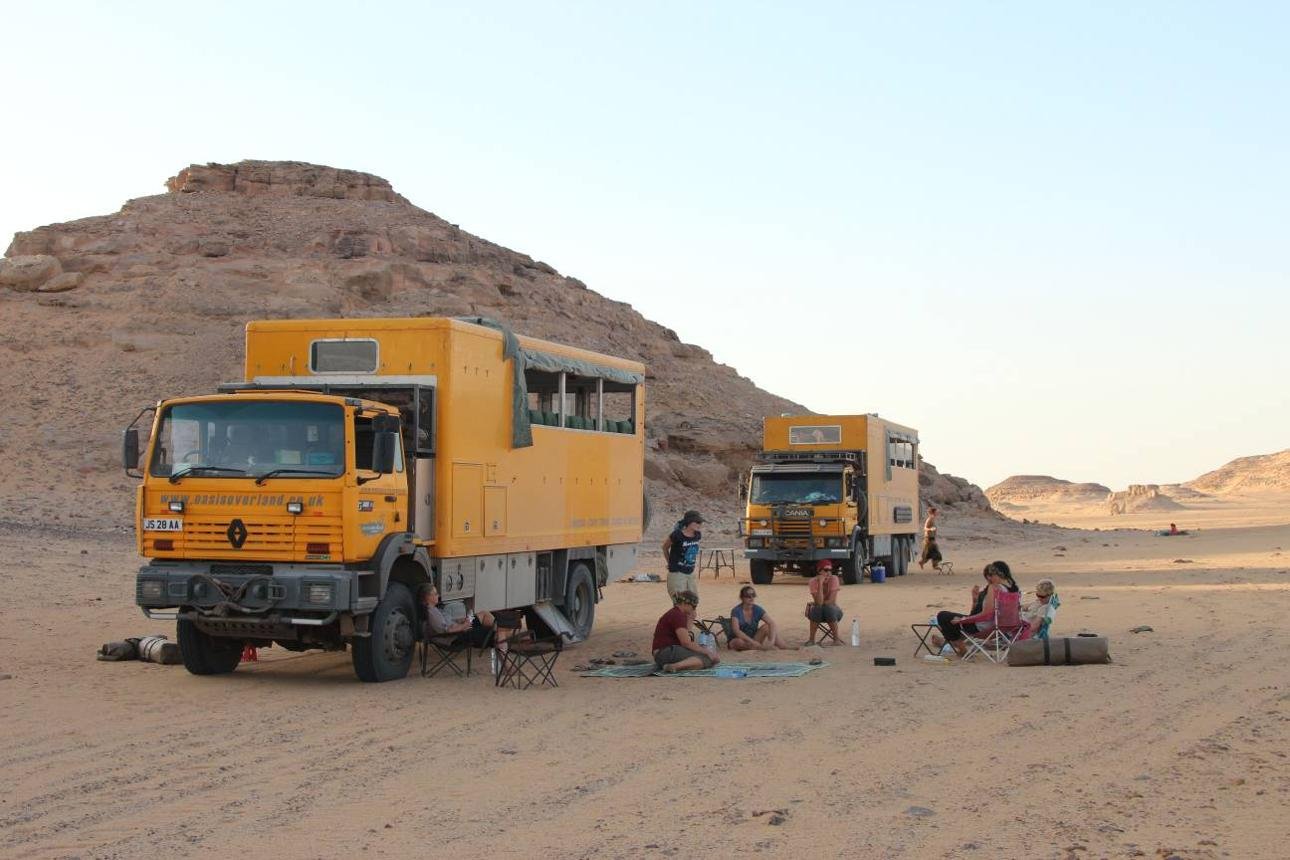
Sudan has historically been one of Africa’s classic overlanding destinations, linking North Africa with East Africa through spectacular desert landscapes and the Nile Valley.
Why Overlanders Visit
Highlights included:
- Desert highways
- Nubian archaeology
- Nile crossings
- Remote camping
- Sahara scenery
- Traditional villages
- Historic caravan routes
For decades, Sudan formed an important section of the Cairo-to-Cape Town overland route.
Popular Overland Routes
Egypt – Wadi Halfa – Khartoum
Historically the principal north-south overland corridor.
Khartoum – Meroë – Karima
A classic archaeological journey following the Nile.
Khartoum – Port Sudan
Connecting the Nile Valley with the Red Sea coast.
Sudan – Ethiopia
Previously used by overlanders continuing into East Africa, subject to border procedures and regional conditions.
Road Conditions
Before the current conflict, travelers encountered:
- Good paved highways between major cities
- Desert roads
- Gravel tracks
- Remote fuel stations
- Long distances between services
Future travelers should expect conditions to evolve significantly following reconstruction and infrastructure recovery.
Vehicle Preparation
Expedition vehicles traditionally carried:
- Extra fuel
- Spare tires
- Recovery equipment
- Satellite communication equipment
- Water reserves
- Spare parts
Future overland expeditions should be planned only after conditions stabilize and official guidance indicates travel is appropriate.
Continue Planning
Future supporting pages:
- Overlanding Sudan
- Cairo to Cape Town Route
- Egypt–Sudan Border Guide
- Nubian Desert Expedition
Backpacking in Sudan
Prior to the conflict, Sudan attracted independent travelers seeking archaeology, history, and authentic cultural experiences.
Accommodation
Historically available options included:
- Budget hotels
- Guesthouses
- Mid-range hotels
- Business hotels
Accommodation availability has been significantly affected by the ongoing conflict.
Transportation
Travel traditionally relied on:
- Long-distance buses
- Shared taxis
- Domestic flights
- River transport
- Organized tours
Future transportation networks will depend on reconstruction and the restoration of tourism infrastructure.
Backpacking Highlights
Historic highlights included:
- Meroë
- Jebel Barkal
- Khartoum
- Suakin
- Nubian villages
- Desert expeditions
Continue Planning
Future cluster pages:
- Backpacking Sudan
- Budget Travel Sudan
- Khartoum Guide
- Meroë Guide
Camping
Sudan has traditionally offered outstanding opportunities for expedition camping.
Desert Camping
The Sahara and Bayuda Desert provide spectacular open landscapes and exceptional night skies.
Nile Camping
Selected riverside locations have historically offered memorable overnight stops during longer expeditions.
Wild Camping
Wild camping was once a popular aspect of overland travel in remote desert regions. Future travelers should carefully follow local regulations and only camp when conditions are safe and appropriate.
Camping Equipment
Bring:
- Desert-rated tent
- Water storage
- Shade shelter
- Navigation equipment
- Comprehensive first-aid kit
Continue Planning
Future pages:
- Camping in Sudan
- Sahara Desert Camping
- Nile Expedition Camping
RV & Motorhome Travel
Before the conflict, Sudan was a rewarding destination for experienced expedition vehicle travelers.
Suggested RV Routes
Nile Route
Wadi Halfa → Meroë → Khartoum
Archaeology Circuit
Khartoum → Jebel Barkal → Old Dongola
Red Sea Route
Khartoum → Port Sudan
Practical Considerations
Expedition travelers traditionally planned for:
- Limited RV infrastructure
- Long driving distances
- Desert conditions
- Fuel planning
- Secure overnight stops
Future self-drive travel will depend on improvements in security and infrastructure.
Continue Planning
Future supporting guides:
- Motorhome Travel in Sudan
- RV Routes in North Africa
- Expedition Vehicle Guide
Driving in Sudan
Driving once offered access to many of Sudan’s archaeological sites and desert landscapes.
Main Roads
Historically, paved highways connected:
- Wadi Halfa
- Khartoum
- Atbara
- Karima
- Port Sudan
Current road accessibility depends on the evolving situation and should be verified before any future travel.
Driving Challenges
Travelers traditionally encountered:
- Extreme heat
- Sand drifts
- Long distances
- Livestock
- Limited services
- Desert conditions
Driving after dark was generally discouraged outside urban areas.
Border Crossings
Sudan shares land borders with:
- Egypt
- Libya
- Chad
- Central African Republic
- South Sudan
- Ethiopia
- Eritrea
Border accessibility has changed significantly because of the ongoing conflict. Before planning any future overland journey, travelers should verify the operational status of border crossings, visa procedures, temporary vehicle import regulations, and official travel advice.
Visa & Entry Requirements
Entry requirements are subject to change and may be affected by the current situation.
Travelers should generally prepare:
- Passport valid for at least six months
- Appropriate visa
- Accommodation details
- Return or onward travel where required
- Sufficient funds
Always consult official government sources before making travel plans.
Budget & Costs
Before the conflict, Sudan was generally considered an affordable destination.
Typical daily budgets were approximately:
| Travel Style | Daily Budget |
|---|---|
| Budget traveler | US$35–70 |
| Mid-range | US$90–180 |
| Comfortable | US$250+ |
| Overlander (excluding vehicle costs) | US$50–110 |
Future travel costs will depend on reconstruction, infrastructure, and tourism services.
Safety
Safety is currently the defining consideration for any travel involving Sudan.
The ongoing armed conflict has created significant risks, including active fighting in many areas, disruptions to infrastructure, and rapidly changing conditions. Many governments advise against travel to all or most of the country.
Anyone considering future travel should:
- Consult official government travel advisories
- Monitor developments continuously
- Delay non-essential travel while conflict continues
- Follow advice from local authorities and international organizations
- Review border conditions and transport availability before departure
When conditions eventually improve, travelers should continue to monitor regional developments, as recovery may vary between different parts of the country.
Food & Culture
Sudanese culture reflects centuries of interaction between Nubian, Arab, African, and Islamic traditions.
Popular foods include:
- Ful medames
- Kisra
- Stewed meats
- Grilled lamb
- Fresh fish from the Nile
- Flatbreads
- Dates
- Hibiscus tea
Hospitality is deeply rooted in Sudanese society, and traditional coffee and tea ceremonies remain an important part of everyday life. Music, storytelling, camel culture, and Nubian heritage continue to shape the country’s cultural identity.
Frequently Asked Questions
Is Sudan safe for tourists?
At present, many governments advise against travel to all or most of Sudan because of the ongoing armed conflict. Travelers should carefully review official travel advisories before considering any future visit.
Can you overland through Sudan?
Sudan has historically been a major overlanding destination linking Egypt with East Africa. However, current conditions make most overland travel impractical and unsafe. Future expeditions will depend on improvements in security and border accessibility.
Is Sudan suitable for backpacking?
Historically, Sudan appealed to independent travelers interested in archaeology and Nubian history. At present, tourism is heavily affected by the conflict, and most leisure travel is not advisable.
Can you travel by motorhome?
Before the conflict, Sudan was a rewarding destination for expedition vehicles. RV travel will only become practical again when security conditions, infrastructure, and border access improve.
What is Sudan famous for?
Sudan is renowned for:
- Meroë Pyramids
- Nubian civilization
- Jebel Barkal
- The Nile
- Red Sea coral reefs
- Ancient temples
- Bayuda Desert
- More pyramids than Egypt
Continue Planning
This cornerstone guide serves as the central travel hub for Sudan. As travel conditions evolve in the future, continue planning with these detailed resources:
- Overlanding Sudan
- Backpacking Sudan
- Motorhome & RV Travel in Sudan
- Camping in Sudan
- Driving in Sudan
- Border Crossings in Sudan
- Sudan Visa Guide
- Khartoum Travel Guide
- Meroë Pyramids Guide
- Jebel Barkal Guide
- Old Dongola Guide
- Port Sudan Diving Guide
- Bayuda Desert Expedition Guide
- Cairo to Cape Town Overland Route
- Overlanding in Sudan
- Rural Sudan
- Sudan
- Overlanding in Sudan
- Getting around in Sudan
- Wadi Halfa – Arriving in Sudan
- Dongola – Along the Nile in Sudan
- Sudanese Cemeteries
- Sudanese coffee
- Merowe Pyramids
- White Nile and the Blue Nile
- Khartoum Sights
- Whirling Dervish
- Tomb of the Mahdi – Khartoum sights
- Khartoum