Ancient Ports, Indian Ocean Coastline, Desert Landscapes & Horn of Africa Exploration
Somalia Travel Guide
Somalia occupies one of the most strategic and historically significant locations in Africa. Stretching along more than 3,000 kilometers (1,860 miles) of coastline on the Indian Ocean and the Gulf of Aden, it boasts the longest coastline on mainland Africa. For centuries, Somali ports connected Africa with Arabia, Persia, India, and the wider Indian Ocean trade network, making the region an important center for commerce, culture, and maritime exploration.
Today, Somalia remains one of Africa’s least-visited destinations. While security conditions continue to present significant challenges in many areas of the country, parts of the region—including the self-governing territory of Somaliland—have developed growing tourism sectors centered on archaeology, culture, beaches, and history. Travelers considering a visit should plan carefully, monitor official government travel advisories, and understand that conditions vary considerably between regions.
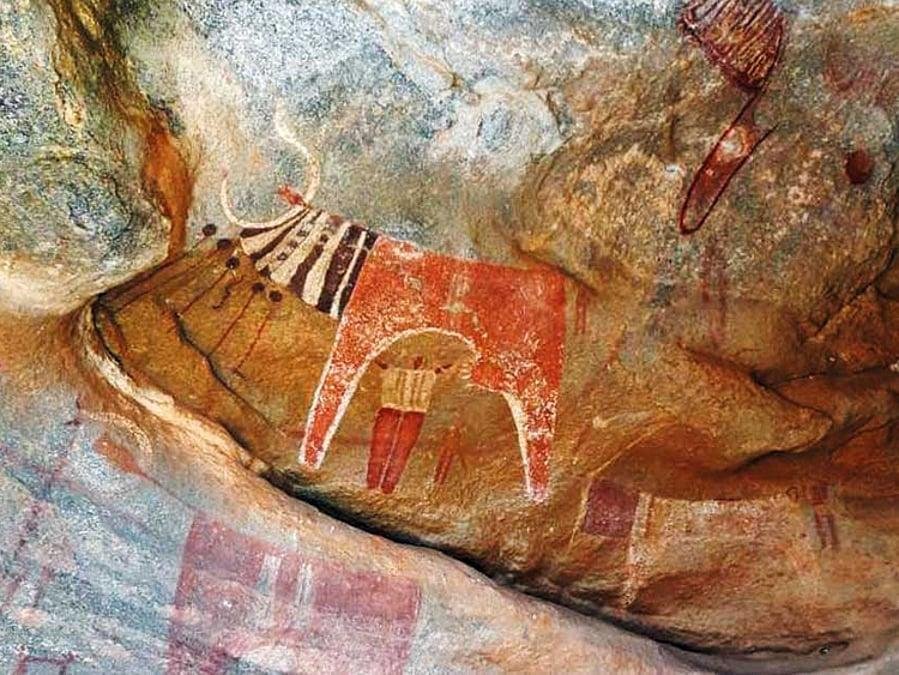
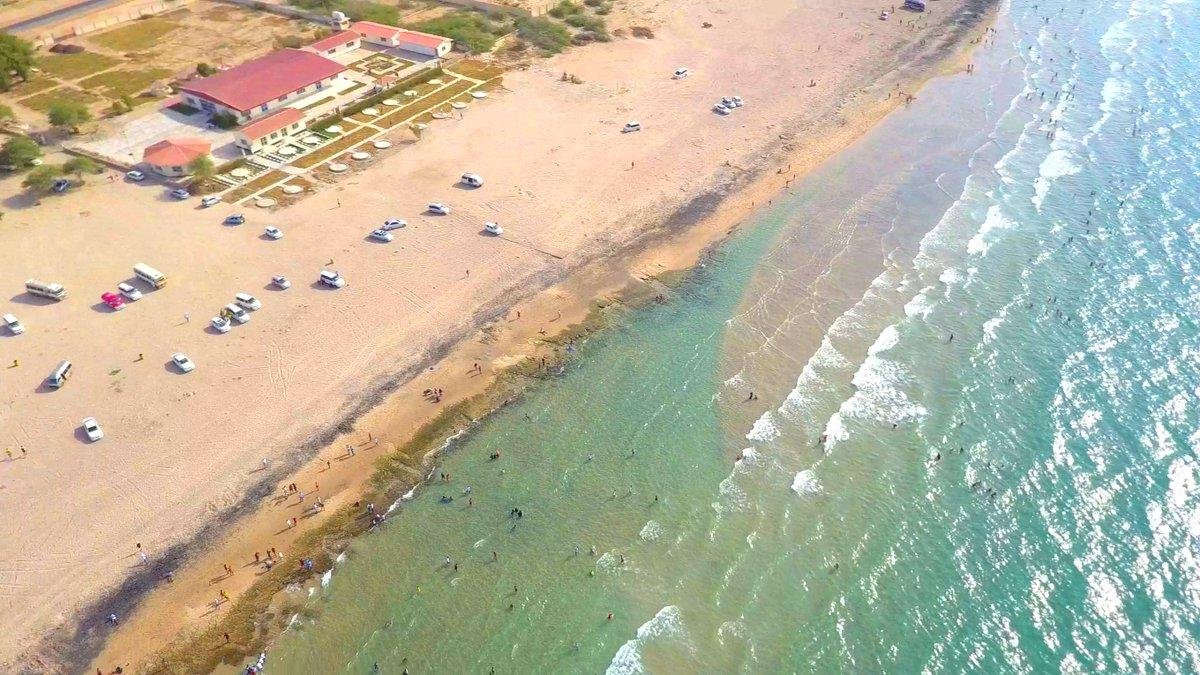
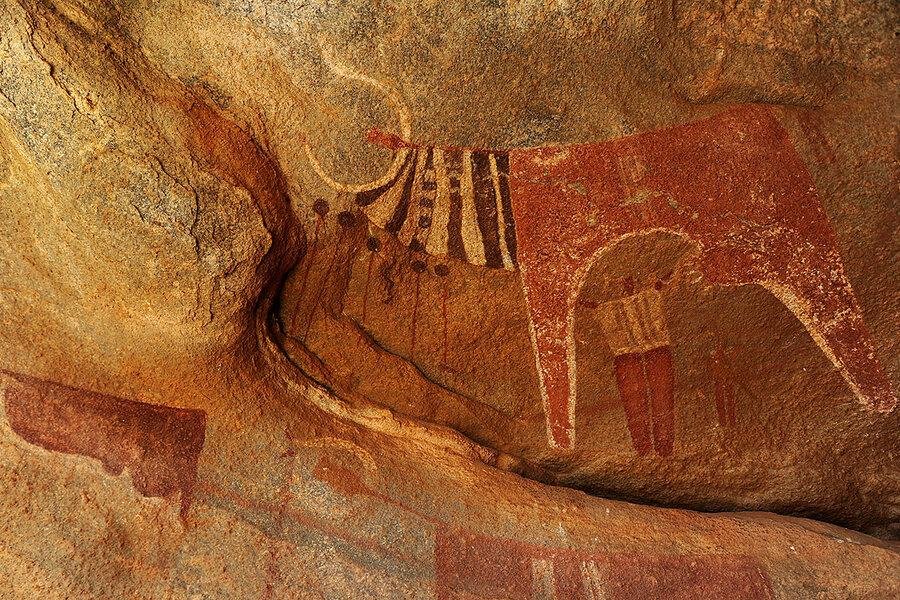
The landscapes are surprisingly diverse. Inland, semi-arid plains give way to rugged mountain ranges and seasonal river valleys. Along the coast, visitors find long stretches of undeveloped white-sand beaches, coral reefs, fishing villages, and historic ports. Northern Somaliland is home to the remarkable Laas Geel cave paintings, among the oldest and best-preserved rock art sites in Africa, while the coastal city of Berbera combines Ottoman architecture with attractive beaches overlooking the Gulf of Aden.
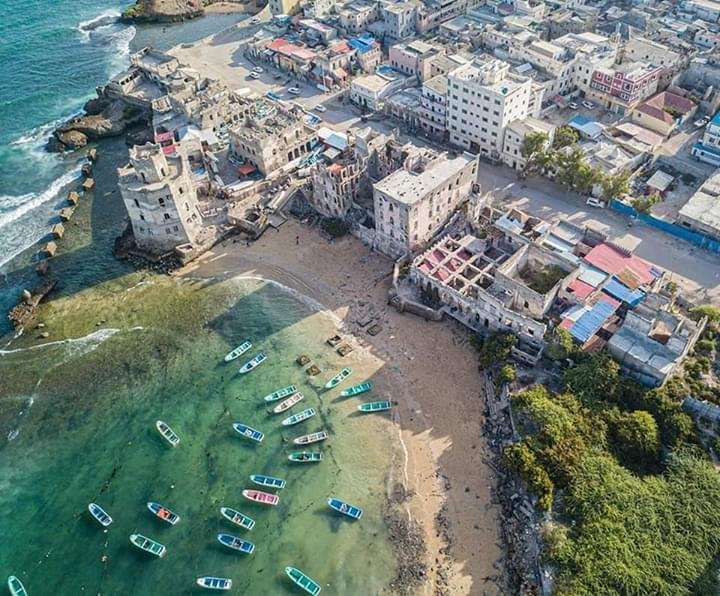
Mogadishu, the capital, is one of East Africa’s oldest cities, with a history spanning more than a thousand years. Historic mosques, Italian colonial architecture, and lively markets reflect the city’s long role as an Indian Ocean trading center. However, travel to Mogadishu and many other parts of Somalia requires careful planning, local expertise, and close attention to current security conditions.
For overlanders, Somalia has historically formed part of trans-Horn of Africa expeditions, although modern overland travel is constrained by border accessibility, security considerations, and permit requirements. Backpackers interested in archaeology, history, and cultural heritage may find Somaliland a more practical introduction to the region. RV travelers should carefully assess route conditions, local regulations, and available services before planning a journey.
This guide provides an overview of Somalia’s geography, history, and major attractions while serving as the cornerstone travel hub for future in-depth articles covering overlanding, backpacking, camping, driving, visas, border crossings, and regional travel planning.
Quick Facts
| Item | Information |
|---|---|
| Capital | Mogadishu |
| Currency | Somali Shilling (SOS) (US dollars are also widely used in many areas) |
| Official Languages | Somali and Arabic |
| Population | Approximately 19 million |
| Time Zone | UTC+3 |
| Driving | Right-hand side |
| Country Code | +252 |
Why Visit Somalia?
For well-prepared travelers, Somalia offers a unique combination of ancient history, dramatic coastlines, archaeological treasures, and authentic cultural experiences.
Highlights include:
- Ancient Indian Ocean ports
- Mogadishu’s historic districts
- Laas Geel cave paintings
- Berbera
- Long Indian Ocean beaches
- Gulf of Aden coastline
- Somali culture
- Traditional markets
- Desert landscapes
- Historic mosques
- Maritime heritage
- Low visitor numbers
Travel is best suited to experienced visitors who understand the logistical and security challenges and carefully plan their itineraries.
Best Places to Visit
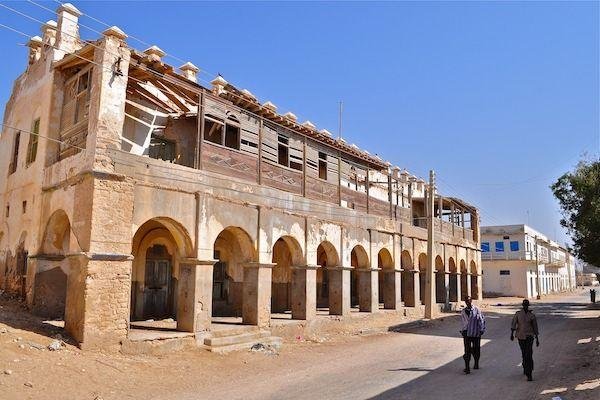
7
Mogadishu
One of Africa’s oldest cities, Mogadishu has served as an important trading port for more than a millennium.
Highlights include:
- Mogadishu Lighthouse
- Liido Beach
- Historic mosques
- Italian colonial buildings
- Bakara Market
- Oceanfront promenade
Access and sightseeing arrangements should always be planned with reputable local operators, and travelers should closely follow current security guidance.
Berbera
Situated on the Gulf of Aden, Berbera is Somaliland’s principal port city and one of the region’s most accessible tourist destinations.
Visitors enjoy:
- Ottoman architecture
- Historic Old Town
- Beaches
- Coral reefs
- Fresh seafood
- Scenic coastline
The city has become an increasingly popular destination for visitors exploring Somaliland.
Laas Geel
Laas Geel contains some of Africa’s finest prehistoric rock art.
Visitors discover:
- Exceptionally preserved cave paintings
- Ancient pastoral scenes
- Archaeological significance
- Desert landscapes
The site is widely regarded as one of the Horn of Africa’s greatest archaeological treasures.
Hargeisa
The capital of Somaliland offers:
- Camel market
- Museums
- Local cafés
- Cultural experiences
- Markets
- Contemporary Somali life
It is often used as the starting point for journeys across Somaliland.
Zeila (Saylac)
This historic coastal town near the Djibouti border was once a major medieval trading center linking Africa with Arabia.
Highlights include:
- Historic ruins
- Mosques
- Beaches
- Traditional fishing communities
Kismayo
Located on Somalia’s southern coast, Kismayo has long been an important port city. Travel conditions should be assessed carefully before planning a visit.
Cal Madow Mountains
Northern Somalia features dramatic mountain scenery, endemic wildlife, and opportunities for hiking in remote landscapes.
Best Time to Visit
Much of Somalia has a hot, arid climate, although conditions vary between coastal areas and the interior.
| Season | Conditions |
|---|---|
| December – February | Generally cooler and more comfortable |
| March – May | Warm to hot, occasional seasonal rains |
| June – September | Hot, with coastal influences moderating temperatures in some areas |
| October – November | Short rainy season in many regions |
Travel planning should consider both weather and current local conditions.
Regions of Somalia
Mogadishu & Benadir
Home to:
- Mogadishu
- Historic sites
- Beaches
- Markets
Somaliland
Known for:
- Hargeisa
- Berbera
- Laas Geel
- Gulf of Aden coastline
Although internationally recognized as part of Somalia, Somaliland operates its own administrative institutions and has separate entry procedures for many travelers.
Puntland
Offers:
- Mountain scenery
- Coastline
- Historic trading communities
Travel conditions should be carefully assessed before visiting.
Southern Somalia
Features:
- Kismayo
- Jubba River
- Coastal landscapes
Northern Mountains
Known for:
- Cal Madow
- Hiking
- Scenic drives
- Traditional villages
Suggested Road Trips & Itineraries
4-Day Somaliland Highlights
Explore:
- Hargeisa
- Laas Geel
- Berbera
Suitable for travelers focusing on Somaliland.
One-Week Somaliland Explorer
Continue to:
- Zeila
- Coastal scenery
- Mountain viewpoints
Extended Horn of Africa Journey
Subject to current border accessibility and local conditions, experienced travelers may combine Somaliland with neighboring Djibouti and Ethiopia as part of a wider regional itinerary.
Overlanding in Somalia
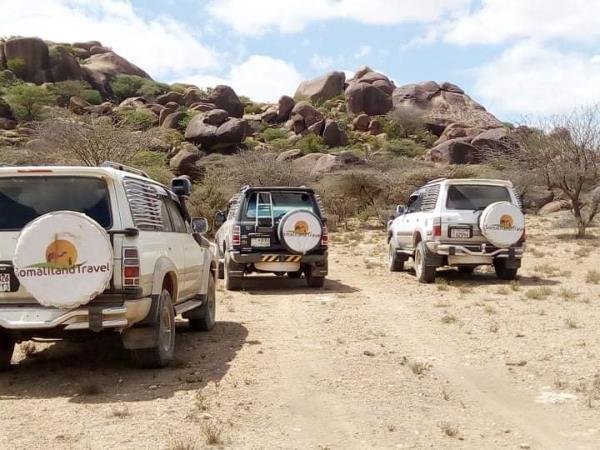
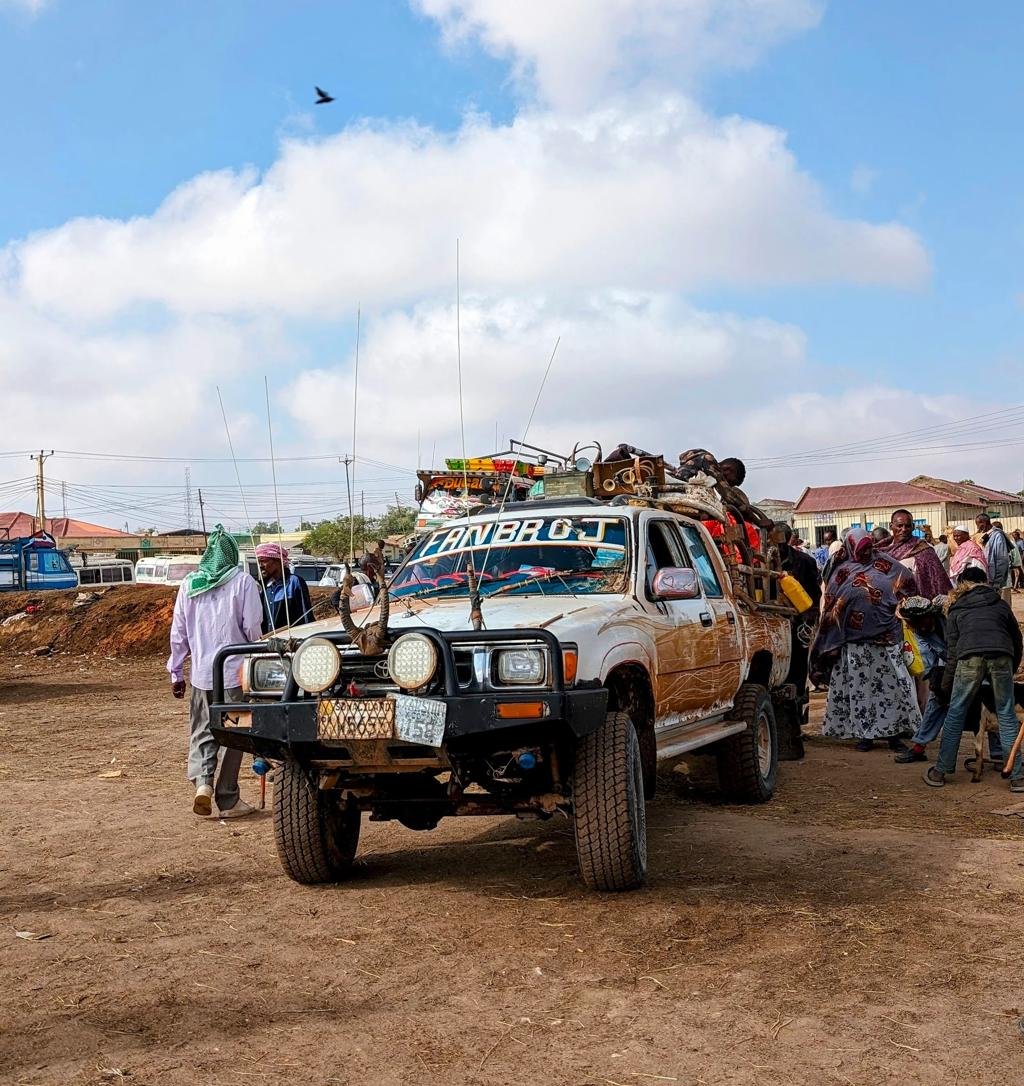
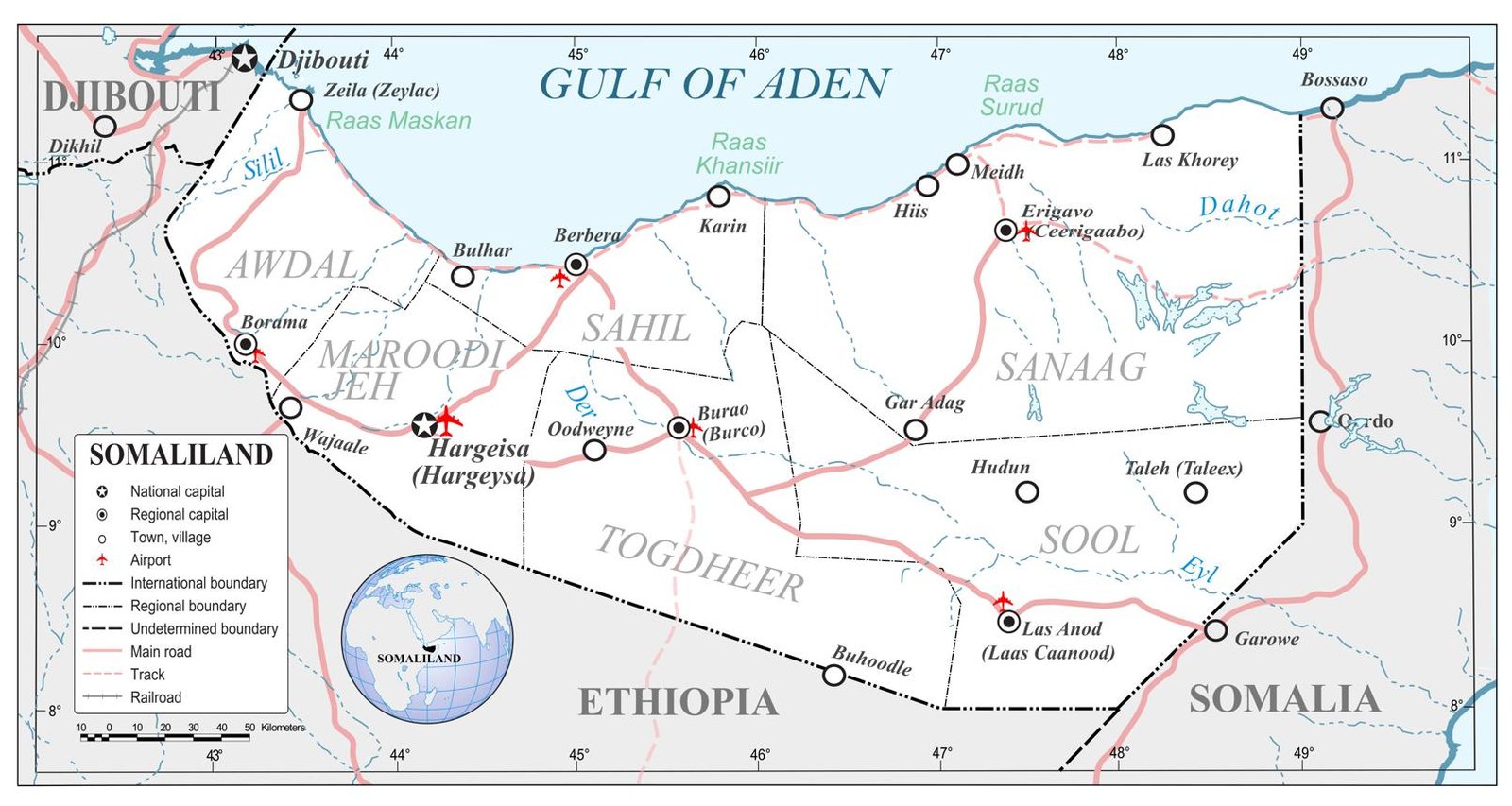
6
Somalia has historically featured in trans-Horn of Africa overland expeditions. Today, route planning requires careful preparation because border access, security conditions, and administrative procedures vary significantly between regions.
Why Overlanders Visit
Potential highlights include:
- Historic ports
- Desert landscapes
- Remote coastal roads
- Ancient archaeology
- Scenic mountains
- Gulf of Aden coastline
- Unique cultural heritage
For many independent travelers, Somaliland currently represents the most practical part of the region for self-drive exploration.
Popular Overland Routes
Djibouti – Somaliland
A commonly considered route linking Djibouti with Hargeisa and Berbera, subject to current border procedures and entry requirements.
Hargeisa – Laas Geel – Berbera
The classic Somaliland road trip.
Hargeisa – Zeila
A scenic journey toward the Gulf of Aden.
Travel elsewhere within Somalia depends on current security conditions and local regulations.
Road Conditions
Expect a mixture of:
- Paved highways
- Gravel roads
- Desert tracks
- Seasonal flood damage
- Variable road quality
Road conditions vary significantly by region.
Vehicle Preparation
Carry:
- Extra fuel
- Drinking water
- Recovery equipment
- Spare tires
- Satellite communication equipment where appropriate
- Offline navigation
Independent travel should only be undertaken after careful planning and with a clear understanding of current local conditions.
Continue Planning
Future supporting pages:
- Overlanding Somalia
- Overlanding Somaliland
- Horn of Africa Overland Route
- Djibouti–Somaliland Border Guide
Backpacking in Somalia
Independent travel opportunities are limited and vary considerably by region. Travelers interested in Somali history and culture often begin with Somaliland because of its archaeological sites, museums, and comparatively established tourism services.
Accommodation
Options include:
- Budget hotels
- Guesthouses
- Mid-range hotels
- Business hotels
Accommodation availability varies widely outside the principal towns.
Transportation
Travel options include:
- Domestic flights
- Shared taxis
- Minibuses
- Private drivers
- Organized tours
For many destinations, arranging transport through experienced local operators is the most practical option.
Backpacking Highlights
Popular experiences include:
- Laas Geel
- Berbera
- Hargeisa
- Historic markets
- Coastal scenery
- Somali cuisine
Continue Planning
Future cluster pages:
- Backpacking Somaliland
- Budget Travel Somaliland
- Hargeisa Travel Guide
- Berbera Travel Guide
Camping
Camping opportunities are limited and generally suitable only for organized expeditions or experienced self-sufficient travelers.
Coastal Camping
Selected beaches may be suitable with local permission and appropriate logistical support.
Desert Camping
Remote desert regions provide opportunities for expedition camping, but careful planning, adequate supplies, and local guidance are essential.
Wild Camping
Wild camping should only be considered after obtaining local advice and ensuring that it is appropriate for the specific area being visited.
Camping Equipment
Bring:
- Desert-rated tent
- Sun shelter
- Water storage
- Satellite communication equipment where appropriate
- Comprehensive first-aid kit
Continue Planning
Future pages:
- Camping in Somaliland
- Desert Camping Guide
- Coastal Camping Guide
RV & Motorhome Travel
Somalia is best suited to experienced expedition travelers using self-contained vehicles and carefully planned routes.
Suggested RV Routes
Somaliland Circuit
Hargeisa → Laas Geel → Berbera
Coastal Route
Berbera → Zeila
Practical Considerations
Motorhome travelers should prepare for:
- Limited RV infrastructure
- Variable fuel availability outside larger towns
- Sparse repair facilities
- Advance route planning
- Secure overnight parking
Hotels and guesthouses may provide parking in some locations, but dedicated RV parks are generally unavailable.
Continue Planning
Future supporting guides:
- Motorhome Travel in Somaliland
- RV Routes in the Horn of Africa
- Campervan Guide Somaliland
Driving in Somalia
Driving conditions vary significantly depending on the region.
Main Roads
Some highways connect:
- Mogadishu
- Hargeisa
- Berbera
- Major regional towns
Road quality ranges from modern paved sections to rough gravel and sand tracks.
Driving Challenges
Travelers may encounter:
- Livestock
- Sand drifts
- Seasonal flooding
- Limited fuel stations
- Long distances between services
Driving after dark should generally be avoided because of road hazards and changing local conditions.
Border Crossings
Somalia shares land borders with:
- Djibouti
- Ethiopia
- Kenya
In addition, Somaliland maintains its own entry procedures for many visitors, although it is internationally recognized as part of Somalia. Border regulations, visa requirements, and crossing availability can change, so travelers should verify current procedures well before departure.
Visa & Entry Requirements
Entry requirements vary depending on the region you intend to visit. Somalia and Somaliland maintain separate immigration procedures in practice, even though Somaliland’s international status remains disputed.
Travelers should prepare:
- Passport valid for at least six months
- Appropriate visa or entry authorization
- Accommodation details
- Return or onward travel where required
- Sufficient funds for the visit
Always confirm the latest immigration requirements through the relevant authorities before traveling.
Budget & Costs
Estimated daily travel expenses vary considerably depending on location, transport, and security arrangements.
| Travel Style | Daily Budget |
|---|---|
| Budget traveler | US$40–80 |
| Mid-range | US$100–220 |
| Comfortable | US$250+ |
| Overlander (excluding vehicle costs) | US$60–140 |
Private transport, guides, and security-related logistics can significantly increase overall travel costs.
Safety
Safety is the most important consideration when planning travel to Somalia. Conditions differ substantially across the country and can change rapidly.
Before visiting:
- Consult official government travel advisories
- Research the specific region you intend to visit
- Consider using experienced local guides or tour operators
- Monitor local developments throughout your trip
- Avoid unnecessary travel after dark
- Follow local advice regarding movement and security
Many governments advise against travel to parts or all of Somalia because of security risks. Travelers should make well-informed decisions based on the latest official guidance and the circumstances of their intended destinations.
Food & Culture
Somali culture reflects centuries of interaction between Africa, Arabia, and the Indian Ocean.
Popular dishes include:
- Bariis iskukaris (spiced rice)
- Camel meat
- Grilled fish
- Sambusas
- Flatbreads
- Fresh seafood
- Dates
- Spiced tea
Hospitality is a central part of Somali culture, and visitors are often welcomed with tea and traditional meals. Poetry, storytelling, music, and camel pastoralism continue to play important roles in many communities, while the coastal regions reflect a rich maritime heritage shaped by centuries of international trade.
Frequently Asked Questions
Is Somalia safe for tourists?
Safety varies greatly by region, and conditions can change quickly. Many governments advise against travel to parts or all of Somalia. Travelers should consult current official travel advisories and carefully assess the specific areas they plan to visit.
Can you overland through Somalia?
Some overland travel is possible in certain regions, particularly Somaliland, but routes require careful planning, awareness of current conditions, and up-to-date information on border procedures and local regulations.
Is Somalia suitable for backpacking?
Independent backpacking opportunities are limited. Travelers interested in the region often focus on Somaliland, where archaeological sites, coastal towns, and tourism infrastructure are more accessible.
Can you travel by motorhome?
Experienced expedition travelers can explore some areas with self-contained vehicles, particularly in Somaliland, but RV infrastructure is very limited and thorough logistical planning is essential.
What is Somalia famous for?
Somalia is known for:
- The longest mainland coastline in Africa
- Ancient Indian Ocean trading ports
- Mogadishu
- Laas Geel cave paintings
- Berbera
- Somali culture
- Gulf of Aden coastline
- Rich maritime history
Continue Planning
This cornerstone guide serves as the central travel hub for Somalia. Continue planning your journey with these detailed resources:
- Overlanding Somalia
- Backpacking Somalia
- Motorhome & RV Travel in Somaliland
- Camping in Somaliland
- Driving in Somalia
- Border Crossings in the Horn of Africa
- Somalia & Somaliland Visa Guide
- Mogadishu Travel Guide
- Hargeisa Travel Guide
- Berbera Travel Guide
- Laas Geel Guide
- Zeila Travel Guide
- Horn of Africa Overlanding Guide
- Transport in Somalia
- Overlanding in Somalia