Wild Atlantic Coast, Ancient Castles, Scenic Road Trips & Celtic Heritage
7
Ireland Travel Guide
Ireland is one of Europe’s most captivating destinations, where rugged coastlines, rolling green hills, ancient castles, lively cities, and warm hospitality combine to create unforgettable travel experiences. Known as the Emerald Isle, Ireland offers dramatic Atlantic scenery, charming villages, historic ruins, vibrant music traditions, and some of the world’s finest road trips.
Located on the western edge of Europe, Ireland occupies most of the island of Ireland and is surrounded by the Atlantic Ocean, the Irish Sea, and the Celtic Sea. Its landscapes range from windswept cliffs and sandy beaches to mountains, lakes, forests, and fertile farmland. Whether you’re exploring medieval castles, hiking coastal trails, driving the Wild Atlantic Way, or enjoying traditional Irish music in a local pub, Ireland offers an ideal mix of culture and nature.
Ireland’s history stretches back thousands of years. Megalithic monuments older than the pyramids, early Christian monasteries, Viking settlements, Norman castles, and Georgian cities all tell the story of a nation shaped by centuries of change. Visitors can explore prehistoric tombs, medieval fortresses, monastic ruins, and literary landmarks while discovering the traditions that continue to define Irish culture today.
Nature lovers will find endless opportunities for outdoor adventure. National parks protect mountains, forests, lakes, and peatlands, while the Atlantic coastline features towering cliffs, hidden beaches, sea arches, and picturesque fishing villages. Wildlife enthusiasts may spot dolphins, seals, whales, puffins, red deer, and countless seabirds.
Ireland is also one of Europe’s best destinations for self-drive holidays. Quiet country roads, scenic coastal routes, and excellent tourism infrastructure make exploring by car or campervan both easy and rewarding. Backpackers benefit from an extensive hostel network and efficient bus services connecting the country’s major attractions.
This guide covers everything you need to plan an unforgettable journey through Ireland.
Quick Facts
| Item | Information |
|---|---|
| Capital | Dublin |
| Currency | Euro (€) |
| Official Languages | Irish (Gaeilge) and English |
| Population | Approximately 5.4 million |
| Time Zone | UTC (UTC+1 during daylight saving time) |
| Driving | Left-hand side |
| Country Code | +353 |
Why Visit Ireland?
Ireland combines spectacular scenery with rich history, welcoming communities, and unforgettable road trips.
Highlights include:
- Dublin
- Cliffs of Moher
- Ring of Kerry
- Wild Atlantic Way
- Giant castles
- Ancient monasteries
- Connemara
- Killarney National Park
- Traditional music
- Coastal villages
- Hiking
- Celtic heritage
Ireland appeals equally to history lovers, photographers, hikers, and travelers seeking scenic drives.
Best Places to Visit
7
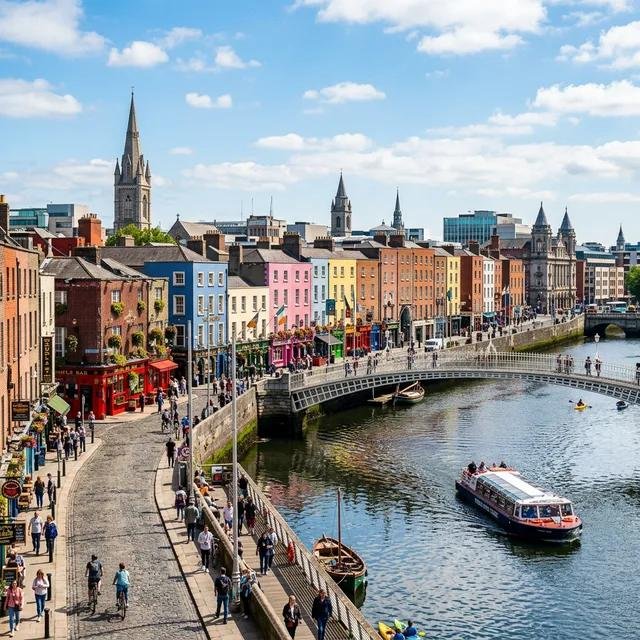
Dublin
Ireland’s lively capital combines history with a thriving cultural scene.
Highlights include:
- Trinity College
- Book of Kells
- Dublin Castle
- Temple Bar
- St. Patrick’s Cathedral
- Guinness Storehouse
- National Museum of Ireland
The city is easily explored on foot and offers excellent nightlife and live music.
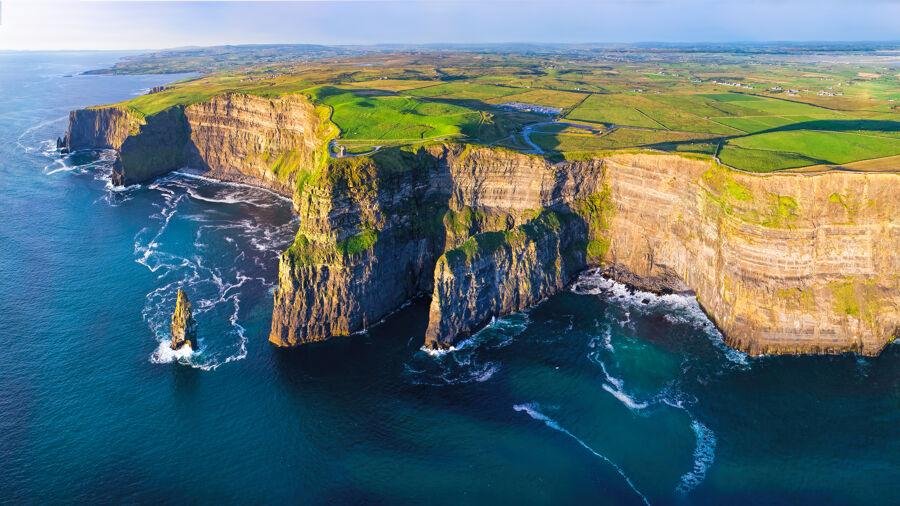
Cliffs of Moher
One of Ireland’s most iconic natural landmarks.
Visitors enjoy:
- Coastal walking trails
- Atlantic Ocean views
- Birdwatching
- Photography
- Visitor centre
The cliffs rise more than 200 meters above the Atlantic Ocean.
Ring of Kerry
This scenic driving route is one of Ireland’s greatest road trips.
Highlights include:
- Mountain passes
- Coastal villages
- Lakes
- Beaches
- Historic sites
- Panoramic viewpoints
Allow a full day—or several days—to fully appreciate the route.
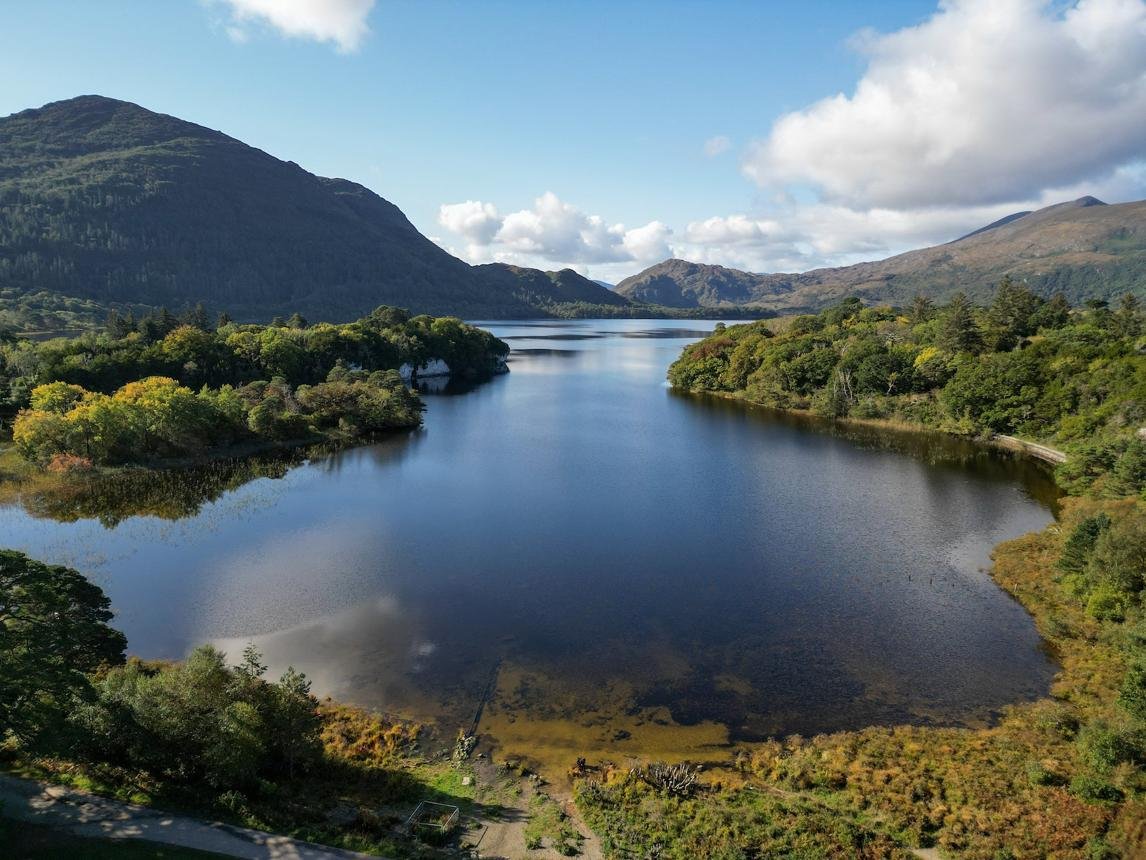
Killarney National Park
Ireland’s first national park offers:
- Lakes
- Waterfalls
- Mountains
- Ancient woodlands
- Red deer
- Historic estates
Popular activities include hiking, cycling, boating, and horse-drawn carriage rides.
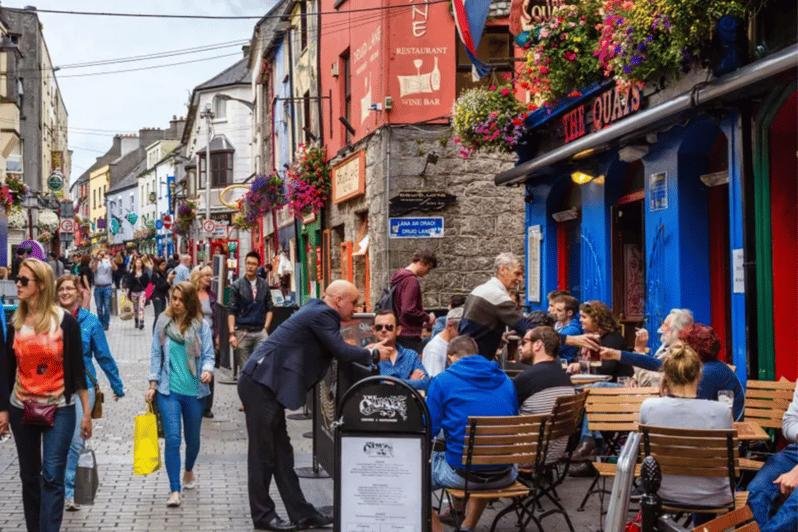
Galway
Known for its artistic atmosphere and traditional music.
Visitors enjoy:
- Latin Quarter
- Eyre Square
- Local pubs
- Festivals
- Seafood restaurants
Galway is also an excellent base for exploring Connemara.
Connemara National Park
A spectacular region of mountains, lakes, bogs, and Atlantic coastline.
Activities include:
- Hiking
- Scenic drives
- Wildlife watching
- Photography
Dingle Peninsula
One of Ireland’s most scenic regions.
Highlights include:
- Slea Head Drive
- Coastal cliffs
- Ancient stone huts
- Sandy beaches
- Traditional villages
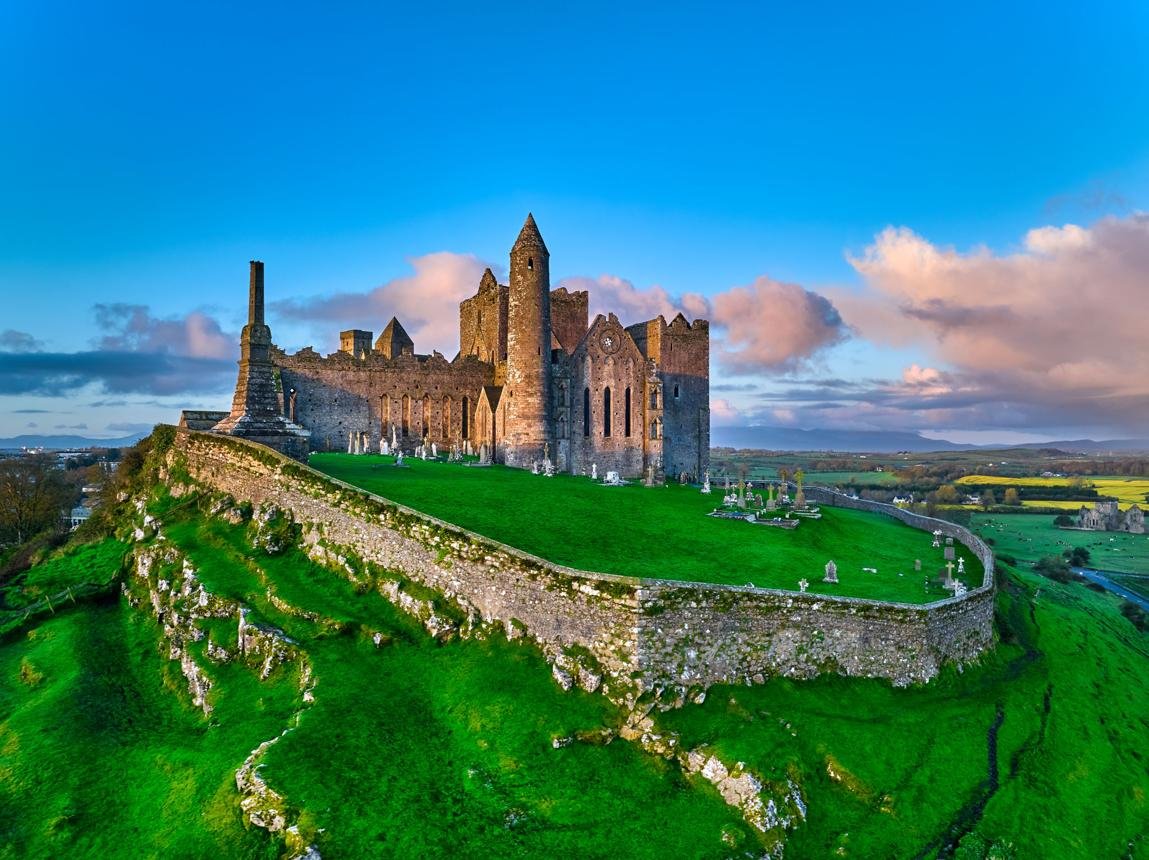
Rock of Cashel
One of Ireland’s most important historic sites.
Visitors can explore:
- Medieval cathedral
- Round tower
- High crosses
- Ancient fortifications
Best Time to Visit
Ireland has a mild maritime climate.
| Season | Conditions |
|---|---|
| May – September | Best weather for sightseeing and road trips |
| June – August | Long daylight hours and festivals |
| September – October | Autumn colors and fewer visitors |
| November – March | Cooler weather with quieter attractions |
Rain is possible throughout the year, so waterproof clothing is recommended regardless of the season.
Regions of Ireland
Dublin & East Coast
Home to:
- Dublin
- Wicklow Mountains
- Historic estates
Southwest Ireland
Known for:
- Ring of Kerry
- Killarney
- Beara Peninsula
West Coast
Features:
- Galway
- Connemara
- Cliffs of Moher
Northwest
Offers:
- Donegal
- Slieve League Cliffs
- Glenveagh National Park
Southern Ireland
Known for:
- Cork
- Cobh
- Historic castles
- Coastal scenery
Suggested Itineraries
4-Day Ireland Highlights
Day 1
- Dublin
- Trinity College
- Temple Bar
Day 2
- Rock of Cashel
- Killarney
Day 3
- Ring of Kerry
Day 4
- Cliffs of Moher
- Galway
Perfect for first-time visitors.
One-Week Ireland Road Trip
Explore:
- Dublin
- Wicklow
- Killarney
- Ring of Kerry
- Cliffs of Moher
- Galway
An excellent introduction to Ireland’s highlights.
Two-Week Grand Ireland Tour
Travel through:
- Dublin
- Kilkenny
- Cork
- Killarney
- Dingle
- Cliffs of Moher
- Galway
- Connemara
- Donegal
Ideal for travelers wanting to experience both famous attractions and quieter regions.
Overlanding in Ireland
6
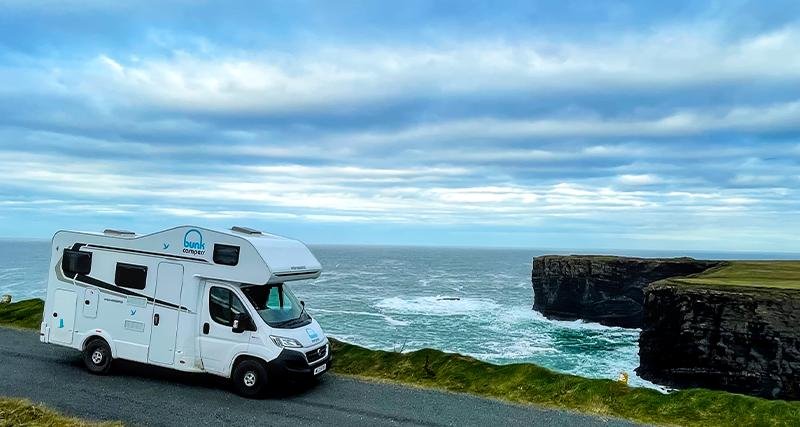
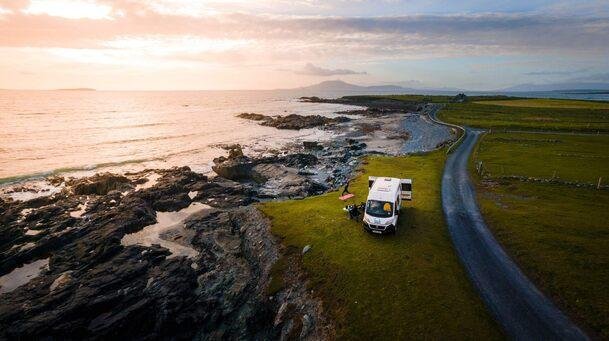
Ireland is one of Europe’s finest destinations for scenic campervan travel.
Why Overlanders Love Ireland
- Wild Atlantic Way
- Scenic mountain passes
- Coastal villages
- Excellent campsites
- Friendly atmosphere
- Historic sites
- Compact driving distances
Many travelers combine Ireland with England, Scotland, or continental Europe via ferry.
Popular Routes
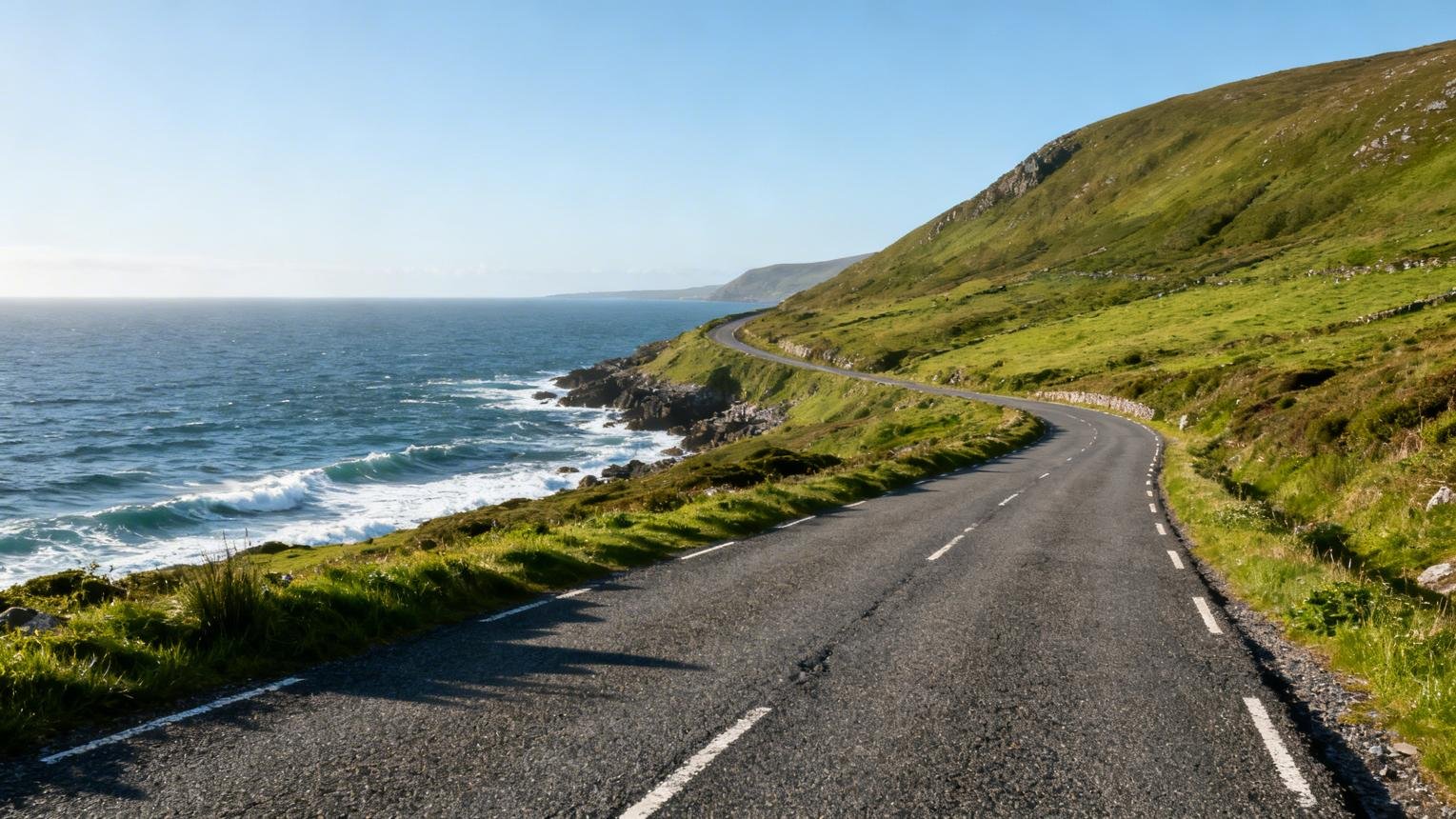
Wild Atlantic Way
Stretching approximately 2,500 kilometers along Ireland’s west coast, this is one of the world’s great coastal drives.
Ring of Kerry
Ireland’s most famous scenic circuit.
Causeway Coastal Route
If combining the Republic of Ireland with Northern Ireland, this route links dramatic cliffs, beaches, and the famous Giant’s Causeway.
Road Conditions
Expect:
- Excellent national roads
- Narrow rural roads
- Scenic coastal routes
- Mountain passes
Drive carefully on country roads, where passing places may be required.
Backpacking in Ireland
Ireland is a favorite destination for independent travelers.
Accommodation
Options include:
- Hostels
- Guesthouses
- Bed and breakfasts
- Hotels
- Campsites
Family-run B&Bs provide a particularly authentic Irish experience.
Transportation
Travel around Ireland using:
- Intercity buses
- Trains
- Regional buses
- Bicycle rentals
Public transport connects all major cities and many smaller towns.
Backpacking Highlights
- Dublin
- Galway
- Killarney
- Cliffs of Moher
- Hiking
- Traditional music
- Castles
Camping
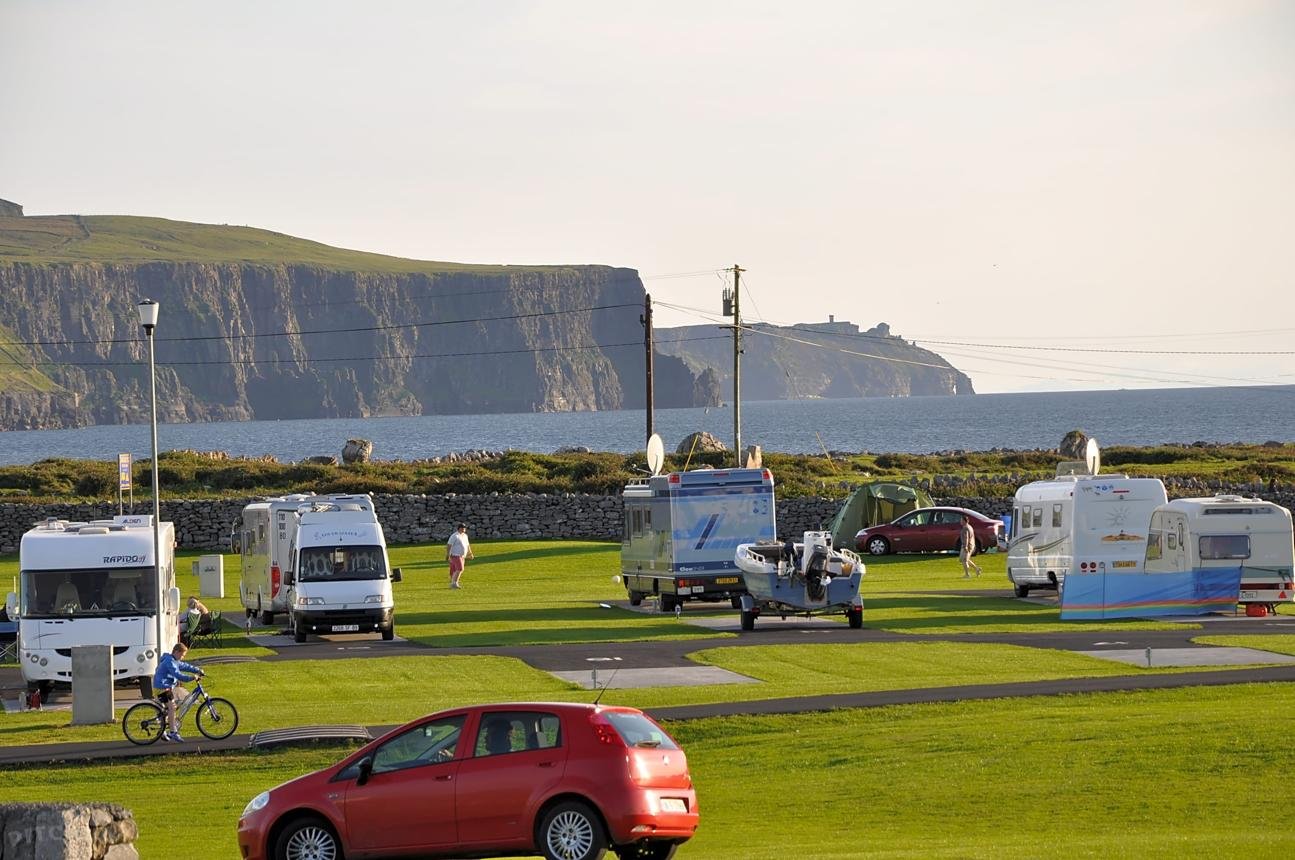
Camping is a popular way to explore Ireland.
Campsites
Well-equipped campgrounds are available throughout:
- Wild Atlantic Way
- Killarney
- Connemara
- Wicklow
- Coastal regions
Facilities often include:
- Hot showers
- Kitchens
- Laundry
- Electricity
- Camper services
Wild Camping
Wild camping is not generally permitted without the landowner’s permission. Some upland and remote areas may tolerate discreet overnight stays, but using official campsites or obtaining permission is the recommended approach.
RV & Motorhome Travel
Ireland is an excellent destination for campervan holidays.
Popular RV Routes
Wild Atlantic Way
One of Europe’s greatest campervan adventures.
Southern Ireland
Dublin → Kilkenny → Cork → Killarney
West Coast Explorer
Galway → Connemara → Mayo → Donegal
Practical Information
Motorhome travelers benefit from:
- Extensive campsite network
- Scenic roads
- Modern service areas
- Reliable fuel stations
Smaller campervans are often easier to manage on narrow rural roads.
Driving in Ireland
Driving offers maximum flexibility.
Main Roads
Modern highways connect:
- Dublin
- Cork
- Galway
- Limerick
- Waterford
Secondary roads provide access to Ireland’s most scenic landscapes.
Things to Know
- Drive on the left.
- Many rural roads are narrow.
- Sheep frequently wander onto roads in rural areas.
- Weather can change quickly along the coast.
Border Crossings
The Republic of Ireland shares a land border with Northern Ireland, which is part of the United Kingdom.
International ferry services connect Ireland with:
- Great Britain
- France
- Spain
These ferry routes make Ireland a popular destination for European road trips and campervan holidays.
Visa & Entry Requirements
Ireland is not part of the Schengen Area.
Many visitors can enter visa-free depending on nationality, while others require an Irish visa.
Before traveling, ensure you have:
- A valid passport
- Any required visa
- Proof of accommodation if requested
- Return or onward travel documentation
If your itinerary includes Northern Ireland, check the separate entry requirements that apply to the United Kingdom.
Budget & Costs
Estimated daily travel expenses:
| Travel Style | Daily Budget |
|---|---|
| Budget traveler | €70–120 |
| Mid-range | €170–280 |
| Comfortable | €350+ |
| Motorhome traveler | €90–180 |
Camping, self-catering accommodation, and supermarket shopping can help reduce travel costs.
Safety
Ireland is one of Europe’s safest travel destinations.
Travel tips include:
- Take normal precautions against petty theft in busy tourist areas.
- Be prepared for rapidly changing weather.
- Exercise caution near cliffs and exposed coastal paths.
- Check local weather forecasts before hiking.
Emergency services are reliable, and English is spoken throughout the country.
Food & Culture
Irish cuisine combines traditional recipes with excellent local produce.
Popular dishes include:
- Irish stew
- Soda bread
- Fish and chips
- Seafood chowder
- Boxty
- Shepherd’s pie
- Full Irish breakfast
Traditional music sessions remain an important part of Irish culture, particularly in towns such as Galway, Dingle, and Westport. Literature, storytelling, Gaelic sports, and centuries-old festivals continue to shape everyday life across the country.
Frequently Asked Questions
Is Ireland expensive?
Ireland is moderately expensive by European standards, although camping, hostels, and self-catering accommodation can help reduce costs.
Is Ireland safe?
Yes. Ireland is considered one of Europe’s safest countries for travelers.
Is Ireland good for road trips?
Absolutely. The Wild Atlantic Way, Ring of Kerry, and numerous scenic coastal routes make Ireland one of Europe’s finest self-drive destinations.
Can you travel Ireland by campervan?
Yes. Ireland has an excellent network of campsites, scenic roads, and ferry connections, making it ideal for campervan holidays.
How many days do you need in Ireland?
A week allows you to experience the main highlights, while two weeks provides enough time to explore the Wild Atlantic Way, the southwest, and the northwest at a relaxed pace.
What is Ireland famous for?
Ireland is best known for:
- Cliffs of Moher
- Dublin
- Wild Atlantic Way
- Ring of Kerry
- Ancient castles
- Traditional Irish music
- Celtic heritage
- Beautiful coastal road trips