Mediterranean Beaches, Roman History & Sahara Adventures
Tunisia may be North Africa’s smallest country, but it offers one of the continent’s greatest concentrations of cultural treasures, diverse landscapes and accessible road trips. From the ancient ruins of Carthage and the Roman amphitheater of El Jem to the whitewashed villages of the Mediterranean coast, the endless dunes of the Sahara Desert and the traditional Berber settlements of the south, Tunisia is a destination that rewards every style of independent travel.
Located between Algeria and Libya, Tunisia has long served as a bridge between Europe, the Mediterranean and the Sahara. Phoenicians, Romans, Byzantines, Arabs, Ottomans and French colonists have all shaped the country’s history, leaving behind remarkable archaeological sites, beautiful architecture and a rich cultural heritage. Today, Tunisia combines centuries of history with modern tourism infrastructure, making it one of the easiest North African countries to explore independently.
Backpackers appreciate Tunisia’s affordable accommodation, efficient public transport and compact geography, while overlanders often begin or end trans-Maghreb expeditions here. Motorhome travelers are increasingly discovering Tunisia as an attractive winter destination thanks to its mild climate, good road network and frequent ferry connections to Europe.
Despite its relatively small size, Tunisia offers remarkable diversity. Within a single journey, you can explore bustling medinas, Roman cities, mountain villages, Mediterranean beaches, salt lakes, date palm oases and vast desert landscapes. Whether you’re interested in history, photography, hiking, diving, overlanding or simply relaxing by the sea, Tunisia provides an ideal introduction to North Africa.
This guide serves as a comprehensive travel hub, introducing Tunisia’s highlights while linking naturally to more detailed articles on destinations, road trips, backpacking, overlanding, RV travel and practical travel planning.
6
Quick Facts
| Information | Details |
|---|---|
| Capital | Tunis |
| Population | Approximately 12 million |
| Area | 163,610 km² |
| Language | Arabic (French widely spoken) |
| Currency | Tunisian Dinar (TND) |
| Time Zone | UTC+1 |
| Driving Side | Right |
| Calling Code | +216 |
| Visa | Visa-free for many nationalities |
| Best Time | March-May & September-November |
Tunisia enjoys a Mediterranean climate in the north with hot, dry summers and mild winters. Southern Tunisia gradually transitions into the Sahara Desert, where temperatures become much more extreme during summer.
Modern infrastructure, excellent highways and short travel distances make Tunisia particularly suitable for self-drive holidays.
Why Visit Tunisia?
Tunisia offers many of North Africa’s greatest experiences within a relatively compact and easily accessible country. Travelers can explore Roman ruins in the morning, relax on Mediterranean beaches in the afternoon and sleep beneath the stars in the Sahara Desert just a few days later.
One of Tunisia’s greatest attractions is its extraordinary archaeological heritage. Ancient Carthage once rivaled Rome for dominance of the Mediterranean, while Roman sites such as El Jem, Dougga and Bulla Regia remain among the finest anywhere in the former Roman Empire.
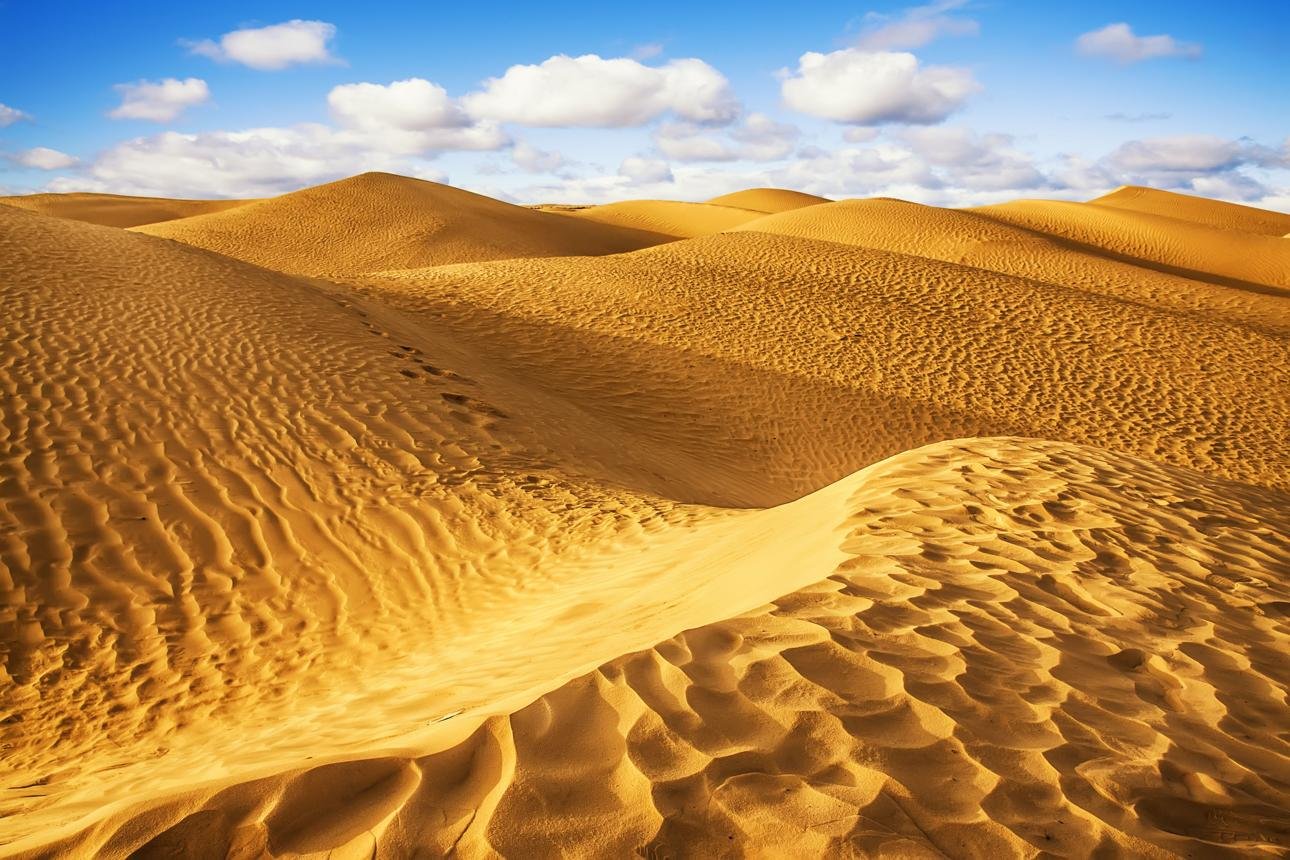
The country is equally appealing for nature lovers. Northern forests, mountain ranges, salt lakes, palm-filled oases and golden desert landscapes create an impressive variety of scenery. Southern Tunisia’s Sahara region offers camel trekking, dune adventures and overnight desert camps, while the Mediterranean coastline attracts beach lovers, divers and water sports enthusiasts.
Tunisia is also famous for its welcoming hospitality and excellent cuisine. Fresh seafood, fragrant couscous, spicy harissa, grilled meats and traditional pastries provide memorable culinary experiences throughout the country.
For independent travelers, Tunisia combines affordability, safety, good transport and manageable travel distances, making it an excellent choice for first-time visitors to North Africa.
Best Places to Visit
Tunis
Tunisia’s capital combines a UNESCO-listed medina with modern boulevards, museums and nearby archaeological sites. The National Bardo Museum houses one of the world’s finest collections of Roman mosaics.
Recommended stay: 2–3 days
Carthage
Once Rome’s greatest rival, Carthage now offers fascinating archaeological remains overlooking the Mediterranean. Roman villas, baths and Punic ruins tell the story of one of history’s greatest civilizations.
Recommended stay: Half day
Sidi Bou Said
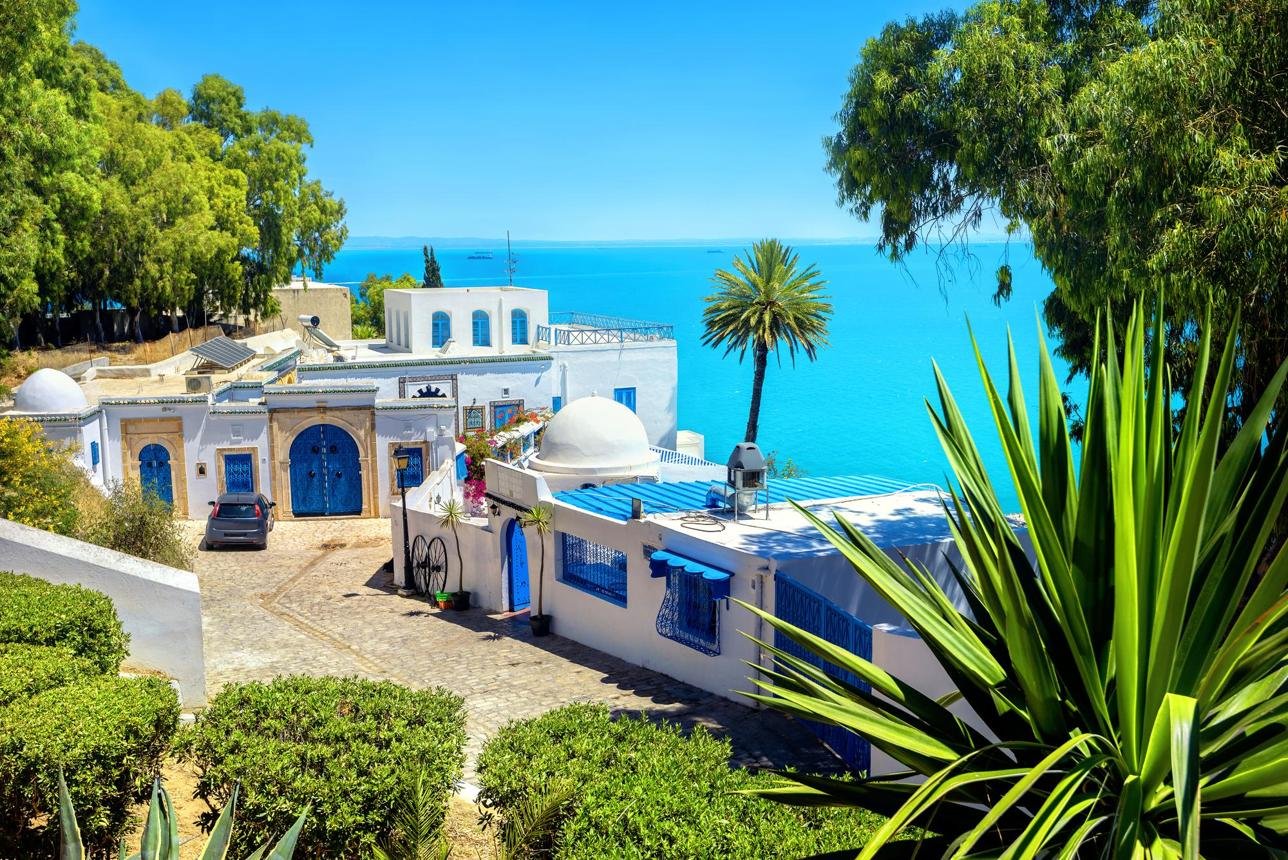
Famous for its whitewashed buildings with blue doors and shutters, Sidi Bou Said is one of Tunisia’s most picturesque villages. Narrow streets, art galleries and panoramic sea views attract photographers year-round.
Recommended stay: Half to one day
El Jem
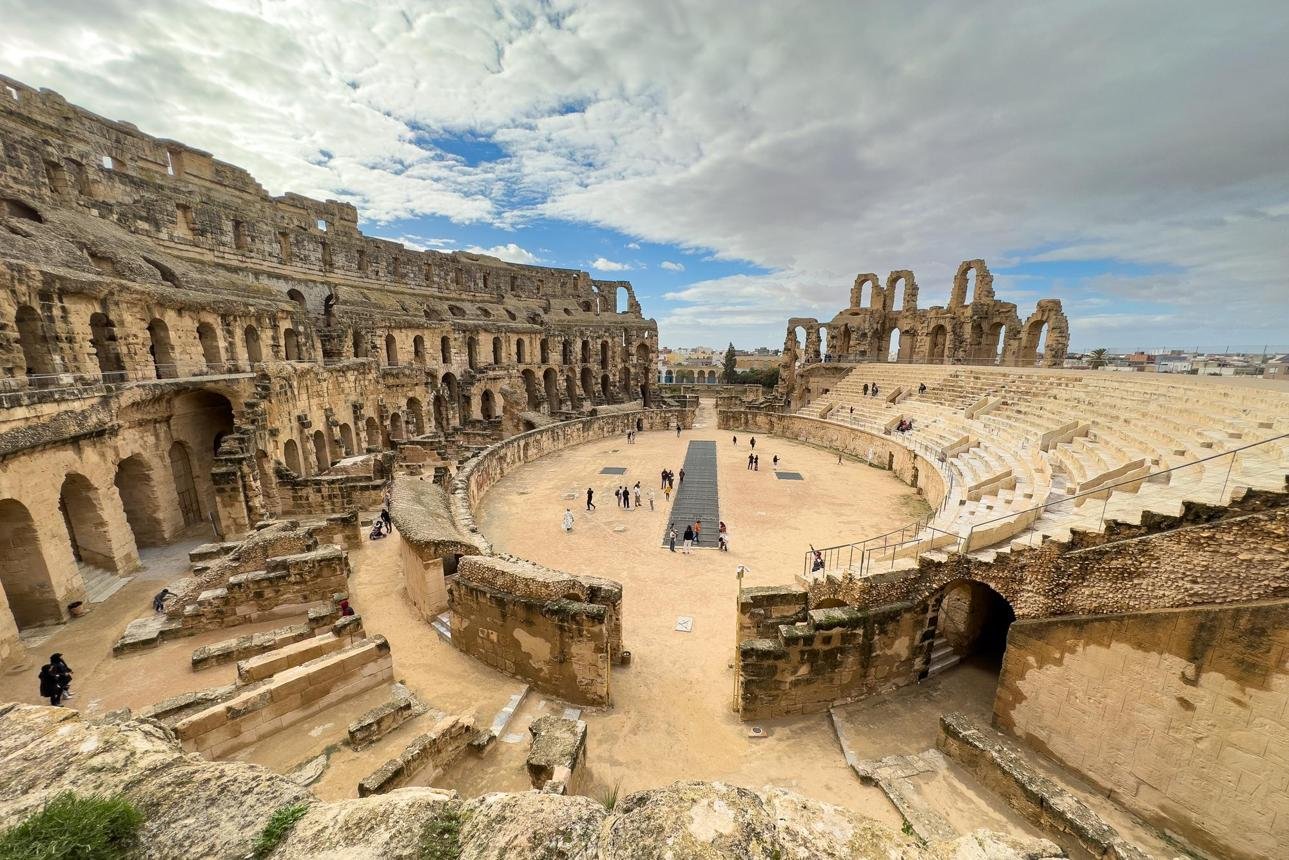
The magnificent Roman amphitheater ranks among the best-preserved in the world and is one of Tunisia’s greatest historical attractions.
Recommended stay: Half day
Dougga
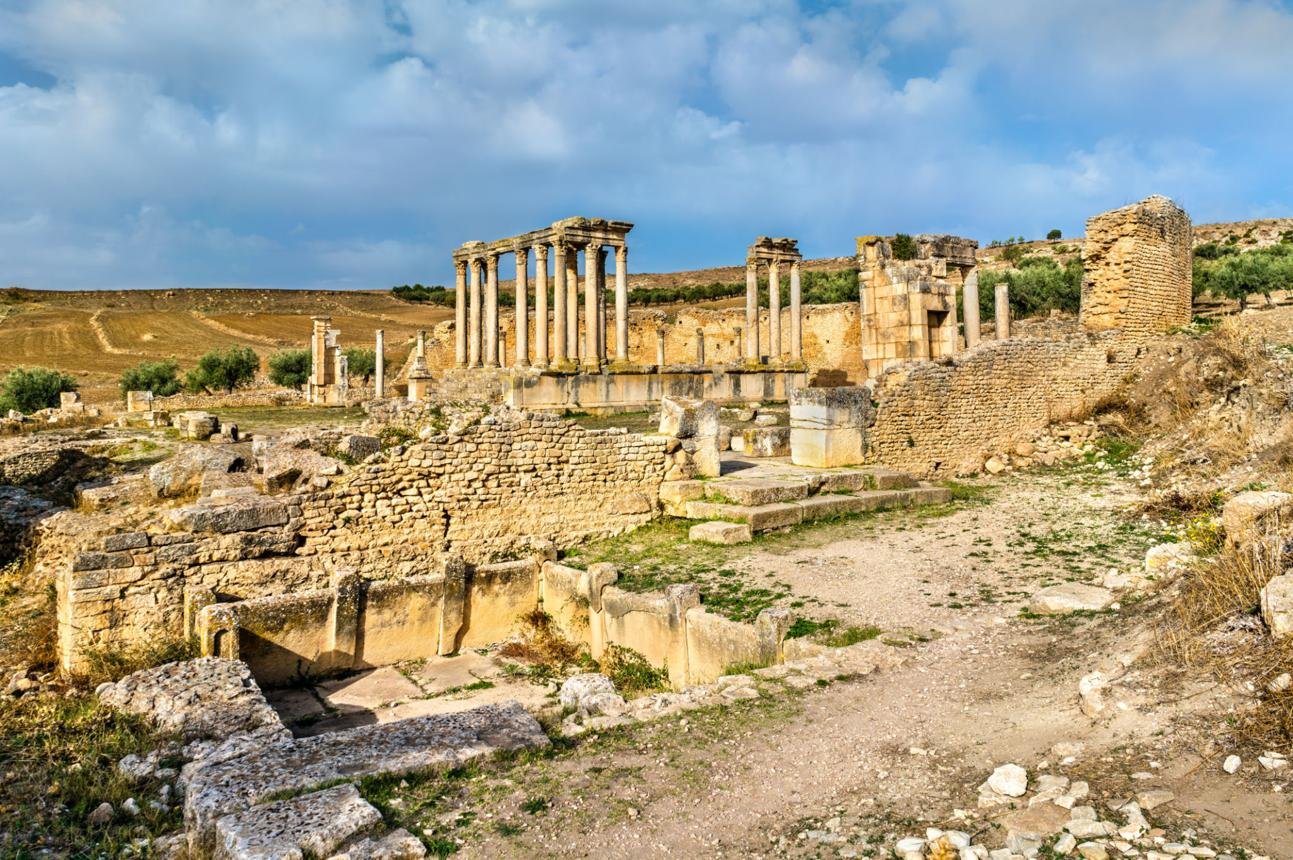
This UNESCO World Heritage Site contains remarkably preserved Roman streets, temples, theatres and baths set among rolling countryside.
Recommended stay: Full day
Kairouan
One of Islam’s holiest cities, Kairouan is famous for its Great Mosque, historic medina and traditional carpet workshops.
Recommended stay: 1 day
Douz
Often called the “Gateway to the Sahara,” Douz serves as the starting point for camel treks, desert tours and off-road adventures.
Recommended stay: 2 days
Tozeur
Surrounded by palm groves, Tozeur is renowned for its oasis, traditional brick architecture and access to spectacular desert landscapes.
Recommended stay: 2 days
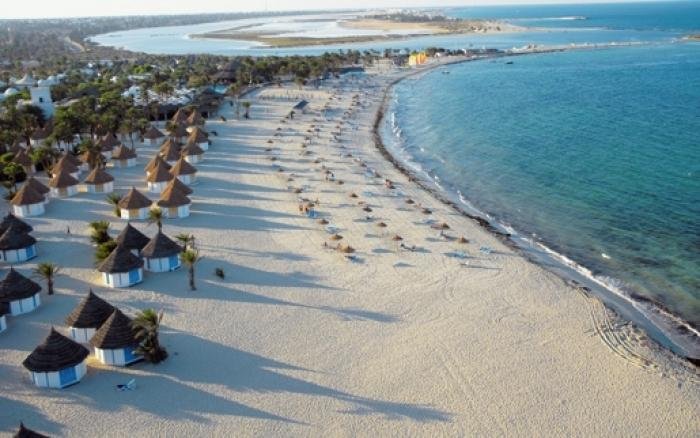
Djerba
Tunisia’s largest island offers beautiful beaches, traditional villages, historic synagogues and a relaxed Mediterranean atmosphere.
Recommended stay: 3–5 days
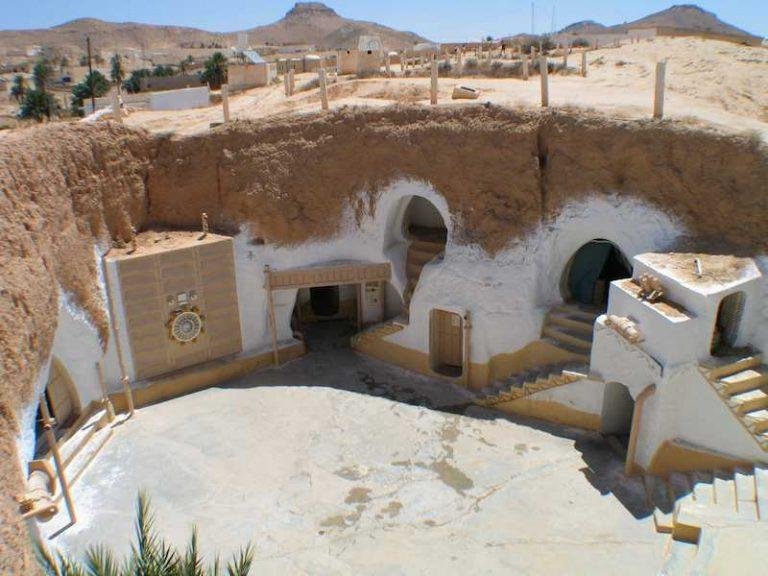
Matmata
Known worldwide for its underground cave homes, Matmata offers one of Tunisia’s most unique cultural landscapes and served as a filming location for the Star Wars movies.
Recommended stay: 1 day
Best Time to Visit
Tunisia is a year-round destination, although spring and autumn provide the most comfortable weather for exploring the entire country.
Spring (March-May)
Spring offers pleasant temperatures, green landscapes and blooming wildflowers in northern Tunisia. It is widely considered the best season for sightseeing and hiking.
Summer (June-August)
The Mediterranean coast becomes a popular beach destination, while southern desert regions experience very high temperatures.
Autumn (September-November)
Warm sea temperatures, comfortable inland weather and fewer visitors make autumn another ideal season.
Winter (December-February)
Winter remains mild along the coast and provides ideal daytime temperatures for Sahara expeditions, although nights can become cold in the desert.
Backpacking Tunisia
Tunisia is one of North Africa’s most backpacker-friendly destinations. Efficient trains, buses and shared taxis connect major cities, while affordable guesthouses and hostels make independent travel easy.
A classic backpacking itinerary includes:
- Tunis
- Carthage
- Sidi Bou Said
- Kairouan
- El Jem
- Tozeur
- Douz
- Djerba
Travel costs remain relatively low, allowing budget travelers to comfortably explore the country for several weeks.
Popular backpacker activities include:
- Walking historic medinas
- Visiting Roman ruins
- Desert camping
- Camel trekking
- Mediterranean beaches
- Local food experiences
Future detailed guides can include:
- Backpacking Tunisia Itinerary
- Tunisia Budget Guide
- Backpacking Tunis
- Hostels in Tunisia
- Public Transport Guide
Overlanding Tunisia
Tunisia has become a favorite destination among European overlanders thanks to reliable ferry connections, excellent roads and spectacular desert scenery.
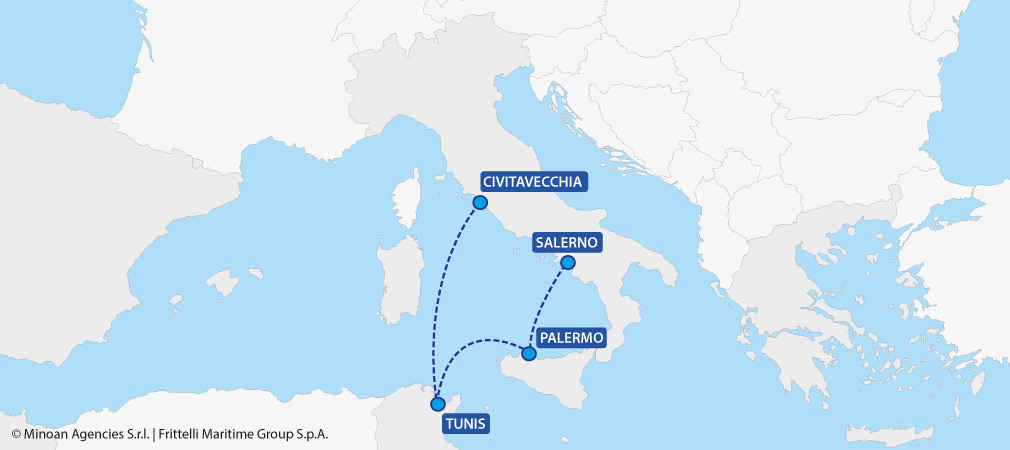
Many travelers arrive by ferry from Italy or France before exploring the country by 4WD or expedition vehicle.
Popular overland routes include:
Northern Heritage Route
Tunis – Carthage – Dougga – Kairouan
Sahara Explorer
Kairouan – Tozeur – Douz – Ksar Ghilane
Southern Tunisia Expedition
Matmata – Tataouine – Chenini – Djerba
The country also serves as an important gateway for longer journeys toward Algeria and, when conditions permit, Libya.
Dedicated articles will cover:
- Ferry crossings
- Border crossings
- Vehicle import procedures
- Fuel availability
- Desert driving
- GPS routes
- Camping regulations
Motorhome & RV Travel
Tunisia is increasingly popular with motorhome travelers, particularly during the European winter. Ferry connections from Italy make it easily accessible, while modern highways and relatively short distances simplify travel.
Many campgrounds operate along the Mediterranean coast, especially near Hammamet, Sousse, Monastir and Djerba.
Recommended RV routes include:
Mediterranean Coast
Tunis – Hammamet – Sousse – Monastir – Mahdia
Approximately 300 km
Historic Tunisia
Tunis – Dougga – Kairouan – El Jem
Ideal for cultural travelers.
Desert Adventure
Tozeur – Douz – Ksar Ghilane – Matmata – Djerba
Perfect for experiencing Tunisia’s Sahara landscapes.
Future RV articles will cover:
- Campgrounds
- Wild camping
- Service stations
- LPG availability
- Scenic drives
- Ferry information
Suggested Road Trips & Itineraries
One Week
Tunis – Carthage – Sidi Bou Said – Kairouan – El Jem
A perfect introduction to Tunisia’s cultural heritage.
Two Weeks
Tunis – Dougga – Kairouan – Tozeur – Douz – Matmata – Djerba
Combines Roman history, desert scenery and Mediterranean beaches.
Three Weeks
Complete Tunisia Circuit
Tunis – Cap Bon – Dougga – Kairouan – El Jem – Tozeur – Douz – Ksar Ghilane – Tataouine – Djerba
A comprehensive journey covering the country’s major attractions.
Four Weeks Overlanding
Explore northern Tunisia before heading south through the Sahara and returning via the Mediterranean coast.
Ideal for travelers arriving with their own vehicle by ferry.
Essential Travel Information
Visa
Many nationalities can enter Tunisia without a visa for tourist stays. Passport validity requirements should always be checked before departure.
Budget
Tunisia remains one of North Africa’s most affordable destinations.
Typical daily costs:
- Budget: €30–45
- Mid-range: €60–120
- Luxury: €170+
Desert tours and resort accommodation increase overall travel costs.
Safety
Tourist areas are generally considered safe, although travelers should always monitor current travel advice and follow local guidance, particularly when visiting remote desert regions.
Normal precautions against petty theft apply in busy markets and transport hubs.
Transport
Tunisia offers an excellent transport network.
Options include:
- Trains
- Intercity buses
- Louages (shared taxis)
- Domestic flights
- Car rental
Road conditions are generally very good throughout the country.
Continue Planning Your Trip
Top Destinations
- Tunis
- Carthage
- Sidi Bou Said
- El Jem
- Dougga
- Kairouan
- Tozeur
- Douz
- Djerba
- Matmata
Travel Planning
- Tunisia Visa Guide
- Best Time to Visit Tunisia
- Tunisia Budget Guide
- Tunisia Border Crossings
- Driving in Tunisia
- Tunisia Safety Guide
Adventure Travel
- Backpacking Tunisia
- Overlanding Tunisia
- Tunisia Motorhome Travel
- Tunisia Road Trips
- Sahara Desert Guide
- Djerba Travel Guide
- Roman Sites of Tunisia
- Overlanding in Tunisia
- Getting around in Tunisia
- Tunisia Campsites with GPS
- Tunisia Oasis – Waiting
- map-ferries-italy-tunisia-grimaldi-lines
- Makthar Tunisia – Overland to Cap Town
- Travel Tunisia – Overnight close to Tunis
- Tunis Tunisia – A day trip to Tunis
Recommended Guides
Continue planning your Tunisian adventure with destination guides covering Tunis, Carthage, Sidi Bou Said, El Jem, Dougga, Kairouan, Tozeur, Douz, Djerba and the Berber villages of southern Tunisia. Dedicated articles provide in-depth information on overlanding routes, backpacking itineraries, motorhome travel, ferry connections, camping opportunities, Sahara expeditions, Roman archaeology, scenic road trips and practical travel planning. Together with this country hub, these guides help independent travelers confidently explore one of North Africa’s most rewarding and accessible destinations.