Ethiopia ranks as one of the fastest-growing economies in Africa, with transport playing a vital role in facilitating this growth. The transportation sector in Ethiopia includes various modes such as road, rail, water, and air transport, all of which are crucial for connecting different parts of the country and improving the overall economy.
Ethiopia’s transport infrastructure has undergone significant improvements in recent years, with the government investing in building new roads, expanding airports, and modernizing the railway network. Despite these advancements, the country still faces challenges in terms of accessibility, reliability, and safety of its transport systems.
One potential solution to improve transport in Ethiopia is the development of a more efficient public transportation system. By investing in buses, trains, and other forms of mass transit, the government can help reduce congestion on the roads, lower transportation costs for citizens, and improve overall accessibility to different parts of the country.
One compelling statistic to highlight the importance of transport in Ethiopia is that over 90% of the country’s trade is conducted via road transport. This underscores the critical role that transport plays in facilitating both domestic and international trade, driving economic growth, and improving livelihoods for millions of Ethiopians.
As Ethiopia continues to invest in its transport infrastructure and explores new technologies and strategies to enhance connectivity, the future looks promising for further economic development and improved quality of life for its citizens.
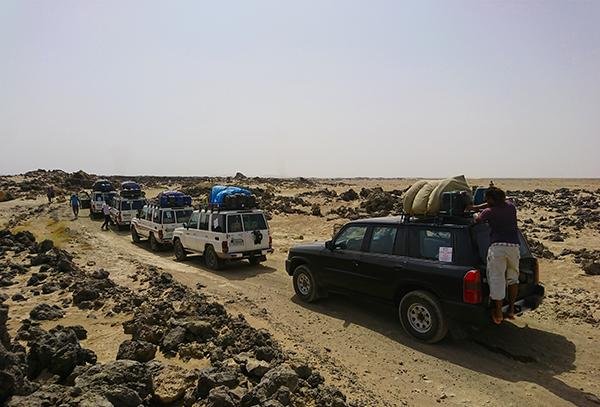

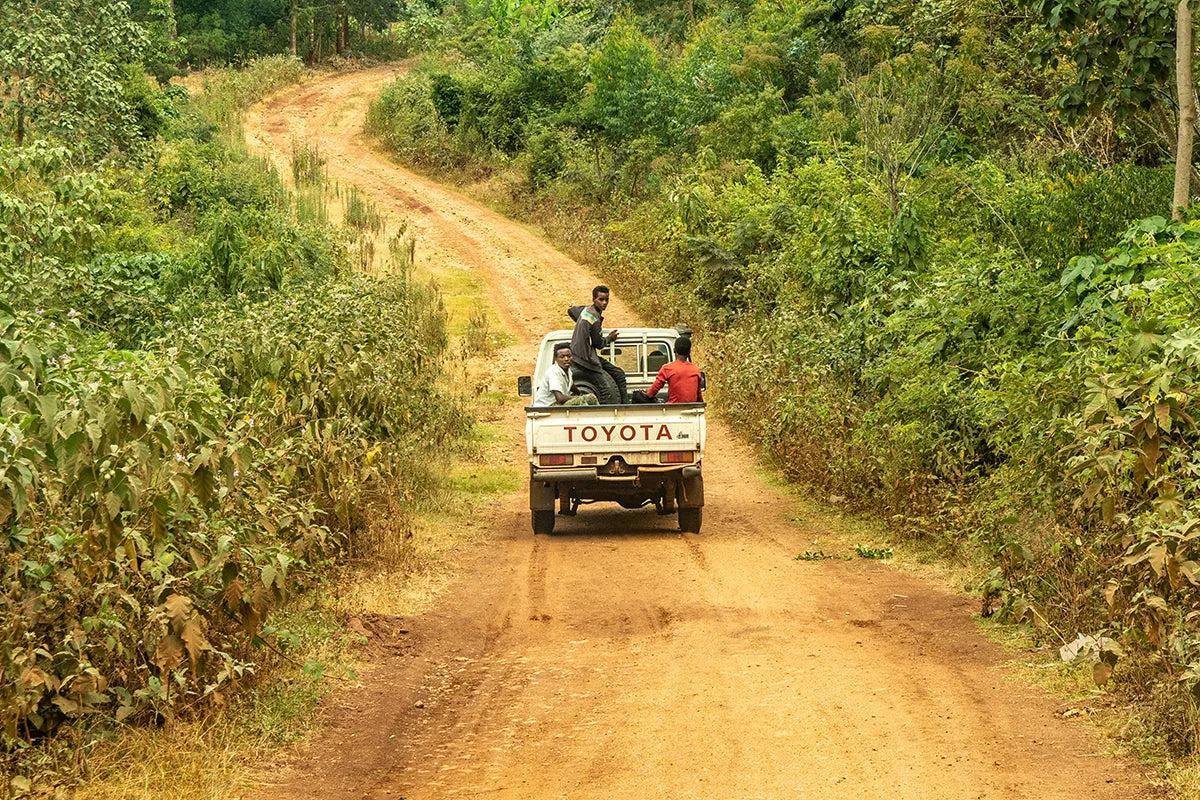
Looking for Efficient and Reliable Transport Services in Ethiopia?
Transport in Ethiopia refers to the system of moving people and goods within the country. This includes various modes of transportation such as road, rail, air, and water. The efficient transport network in Ethiopia plays a crucial role in facilitating trade, boosting economic growth, and connecting different regions of the country. If you are interested in learning more about the transport services available in Ethiopia and how they can benefit you, continue reading to discover the various options and advantages that make it an essential aspect of the country’s infrastructure.
Overview of Transport in Ethiopia
Transport in Ethiopia plays a crucial role in the country’s economy and daily life. With a rapidly growing population and economy, the demand for efficient and reliable transportation infrastructure is on the rise. The government has been investing heavily in improving the transport network to facilitate economic growth and social development.
Road Transport
Road transport is the most common means of transportation in Ethiopia, accounting for the majority of passenger and freight movement. The road network in Ethiopia has been expanding over the years, with significant investments being made to improve the quality of roads and highways. However, rural areas still face challenges in terms of accessibility and road conditions.
Rail Transport
Ethiopia has a limited but growing railway network, with the Addis Ababa-Djibouti Railway being the most prominent line. The government has been actively investing in expanding the railway network to enhance connectivity within the country and between neighboring countries. The railway system plays a crucial role in facilitating the transportation of goods to and from the ports of Djibouti.
Aviation
Ethiopia is home to Ethiopian Airlines, one of the largest and most successful airlines in Africa. The national carrier has a wide-reaching network that connects Ethiopia to various international destinations. Bole International Airport in Addis Ababa serves as the main gateway into the country and a key hub for air travel in the region.
Public Transport
Public transport in Ethiopia mainly consists of buses, minibusses, and taxis. In urban areas like Addis Ababa, minibusses and taxis are the most common modes of public transportation. The government has been working on improving the public transport system to make it more efficient and accessible to the general population.
Challenges and Future Outlook
- One of the key challenges facing the transport sector in Ethiopia is the lack of adequate infrastructure and investment.
- Improving road safety and reducing accidents is another critical issue that needs to be addressed.
- The government’s focus on expanding the railway network and upgrading airports bodes well for the future of transport in Ethiopia.
According to recent statistics, Ethiopia has over 90,000 kilometers of roads, with approximately 17,000 kilometers being paved.
Is it safe to use public transportation in Ethiopia?
Public transportation in Ethiopia can be safe, but it is important to exercise caution and be aware of your surroundings. Avoid traveling alone at night and keep an eye on your belongings while using public transportation.
What are the main modes of transportation in Ethiopia?
The main modes of transportation in Ethiopia include buses, minibusses (known as “bajajs”), taxis, and trains. Domestic flights are also available for longer distances.
Can I rent a car in Ethiopia?
Yes, it is possible to rent a car in Ethiopia. However, driving conditions can be challenging, and it is recommended to hire a local driver who is familiar with the roads and traffic laws.
Are there any restrictions on traveling by road in Ethiopia?
Some areas of Ethiopia may have travel restrictions due to security concerns. It is always a good idea to check the latest travel advisory before embarking on a road trip in Ethiopia.
How reliable is the public transportation system in Ethiopia?
The public transportation system in Ethiopia can vary in reliability depending on the location and time of day. It is advisable to plan your journey in advance and allow extra time for potential delays.
Do I need a special permit to travel to certain regions of Ethiopia?
Yes, some regions in Ethiopia may require special permits for travelers. It is recommended to check with local authorities or travel agencies for the most up-to-date information on permit requirements.
Is it safe to travel by train in Ethiopia?
Traveling by train in Ethiopia is generally considered safe. The Ethio-Djibouti Railway is a popular option for travelers between Addis Ababa and Djibouti City.
What is the best way to get around in Addis Ababa?
In Addis Ababa, the capital city of Ethiopia, the best way to get around is by using taxis or ride-sharing services like RIDE or ZayRide. Buses and minibusses are also available but may be crowded and less reliable.
Can I use ride-sharing apps like Uber in Ethiopia?
Yes, Uber operates in Addis Ababa, Ethiopia’s capital city. It is a convenient and safe option for getting around the city.
Are there any cultural norms or customs to be aware of when using transportation in Ethiopia?
- It is customary to greet other passengers when boarding public transportation.
- When using taxis, negotiate the fare before starting the journey.
- Respect local customs and traditions while using public transportation, such as giving up your seat to elders or women with children.
Conclusion
Ethiopia’s transport sector plays a vital role in facilitating economic development and connecting people across the country. The government’s investments in infrastructure projects such as roads, railways, and airports have improved connectivity and accessibility, leading to increased trade and tourism opportunities. However, challenges such as inadequate funding, poor maintenance, and inefficient transportation systems still exist, hindering the sector’s full potential.
Moving forward, it is crucial for Ethiopia to address these challenges through strategic planning, investment, and policy reforms. By prioritizing sustainable transport solutions and leveraging technological advancements, the country can enhance its transport networks, reduce traffic congestion, and promote a safer and more efficient transportation system. With a well-functioning transport sector, Ethiopia can further boost its economic growth, create employment opportunities, and improve the overall quality of life for its citizens. As the country continues to develop and modernize its transport infrastructure, it is essential to prioritize sustainable and inclusive transportation solutions that benefit all segments of the population and support long-term growth and development.