Eswatini, formerly known as Swaziland, is a landlocked country located in Southern Africa. Transport plays a crucial role in the country’s economy and daily life, connecting people and goods across the nation.
The transportation system in Eswatini has evolved over the years, with improvements made to roads, railways, and airports. The country is known for its efficient road network that allows for easy access to different regions. However, challenges such as congestion and road maintenance remain a concern.
One solution that has been implemented to address these challenges is the introduction of public transport services, including buses and taxis. This has helped to alleviate congestion on the roads and provide affordable transportation options for residents.
According to statistics, the majority of the population in Eswatini rely on public transport as their primary means of getting around. This highlights the importance of a reliable and efficient transportation system in the country.
Overall, transport in Eswatini continues to play a vital role in driving economic growth and improving the quality of life for its citizens. The government is committed to further enhancing the transportation infrastructure to meet the growing needs of the population.

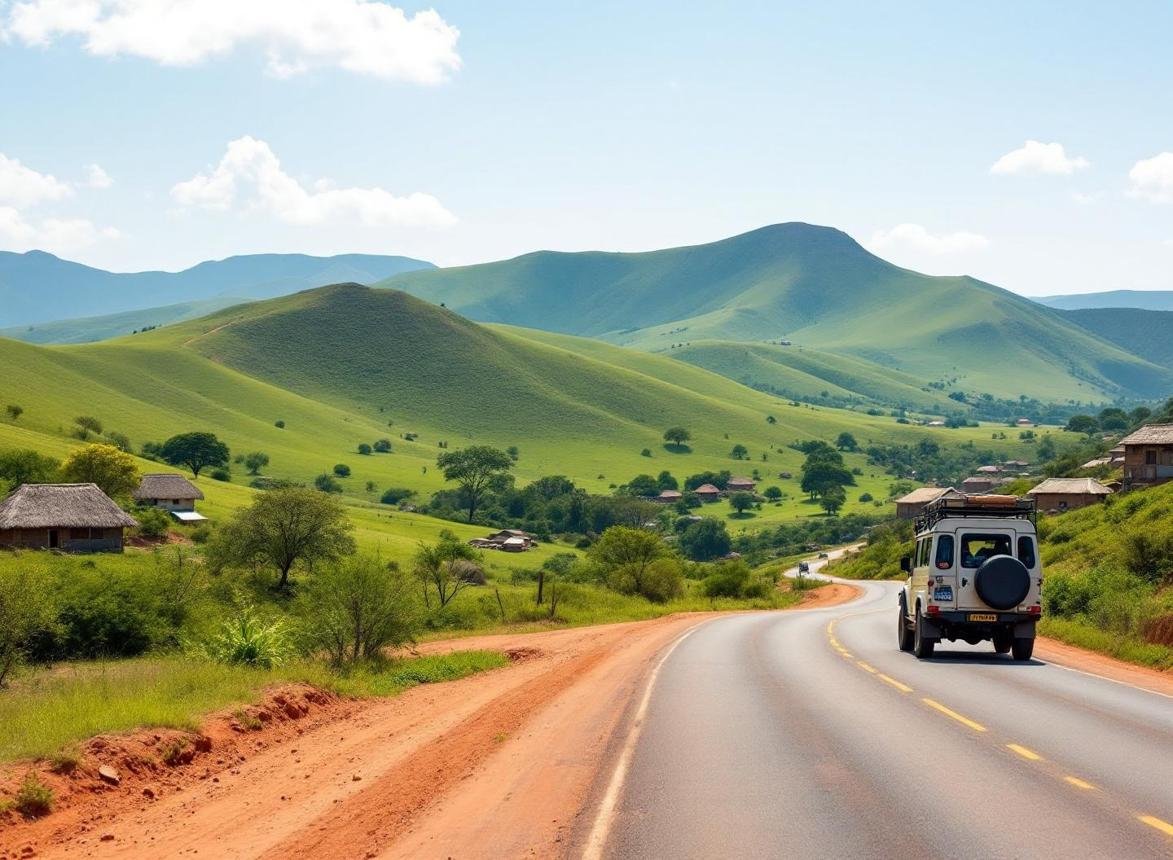

What Are the Transportation Options in Eswatini (formerly Swaziland)?
Transportation in Eswatini, previously known as Swaziland, encompasses a variety of options for getting around the country. From buses and taxis to rental cars and shared minivans, there are several ways for both locals and tourists to travel from one place to another. In the following article, we will delve deeper into the transportation system in Eswatini, highlighting the pros and cons of each mode of transport and providing tips for navigating the country’s roads and highways efficiently.
Transport in Eswatini (formerly Swaziland)
Eswatini, a small landlocked country located in Southern Africa, has a relatively well-developed transport infrastructure compared to other countries in the region. The transport system in Eswatini consists of various modes of transportation, including roads, railways, and air travel.
Road Transport: The road network in Eswatini is the most commonly used mode of transportation in the country. The road infrastructure is relatively well-maintained, with major highways connecting the main urban centers. The primary mode of public transportation in Eswatini is the minibus taxi, which operates along set routes within and between towns.
Rail Transport: Eswatini’s railway system is operated by the Swaziland Railway. The rail network connects major towns within the country and also extends to neighboring countries such as South Africa and Mozambique. The railway system is mostly used for transporting goods, although there is also a passenger service available.
Air Transport: Eswatini has one major airport, the King Mswati III International Airport, located in the capital city of Mbabane. The airport serves as the main gateway for international flights to and from the country. There are also several smaller airstrips located throughout the country for domestic flights and charter services.
Public Transport: In addition to minibus taxis, public transport in Eswatini includes buses and metered taxis. The government has also implemented a bus rapid transit system in the capital city to improve public transportation services.
Cycling and Walking: Cycling and walking are also common modes of transportation in Eswatini, especially in rural areas where access to motorized transport may be limited. The government has been working to improve cycling infrastructure in urban areas to promote sustainable transportation options.
Overall, the transport system in Eswatini plays a crucial role in connecting people and goods across the country and beyond. Efforts are continually being made to improve and expand the transport infrastructure to meet the growing demands of a developing economy.
Statistic: According to the World Bank, Eswatini has a road network of approximately 3,500 kilometers.
What is the main mode of transportation in Eswatini?
The main mode of transportation in Eswatini is by road. The country has an extensive road network linking major towns and cities.
Are there public transportation options available in Eswatini?
Yes, there are public transportation options available in Eswatini. These include buses, minibuses, and taxis.
Is it safe to travel by public transportation in Eswatini?
While public transportation is generally considered safe in Eswatini, travelers should exercise caution and be vigilant, especially in crowded areas.
Are there any railway services in Eswatini?
No, there are no railway services in Eswatini. The country relies mainly on road transportation.
Can I rent a car in Eswatini?
Yes, you can rent a car in Eswatini. There are several car rental companies available in major towns and at the airport.
Are there any domestic airlines operating in Eswatini?
No, there are no domestic airlines operating in Eswatini. Travelers can reach the country by flying into the main airport, King Mswati III International Airport.
What is the condition of the roads in Eswatini?
The condition of the roads in Eswatini varies, with major highways being well-maintained while rural roads may be less developed. It is advisable to check road conditions before embarking on a journey.
Is it easy to find taxis in Eswatini?
Yes, it is relatively easy to find taxis in Eswatini, especially in urban areas. Taxis can be hailed on the street or booked through a taxi company.
Are there any bicycle rental services in Eswatini?
Yes, there are bicycle rental services available in some tourist areas in Eswatini. Biking can be a great way to explore the country’s scenic landscapes.
What should I know about driving in Eswatini?
- Driving is on the left side of the road in Eswatini.
- Speed limits are in kilometers per hour, with a general limit of 60-80 km/h in urban areas and 100 km/h on highways.
- Seat belts are mandatory for all passengers in a vehicle.
- Drinking and driving is strictly prohibited.
Conclusion
In conclusion, the transport system in Eswatini plays a vital role in facilitating the movement of people and goods within the country. The road network is the primary mode of transportation, with a focus on improving infrastructure to enhance connectivity. Additionally, the public transport system, mainly consisting of minibus taxis, provides affordable and accessible options for commuters. However, challenges such as road safety, maintenance, and congestion need to be addressed to ensure efficient and sustainable transport services for the population.
Furthermore, the railway system in Eswatini serves as a crucial link for transporting goods between South Africa and Mozambique. The revitalization of the railway infrastructure is essential to boost economic growth and trade opportunities for the country. In conclusion, a well-developed and integrated transport system is necessary for Eswatini to overcome various challenges and support its socio-economic development goals. By addressing existing issues and investing in sustainable transport solutions, Eswatini can improve accessibility, enhance connectivity, and foster overall development across the nation.