Lesotho, known as the “Kingdom in the Sky” due to its high altitude, faces unique challenges when it comes to transportation. The landlocked country is completely surrounded by South Africa, which presents obstacles for importing goods and maintaining efficient transport systems within its borders.
Transportation in Lesotho has historically been limited by its mountainous terrain and lack of infrastructure. However, the country has made efforts in recent years to improve its transportation networks, particularly through the development of new roads and bridges. The government has also invested in public transportation services to address the needs of its growing population.
One of the major transportation issues in Lesotho is access to healthcare facilities in rural areas. In response to this challenge, the government has implemented programs that provide mobile health clinics to remote communities, helping to improve healthcare access for residents who may otherwise struggle to reach medical services.
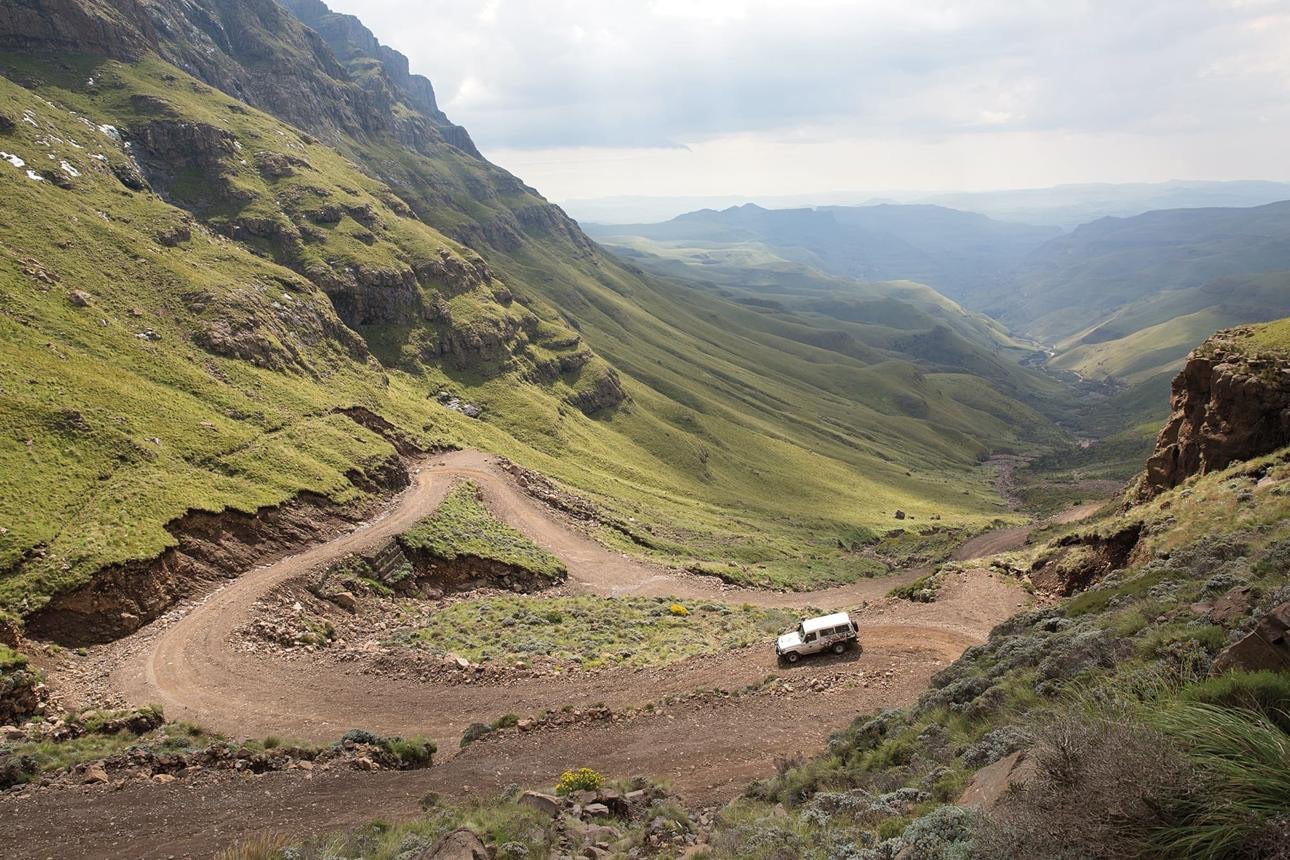
Despite efforts to improve transportation systems in Lesotho, the World Bank reports that only 10% of the country’s roads are paved. This lack of infrastructure presents significant challenges for economic development and mobility within the country. However, ongoing initiatives seek to address these issues and create more efficient transportation routes for Lesotho’s residents.

What are the transportation options in Lesotho and how do they compare?
When it comes to getting around in Lesotho, travelers have a few different transportation options to choose from. Whether you prefer public transportation, renting a car, or hiring a private driver, each option has its own advantages and disadvantages. In the following sections, we will delve deeper into each of these transportation options to help you decide which one is best for your trip to Lesotho.
Transport in Lesotho plays a crucial role in connecting different regions of the country and facilitating the movement of people and goods. The landlocked country is known for its mountainous terrain, which presents challenges for transportation infrastructure development. Despite this, the government has made significant efforts to improve the transport sector in Lesotho.
## Road Transport
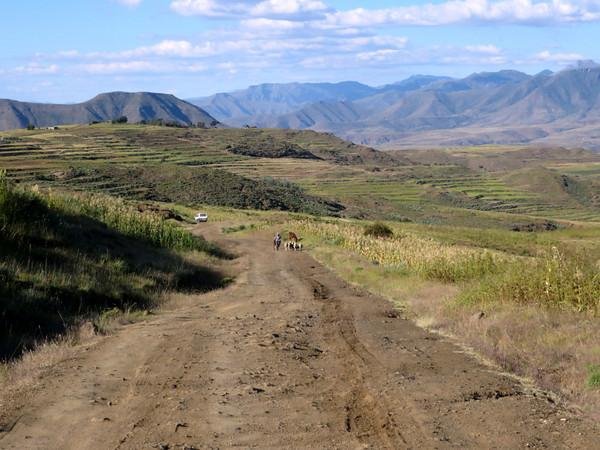
Lesotho has a network of roads that connect major cities and towns within the country. The road network is mainly made up of unpaved roads, which can be challenging to navigate, especially during the rainy season. The government has been working on road improvement projects to enhance connectivity and accessibility for both urban and rural areas.
## Public Transport
Public transport in Lesotho mainly consists of minibusses, also known as “quantum.” These minibusses operate on fixed routes and provide a vital mode of transportation for many people in Lesotho. However, the public transport system in Lesotho has been criticized for its lack of regulation and safety standards.
## Rail Transport
Lesotho does not have a functioning railway system. The country used to be connected to the South African railway network, but the service was discontinued in the early 2000s. Efforts have been made to revive the railway system in Lesotho, but progress has been slow.
## Air Transport
The main international airport in Lesotho is Moshoeshoe I International Airport, located in the capital city of Maseru. The airport serves as a hub for domestic and international flights, connecting Lesotho to other countries in the region. Air transport plays a vital role in facilitating tourism and business travel in Lesotho.
## Statistics
According to recent data, Lesotho has a total road network of approximately 7,397 kilometers. The country also has a total of 4 airports, with Moshoeshoe I International Airport being the main gateway for air travel in Lesotho.
What are the main modes of transportation in Lesotho?
The main modes of transportation in Lesotho are mini-buses, taxis, horseback riding, and walking.
Are there any railways in Lesotho?
No, Lesotho does not have any railways.
How reliable are mini-buses for transportation in Lesotho?
Mini-buses are a popular mode of transportation in Lesotho, but their reliability can vary. It is recommended to inquire about schedules and routes beforehand.
Are taxis readily available in Lesotho?
Yes, taxis are readily available in Lesotho and are a convenient option for getting around.
Is it common to use horses as a mode of transportation in Lesotho?
Yes, horseback riding is a common mode of transportation, especially in rural areas of Lesotho.
Are there any major roads in Lesotho?
Lesotho has a few major roads, including the A1 and A2 highways, which connect the country to South Africa and other neighboring countries.
Is it safe to walk in Lesotho?
Walking is generally safe in Lesotho, but it is recommended to be cautious, especially in urban areas with heavy traffic.
Do I need to have an international driver’s license to drive in Lesotho?
Yes, it is recommended to have an international driver’s license if you plan on driving in Lesotho.
Are there any public transportation options in Lesotho?
Yes, there are public transportation options such as mini-buses and taxis available in Lesotho.
How can I travel between towns and cities in Lesotho?
You can travel between towns and cities in Lesotho by using mini-buses, taxis, or hiring a private vehicle.
Conclusion
Transport in Lesotho plays a crucial role in connecting the country’s remote communities and facilitating economic development. The country faces challenges such as limited infrastructure, rough terrain, and a lack of funding, which have hindered the efficiency of the transport system. Despite these challenges, Lesotho has made progress in improving its transport infrastructure through projects like road construction and maintenance programs. Additionally, the government has taken steps to promote sustainable transportation by investing in renewable energy sources for public transportation. Overall, the transport sector in Lesotho is an essential component of the country’s development and efforts to improve connectivity and accessibility for its residents.
In conclusion, addressing the challenges faced by the transport sector in Lesotho requires collaborative efforts from the government, private sector, and international organizations. By investing in infrastructure development, promoting sustainable transportation, and improving road safety measures, Lesotho can enhance its transport system and contribute to overall economic growth. As the country continues to make progress in improving its transport infrastructure, it is vital to prioritize the needs of the local communities and ensure that all residents have access to safe and efficient transportation options.