Sahara Adventures, Roman Ruins & Mediterranean Road Trips
Stretching from the Mediterranean Sea to the heart of the Sahara Desert, Algeria is Africa’s largest country and one of its least explored travel destinations. While many visitors head to neighboring Morocco or Tunisia, Algeria rewards adventurous travelers with spectacular desert landscapes, remarkably preserved Roman cities, dramatic mountain scenery, vibrant historic medinas and more than 1,600 kilometers of Mediterranean coastline.
For independent travelers, Algeria offers a rare opportunity to experience North Africa away from mass tourism. The country’s immense size means journeys range from bustling coastal cities such as Algiers and Oran to remote Saharan oases where ancient caravan routes once connected West Africa with the Mediterranean. Between these extremes lie cedar forests, fertile valleys, prehistoric rock art, UNESCO World Heritage Sites and some of the world’s most impressive dune fields.
Algeria particularly appeals to travelers seeking authentic experiences. Backpackers can discover traditional markets and historic neighborhoods, while overlanders find one of Africa’s great desert destinations with legendary routes crossing vast wilderness. Motorhome travelers increasingly include northern Algeria on Mediterranean road trips, although southern expeditions require careful planning and often local permits or guides.
Infrastructure has improved considerably during recent years. Modern highways connect many northern cities, domestic flights reach remote Saharan destinations, and an expanding tourism sector is slowly opening areas that were difficult to visit in the past. Visitors willing to invest time in planning are rewarded with outstanding scenery, genuine hospitality and a destination that still feels largely undiscovered.
Whether your interests lie in Roman archaeology, Saharan expeditions, mountain hiking, photography, cultural exploration or epic road trips, Algeria offers experiences unlike anywhere else in North Africa.
6
Quick Facts
| Information | Details |
|---|---|
| Capital | Algiers |
| Population | Approximately 47 million |
| Area | 2.38 million km² |
| Language | Arabic, Tamazight (French widely understood) |
| Currency | Algerian Dinar (DZD) |
| Time Zone | UTC+1 |
| Driving Side | Right |
| Calling Code | +213 |
| Visa | Required for many nationalities |
| Best Time | March-May & September-November |
Algeria has a Mediterranean climate along the coast, while the interior quickly becomes semi-arid before giving way to the vast Sahara Desert. Summers are hot in the north and extremely hot in the south, while winters remain mild on the coast but can become surprisingly cold in the desert at night.
Cash remains the primary payment method outside major cities. International bank cards are accepted in some hotels and larger businesses but should not be relied upon for everyday travel. Mobile internet coverage is excellent throughout much of northern Algeria and available in many larger Saharan towns, although remote desert regions naturally have limited connectivity.
Why Visit Algeria?
Algeria is a destination for travelers who value exploration over convenience. Unlike many heavily visited countries, tourism here still feels authentic, allowing visitors to experience everyday life rather than attractions designed primarily for international tourists.
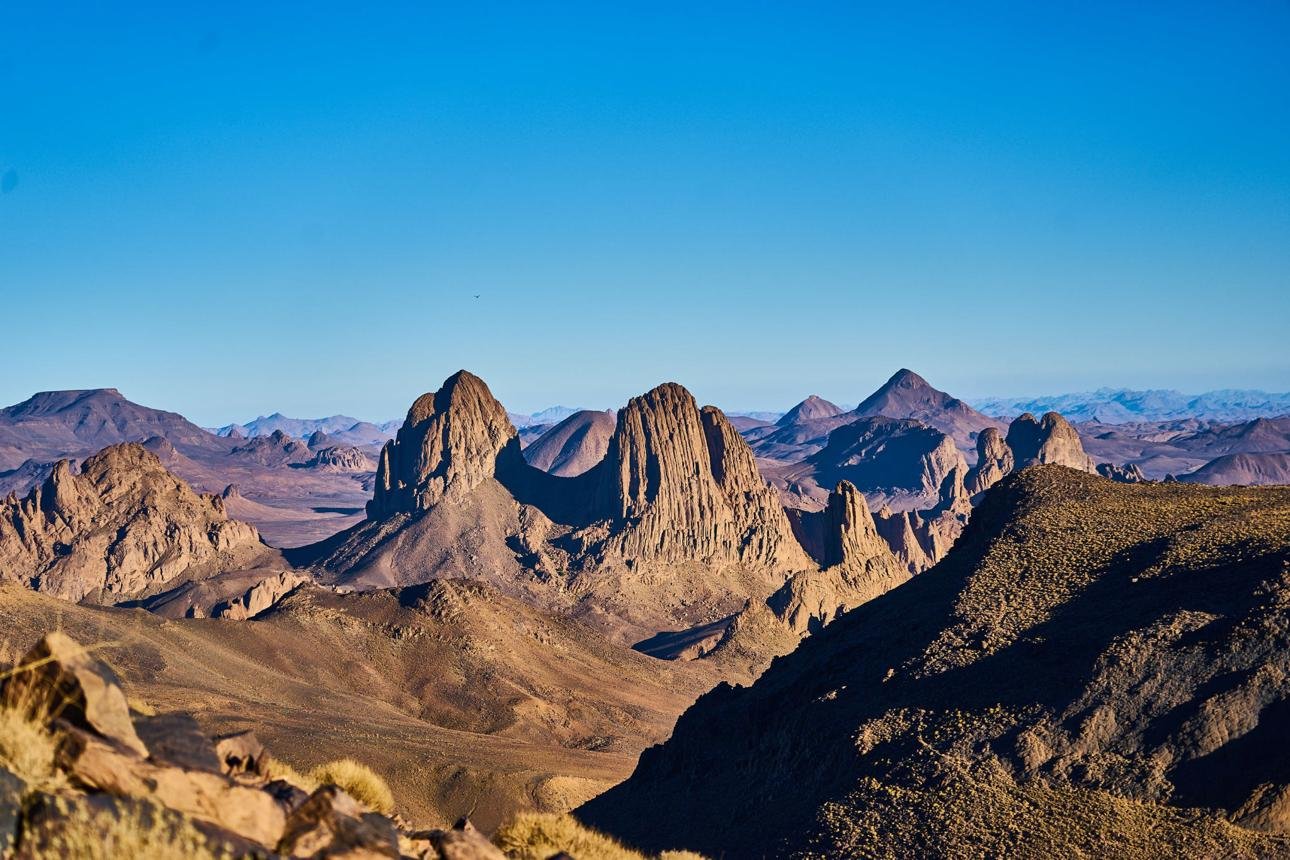
The country’s greatest asset is its extraordinary diversity. Within a few days you can explore whitewashed Mediterranean neighborhoods, wander through Roman cities preserved beneath the desert sun, drive across mountain passes, visit palm-filled oases and watch the sunset over towering Saharan dunes.
History enthusiasts will discover one of North Africa’s richest archaeological landscapes. Roman settlements such as Timgad, Djemila and Tipasa rank among the best preserved anywhere in the former Roman Empire, while the Casbah of Algiers reflects centuries of Ottoman and Islamic history.
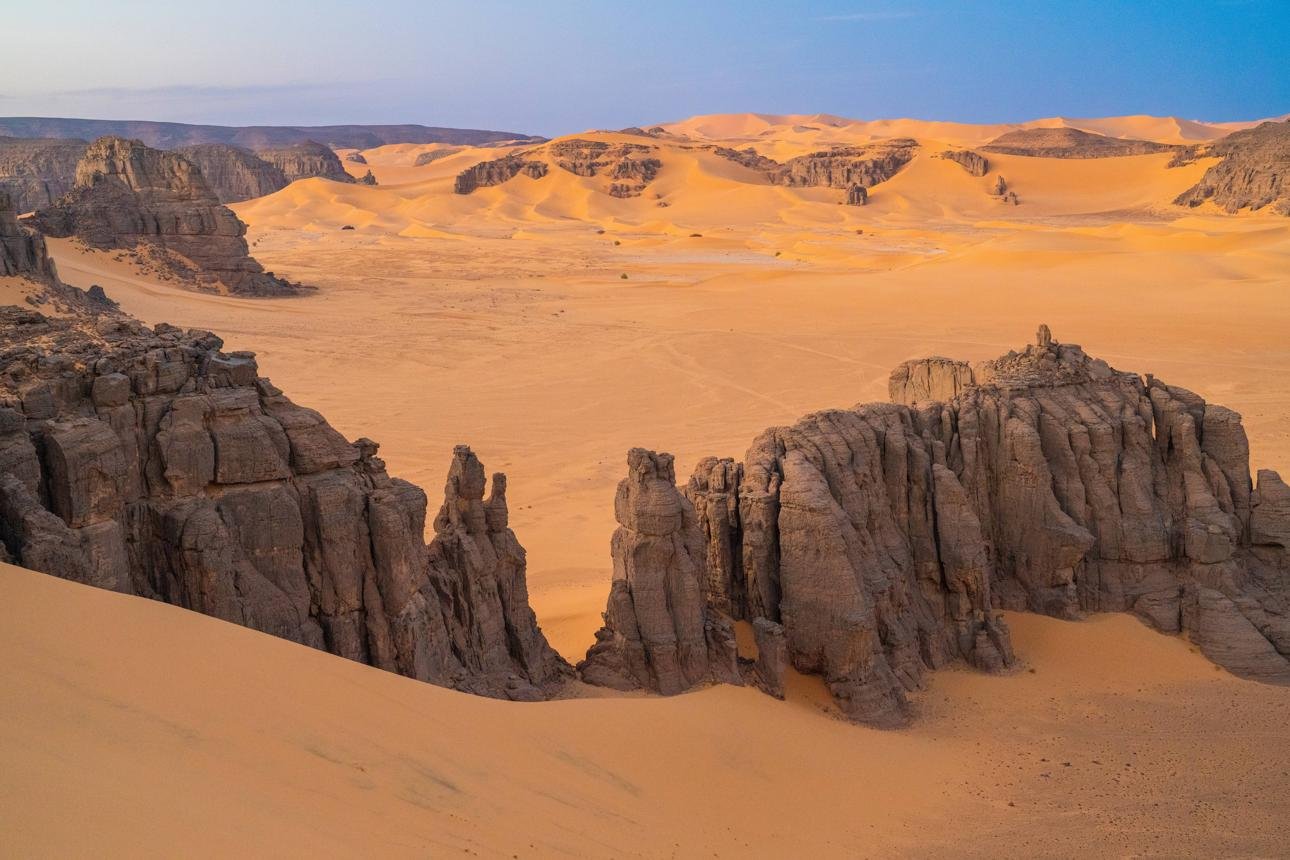
Nature lovers are equally well served. The Sahara covers around four-fifths of Algeria, offering landscapes that range from endless sand seas to volcanic plateaus and surreal sandstone formations. Northern Algeria contrasts dramatically with forested mountains, national parks and fertile coastal plains.
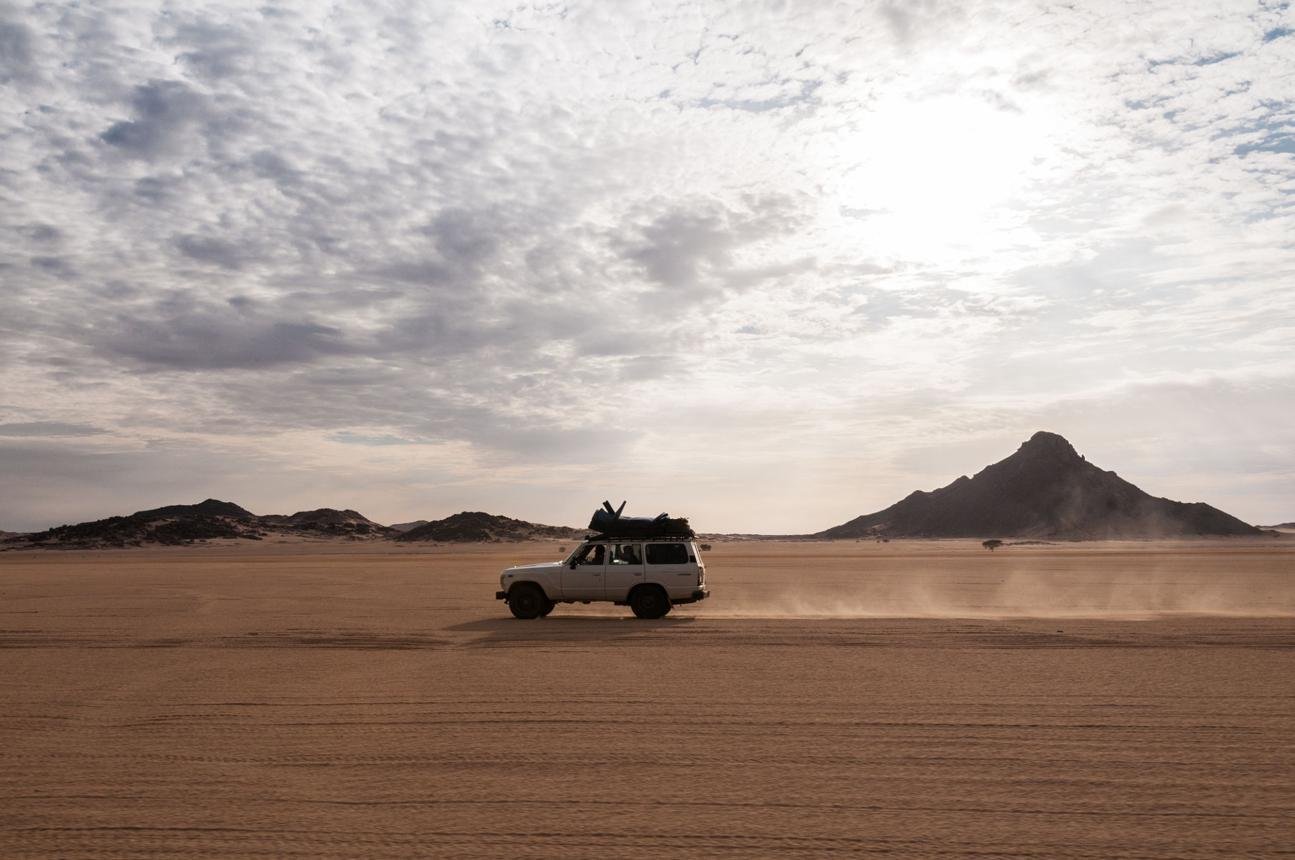
For overlanders, Algeria remains one of Africa’s classic expeditions. Crossing from the Mediterranean into the deep Sahara is an unforgettable journey, with routes linking oasis towns that once served the trans-Saharan caravan trade.
Travelers prepared to venture beyond familiar destinations will find Algeria rewarding, affordable and remarkably welcoming.
Best Places to Visit
Algiers
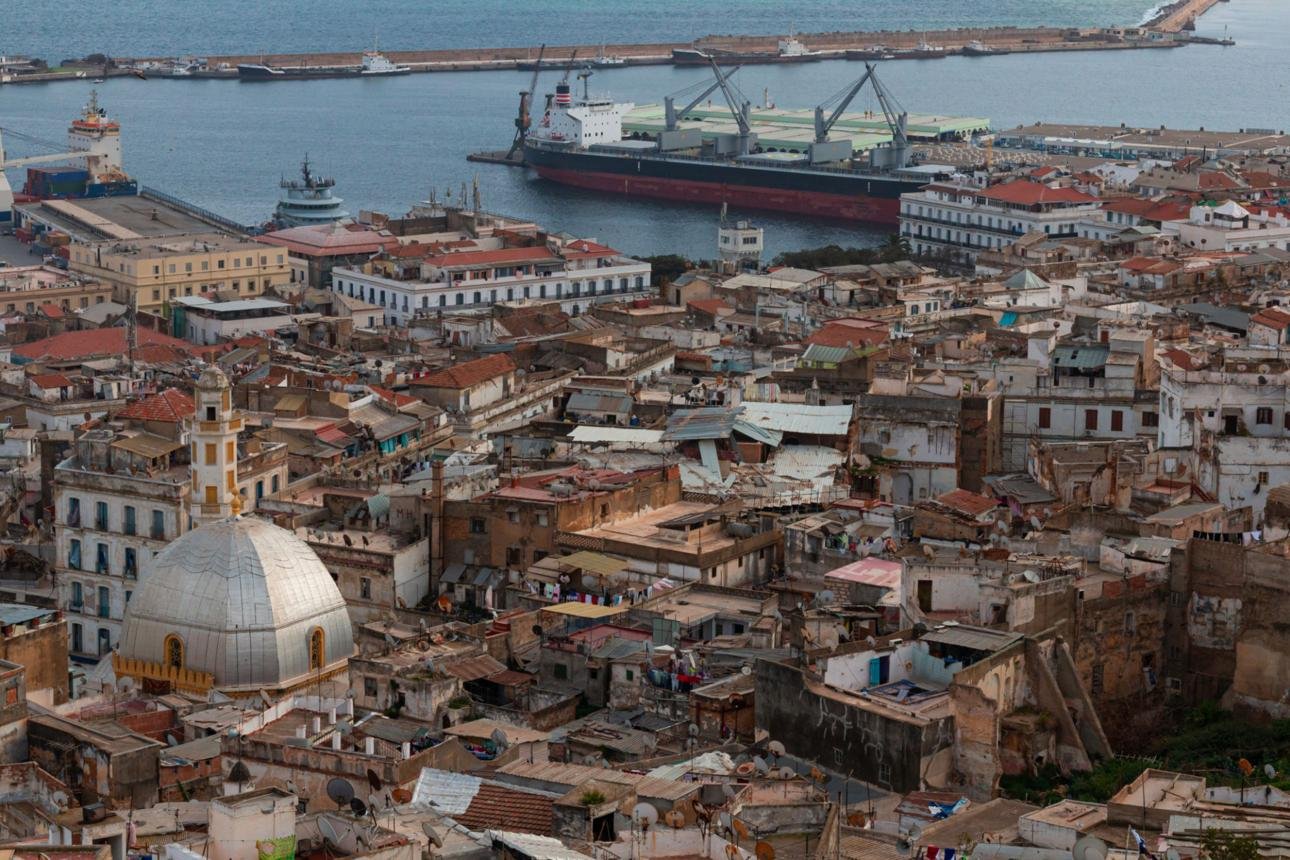
The capital combines elegant French colonial architecture with the UNESCO-listed Casbah overlooking the Mediterranean. Explore narrow alleys, Ottoman palaces, museums and lively waterfront districts.
Recommended stay: 3 days
Oran
Algeria’s second-largest city is known for its music, seafront promenade, Spanish influences and vibrant cultural life. Historic forts overlook the Mediterranean while cafés fill the city center.
Recommended stay: 2 days
Constantine
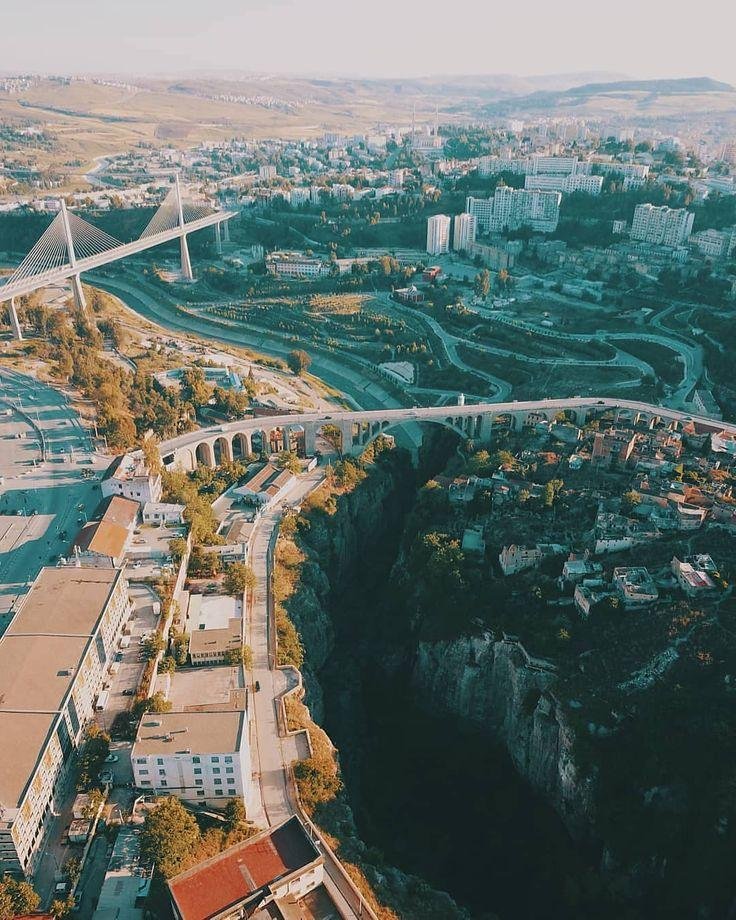
Dramatically positioned across deep gorges connected by spectacular suspension bridges, Constantine ranks among Algeria’s most beautiful cities. Its unique setting and rich history make it one of the country’s highlights.
Recommended stay: 2 days
Timgad
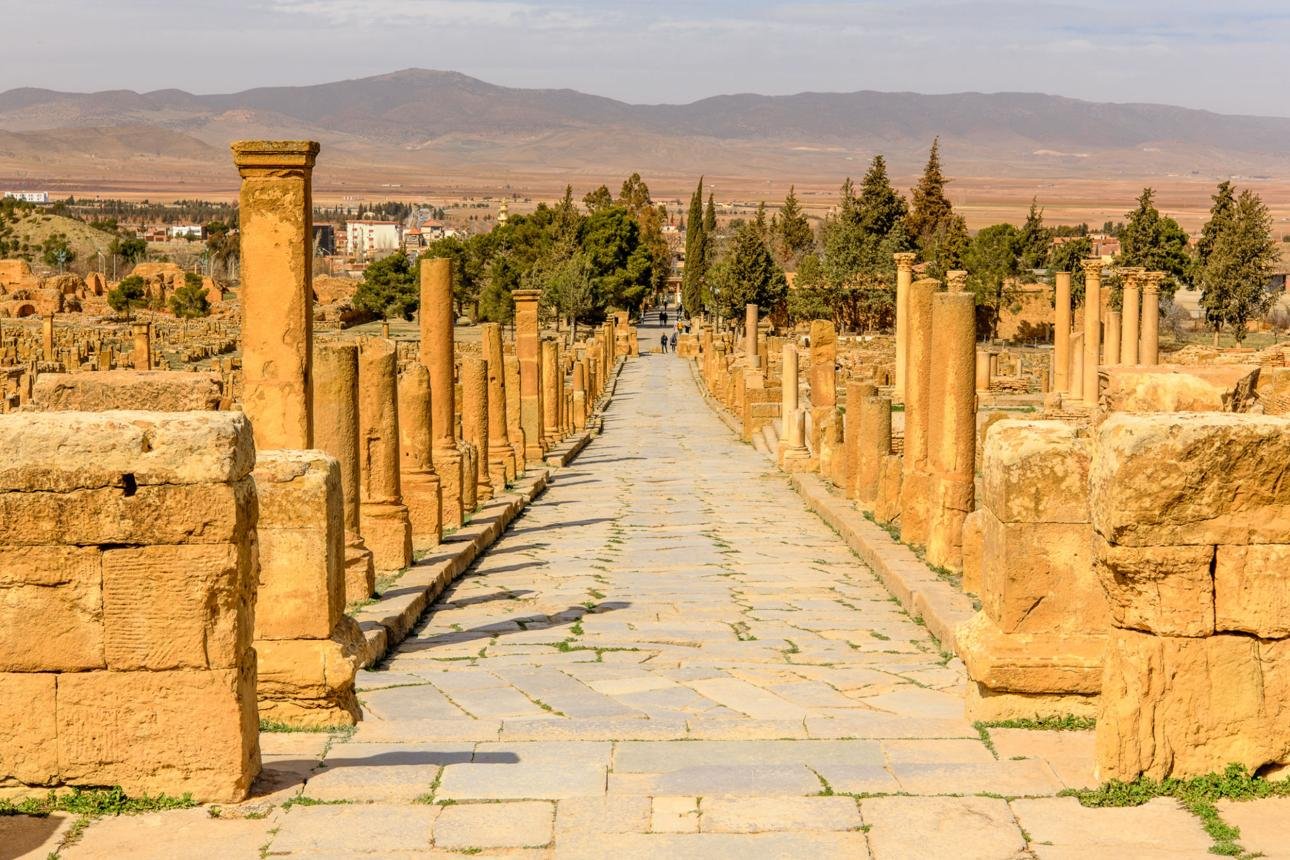
Founded by Emperor Trajan, Timgad represents one of the finest Roman archaeological sites in Africa. Streets, temples, baths and the impressive theatre remain remarkably intact.
Recommended stay: Half to one day
Djemila
Hidden within the mountains, Djemila features beautifully preserved Roman ruins surrounded by spectacular scenery. The combination of history and landscape makes it particularly photogenic.
Recommended stay: Half day
Tipasa
Located west of Algiers, Tipasa combines Roman ruins with Mediterranean coastal scenery. Ancient temples and basilicas overlook the sea, creating one of Algeria’s most attractive UNESCO sites.
Recommended stay: Day trip
Ghardaïa
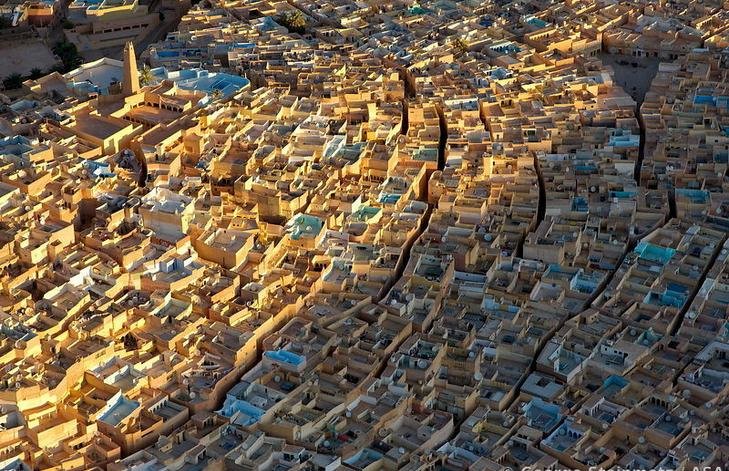
The heart of the M’Zab Valley is famous for its unique architecture, traditional markets and centuries-old Islamic culture. The town remains one of Algeria’s most fascinating cultural destinations.
Recommended stay: 2 days
Tamanrasset
Gateway to the Hoggar Mountains, Tamanrasset serves as the starting point for many Saharan expeditions. Tuareg culture, volcanic landscapes and spectacular desert scenery surround the city.
Recommended stay: 3–4 days
Tassili n’Ajjer National Park
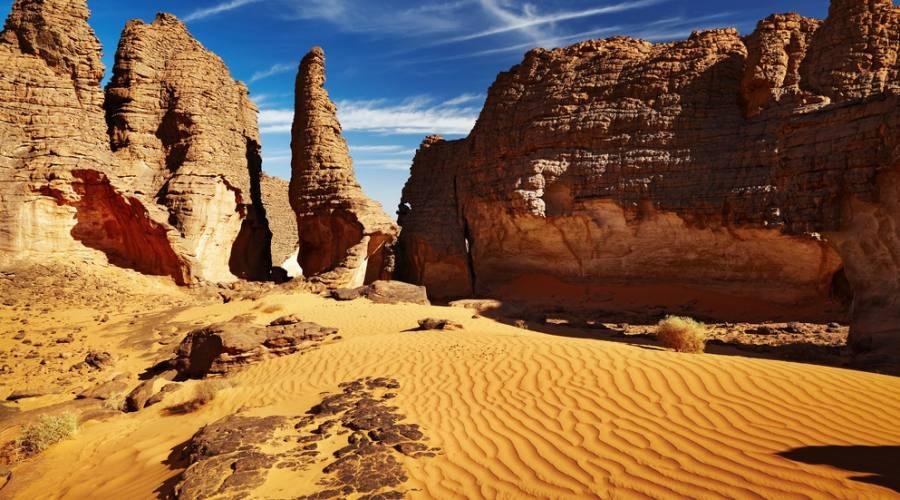
One of Africa’s greatest natural wonders, Tassili features towering sandstone formations, prehistoric rock art and landscapes unlike anywhere else on Earth. Access generally requires organized expeditions.
Recommended stay: 4–7 days
Djanet
Often considered Algeria’s premier desert destination, Djanet offers access to magnificent dunes, rock formations and some of the world’s finest prehistoric rock art.
Recommended stay: 4 days
6
Best Time to Visit
Spring (March to May) is generally considered the best season to visit Algeria. Pleasant temperatures make sightseeing comfortable in northern cities while conditions remain suitable for desert travel.
Autumn (September to November) offers similarly favorable weather. Following the intense summer heat, temperatures moderate across the country, making this another excellent season for both cultural travel and overlanding.
Summer brings very high temperatures, particularly across the Sahara where daytime temperatures often exceed 45°C. Coastal areas remain more comfortable but can still be hot.
Winter is mild along the Mediterranean but surprisingly cold in the desert during the night. Snow occasionally falls in northern mountain regions, while the Sahara experiences ideal daytime temperatures for exploration.
Backpacking Algeria
Backpacking in Algeria is best suited to experienced independent travelers. Major cities are connected by trains, buses and domestic flights, while affordable accommodation exists in larger urban areas.
A typical route begins in Algiers before continuing to Constantine, Djemila, Tétouan? (No—better Oran or Ghardaïa), Oran and eventually the M’Zab Valley. Those with more time can fly south to Djanet or Tamanrasset for Saharan adventures.
French remains useful for communication, although Arabic dominates daily life. Learning a few basic phrases greatly enhances interactions with locals.
Overlanding Algeria
Algeria ranks among Africa’s classic overlanding destinations. Northern highways provide straightforward driving between coastal cities, while the south offers legendary desert expeditions across immense landscapes.
Popular routes include:
- Mediterranean Coast Road
- Algiers – Ghardaïa – Tamanrasset
- Djanet and Tassili expeditions
- Hoggar Mountains exploration
Border regulations can change, and southern travel often requires permits, local guides or convoy arrangements depending on current regulations. Fuel is inexpensive and widely available in northern Algeria, although careful planning becomes essential for remote desert routes.
Motorhome & RV Travel
Northern Algeria is increasingly suitable for self-drive motorhome travel. Modern motorways connect Algiers, Oran, Constantine and many coastal destinations.
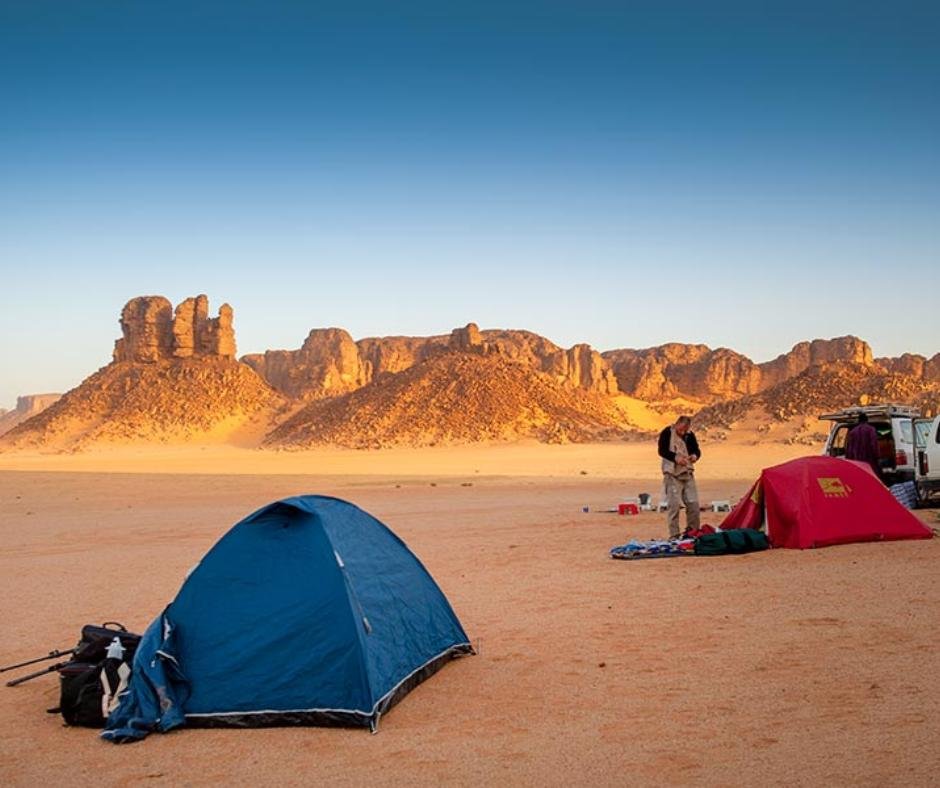
Dedicated camper infrastructure remains limited compared with Europe, so overnight stops generally rely on hotels, guesthouses or permission from local landowners. Wild camping is possible in some remote areas where permitted and safe, but travelers should always seek current local advice.
Large RVs are less practical in older city centers but work well on major highways and coastal routes.
Suggested Road Trips & Itineraries
One Week
Algiers – Tipasa – Constantine – Timgad
Ideal for first-time visitors interested in history and culture.
Two Weeks
Algiers – Oran – Constantine – Djemila – Ghardaïa
This itinerary combines Roman heritage, coastal cities and the unique M’Zab Valley.
Three Weeks
Algiers – Constantine – Ghardaïa – Tamanrasset – Djanet – Tassili n’Ajjer
A classic Algeria journey showcasing both the Mediterranean north and the spectacular Sahara.
Essential Travel Information
Visa
Most visitors require a visa before arrival. Requirements vary by nationality, and applications are normally submitted through Algerian embassies or consulates.
Budget
Algeria remains relatively affordable.
- Budget: €30–50/day
- Mid-range: €60–120/day
- Higher-end: €150+/day
Desert expeditions significantly increase travel costs due to guides, transport and logistics.
Safety
Security has improved considerably over recent decades, although travelers should remain informed about current regional conditions. Some border regions have travel restrictions, and official advice should always be checked before departure.
Urban crime levels remain relatively low, but normal precautions apply in busy areas.
Transport
Northern Algeria has an extensive transport network including highways, railways and domestic flights. Long-distance buses connect most cities, while flights provide the quickest access to southern destinations.
Car rental is available in major cities, although driving standards require confidence and patience.
Continue Planning Your Trip
Destinations
- Algiers
- Constantine
- Oran
- Ghardaïa
- Djanet
- Tamanrasset
- Tassili n’Ajjer
- Timgad
- Tipasa
Travel Planning
- Algeria Visa Guide
- Best Time to Visit Algeria
- Algeria Budget Guide
- Algeria Border Crossings
- Driving in Algeria
- Safety in Algeria
Travel Styles
- Backpacking Algeria
- Overlanding Algeria
- Motorhome Travel in Algeria
- Sahara Desert Expeditions
- Algeria Road Trips
- Overlanding in Algeria
- Getting around in Algeria
Recommended Guides
To continue planning your journey, explore OVL’s detailed destination guides covering North Africa, Sahara overlanding routes, Mediterranean road trips, backpacking itineraries and country-specific travel planning resources. Dedicated articles on border crossings, driving regulations, desert expeditions, camping and regional itineraries provide more detailed information for independent travelers planning longer adventures across Algeria and neighboring countries.