Burundi, a landlocked country in East Africa, faces challenges in the area of transportation due to its mountainous terrain and limited infrastructure. Despite these obstacles, transportation plays a crucial role in the country’s economy, connecting various regions and facilitating trade and commerce.
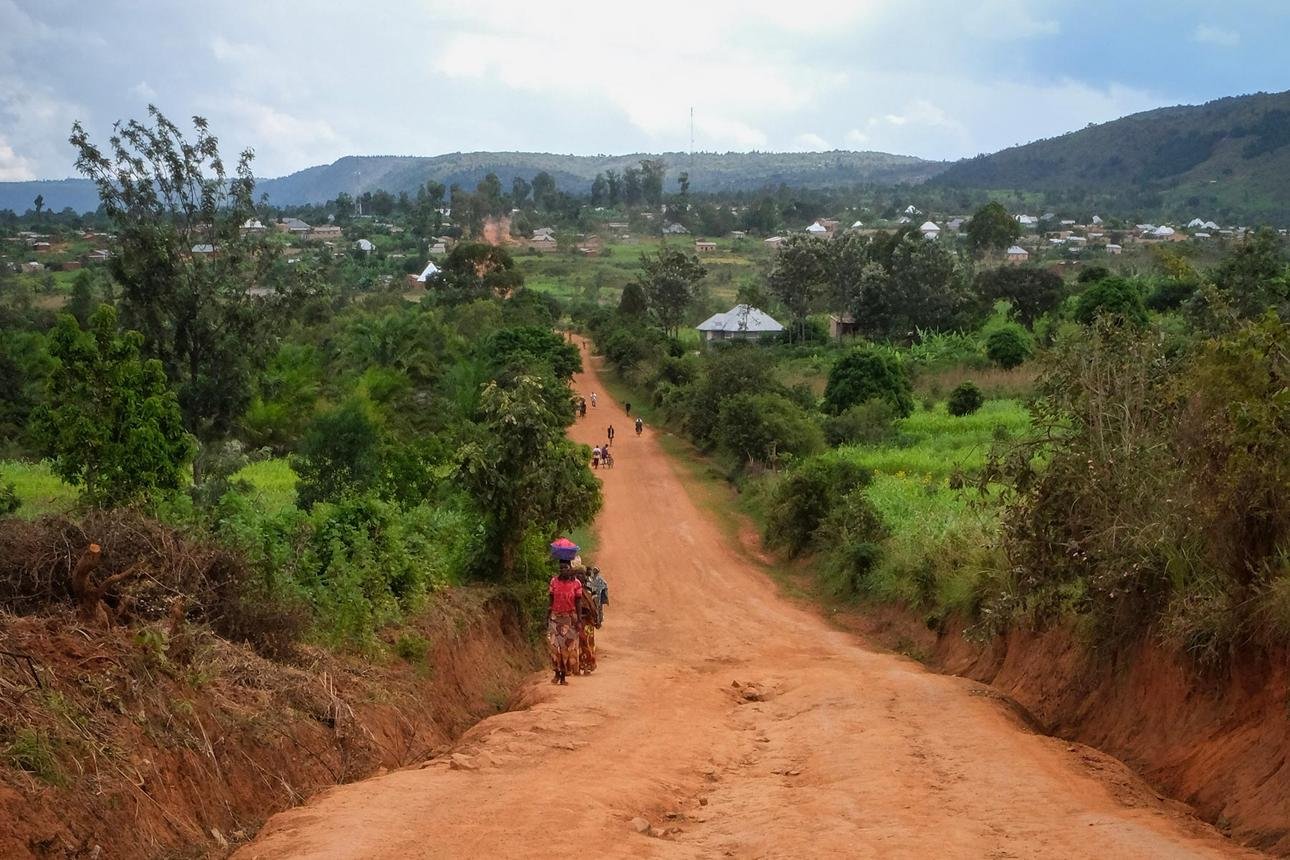
The history of transportation in Burundi dates back to colonial times when the country’s road network was first established. Today, the road network remains the primary mode of transportation, with most of the roads being unpaved and poorly maintained. As a result, traveling long distances can be time-consuming and challenging.
One of the main challenges facing transportation in Burundi is the lack of funding and investment in infrastructure development. This has led to inefficient and unreliable transportation services, hindering the country’s economic growth and development. However, efforts are being made to improve the transportation system, such as the construction of new roads and bridges.
Despite these challenges, transportation in Burundi is slowly improving, with the government and international organizations working together to address the country’s infrastructure needs. For example, the World Bank has funded projects to improve road conditions and upgrade transportation facilities in order to enhance connectivity and promote economic growth.
In addition to road transportation, Burundi also relies on air and water transportation to connect with neighboring countries and the rest of the world. The country has one international airport, Melchior Ndadaye International Airport in Bujumbura, which serves as the main gateway for travelers coming in and out of the country. Water transportation is limited, but efforts are being made to improve access to the country’s ports on Lake Tanganyika.
Overall, transportation in Burundi plays a crucial role in connecting people and goods across the country and beyond. Despite the challenges it faces, efforts are being made to improve the transportation system and promote economic growth and development in the country.

What are the key transportation options available in Burundi?
Transport in Burundi refers to the various modes of transportation available in the country, including road, rail, air, and water transport. Each mode of transportation plays a crucial role in the movement of people and goods within Burundi and to neighboring countries. In this article, we will delve deeper into the different transportation options available in Burundi, their advantages and drawbacks, and how they contribute to the overall development of the country’s infrastructure.
Transport in Burundi
Overview
Transport in Burundi plays a crucial role in the country’s economy and daily life. As a landlocked country in East Africa, Burundi heavily relies on various modes of transport to connect with neighboring countries and facilitate trade. The transportation sector in Burundi faces several challenges, including limited infrastructure, poor road conditions, and a lack of modern transport systems. However, efforts are being made to improve the transport network to enhance connectivity and boost economic growth.
Road Transport
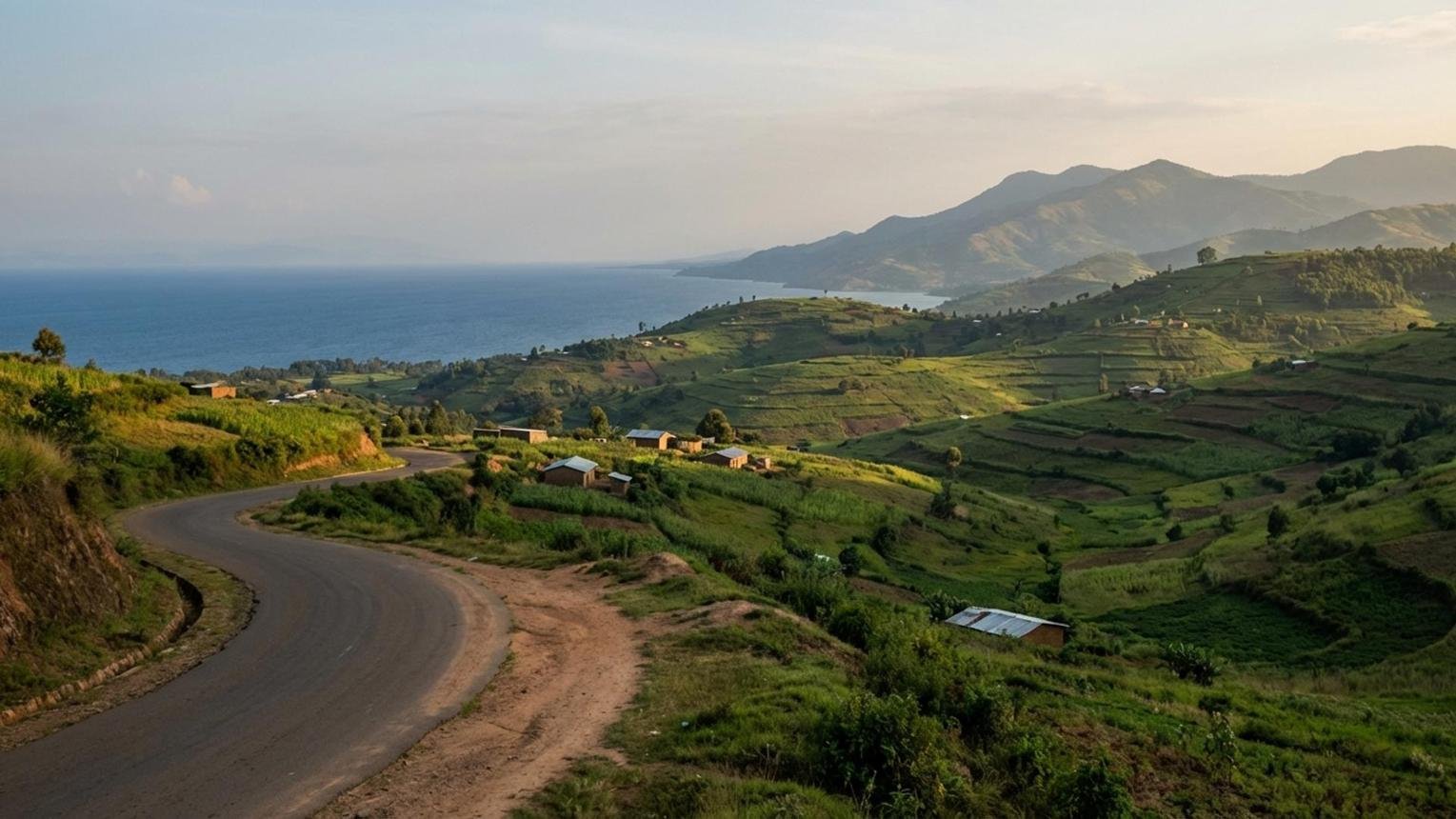
Road transport is the most common mode of transportation in Burundi, accounting for the majority of passenger and freight movements. The road network in Burundi is mainly composed of unpaved roads, which can be challenging to navigate, especially during the rainy season. The main roads in Burundi link major cities and towns, but many rural areas remain isolated due to poor road conditions. The government is working to improve road infrastructure to facilitate easier access to remote regions and promote economic development.
Public Transport
Public transport in Burundi is predominantly provided by buses and minivans known as “matatus.” These vehicles operate on fixed routes within cities and towns, offering an affordable option for commuters. However, public transport services can be unreliable and overcrowded, leading to discomfort for passengers. The government is exploring ways to enhance public transport services and ensure the safety and comfort of passengers.
Rail Transport
Burundi’s railway network is limited, with a single railway line connecting Bujumbura, the capital city, to the port of Kigoma in Tanzania. The railway is primarily used for transporting goods, such as agricultural products and minerals. The government is considering investing in the railway infrastructure to expand the network and improve connectivity with neighboring countries.
Air Transport
Burundi has an international airport, Melchior Ndadaye International Airport, located in Bujumbura. The airport serves as the main gateway to the country, offering flights to regional and international destinations. Air transport is crucial for connecting Burundi to the global economy and promoting tourism. The government is working to modernize the airport infrastructure to attract more airlines and enhance the passenger experience.
Statistics
According to the World Bank, Burundi has a road network of approximately 12,000 kilometers, with only 8% paved. The country has one airport with paved runways and one seaport on Lake Tanganyika. Improving transport infrastructure is essential for Burundi to overcome its geographical challenges and promote economic growth.
What are the main modes of transportation in Burundi?
The main modes of transportation in Burundi are buses, minibusses, motorcycles, bicycles, and taxis.
Is it safe to use public transportation in Burundi?
While generally safe, it is recommended to exercise caution when using public transportation in Burundi, especially at night or in remote areas.
Are there any train services in Burundi?
No, there are no train services currently operating in Burundi.
Can I rent a car in Burundi?
Yes, you can rent a car in Burundi from various international and local car rental companies.
How is the road infrastructure in Burundi?
The road infrastructure in Burundi is generally poor, with many roads in need of repair. This can result in longer travel times and difficulties in reaching certain destinations.
Are there any domestic airlines in Burundi?
Yes, there are domestic airlines operating in Burundi that connect major cities and towns in the country.
What is the typical fare for public transportation in Burundi?
The typical fare for public transportation in Burundi varies depending on the mode of transport and the distance traveled. Prices are relatively low compared to Western countries.
Is it common to use bicycles for transportation in Burundi?
Yes, bicycles are a common mode of transportation in Burundi, especially in rural areas where other forms of transport may be limited.
Can I use ride-sharing services like Uber in Burundi?
As of now, ride-sharing services like Uber are not available in Burundi. However, there are local taxi-hailing apps that you can use.
Are there any safety tips for using public transportation in Burundi?
– Always keep an eye on your belongings
– Avoid traveling alone, especially at night
– Use licensed and reputable transportation services
Conclusion
Overall, the transportation system in Burundi faces numerous challenges that hinder its efficiency and accessibility for the population. The lack of proper infrastructure, limited resources, and reliance on outdated vehicles all contribute to the struggles faced by commuters in the country. Additionally, the high cost of transportation further exacerbates the difficulties for the population, especially for those in rural areas who rely heavily on public transportation.
Despite these challenges, there are ongoing efforts to improve the transportation system in Burundi, with initiatives aimed at upgrading infrastructure and introducing more sustainable modes of transportation. Through investments in road construction, expansion of public transport services, and the promotion of non-motorized transport options, there is hope for a more efficient and accessible transportation system in the future. By addressing these issues and implementing sustainable solutions, Burundi can work towards achieving a more reliable and inclusive transportation network that meets the needs of its population.