Burkina Faso, located in West Africa, has a transport system that is vital for the country’s economic development and growth. With a landlocked geography, efficient transportation networks are crucial for connecting the country to its neighbors and facilitating trade.
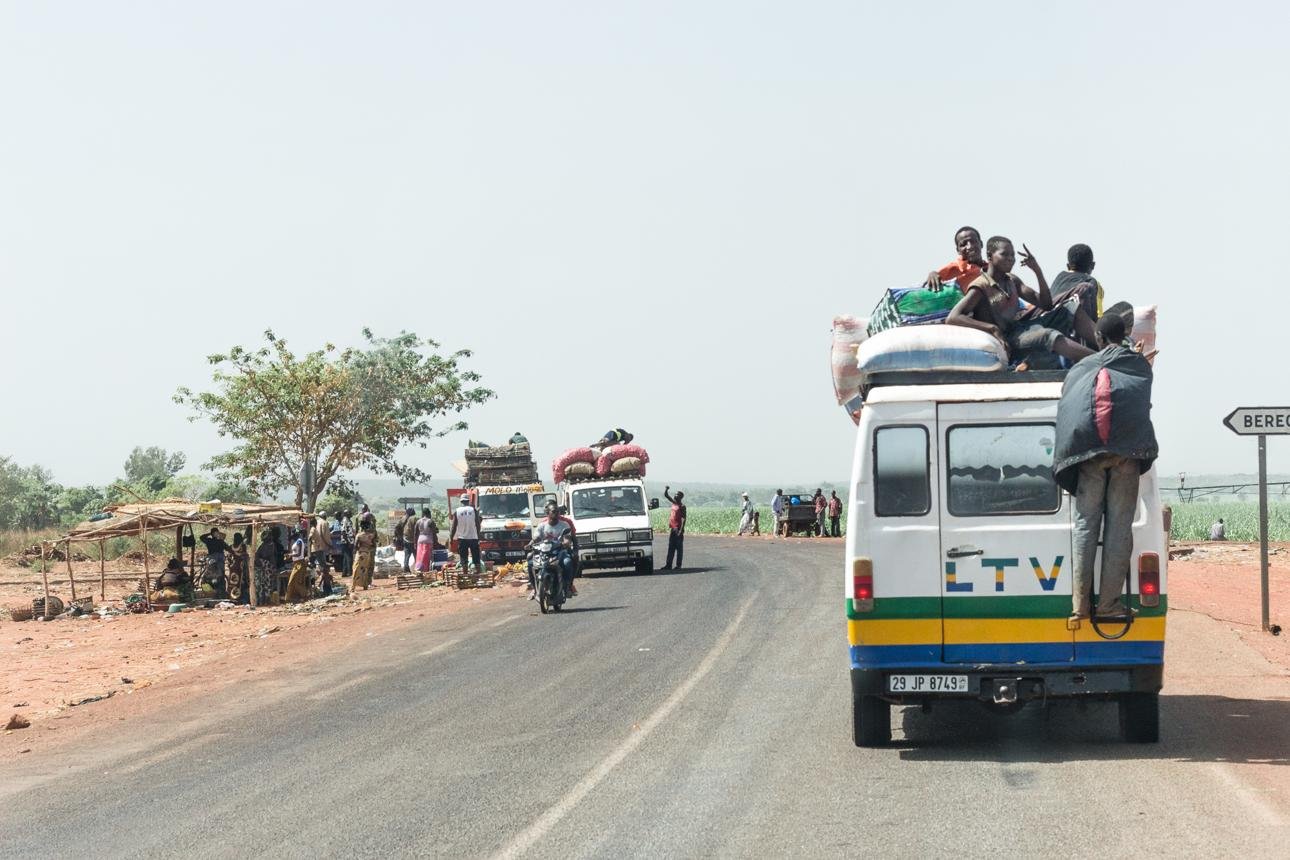
Transport infrastructure in Burkina Faso has seen significant improvements in recent years, with investments in road construction and maintenance. However, challenges such as limited access to rural areas and insufficient public transportation services still exist. As a result, many people rely on informal modes of transport, such as shared taxis and motorcycles, to travel within the country.
One solution that has been implemented to address the lack of public transportation in Burkina Faso is the introduction of a bus rapid transit system in the capital city, Ouagadougou. This system, known as the “Rapid Buses of Ouagadougou” (RABUS), has helped improve access to transportation for residents and reduce traffic congestion in the city.
According to the World Bank, only 10% of Burkina Faso’s road network is paved, making transportation infrastructure a priority for the government. Investments in road construction and maintenance are essential to ensure the smooth movement of goods and people across the country.
In addition to road transportation, Burkina Faso also relies on railways and waterways for trade and transportation. The country’s rail network connects it to neighboring countries, providing an important link for the transport of goods. Improvements to these networks are critical for expanding Burkina Faso’s trade opportunities and boosting its economy.
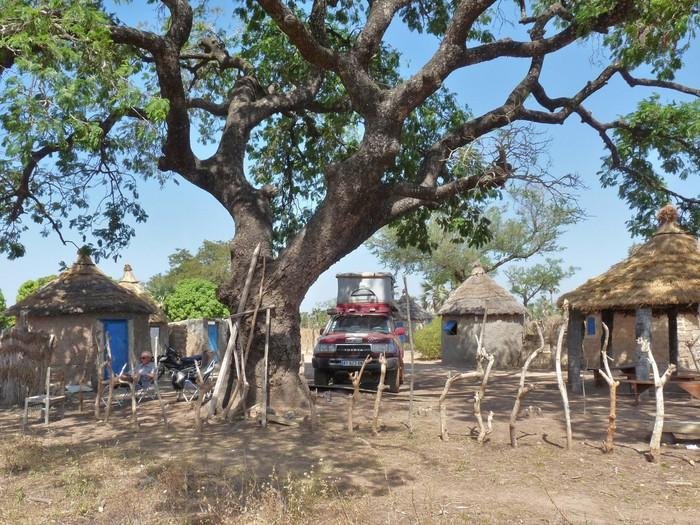
What are the transportation options available in Burkina Faso?
Transport in Burkina Faso includes a variety of options such as road, rail, air, and water. Each mode of transportation offers its own advantages and limitations, catering to the diverse needs of travelers in the country. To learn more about the transportation system in Burkina Faso and how to navigate the different options, continue reading below.
Types of Transportation
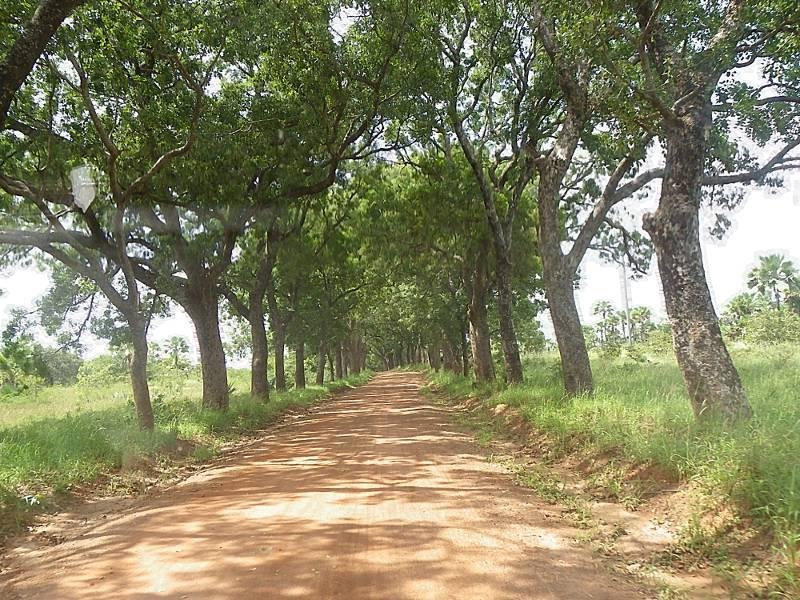
Transportation in Burkina Faso consists of various modes, including road, rail, air, and water transport. The most common mode of transportation for the majority of the population is road transport. The road network in Burkina Faso is relatively well-developed, with paved roads connecting major cities and towns. However, many rural areas are still only accessible by dirt roads, which can become impassable during the rainy season.
Road Transport
There are both public and private bus companies that provide inter-city transportation services in Burkina Faso. These buses are typically crowded and not always reliable in terms of schedule. Taxis and minibusses are also popular modes of transport for shorter distances within cities.
Rail Transport
The rail network in Burkina Faso is limited, with the only existing line running from Kaya to Ouagadougou to Abidjan in Cote d’Ivoire. The rail system is primarily used for transporting goods rather than passengers.
Air Transport
The main international airport in Burkina Faso is located in the capital city of Ouagadougou. There are several domestic airports in other cities, including Bobo-Dioulasso and Ouahigouya. Air travel is the fastest and most convenient mode of transportation for long distances within the country.
Water Transport
Although Burkina Faso is a landlocked country, the Volta River provides a limited means of transportation via boat. However, water transport is not widely used due to the lack of navigable rivers and the country’s reliance on other modes of transport.
Challenges and Improvements
- One of the major challenges facing transportation in Burkina Faso is the poor condition of many roads, particularly in rural areas.
- Improvements to the road network, including paving more roads and maintaining existing infrastructure, are needed to enhance transportation efficiency and safety.
- There is also a need for investment in public transportation systems to provide affordable and reliable options for residents.
Statistics
According to the World Bank, only 21% of the population in Burkina Faso has access to paved roads, highlighting the need for further development and investment in transportation infrastructure.
The major modes of transportation in Burkina Faso include buses, taxis, motorcycles, bicycles, and donkey carts.
Yes, Burkina Faso has a limited railway system that connects the capital city of Ouagadougou to Kaya in the north.
The main roads in Burkina Faso are generally well-maintained, but secondary roads in rural areas may be in poor condition.
Yes, there are domestic airlines in Burkina Faso that operate flights between major cities such as Ouagadougou and Bobo-Dioulasso.
Yes, you can rent a car in Burkina Faso from international car rental companies or local providers.
While public transportation is generally safe in Burkina Faso, travelers should exercise caution and be aware of their surroundings, especially in crowded areas.
Foreign visitors are required to have an international driving permit to drive in Burkina Faso. Additionally, driving at night is not recommended due to poor lighting and road conditions.
The cost of public transportation in Burkina Faso varies depending on the mode of transport and the distance traveled. Bus fares are generally affordable, while taxis can be more expensive.
Traffic congestion is not a major issue in Burkina Faso, except in urban centers during peak hours.
Yes, some alternative modes of transportation in Burkina Faso include shared taxis, motorbike taxis (known as “motos”), and bicycle taxis.
Conclusion
Overall, Transport in Burkina Faso faces numerous challenges, including poor road infrastructure, limited access to transportation services in rural areas, and a lack of regulation in the transport sector. Despite these challenges, efforts are being made to improve the transportation system in the country through various initiatives and projects. The government has implemented policies to enhance road networks, invest in public transportation, and promote sustainable modes of transport. However, more still needs to be done to address the existing issues and ensure a more reliable and efficient transportation system for the people of Burkina Faso.
In conclusion, Transport in Burkina Faso plays a crucial role in the country’s economic development and social well-being. By addressing the challenges faced in the transport sector, such as poor infrastructure and limited access to transportation services, Burkina Faso can improve its overall connectivity and promote economic growth. It is essential for the government and stakeholders to work together to implement sustainable solutions that will benefit the population and contribute to the country’s prosperity in the long run.