Did you know that Bangladesh is one of the most densely populated countries in the world, with over 160 million people living in an area about the size of Iowa? With such a high population density, transportation plays a crucial role in everyday life in Bangladesh.
Transportation in Bangladesh has a long history dating back to ancient times when rivers were the primary mode of transportation. Today, the country has a complex transportation network that includes roads, railways, waterways, and air transport. The transportation sector in Bangladesh is of great importance as it facilitates trade, tourism, and communication within the country and with neighboring countries.
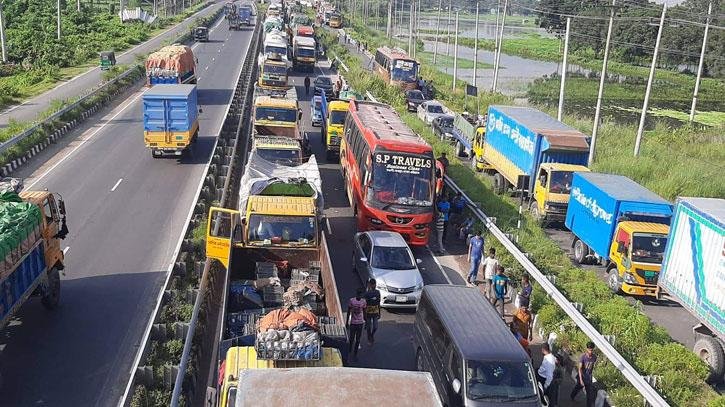
One of the major challenges faced by Bangladesh in terms of transportation is traffic congestion in urban areas. Dhaka, the capital city, is one of the most congested cities in the world, with traffic jams being a common occurrence. To address this issue, the government has been investing in infrastructure development, including the construction of flyovers and expressways, to improve traffic flow and reduce travel time for commuters.
Despite these challenges, Bangladesh has made significant progress in expanding and modernizing its transportation infrastructure in recent years. The country has seen a steady growth in the number of vehicles on the road, with over 3.5 million registered vehicles in 2019. Additionally, the government has been investing in improving road safety and public transportation services to ensure the smooth movement of people and goods across the country.
What are the main modes of transportation in Bangladesh?
Transport in Bangladesh refers to the various modes of transportation used in the country to facilitate the movement of goods and people. From buses and trains to rickshaws and boats, Bangladesh has a diverse transportation system that caters to the needs of its population. To learn more about the different modes of transportation in Bangladesh and how they contribute to the country’s economy and development, continue reading below.
Types of Transport in Bangladesh
Transport in Bangladesh is diverse and includes various modes of transportation such as road, rail, waterways, and air. The most common mode of transport is road transport, with a vast network of roads connecting different parts of the country.
Road Transport
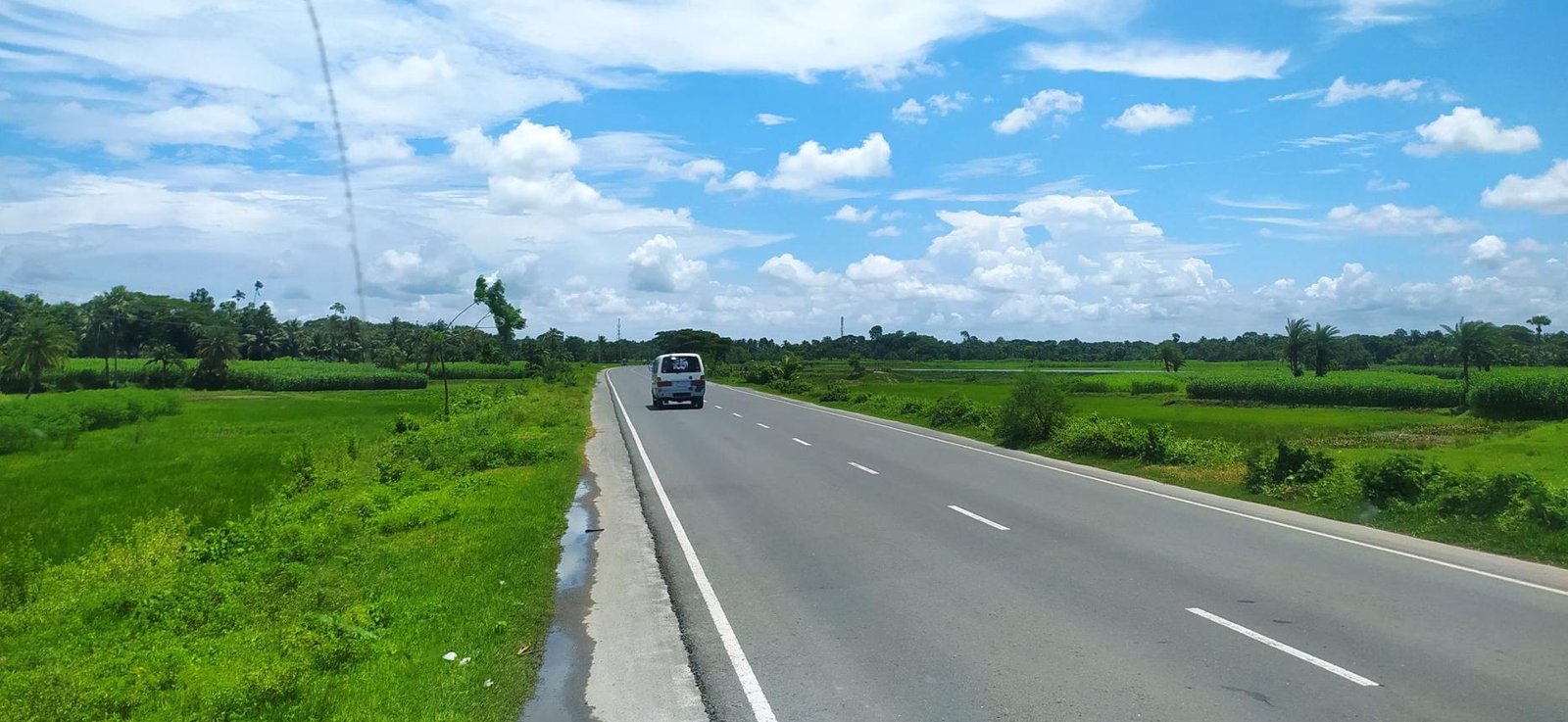
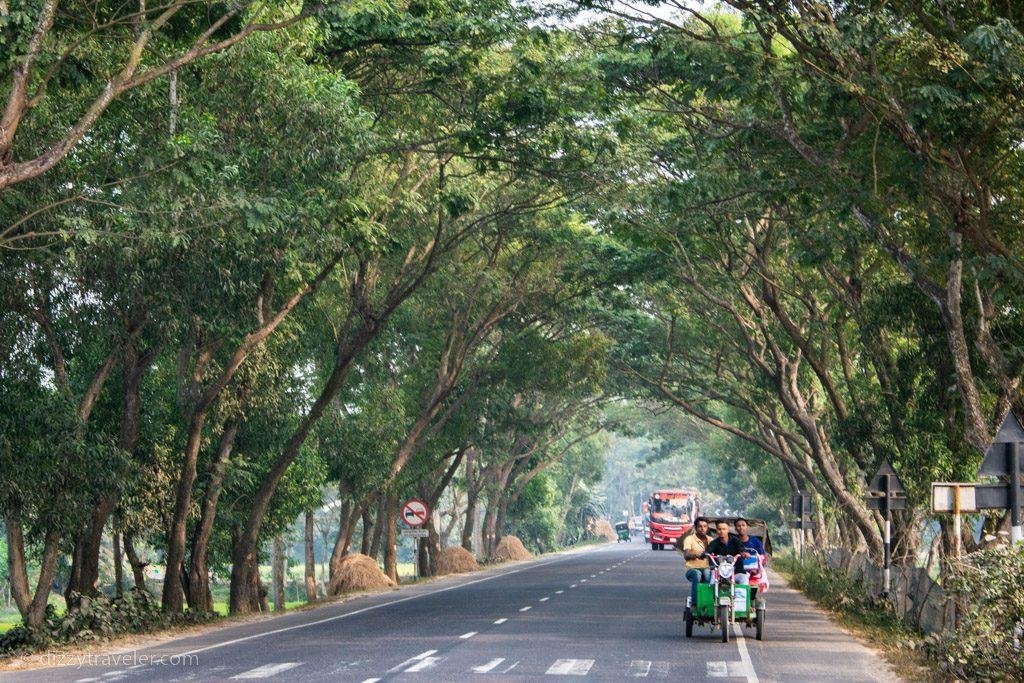
Road transport is the backbone of the transportation system in Bangladesh, with buses, minibusses, taxis, and auto-rickshaws being the most common modes of transport for the general public. The roads in Bangladesh can be congested, particularly in urban areas, due to the high population density and increasing number of vehicles.
Rail Transport
Rail transport is another important mode of transportation in Bangladesh, with the Bangladesh Railway operating a network of passenger and freight trains connecting major cities and towns. The railway system plays a crucial role in transporting goods and passengers across the country, providing a cost-effective and efficient mode of transportation.
Waterways
Water transport is also significant in Bangladesh, given its extensive network of rivers and waterways. The country has the largest delta in the world, and water transport is a crucial mode of transportation for both people and goods. Ferries, boats, and steamers are commonly used for transportation along rivers and coastal areas.
Air Transport
Air transport is the fastest mode of transportation in Bangladesh, with several domestic and international airports located across the country. The national carrier, Biman Bangladesh Airlines, operates flights to various domestic and international destinations, facilitating air travel for both passengers and cargo.
Challenges in the Transportation Sector
- Road congestion and traffic jams
- Inadequate infrastructure and maintenance
- Lack of proper regulation and enforcement
- Inefficient public transport system
- Environmental pollution and carbon emissions
Despite these challenges, the government of Bangladesh is working towards improving the transportation sector by investing in infrastructure development, promoting sustainable modes of transport, and enhancing regulatory frameworks.
According to recent statistics, around 70% of passenger traffic in Bangladesh is transported by road, highlighting the significant role of road transport in the country’s transportation system.
What are the main modes of transport in Bangladesh?
The main modes of transport in Bangladesh include buses, trains, rickshaws, CNG auto-rickshaws, boats, and ferries.
Is public transport reliable in Bangladesh?
Public transport in Bangladesh can vary in terms of reliability, depending on the mode of transport and the specific location. Generally, buses and trains can be overcrowded and prone to delays, while rickshaws and CNG auto-rickshaws offer a more flexible and convenient option for short distances.
How safe is it to use public transport in Bangladesh?
While public transport in Bangladesh is generally safe, it is important for travelers to exercise caution and be aware of their surroundings, especially in crowded areas. It is also advisable to keep an eye on personal belongings to prevent theft.
Are there any specific rules or etiquettes to follow when using public transport in Bangladesh?
When using public transport in Bangladesh, it is important to respect the personal space of others, follow instructions from the transport operators, and queue up in an orderly manner. It is also advisable to have small change ready for fares, as well as to negotiate the price before getting into a rickshaw or CNG auto-rickshaw.
Can tourists rent cars or motorbikes in Bangladesh?
Yes, tourists can rent cars or motorbikes in Bangladesh, but it is important to have the necessary licenses and insurance in place. It is also advisable to familiarize oneself with the local traffic rules and regulations before driving in Bangladesh.
Are there any restrictions on driving in Bangladesh for foreign visitors?
Foreign visitors are required to have an International Driving Permit (IDP) to drive in Bangladesh. It is also important to drive on the left side of the road and adhere to local traffic regulations at all times.
Are there any alternative modes of transport for long-distance travel in Bangladesh?
For long-distance travel in Bangladesh, travelers can opt for domestic flights or inter-city buses. Domestic flights are relatively quick and convenient, while inter-city buses offer a more budget-friendly option for those looking to save on transportation costs.
What is the best way to travel around Dhaka, the capital city of Bangladesh?
Given the heavy traffic congestion in Dhaka, the best way to travel around the city is by using rickshaws, CNG auto-rickshaws, or ride-sharing services like Uber or Pathao. These modes of transport are more agile and can navigate through the city’s narrow and crowded streets more effectively.
Are there any overnight train or bus services in Bangladesh?
Yes, there are overnight train and bus services in Bangladesh that cater to long-distance travelers. These services offer sleeper berths or reclining seats for a more comfortable journey, allowing passengers to rest and arrive at their destination refreshed.
What should travelers do in case of an emergency while using public transport in Bangladesh?
In case of an emergency while using public transport in Bangladesh, travelers should remain calm and seek assistance from the transport operators or nearby authorities. It is also advisable to have emergency contact numbers saved in their phone and to keep a copy of their travel documents in a safe place.
Conclusion
Overall, transport in Bangladesh faces numerous challenges due to the country’s densely populated cities, poor infrastructure, and lack of efficient public transportation systems. The heavy reliance on road transport has led to severe congestion, road accidents, and environmental pollution. Improving the road network, investing in public transportation, and promoting alternative modes of transport like cycling and walking are crucial steps that need to be taken to address these issues.
Additionally, the government’s initiatives to introduce modern transport systems such as metro rail projects and bus rapid transit systems are positive steps towards improving the overall transport situation in Bangladesh. By prioritizing sustainable and efficient modes of transport, Bangladesh has the potential to enhance mobility, reduce emissions, and create a more liveable environment for its citizens. Ultimately, addressing the challenges in the transport sector is essential for the country’s economic growth and the well-being of its people.