Uganda, located in East Africa, is known for its diverse landscapes and rich culture. One of the key factors that contribute to the country’s development and connectivity is its transportation system. Transport in Uganda plays a crucial role in facilitating trade, tourism, and overall economic growth.
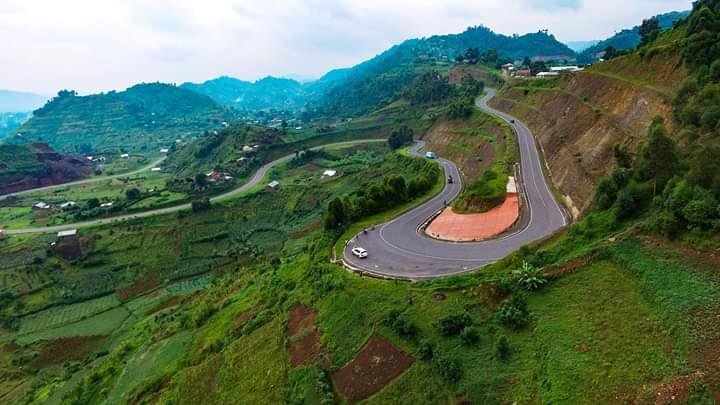
From the early days when Uganda gained independence in 1962, transport infrastructure has been a priority for the government. The country has made significant investments in improving its road networks, railways, waterways, and air transport services. Today, Uganda boasts a well-connected transportation system that links major cities, towns, and remote areas, making it easier for people and goods to move around the country.
Despite the progress in infrastructure development, challenges such as traffic congestion and road accidents still persist in Uganda. According to the World Health Organization, road traffic accidents are among the leading causes of death in the country. One solution to address this issue is to improve road safety measures, enhance driver training programs, and invest in better road maintenance practices.
In recent years, Uganda has also seen a rise in the use of technology to enhance transportation services. Mobile apps for ride-hailing services and online ticket booking platforms have gained popularity, making it more convenient for travelers to move around the country. This digital transformation in the transport sector has not only improved efficiency but also increased accessibility for both locals and tourists.
The future of transport in Uganda looks promising as the government continues to prioritize infrastructure development and invest in sustainable transport solutions. With ongoing projects to expand road networks, upgrade railway systems, and promote green transportation options, Uganda is poised to further improve its connectivity and drive economic growth in the years to come.
Looking for Reliable Transport Services in Uganda?
Transport in Uganda refers to the various modes of transportation available in the country, including road, air, and water transport. With a diverse landscape and growing economy, having reliable transport services is crucial for both locals and visitors. In this article, we will explore the different transportation options in Uganda and how to find the best providers for your needs. Keep reading to learn more about the transport infrastructure in Uganda.
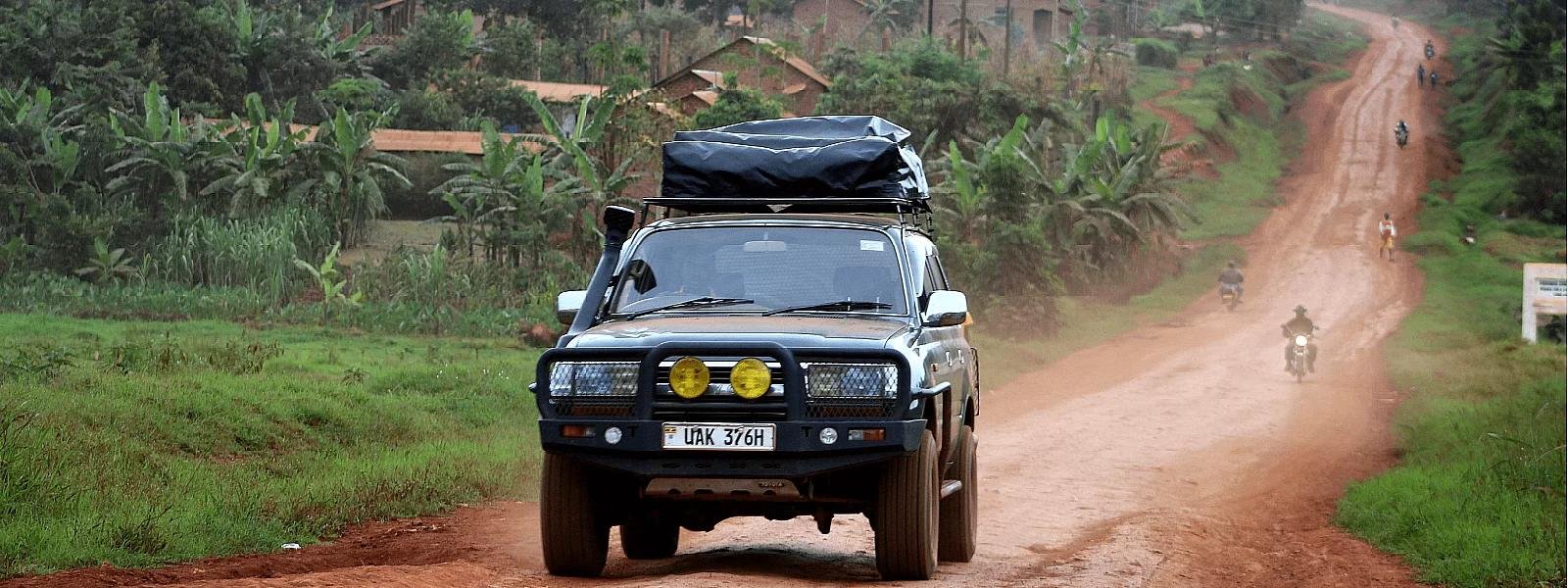
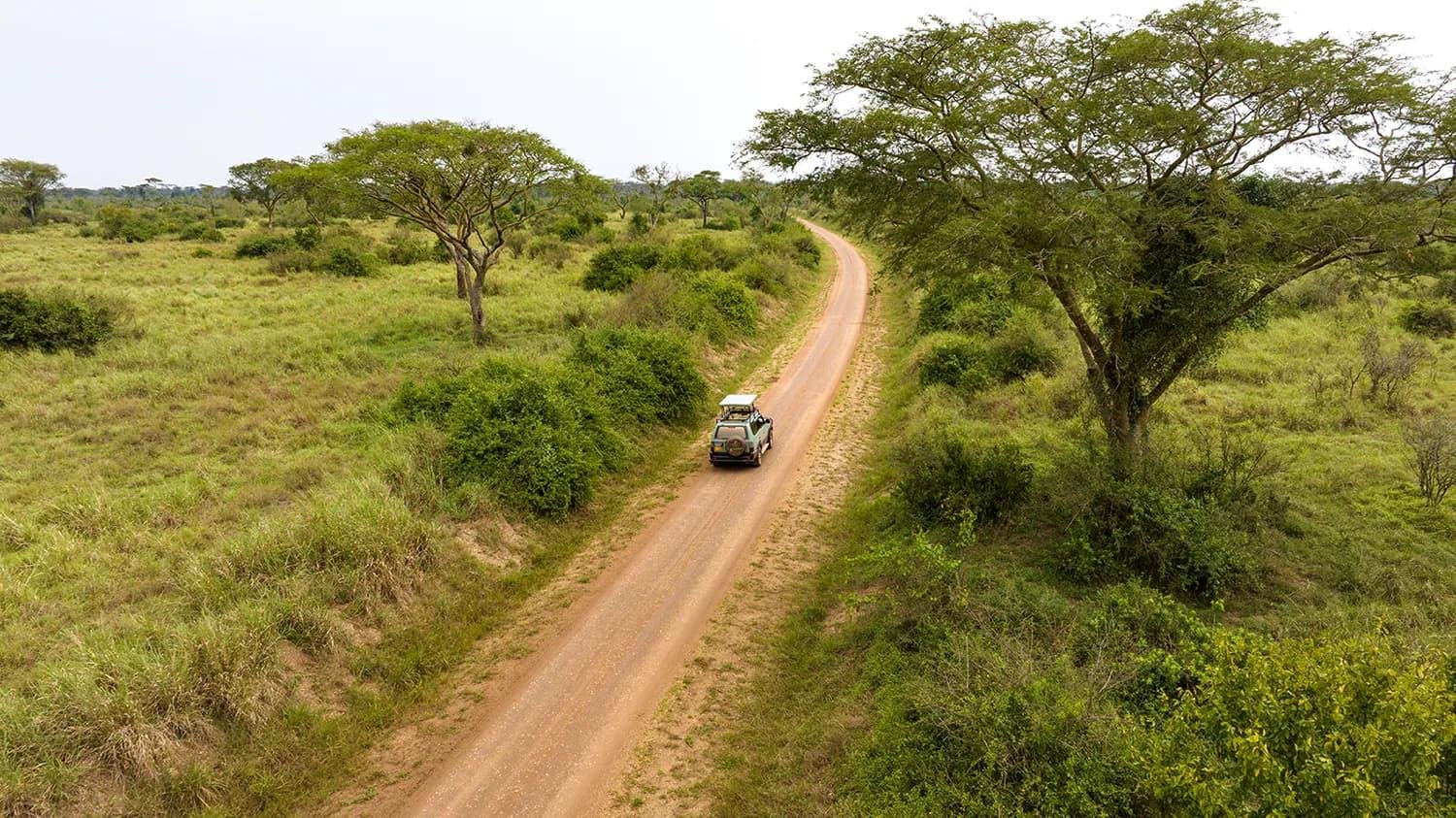
Uganda has a predominantly road-based transport system, with road transport accounting for over 95% of the country’s total freight and passenger traffic. The road network in Uganda is relatively well-developed compared to other forms of transport infrastructure such as railways and waterways. The country has a total road network of about 158,000 kilometers, with most roads being unpaved and in rural areas.
**Challenges of Transport in Uganda**
One of the major challenges that Uganda faces in terms of transport is the poor road conditions. Many roads in the country are in a state of disrepair, leading to increased travel times, vehicle maintenance costs, and accidents. In addition, the lack of proper road signage and lighting poses a safety hazard for road users, especially at night.
**Public Transport in Uganda**
Public transport in Uganda is mainly provided by minibus taxis, locally known as “matatus”, and boda-bodas (motorcycle taxis). Matatus operate on fixed routes within urban areas and are a popular mode of transport for many Ugandans due to their affordability and accessibility. However, matatus are often overcrowded and poorly maintained, leading to safety concerns for passengers.
Boda-bodas have also become a popular mode of transport in Uganda, especially in rural areas where access to public transport is limited. While boda-bodas offer flexibility and convenience, they are associated with a high rate of accidents due to reckless driving and lack of safety measures.
**Government Initiatives in Transport**
The Ugandan government has prioritized the improvement of transport infrastructure in recent years to enhance connectivity and boost economic growth. Projects such as the Kampala-Entebbe Expressway and the Mpigi-Kanoni Sironko road have been initiated to improve road connectivity and reduce travel times between major cities.
The government has also invested in the rehabilitation and expansion of the railway network in Uganda to ease congestion on roads and reduce the cost of transporting goods. The construction of the Standard Gauge Railway (SGR) line connecting Uganda to neighboring countries such as Kenya and Rwanda is expected to further improve transport connectivity in the region.
**Statistics on Transport in Uganda**
According to the World Bank, Uganda has a road network density of about 111 kilometers per 1,000 square kilometers of land area. This indicates the country’s relatively well-developed road infrastructure compared to some of its neighbors in the region. Additionally, the World Bank reports that Uganda’s transport sector contributes about 10% to the country’s GDP, highlighting the importance of transport in driving economic growth and development in Uganda.
What types of transportation are available in Uganda?
Transportation options in Uganda include buses, taxis, boda bodas (motorcycle taxis), matatus (minivans), and private cars.
Is it safe to use public transportation in Uganda?
While public transportation in Uganda can be crowded and sometimes unreliable, it is generally safe to use. It’s important to be cautious and aware of your surroundings when traveling by public transportation.
Are there rental car services available in Uganda?
Yes, there are several rental car agencies in Uganda where you can hire a car for your travels. Make sure to have the necessary documents and insurance before renting a car.
What are boda bodas and are they a common form of transportation in Uganda?
Boda bodas are motorcycle taxis that are a popular and convenient form of transportation in Uganda. They are commonly used for short-distance trips in urban areas.
How do I pay for public transportation in Uganda?
Most public transportation in Uganda operates on a cash basis, so you will need to pay the fare in cash when boarding a bus or taxi. Some matatus may also accept mobile money payments.
Are there transportation apps available in Uganda?
Yes, there are several transportation apps available in Uganda that can help you book a taxi or boda boda. Popular apps include SafeBoda, Taxify, and Uber.
What are the main challenges of transportation in Uganda?
Some of the main challenges of transportation in Uganda include traffic congestion, poorly maintained roads, and limited public transportation options in rural areas.
Can I use ride-sharing services like Uber or Taxify in Uganda?
Yes, ride-sharing services like Uber and Taxify are available in major cities like Kampala. These services can be a convenient and safe option for getting around the city.
Is it common to see bicycle transportation in Uganda?
Yes, bicycles are a common mode of transportation in Uganda, especially in rural areas where access to motorized vehicles may be limited. Bicycle taxis, known as boda bodas, are also popular in urban areas.
What should I keep in mind when using public transportation in Uganda?
When using public transportation in Uganda, it’s important to be mindful of your belongings, ensure you have the correct change for fares, and be prepared for delays due to traffic or road conditions.
Conclusion
Transport in Uganda plays a vital role in the country’s economic development, social integration, and accessibility to basic services. The diverse range of transportation modes, including roads, railways, waterways, and air transport, are essential for connecting people and goods across the country. While there have been significant improvements in the transport infrastructure in recent years, challenges such as poor road conditions, limited access to transport services in rural areas, and inadequate funding for maintenance and upgrades still persist.
Efforts to address these issues are underway, with the government implementing various initiatives to improve the transport sector, such as road construction projects, upgrading of the railway network, and increasing access to public transport. Additionally, partnerships with private sector entities and international organizations are being leveraged to enhance the efficiency and sustainability of transport services in Uganda. By addressing these challenges and investing in the development of the transport sector, Uganda can continue to promote economic growth, social cohesion, and improved quality of life for its citizens.