Did you know that Laos, a landlocked country in Southeast Asia, has a diverse and unique transportation system that reflects its geography and history? With rugged terrains including mountains, rivers, and dense forests, Laos has faced challenges in developing its transportation infrastructure. Despite these obstacles, transportation plays a crucial role in connecting various regions of Laos and driving economic development.
Transportation in Laos has come a long way since the country gained independence in 1953. The government has been investing in improving road networks, building bridges, and upgrading airports to enhance connectivity within Laos and with neighboring countries. The transportation sector contributes to the country’s tourism industry, agriculture, and trade, supporting economic growth and development.
One of the key initiatives in improving transportation in Laos is the ongoing construction of the China-Laos railway, a major infrastructure project that will connect Laos to China’s railway network. Once completed, the railway is expected to boost trade and tourism, as well as facilitate the movement of goods and people between the two countries. This project highlights the importance of strategic partnerships in enhancing transportation infrastructure and connectivity.
Despite these advancements, challenges remain in ensuring safe and efficient transportation in Laos. Poor road conditions, limited public transport options, and inadequate maintenance of infrastructure continue to hinder the overall transportation system. Addressing these challenges will be crucial in sustaining economic growth and improving the livelihoods of people across Laos.


What are the different modes of transportation available in Laos?
Transport in Laos refers to the various methods of traveling within the country, such as by road, water, air, or rail. Each mode of transportation has its own advantages and disadvantages depending on the destination and purpose of travel. To learn more about the different transportation options in Laos and how to navigate the country efficiently, continue reading below.
In Laos, transport plays a crucial role in connecting different regions of the country and facilitating trade and tourism. The country’s transport infrastructure has been improving in recent years, but there are still challenges that need to be addressed.
Public transport in Laos mainly consists of buses, minibusses, and tuk-tuks. Buses are the most common mode of public transport, connecting major cities and towns. However, the quality of buses can vary, with some being old and uncomfortable. Minibusses are also popular for shorter distances, while tuk-tuks are commonly used for short trips within cities.
Laos also has a limited railway network, with a single line connecting the capital city of Vientiane to the Thai border. The government has plans to expand the railway network in the future to improve connectivity within the country and with neighboring countries.
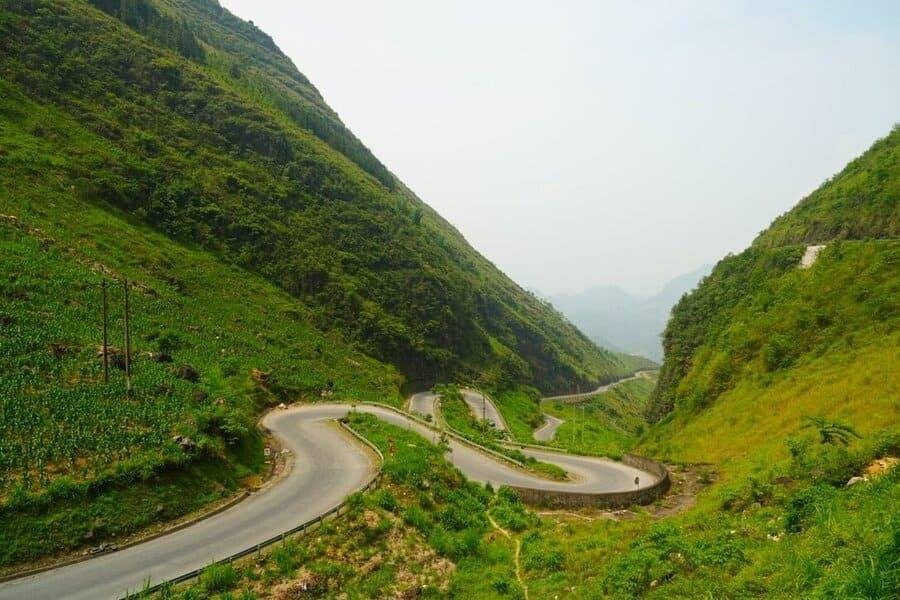
Road transport is the most common mode of transportation in Laos, with a network of paved and unpaved roads connecting different parts of the country. However, road conditions can vary, with some roads being in poor condition, especially in rural areas.
In recent years, the government has been investing in improving the transport infrastructure in Laos. This includes expanding and upgrading roads, bridges, and airports to better connect the country and promote economic development. The government has also been working on improving road safety to reduce accidents and fatalities.
Overall, transport in Laos is essential for connecting different parts of the country and supporting economic growth. With continued investment in the transport infrastructure, Laos can further improve connectivity and facilitate trade and tourism in the region.
According to the World Bank, Laos has a road density of 50.1 km per 100 square kilometers.
Conclusion
Overall, transport in Laos faces challenges due to its mountainous terrain and underdeveloped infrastructure. The country heavily relies on road transport for both passengers and goods, leading to issues such as safety concerns and traffic congestion. Additionally, the lack of paved roads in rural areas hinders accessibility and economic development.
While the government has made efforts to improve transport infrastructure through projects like the Laos-China railway, more investments and coordination are needed to address the existing gaps. Sustainable solutions, such as promoting public transportation and implementing road safety measures, are crucial for the future development of the transport sector in Laos. By addressing these challenges and investing in a more integrated and efficient transport network, Laos can better connect its people and resources, contributing to economic growth and improving the overall quality of life for its citizens.