Did you know that Ghana has one of the busiest transportation systems in West Africa? With a population of over 30 million people and a growing economy, the demand for reliable and efficient transportation services continues to increase.
Transport in Ghana has come a long way since gaining independence in 1957. Originally reliant on a small network of roads and railways built during the colonial era, the country has since expanded its transportation infrastructure to include a mix of modern highways, ports, airports, and public transportation systems. Today, transport plays a crucial role in connecting people and goods across the country, facilitating economic growth and development.
One of the main challenges facing transportation in Ghana is congestion in major cities like Accra and Kumasi. Traffic jams not only waste time and fuel but also contribute to air pollution and road accidents. To address this issue, the government has been investing in initiatives like the Bus Rapid Transit system in Accra, which aims to provide faster and more reliable public transportation options for commuters.
According to the World Bank, Ghana’s transport sector contributes significantly to the country’s GDP, supporting industries like agriculture, manufacturing, and tourism. With ongoing investments in infrastructure development and a focus on sustainable transport solutions, Ghana is poised to further improve its transportation system and drive economic growth in the years to come.

What are the advantages of Transport in Ghana?
Transport in Ghana refers to the various means of moving people and goods within the country. This includes road transportation, water transportation, and air transportation. The efficient transport system in Ghana plays a crucial role in the country’s economy by facilitating trade and commerce, connecting rural and urban areas, and providing job opportunities for many people. In the following sections, we will delve deeper into the advantages of transport in Ghana and how it contributes to the overall development of the country.
Transport in Ghana
Ghana, located in West Africa, has a diverse transportation system that serves the needs of its population. The country has a mix of both modern and traditional modes of transportation, providing various options for getting around the country.
Road Transport
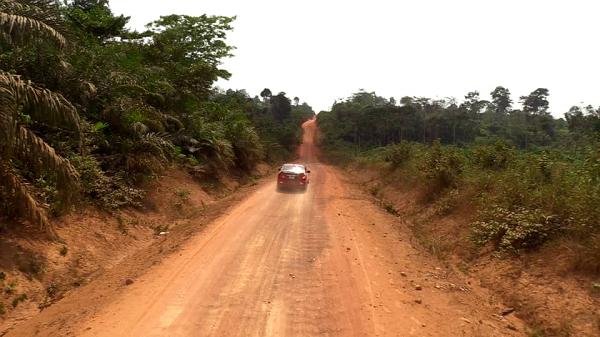
Road transport is the most common way for people to travel within Ghana. The country has an extensive network of roads that connect major cities and towns. The quality of the roads varies, with major highways generally in good condition, while rural roads may be less well-maintained. Tro-tros, small vans or minibusses, are a popular mode of transportation for both locals and tourists, offering an affordable and flexible way to travel.
Rail Transport
Ghana’s railway system is not as extensive as its road network, but efforts are being made to improve and expand it. The country’s rail network primarily serves the mining industry, transporting goods such as bauxite and manganese. Passenger services are limited, with most people relying on buses and tro-tros for long-distance travel.
Water Transport
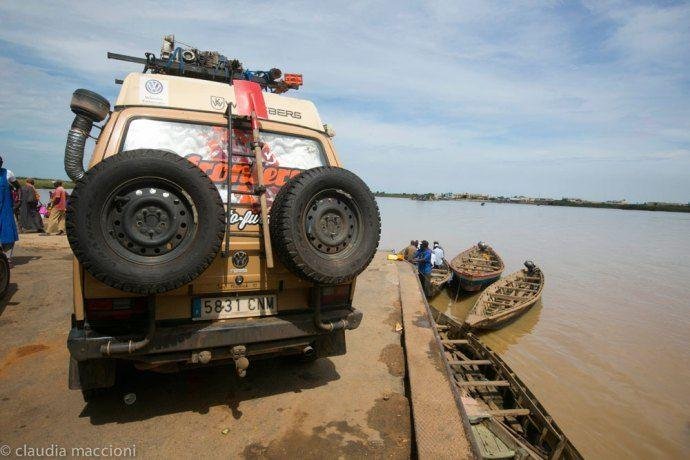
Ghana’s coastal location means that water transport plays a significant role in the country’s transportation system. Ports such as Tema and Takoradi serve as major hubs for both goods and passengers, connecting Ghana to other countries in the region. Boat services also operate on the country’s rivers and lakes, providing an important link for communities in remote areas.
Air Transport
Air travel is another important mode of transportation in Ghana, particularly for long-distance travel or reaching remote areas. Kotoka International Airport in Accra is the country’s main airport, serving as a hub for both domestic and international flights. Domestic airlines operate routes to various cities in Ghana, making it easier for people to travel across the country.
Statistics
According to the World Bank, Ghana had a total of 13,092 kilometers of paved roads in 2018, with a road density of 0.54 kilometers per square kilometer. The country continues to invest in its transportation infrastructure to improve connectivity and support economic growth.
FAQs on Transport in Ghana
1. How reliable is public transportation in Ghana?
Public transportation in Ghana can vary in reliability depending on the region. In major cities like Accra and Kumasi, public buses and tro-tros (vans) are commonly used and generally run on schedule. However, in rural areas, transportation options may be limited and less reliable.
2. Are taxis a safe mode of transportation in Ghana?
Taxis are a popular mode of transportation in Ghana and are generally considered safe. It is advisable to use licensed taxis and negotiate the fare before starting the journey to avoid any misunderstandings.
3. What is the best way to travel between cities in Ghana?
The most common and convenient way to travel between cities in Ghana is by bus. There are several bus companies that operate routes between major cities, offering both luxury and economy options.
4. Are there any alternatives to buses for traveling long distances within Ghana?
Another popular option for long-distance travel in Ghana is by shared taxis or tro-tros. While these may be less comfortable than buses, they can be a more flexible and cost-effective choice for some travelers.
5. Is it safe to drive in Ghana as a foreigner?
Driving in Ghana can be challenging for foreigners due to the aggressive driving behavior and poor road conditions in some areas. It is recommended to exercise caution and be familiar with local traffic laws before driving in Ghana.
6. Are there any ride-sharing services available in Ghana?
Yes, there are ride-sharing services like Uber and Bolt available in major cities like Accra and Kumasi. These services can be a convenient and safe option for getting around urban areas.
7. How can I navigate public transportation in Ghana as a tourist?
As a tourist in Ghana, you can use mobile apps like Moovit or public transportation websites to plan your routes and check schedules. You can also ask locals for tips and recommendations on getting around.
8. Are there any restrictions on traveling with luggage on public transportation in Ghana?
While there are no strict restrictions on luggage size or weight on public transportation in Ghana, it is advisable to travel light and keep an eye on your belongings to prevent theft or loss.
9. What are the peak hours for public transportation in Ghana?
Peak hours for public transportation in Ghana typically occur during morning and evening rush hours when people are commuting to and from work. It is advisable to plan your travel outside of these times to avoid overcrowded vehicles.
10. How can I pay for public transportation in Ghana?
Most public transportation in Ghana operates on a cash-only basis, so it is advisable to carry small denominations of Ghanaian Cedi to pay for fares. Some buses may also accept mobile money payments for added convenience.
Conclusion
Overall, transport in Ghana plays a crucial role in the country’s development and economy. The challenges faced in the sector, including inadequate infrastructure, traffic congestion, and safety concerns, need to be addressed to ensure efficient and sustainable transport systems. Investments in road construction, public transportation, and railway networks are essential to improve accessibility and connectivity across the country, particularly in rural areas. Additionally, the implementation of technology and innovative solutions can further enhance the efficiency and effectiveness of the transport sector in Ghana.
In conclusion, addressing the challenges and improving the transport infrastructure in Ghana will not only benefit the economy but also enhance the quality of life for its citizens. By prioritizing sustainable and efficient transport systems, Ghana can better connect people, goods, and services, leading to increased productivity and economic growth. With strategic planning and investments, Ghana has the potential to transform its transport sector and ensure a better future for all its citizens.