Gabon, a country located in Central Africa, is known for its rich biodiversity and natural resources. With a population of around 2 million people, the transportation system in Gabon plays a crucial role in connecting different regions and facilitating economic development. The country has a total road network of approximately 9,170 kilometers, with most of the roads concentrated in urban areas and linking major cities like Libreville and Port-Gentil. Despite the importance of transportation in Gabon, the infrastructure has faced challenges in terms of maintenance and expansion to meet the growing demands of the population.
One of the key challenges facing the transportation sector in Gabon is the lack of adequate funding for infrastructure development and maintenance. As a result, many roads in the country are in poor condition, leading to increased travel times and higher transportation costs. To address this issue, the Gabonese government has been working on attracting foreign investments and exploring public-private partnerships to fund transportation projects and improve the overall infrastructure.
In addition to road transportation, Gabon also relies on rivers and ports for the movement of goods and people. The Ogooué River, the longest river in Gabon, serves as a vital transportation route for cargo and passengers, connecting remote areas to major cities. The Port of Owendo in Libreville is the country’s primary seaport, handling a significant amount of imports and exports. Improving the efficiency and capacity of these waterways is essential for enhancing Gabon’s connectivity and promoting economic growth.
Despite the challenges, the government of Gabon is committed to investing in transportation infrastructure to support sustainable development and improve the quality of life for its citizens. By prioritizing key projects and leveraging partnerships with the private sector, Gabon aims to overcome its transportation obstacles and build a more efficient and reliable network for the future. As the country continues to grow and urbanize, the transportation sector will play a crucial role in driving economic progress and fostering social cohesion.

Looking for Information on Transport in Gabon?
Interested to know more about the transportation system in Gabon? Discover the various modes of transportation available in the country and how they play a crucial role in connecting different regions. Find out more about the infrastructure, services, and challenges of transport in Gabon in the following detailed discussion.
Transport in Gabon
Transport in Gabon plays a crucial role in the country’s economic development and connecting its various regions. The transportation system in Gabon consists of a combination of road, water, and air transport infrastructure.
Road Transport
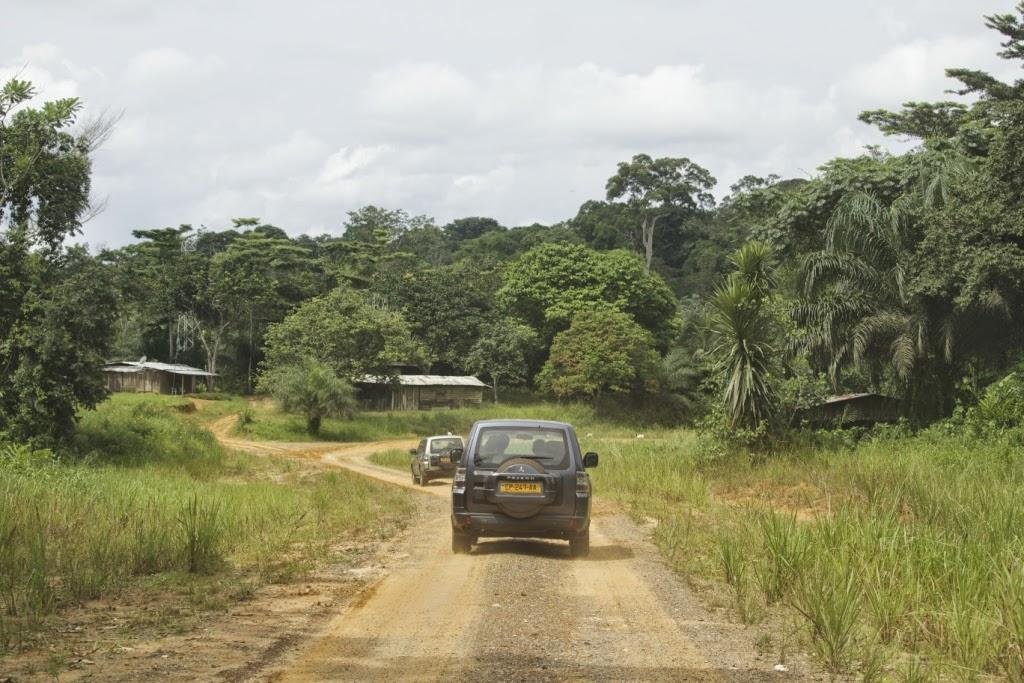
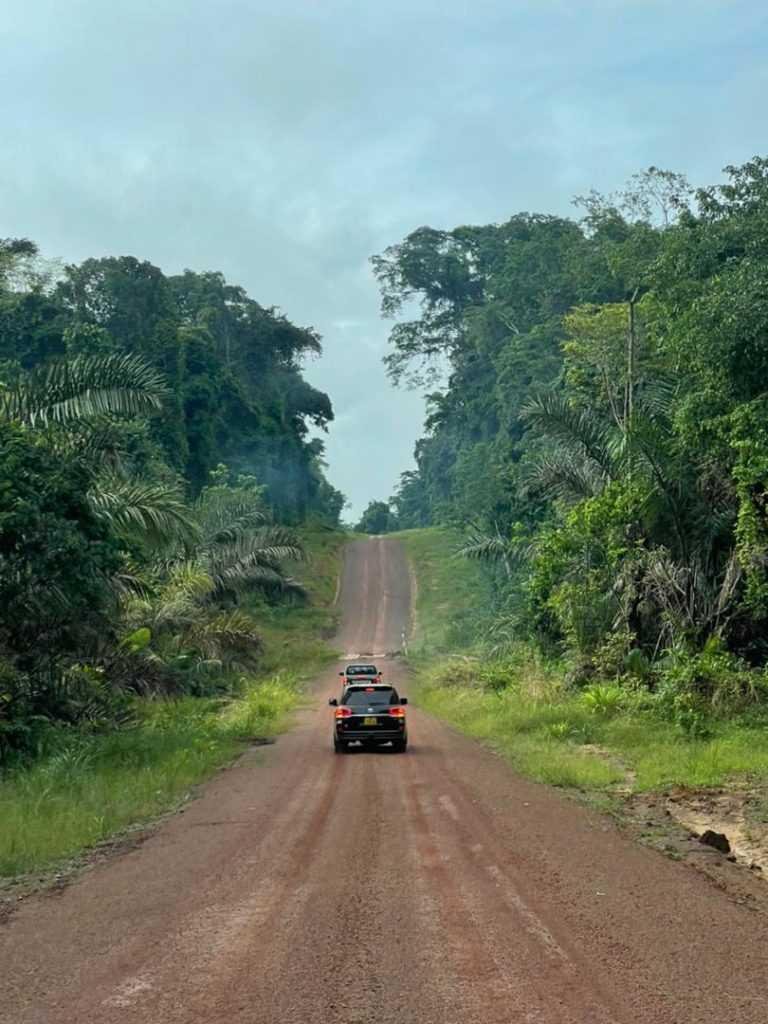
Road transport is the most common mode of transportation in Gabon, with a total road network of approximately 9,170 kilometers. The road network connects major cities and towns in the country, facilitating the movement of goods and people. However, the quality of roads in Gabon varies, with some paved highways in good condition while others are in need of repair.
- Major highways in Gabon include the Trans-Gabon Railway and the National Route 1.
- Public transportation in Gabon primarily consists of buses, minibusses, and taxis.
Water Transport
Given Gabon’s long coastline along the Atlantic Ocean, water transport plays a significant role in the country’s transportation system. The Port of Owendo in Libreville is the country’s main seaport, serving as a hub for maritime trade and transportation.
- Gabon has several rivers that are navigable, allowing for inland water transportation.
- Ferries and boats are commonly used for transportation between coastal cities and towns.
Air Transport
Air transport is also vital in Gabon, given the country’s vast and often difficult terrain. The main international airport in Gabon is Leon Mba International Airport in Libreville, which connects the country to major cities in Africa and beyond.
- Other domestic airports in Gabon include Port-Gentil Airport and Oyem Airport.
- Air Gabon is the national airline of Gabon, providing domestic and international flights.
In conclusion, the transportation infrastructure in Gabon is essential for the country’s economic development and connectivity. Improvements in transportation networks will further enhance trade and tourism in Gabon.
According to recent statistics, Gabon has a total road network of approximately 9,170 kilometers.
https://youtube.com/watch?v=iWehwn_0TrI
Is public transportation reliable in Gabon?
Public transportation in Gabon is relatively reliable, with options like buses, taxis, and minibuses available in major cities.
What is the most common mode of transportation in Gabon?
The most common mode of transportation in Gabon is by car, either private or taxis.
Are there any challenges with transportation in Gabon?
Some challenges with transportation in Gabon include limited infrastructure in rural areas, crowded public transportation in cities, and high taxi fares.
Is it safe to travel by public transportation in Gabon?
While public transportation can be safe in Gabon, it’s important to be aware of pickpocketing and scams, especially on crowded buses or taxis.
How accessible is transportation for people with disabilities in Gabon?
Transportation for people with disabilities in Gabon is generally limited, with few options for accessible public transportation or facilities.
Are there any restrictions on using transportation in Gabon?
There are no specific restrictions on using transportation in Gabon, but it’s essential to follow local regulations and be aware of any travel advisories.
What are the main forms of public transportation in Gabon?
- Buses
- Taxis
- Minibuses
How expensive is transportation in Gabon?
Transportation costs in Gabon can vary depending on the mode of transport and distance traveled. Taxis tend to be more expensive compared to public buses.
Is there a reliable train system in Gabon?
There is no current train system in Gabon, with road transportation being the primary mode of travel within the country.
Can I rent a car in Gabon as a tourist?
Yes, tourists can rent cars in Gabon, but it’s essential to have a valid driver’s license and follow local driving regulations.
Conclusion
In conclusion, the transportation system in Gabon plays a crucial role in the country’s economy and daily life. Despite facing challenges such as inadequate infrastructure and maintenance issues, the government has been making efforts to improve the transportation network to better connect various regions within the country. The reliance on road transportation remains high, but there are initiatives to develop other modes of transportation such as railways and air travel to enhance connectivity and facilitate economic growth.
Furthermore, sustainable transportation practices are being promoted to address environmental concerns and reduce carbon emissions. The introduction of electric buses and the implementation of stricter emissions regulations are steps towards creating a more eco-friendly transportation system in Gabon. Overall, the future of transportation in Gabon looks promising with ongoing improvements and developments in infrastructure, technology, and sustainability measures. By addressing existing challenges and embracing innovation, Gabon is poised to enhance its transportation sector for the benefit of its citizens and the overall economy.