Egypt has a rich history of transportation dating back to ancient times when the Nile River served as a crucial lifeline for trade and travel. Today, the transportation system in Egypt plays a vital role in connecting people and goods across the country. With a population of over 100 million people, efficient and reliable transportation is essential for maintaining the country’s economy and ensuring smooth movement of people and goods.
One of the most popular modes of transportation in Egypt is the vast network of buses that serve both urban and rural areas. The government has invested heavily in upgrading and expanding the bus system to accommodate the growing population and improve accessibility for all residents. With over 25,000 buses operating throughout the country, Egyptians rely on this mode of transportation for their daily commutes and travel needs.
In recent years, Egypt has also seen a significant increase in the use of ride-sharing services and taxi-hailing apps, providing convenient options for individuals to get around cities like Cairo and Alexandria. These services have helped alleviate some of the traffic congestion issues that plague major urban centers in Egypt, offering a more efficient and cost-effective solution for daily transportation needs.
According to statistics, Egypt has over 64,000 kilometers of roads that span the length and breadth of the country, connecting major cities and rural areas. The government continues to prioritize infrastructure development to improve road conditions and reduce travel times for commuters. With ongoing investments in road projects and public transportation initiatives, Egypt is working towards creating a more sustainable and efficient transportation system for its growing population.
What are the advantages of Transport in Egypt?
Transport in Egypt refers to the different modes of transportation available in the country, including buses, trains, taxis, and ferries. The efficient transport system in Egypt makes it easy for both locals and tourists to navigate the country and explore its many landmarks and attractions. This article will explore the advantages of transport in Egypt and how it contributes to the overall experience of traveling in the country.
Transport in Egypt
Egypt, a country in North Africa, has a diverse and complex transportation system that includes various modes of transportation to cater to its large population and tourists. The transportation infrastructure in Egypt is extensive, with a mix of modern and traditional modes of transport.
Road Transport
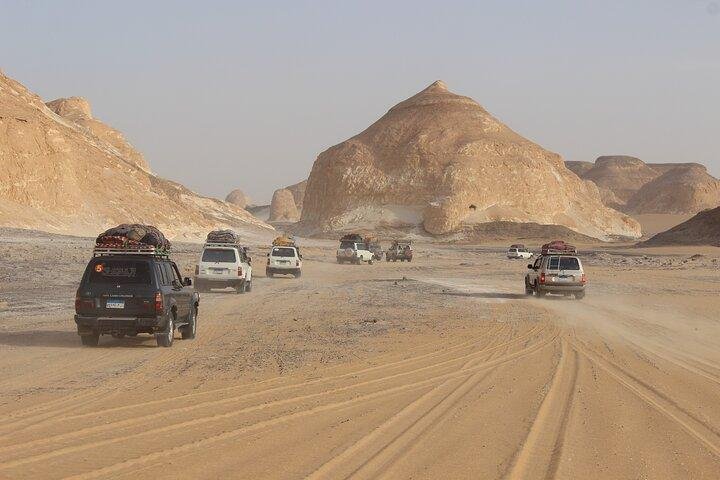
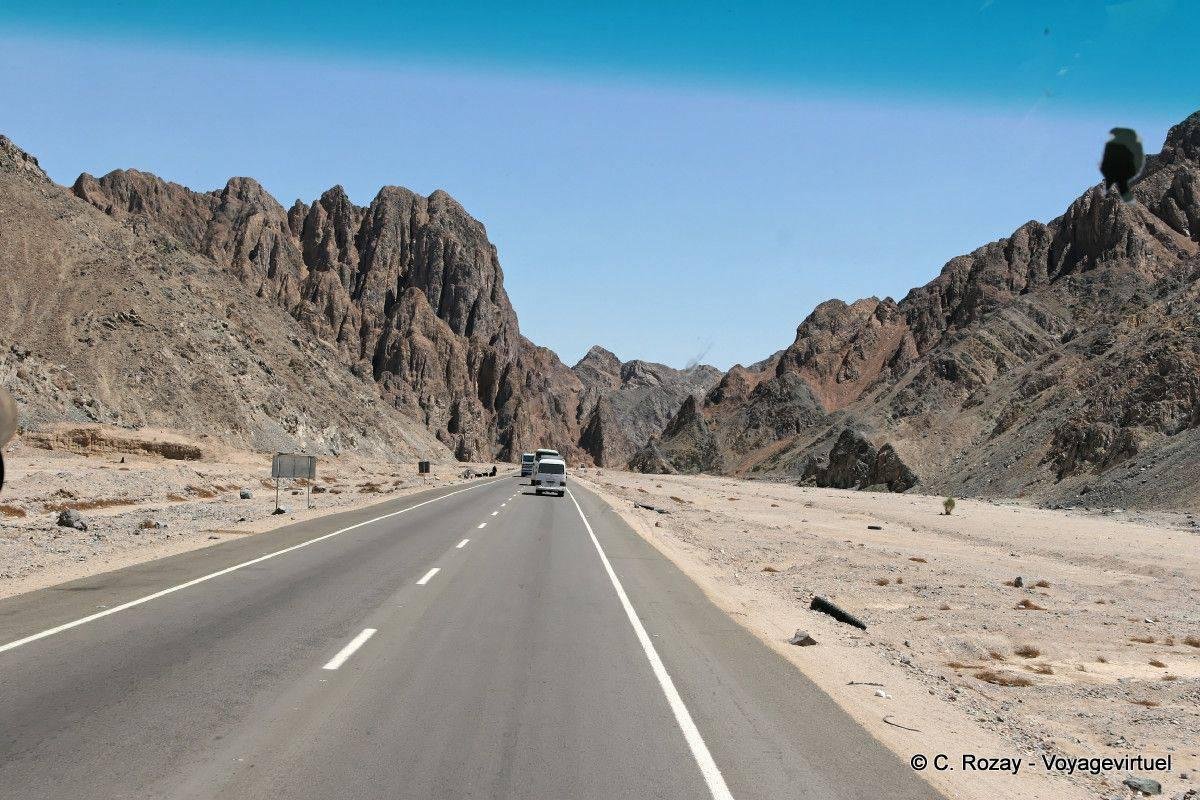
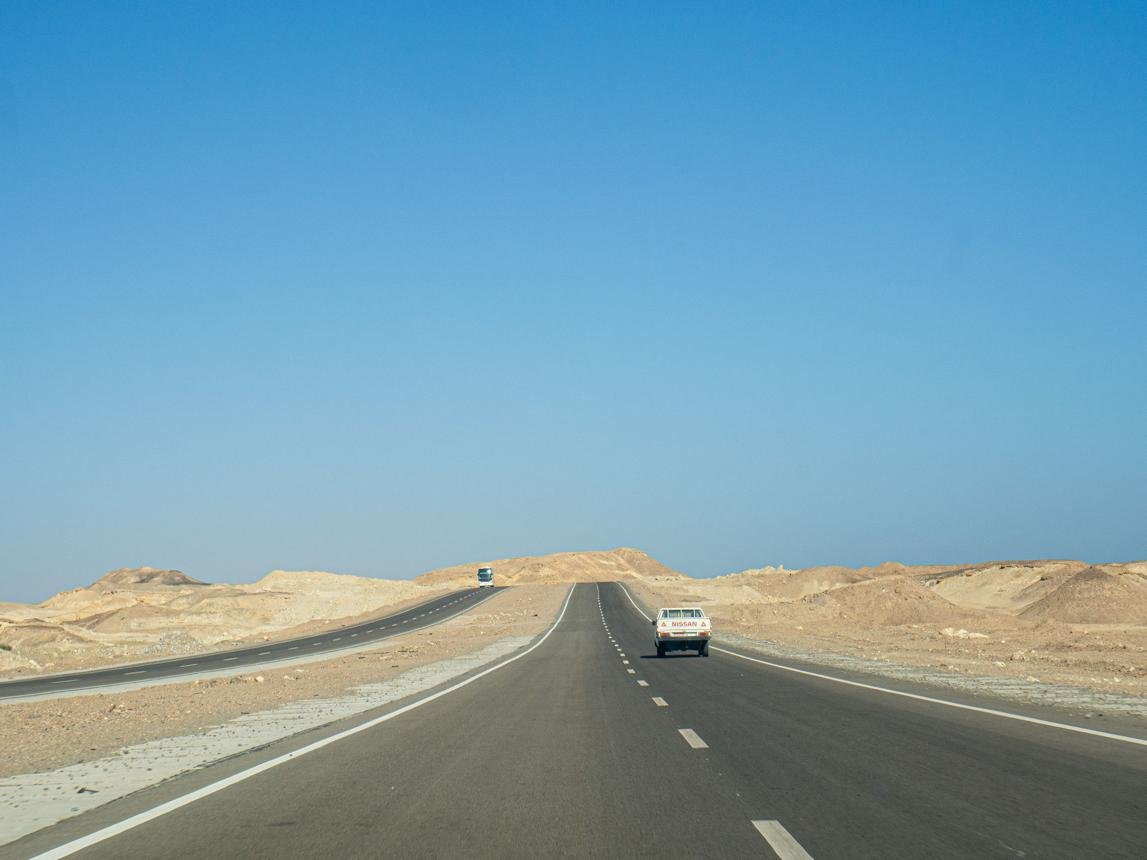
Road transport is the most common mode of transportation in Egypt, with a vast network of roads connecting major cities and towns. The roads in Egypt range from modern highways to smaller roads in rural areas. The traffic in major cities like Cairo can be congested, with a mix of cars, buses, and motorcycles vying for space on the roads. The government is continuously working on improving road infrastructure and safety measures to accommodate the growing population and increasing traffic.
Public Transport
Public transport in Egypt includes buses, microbuses, and a metro system in Cairo. The bus network is extensive, covering most parts of the country, while microbuses are commonly used for shorter distances within cities. The Cairo Metro is one of the most efficient ways to navigate the city, with three operational lines that connect different parts of Cairo.
Rail Transport
Egypt has an extensive railway system that connects major cities and towns across the country. The railway network is managed by the Egyptian National Railways and is a popular mode of transportation for long-distance travel. The trains in Egypt vary in speed and comfort, with both regular and express trains available to passengers.
Air Transport
Egypt has several international airports, with Cairo International Airport being the busiest and largest airport in the country. The airport serves as a hub for domestic and international flights, connecting Egypt to various destinations around the world. Other major airports in Egypt include Luxor International Airport, Sharm El Sheikh International Airport, and Hurghada International Airport.
Water Transport
Water transport plays a significant role in Egypt, with the Nile River running through the country and the Mediterranean Sea to the north. The Nile River is used for transportation of goods and people, with ferries and boats operating along its waters. The Suez Canal, a key waterway in Egypt, is one of the busiest shipping lanes globally, connecting the Mediterranean Sea to the Red Sea.
Despite the challenges and congestion faced in the transportation sector, Egypt continues to invest in improving its transportation infrastructure to meet the growing needs of its population and visitors.
Statistically, Egypt has a road network of around 121,000 kilometers, with over 8,700 kilometers of railway lines in operation.
What are the main modes of transport in Egypt?
The main modes of transport in Egypt include buses, taxis, metro, trams, and trains.
How reliable is public transportation in Egypt?
Public transportation in Egypt can vary in reliability depending on the mode of transport and the location. In major cities like Cairo, public transportation is generally reliable, but delays can occur. It is best to check schedules and plan ahead.
Is it safe to use public transportation in Egypt?
While public transportation in Egypt is generally safe, it is always recommended to exercise caution, especially at night. Keep an eye on your belongings and be aware of your surroundings while using public transport.
Are taxis readily available in Egypt?
Yes, taxis are readily available in Egypt, especially in major cities like Cairo and Alexandria. You can easily flag one down on the street or find them at designated taxi stands.
How much does public transportation cost in Egypt?
The cost of public transportation in Egypt varies depending on the mode of transport and the distance traveled. Bus fares are relatively cheap, while the metro and trains have fixed prices based on zones.
Can I use ride-sharing services like Uber in Egypt?
Yes, ride-sharing services like Uber and Careem operate in Egypt. They are a convenient and safe alternative to traditional taxis, especially for tourists.
Are there any specific etiquette rules to follow when using public transportation in Egypt?
When using public transportation in Egypt, it is important to respect other passengers by giving up your seat to those in need, avoiding loud conversations, and refraining from eating or drinking on buses and trains.
Is driving a car a viable option for getting around Egypt?
Driving a car in Egypt can be challenging due to congestion, aggressive drivers, and lack of adherence to traffic laws. It is recommended to use public transportation or hire a driver if you are not familiar with local driving conditions.
Are there any special transportation options for tourists in Egypt?
Yes, there are tourist buses and hop-on-hop-off tours available in major tourist destinations like Cairo and Luxor. These services provide a convenient way for tourists to explore key attractions.
Conclusion
Overall, transport in Egypt plays a crucial role in the country’s economy and daily life. The transportation system in Egypt is diverse, ranging from traditional modes like camels and donkeys to modern forms such as trains and buses. Despite facing challenges such as traffic congestion and inadequate infrastructure, the government has made efforts to improve the transportation system through the construction of new roads, bridges, and the expansion of public transportation networks. The Suez Canal, a vital waterway linking Europe and Asia, also serves as a key transportation route, generating significant revenue for the country.
In conclusion, transport in Egypt is a dynamic and evolving sector that is essential for connecting people, goods, and services across the country. As Egypt continues to grow and develop, investments in transportation infrastructure will be crucial to supporting economic growth and improving the quality of life for its citizens. By addressing challenges such as traffic congestion and adopting sustainable transportation practices, Egypt can enhance its transportation system and contribute to its overall development and prosperity.