Alpine Landscapes, Historic Cities, Lakes & Scenic Road Trips
6
Austria Travel Guide
Austria is one of Europe’s most rewarding travel destinations, combining magnificent Alpine scenery, elegant historic cities, beautiful lakes, medieval towns, spectacular mountain roads, and a rich cultural heritage. From the imperial architecture of Vienna to the high peaks of the Austrian Alps, the country offers remarkable variety despite its relatively compact size.
Located in the heart of Central Europe, Austria borders Germany, the Czech Republic, Slovakia, Hungary, Slovenia, Italy, Switzerland, and Liechtenstein. Its location has made it an important crossroads between Central and Western Europe for centuries. Today, it is equally attractive as a destination for city breaks, hiking holidays, skiing, cultural tourism, cycling, road trips, and campervan travel.
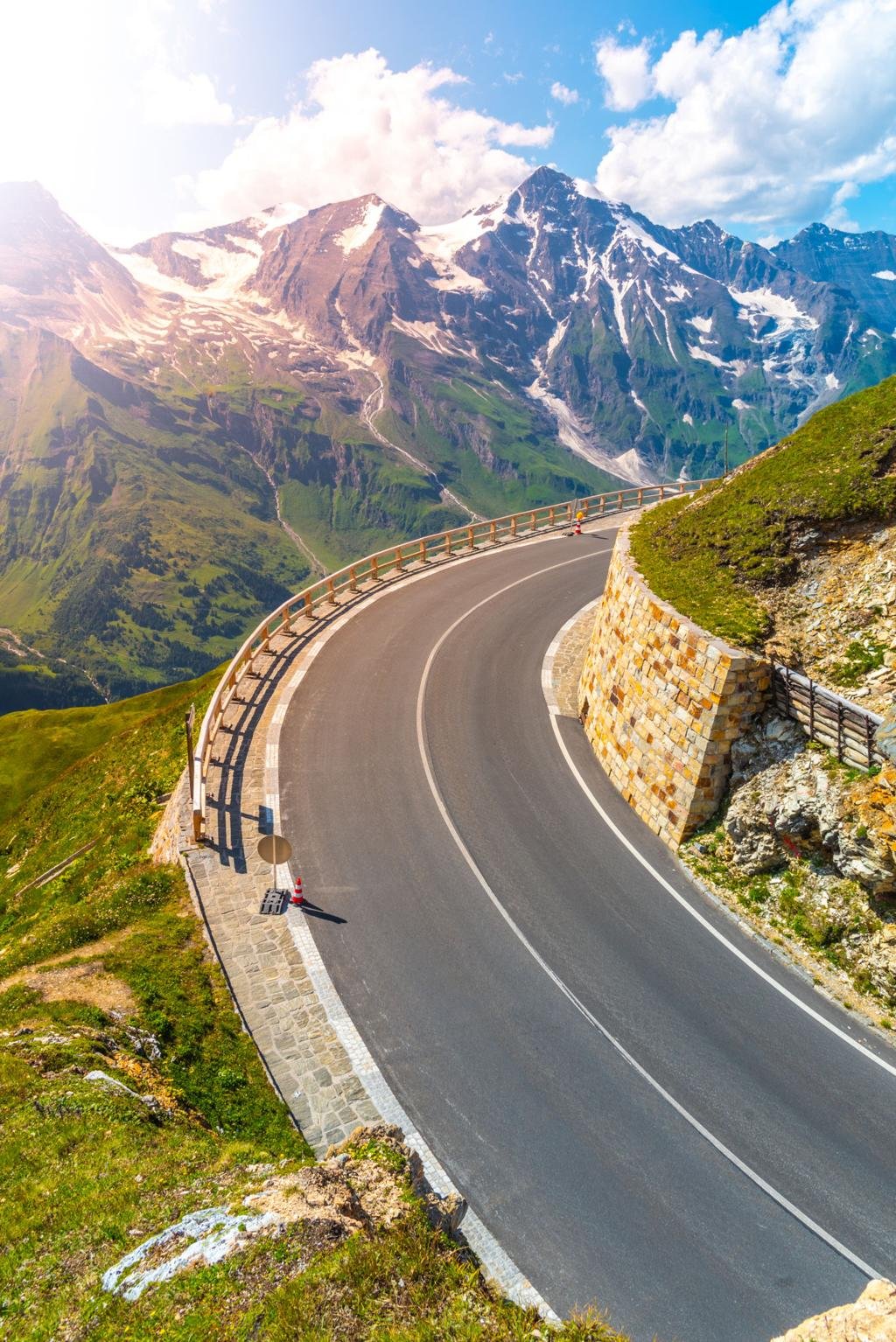
The Austrian Alps dominate much of the country’s western and southern landscape. Regions such as Tyrol, Salzburg, Vorarlberg, and Carinthia offer spectacular mountains, alpine meadows, glaciers, valleys, and lakes. The famous Grossglockner High Alpine Road provides one of Europe’s great scenic drives, while destinations such as the Zillertal, Ötztal, Hohe Tauern, and Salzkammergut provide countless opportunities for hiking and outdoor adventures.
Austria’s cities offer a very different experience. Vienna is famous for imperial palaces, museums, music, coffee houses, and grand architecture. Salzburg combines a beautifully preserved historic center with the mountains that surround it, while Graz, Innsbruck, Linz, and Klagenfurt each have their own distinctive character.
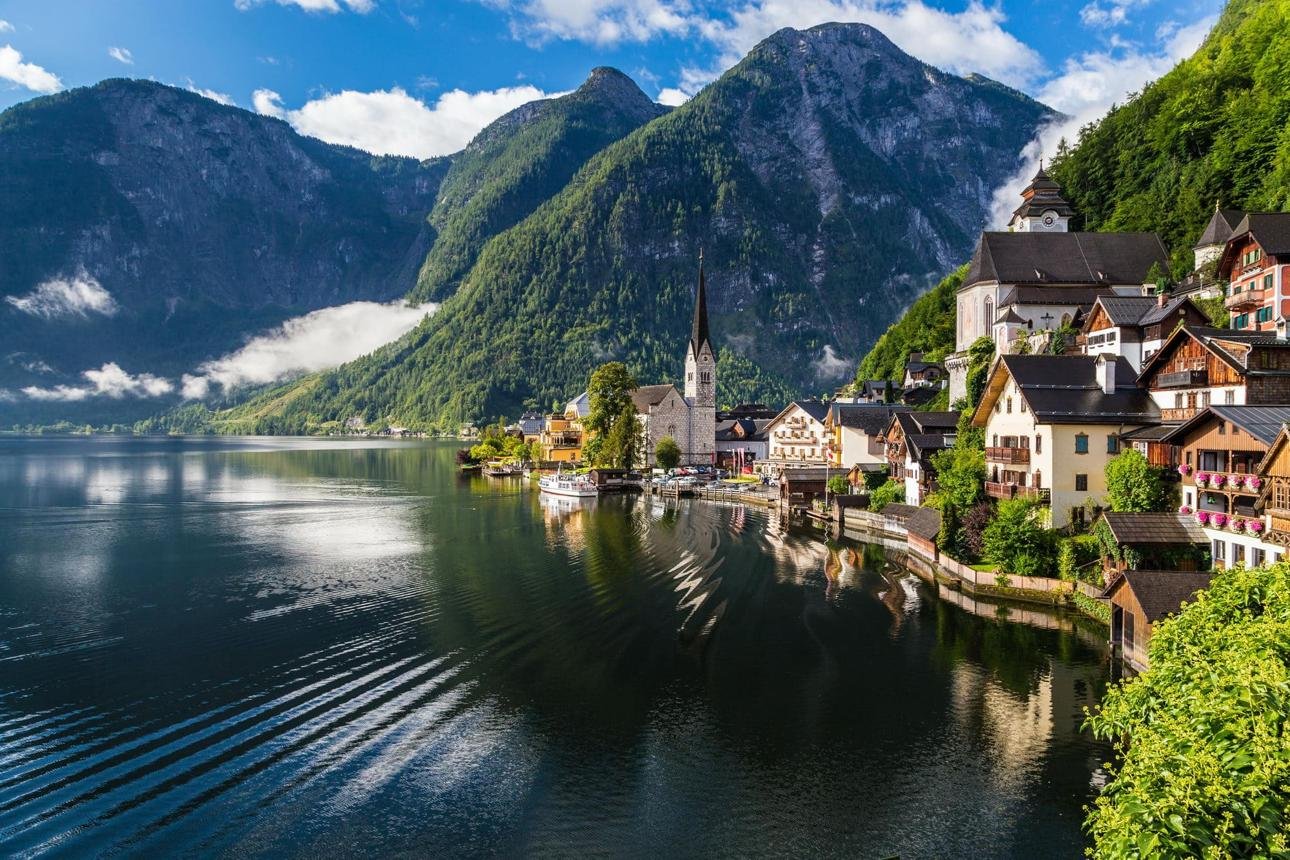
The country’s lakes are another major attraction. The Salzkammergut is particularly famous for its clear mountain lakes and picturesque villages, with Hallstatt becoming one of Europe’s most recognizable destinations. Wörthersee, Wolfgangsee, Achensee, and Lake Constance provide further opportunities for swimming, boating, hiking, and cycling.
Austria is also an outstanding road-trip destination. Well-maintained roads connect cities, mountain valleys, lakes, and border regions, while scenic routes and mountain passes provide spectacular journeys for cars, motorcycles, campervans, and motorhomes.
This guide covers the most important destinations, regions, routes, practical information, and travel experiences for planning a trip through Austria.
Quick Facts
| Item | Information |
|---|---|
| Capital | Vienna |
| Currency | Euro (€) |
| Official Language | German |
| Population | Approximately 9.2 million |
| Time Zone | Central European Time |
| Driving | Right-hand side |
| Country Code | +43 |
| EU Member | Yes |
| Schengen Area | Yes |
Why Visit Austria?
Austria combines culture, history, and spectacular scenery within a relatively small area.
Major highlights include:
- Vienna
- Salzburg
- Innsbruck
- Hallstatt
- Salzkammergut
- Grossglockner High Alpine Road
- Tyrol
- Vorarlberg
- Carinthia
- Wachau Valley
- Graz
- Hohe Tauern National Park
- Austrian Alps
- Alpine lakes
- Historic castles and palaces
Austria is particularly well suited to travelers who want to combine cities with mountains and scenic road trips.
Best Places to Visit
6
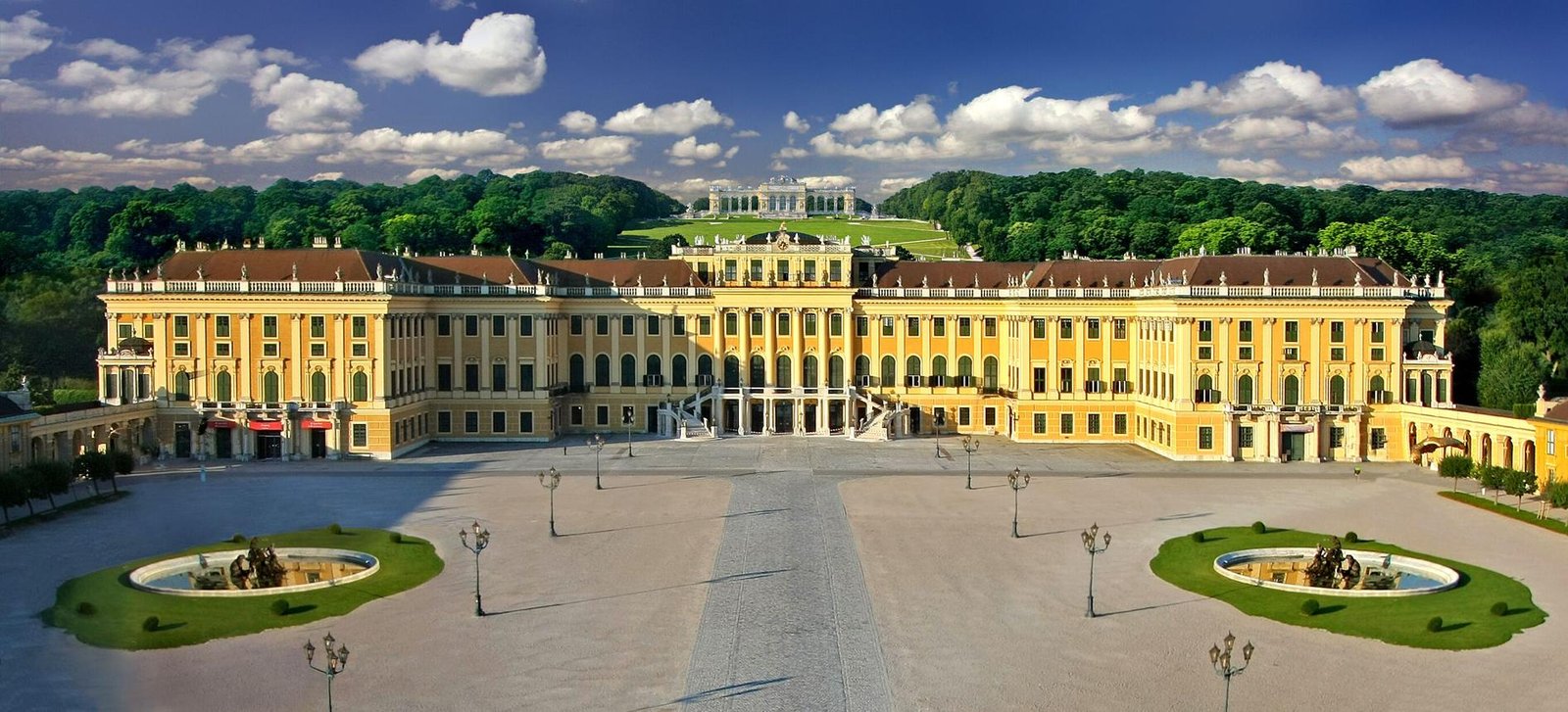
Vienna
Austria’s capital is one of Europe’s great cultural cities.
The historic center contains magnificent imperial architecture, museums, churches, palaces, and traditional coffee houses.
Top attractions include:
- Schönbrunn Palace
- Hofburg Palace
- St. Stephen’s Cathedral
- Belvedere Palace
- Vienna State Opera
- MuseumsQuartier
- Prater
- Naschmarkt
Vienna is particularly famous for classical music, art, architecture, cafés, and its connection with the Habsburg Empire.
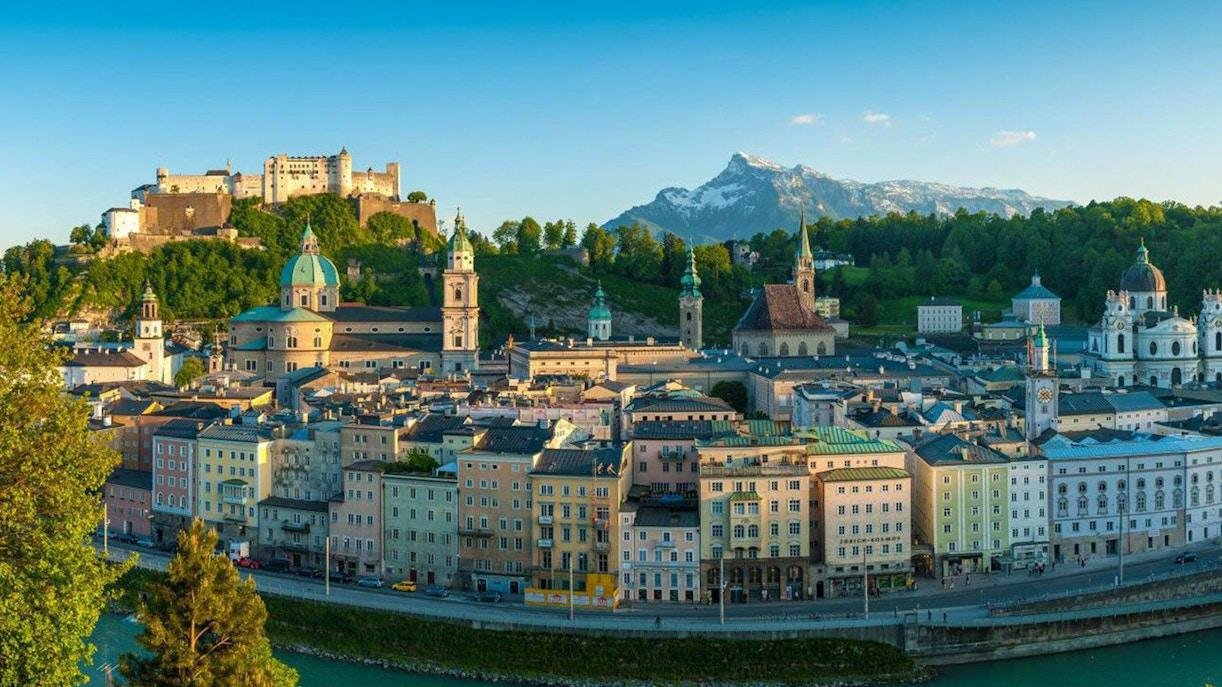
Salzburg
Salzburg is one of Austria’s most beautiful cities.
The historic center is dominated by the impressive Hohensalzburg Fortress and surrounded by mountains.
Highlights include:
- Salzburg Cathedral
- Mirabell Palace
- Hohensalzburg Fortress
- Getreidegasse
- Mozart’s birthplace
- Salzach River
- Hellbrunn Palace
Salzburg is also closely associated with Mozart and The Sound of Music.
Innsbruck
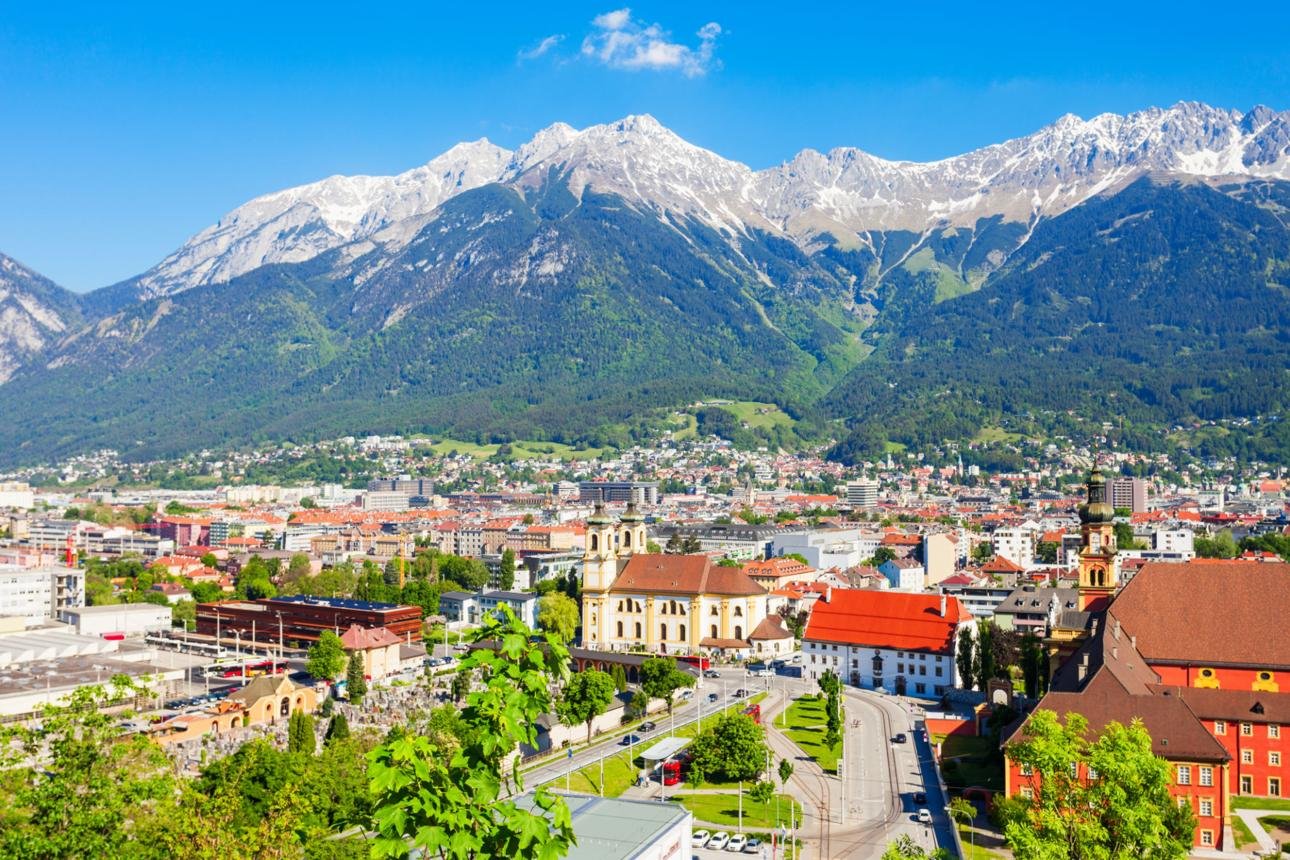
The capital of Tyrol combines urban attractions with spectacular Alpine scenery.
Highlights include:
- Golden Roof
- Imperial Palace
- Nordkette
- Bergisel Ski Jump
- Old Town
- Alpine hiking
The mountains rise almost directly behind the city, making Innsbruck particularly attractive for travelers who want to combine sightseeing with outdoor activities.
Hallstatt
Hallstatt is one of Austria’s most photographed destinations.
The village sits between Lake Hallstatt and steep mountain slopes in the Salzkammergut.
Visitors enjoy:
- Historic village center
- Lake views
- Boat trips
- Salt mine
- Skywalk
- Hiking
The wider Salzkammergut region is worth exploring beyond Hallstatt itself.
Graz
Austria’s second-largest city combines historic architecture with a lively modern atmosphere.
Highlights include:
- Schlossberg
- Clock Tower
- Old Town
- Mur River
- Kunsthaus Graz
- Eggenberg Palace
Graz is also renowned for its food scene and Styrian cuisine.
Wachau Valley
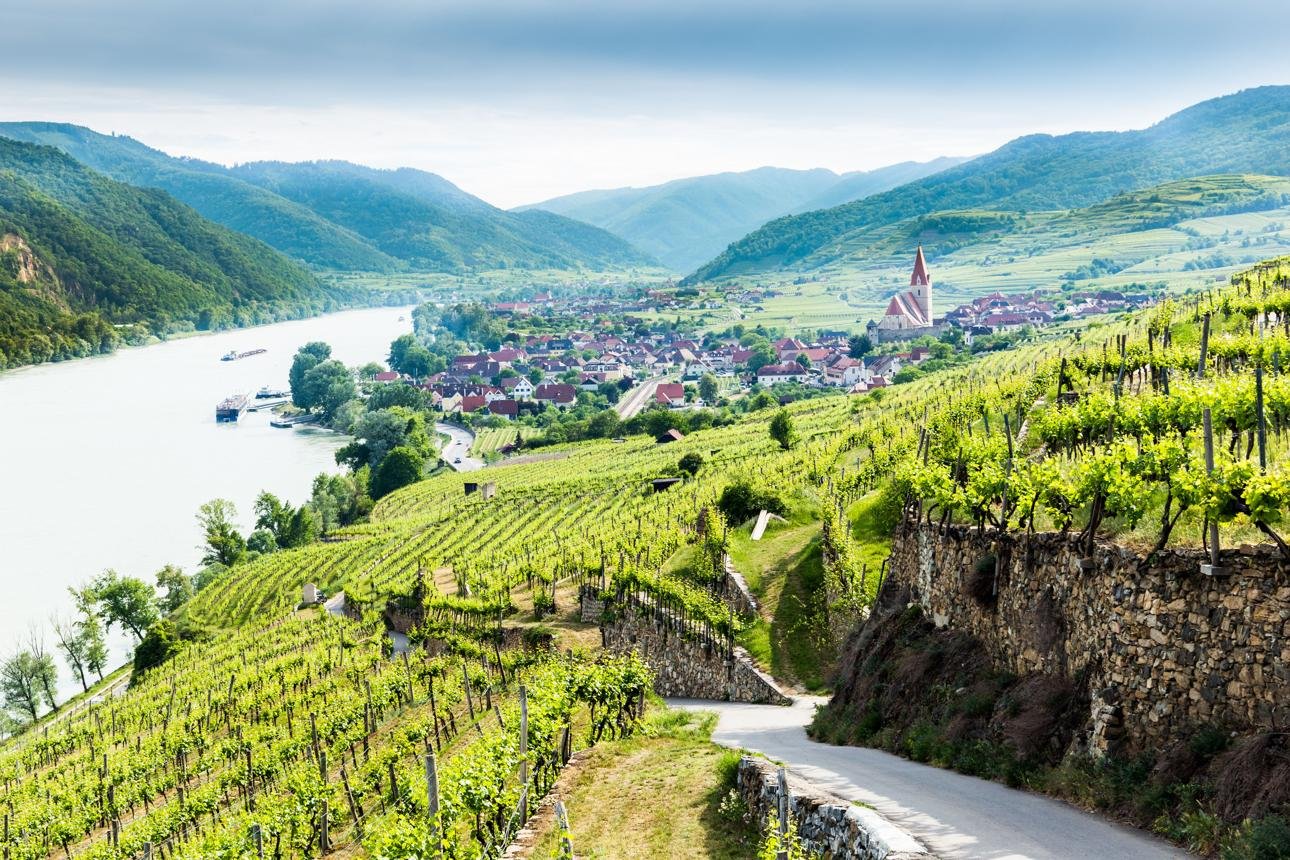
A UNESCO World Heritage landscape along the Danube.
The region is known for:
- Vineyards
- Apricot orchards
- Medieval villages
- Melk Abbey
- Dürnstein
- Danube cycling
It is one of Austria’s best destinations for combining scenery, history, food, and wine.
Grossglockner & Hohe Tauern
The Hohe Tauern region contains Austria’s highest mountain, Grossglockner, and some of the country’s most spectacular alpine landscapes.
Highlights include:
- Grossglockner High Alpine Road
- Pasterze Glacier
- Alpine hiking
- Waterfalls
- Wildlife
- Mountain villages
Carinthia
Southern Austria is famous for its lakes and warmer summer climate.
Popular destinations include:
- Wörthersee
- Millstätter See
- Ossiacher See
- Villach
- Klagenfurt
- Nock Mountains
Carinthia is particularly attractive for summer road trips and camping holidays.
Best Time to Visit
Austria is a year-round destination.
| Season | Best For |
|---|---|
| March–May | Spring sightseeing and hiking |
| June–August | Lakes, hiking and road trips |
| September–October | Autumn landscapes and wine regions |
| November–March | Skiing and winter tourism |
Summer is ideal for mountain roads, hiking, cycling, and lakes. Winter transforms the Alps into one of Europe’s premier skiing destinations.
Regions of Austria
Vienna
Austria’s cultural and historical capital.
Lower Austria
Known for:
- Wachau Valley
- Danube
- Vineyards
- Castles
- Vienna Woods
Upper Austria
Features:
- Salzkammergut
- Linz
- Lakes
- Alpine foothills
Salzburg
Home to:
- Salzburg city
- Salzkammergut
- Alps
- Lake districts
Tyrol
Austria’s classic Alpine region.
Known for:
- Innsbruck
- Ski resorts
- Mountain valleys
- Alpine passes
Vorarlberg
Located in the far west.
Highlights include:
- Bregenz
- Lake Constance
- Arlberg
- Alpine villages
Styria
Known for:
- Graz
- Wine country
- Forests
- Thermal spas
Carinthia
Famous for:
- Alpine lakes
- Villach
- Klagenfurt
- Nock Mountains
Burgenland
Austria’s easternmost province.
Highlights include:
- Lake Neusiedl
- Vineyards
- Wine villages
- Castles
- Cycling
Suggested Itineraries
5-Day Austria Highlights
Day 1 – Vienna
Explore the historic center, Hofburg, St. Stephen’s Cathedral, and traditional cafés.
Day 2 – Vienna
Visit Schönbrunn Palace and the Belvedere.
Day 3 – Salzburg
Travel to Salzburg and explore the old town.
Day 4 – Salzkammergut
Visit the lakes and mountain villages around Wolfgangsee or Hallstatt.
Day 5 – Salzburg
Enjoy the historic center before continuing your journey.
One-Week Austria Road Trip
A classic route:
Vienna → Wachau Valley → Salzburg → Hallstatt → Innsbruck
This combines imperial cities, vineyards, lakes, mountains, and Alpine scenery.
Two-Week Austria Explorer
Consider:
Vienna → Wachau → Salzburg → Hallstatt → Innsbruck → Tyrol → Grossglockner → Carinthia → Graz
This itinerary provides a broad overview of Austria’s landscapes and cultural highlights.
Three-Week Austria Grand Tour
With three weeks, you can travel more slowly and include:
- Vienna
- Wachau
- Graz
- Burgenland
- Salzkammergut
- Salzburg
- Tyrol
- Innsbruck
- Vorarlberg
- Grossglockner
- Carinthia
This is an excellent itinerary for travelers using a car or motorhome.
Overlanding in Austria
6
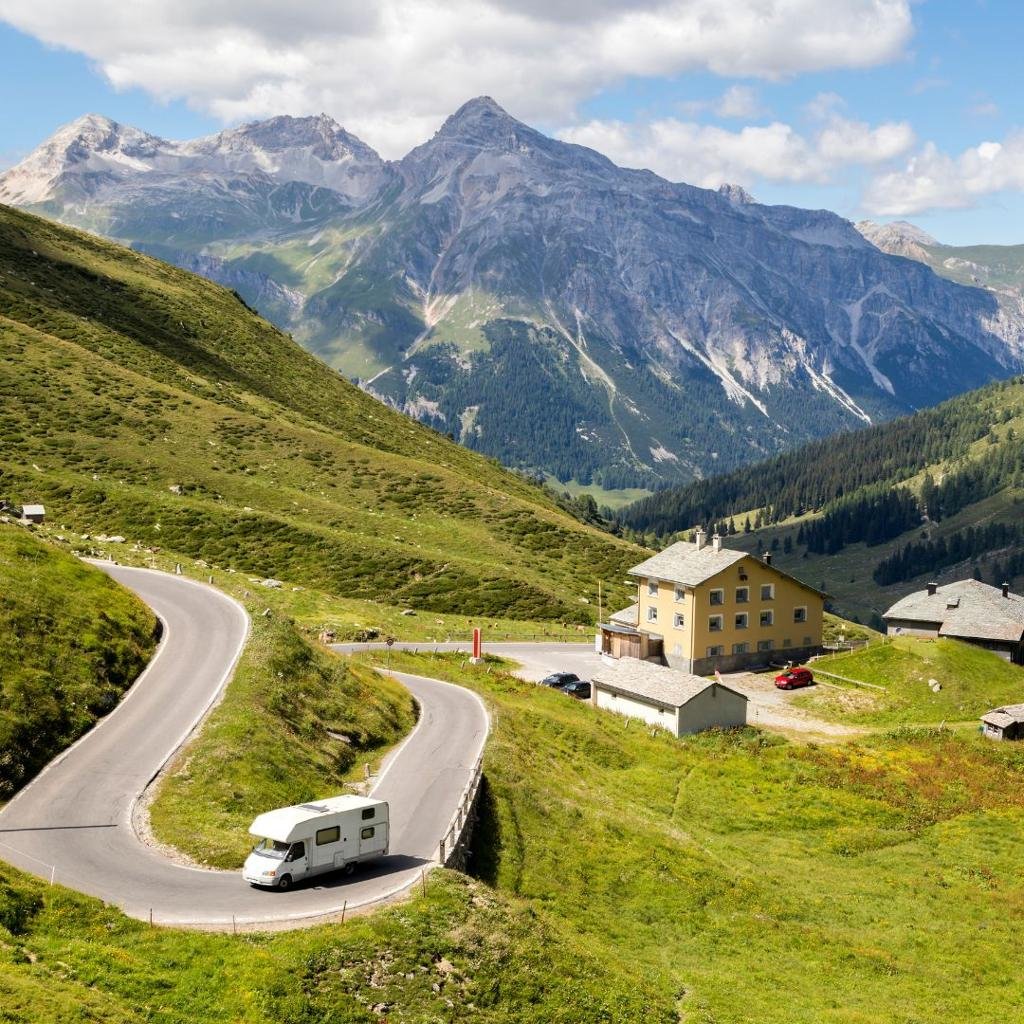
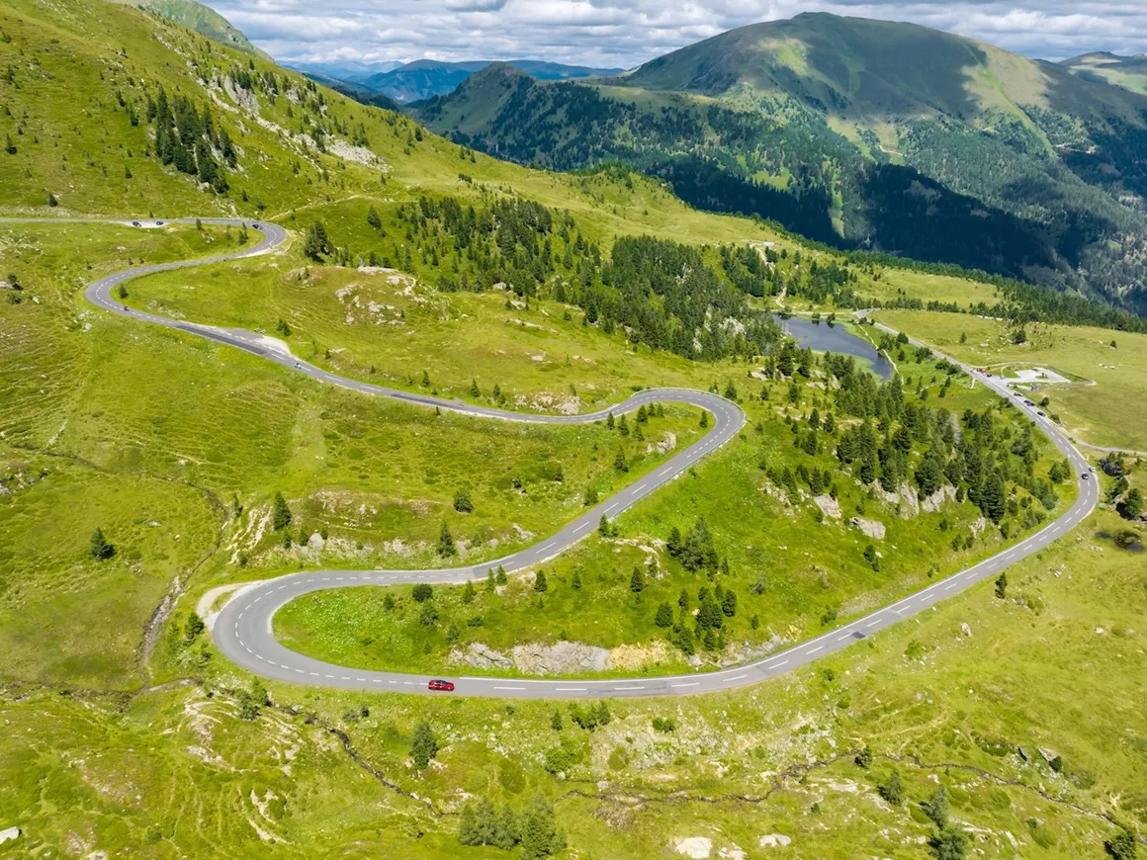
Austria is an excellent country for overlanding, particularly from late spring through autumn. The combination of high-quality roads, dramatic mountain scenery, well-equipped campsites, and compact distances makes it easy to explore independently.
Popular Overland Routes
Grossglockner High Alpine Road
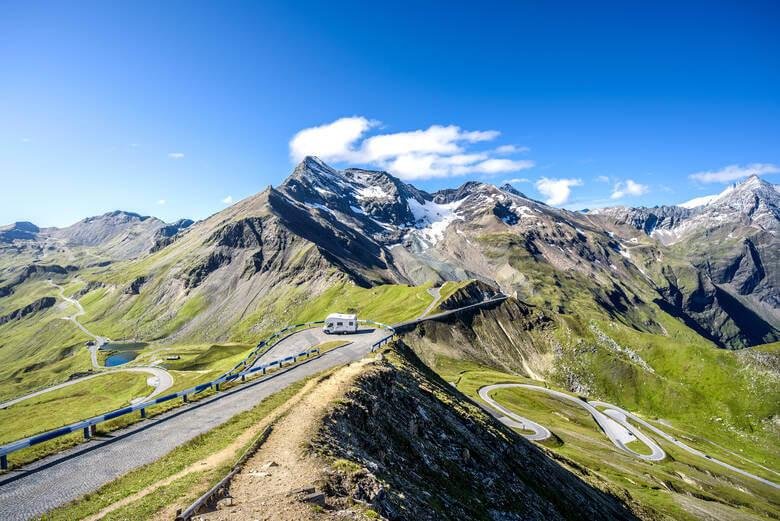
One of Europe’s classic mountain drives.
The route crosses the Hohe Tauern and provides spectacular views toward Grossglockner and the surrounding glaciers.
It is particularly impressive in a campervan or motorhome.
Nockalm Road
This scenic route crosses the Nock Mountains in Carinthia.
Expect:
- Mountain panoramas
- Alpine meadows
- Hairpin bends
- Hiking opportunities
Silvretta High Alpine Road
A spectacular mountain route through Tyrol and Vorarlberg.
Highlights include:
- Silvretta reservoir
- Alpine peaks
- Mountain passes
- Scenic viewpoints
Timmelsjoch High Alpine Road
Connecting Austria and Italy, this dramatic Alpine road is one of the most memorable driving routes in Tyrol.
Austrian Lakes Route
A relaxed road trip through:
- Wolfgangsee
- Mondsee
- Attersee
- Traunsee
- Hallstätter See
Ideal for summer campervan travel.
Backpacking in Austria
Austria is easy to explore independently, although it is more expensive than many destinations in Central and Eastern Europe.
Accommodation
Backpackers can choose from:
- Hostels
- Guesthouses
- Budget hotels
- Mountain huts
- Campsites
Vienna, Salzburg, and Innsbruck have the largest selection of hostels.
Transportation
Austria has an excellent public transportation network.
Travel by:
- Rail
- Intercity buses
- Local buses
- Trams
- Cable cars
The railway network makes it possible to travel between major cities without renting a car.
Backpacking Highlights
- Vienna
- Salzburg
- Innsbruck
- Graz
- Hallstatt
- Tyrol
- Salzkammergut
- Austrian Alps
Camping in Austria
Camping is particularly popular during the summer months.
Campsites
Austria has many well-equipped campsites, particularly around:
- Alpine valleys
- Lakes
- National parks
- Tourist resorts
Facilities commonly include:
- Electricity
- Showers
- Toilets
- Laundry
- Waste disposal
- Motorhome services
Popular areas include Tyrol, Salzburg, Carinthia, and the Salzkammergut.
Wild Camping
Wild camping is not something travelers should assume is permitted throughout Austria. Rules vary between provinces and municipalities, and restrictions are particularly important in protected mountain areas.
Use official campsites or designated overnight areas unless local regulations clearly permit otherwise.
RV & Motorhome Travel
Austria is exceptionally well suited to motorhome touring.
Popular RV Routes
Alps & Lakes
Salzburg → Salzkammergut → Grossglockner → Carinthia
Tyrol
Innsbruck → Ötztal → Silvretta → Arlberg
Eastern Austria
Vienna → Wachau → Burgenland → Graz
Practical Information
Motorhome travelers should consider:
- Mountain road restrictions
- Vehicle length restrictions
- Seasonal closures
- Campsite availability
- Toll requirements
- Parking regulations
Some mountain roads have restrictions for larger vehicles, caravans, or motorhomes.
Driving in Austria
Austria has an excellent road network.
Motorways
Motorways and expressways require a vignette for most cars and motorhomes up to 3.5 tonnes. Additional tolls may apply on certain Alpine tunnels, mountain routes, and special sections.
Vehicles over 3.5 tonnes are subject to a different distance-based toll system.
Mountain Roads
Mountain roads can be narrow and winding.
Drivers should be prepared for:
- Hairpin bends
- Steep gradients
- Snow
- Cyclists
- Motorcycles
- Tunnels
Some high Alpine roads are seasonal and may close during winter.
Things to Know
- Drive on the right.
- Winter equipment requirements apply during the cold season.
- Speed limits are enforced.
- Carry appropriate documents.
- Check road conditions before crossing high mountain passes.
Public Transportation
Austria is one of Europe’s easiest countries to explore without a car.
Trains
Rail services connect major cities and many smaller towns.
Important routes include:
- Vienna–Salzburg
- Salzburg–Innsbruck
- Vienna–Graz
- Vienna–Linz
Local Transportation
Cities have:
- Trams
- Buses
- Underground rail
- Regional trains
Mountain destinations are connected by buses, cable cars, funiculars, and mountain railways.
Border Crossings
Austria shares borders with eight countries:
- Germany
- Czech Republic
- Slovakia
- Hungary
- Slovenia
- Italy
- Switzerland
- Liechtenstein
All neighboring countries are within the Schengen Area, although temporary border controls can sometimes be introduced. Travelers should carry valid travel documents and check current border arrangements when planning an international road trip.
Visa & Entry Requirements
Austria is part of the Schengen Area.
EU, EEA, and Swiss citizens can enter using the applicable European travel documents.
Visitors from many other countries can enter visa-free for short tourist stays, while some nationalities require a Schengen visa.
Before traveling, check the current requirements for your nationality and make sure your passport and travel documents meet the applicable conditions.
Budget & Costs
Austria is a relatively expensive European destination, although costs vary considerably by region and season.
| Travel Style | Approximate Daily Budget |
|---|---|
| Budget traveler | €60–100 |
| Mid-range | €130–220 |
| Comfortable | €300+ |
| Campervan/RV | €70–150 |
Vienna, Salzburg, and major Alpine resorts can be significantly more expensive than smaller towns.
Camping and self-catering can help reduce costs for road-trippers.
Food & Drink
Austrian cuisine is hearty and strongly influenced by the country’s Central European history.
Popular dishes include:
- Wiener Schnitzel
- Tafelspitz
- Kaiserschmarrn
- Apfelstrudel
- Sachertorte
- Knödel
- Goulash
- Brettljause
Each region has its own specialties. Tyrol is famous for mountain dishes such as Tiroler Gröstl, while Styria is known for pumpkin seed oil and regional wines.
Vienna’s coffee-house culture is an important part of Austrian life, and visitors should allow time for a traditional coffee and cake experience.
Austrian Alps
The Alps are the country’s greatest natural attraction.
Popular activities include:
- Hiking
- Skiing
- Snowboarding
- Mountain biking
- Climbing
- Paragliding
- Scenic cable-car rides
Major Alpine regions include:
- Tyrol
- Salzburg
- Vorarlberg
- Carinthia
- Styria
The hiking season generally runs from late spring into autumn, while the major ski season usually runs through winter and into early spring, depending on altitude and snow conditions.
Lakes & Summer Travel
Austria’s lakes become major summer destinations.
Popular lakes include:
- Wolfgangsee
- Wörthersee
- Achensee
- Attersee
- Traunsee
- Mondsee
- Millstätter See
Activities include:
- Swimming
- Sailing
- Kayaking
- Paddleboarding
- Cycling
- Hiking
The combination of mountains and lakes makes Austria particularly attractive for summer campervan holidays.
National Parks
Austria has several outstanding protected landscapes.
Hohe Tauern National Park
The country’s largest national park.
Known for:
- Grossglockner
- Glaciers
- Waterfalls
- Alpine wildlife
- Hiking
Gesäuse National Park
Known for dramatic limestone mountains and the Enns River.
Donau-Auen National Park
Protects wetlands and floodplain landscapes along the Danube near Vienna.
Neusiedler See–Seewinkel National Park
A major wetland and birdwatching destination in Burgenland.
Skiing in Austria
Austria is one of Europe’s premier winter sports destinations.
Major ski regions include:
- St. Anton am Arlberg
- Kitzbühel
- Ischgl
- Sölden
- Mayrhofen
- Saalbach
- Zell am See
The country’s ski resorts range from traditional Alpine villages to large international resorts with extensive lift networks.
Safety
Austria is generally a very safe destination.
The main hazards for outdoor travelers are associated with the mountains and changing weather.
Travelers should:
- Check mountain forecasts before hiking.
- Carry appropriate clothing and footwear.
- Stay on marked trails where appropriate.
- Take avalanche warnings seriously in winter.
- Avoid underestimating Alpine distances and elevation changes.
- Follow local regulations in national parks.
In cities, normal precautions against petty theft are sufficient.
Culture & Festivals
Austria has a rich cultural calendar.
Important traditions include:
- Christmas markets
- Alpine festivals
- Carnival
- Classical concerts
- Opera
- Traditional folk festivals
- Krampus events
Music is particularly important to Austrian culture, with Vienna and Salzburg having strong connections to composers such as Mozart, Beethoven, Schubert, and Strauss.
Frequently Asked Questions
Is Austria expensive?
Austria is more expensive than many Central European countries, but travelers can reduce costs through campsites, public transportation, self-catering, and visiting outside peak seasons.
Is Austria safe?
Yes. Austria is considered a very safe destination for tourists, including independent travelers and families.
Is Austria good for road trips?
Absolutely. Excellent roads, dramatic Alpine scenery, historic towns, and beautiful lakes make Austria one of Europe’s best road-trip destinations.
Can you travel Austria by campervan?
Yes. Austria has an extensive network of campsites and excellent roads, making it particularly suitable for campervan and motorhome travel. Mountain roads and local parking restrictions require additional planning.
What are the best scenic driving routes?
Some of the most spectacular include:
- Grossglockner High Alpine Road
- Nockalm Road
- Silvretta High Alpine Road
- Timmelsjoch High Alpine Road
- Austrian lakes routes
How many days do you need in Austria?
A week is enough for Vienna and Salzburg with a taste of the Alps. Two weeks allows a more comprehensive road trip, while three weeks or more provides time to explore several Alpine regions, lakes, historic towns, and rural areas.
What is Austria famous for?
Austria is best known for:
- Vienna
- Salzburg
- The Austrian Alps
- Hallstatt
- Grossglockner
- Classical music
- Imperial palaces
- Ski resorts
- Alpine lakes
- Scenic road trips
- Traditional cuisine
- Christmas markets