Timor-Leste, also known as East Timor, is a small, mountainous country located in Southeast Asia. Despite its size, the country faces significant challenges when it comes to transportation infrastructure. The rugged terrain and lack of funding have made it difficult to develop a comprehensive transport system. As a result, many people in Timor-Leste rely on walking or cycling to get around.
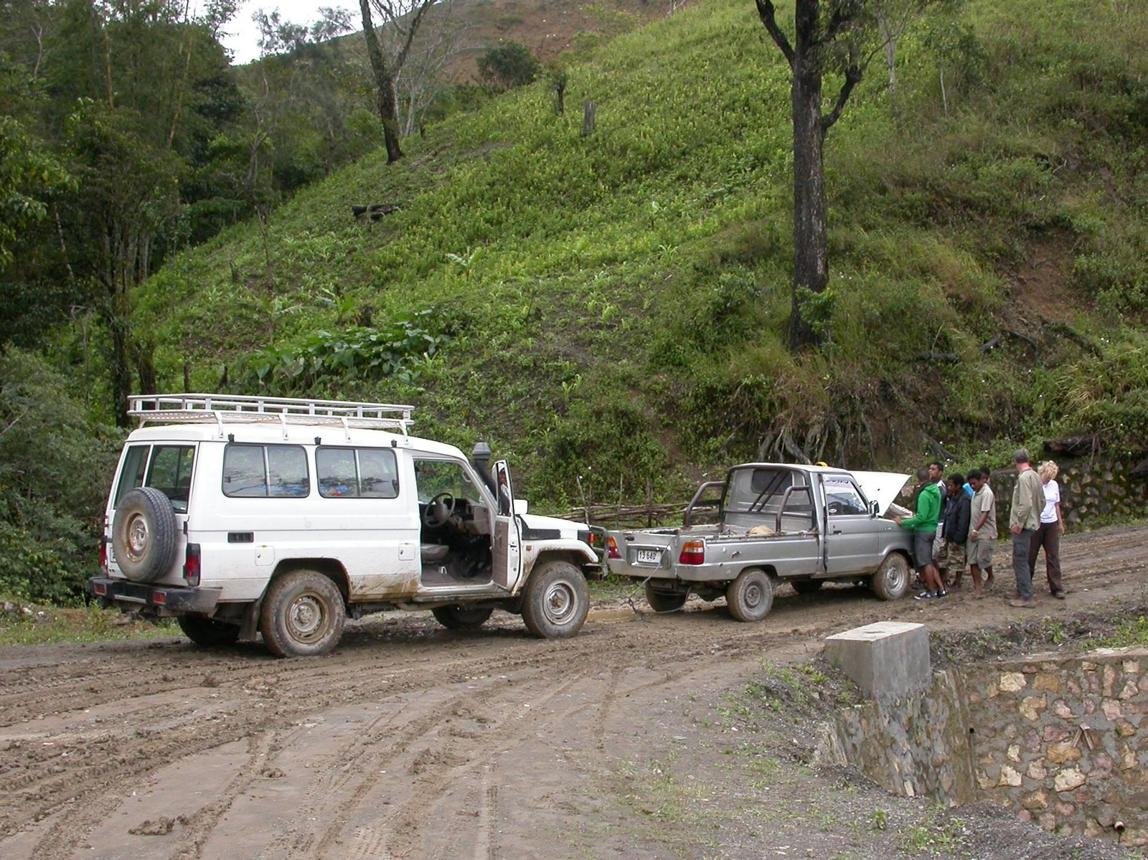
In recent years, the Timor-Leste government has made efforts to improve the transportation sector by investing in road construction and maintenance. However, the lack of a reliable public transportation system remains a major issue for residents, especially those living in remote areas. According to the World Bank, only 34% of roads in Timor-Leste are paved, making travel difficult, time-consuming, and sometimes dangerous.
One solution that has been proposed to improve transportation in Timor-Leste is the development of a more efficient public transportation system, such as buses or minibuses. By implementing a reliable and affordable public transport system, the country could reduce congestion, improve access to services, and boost economic growth. Additionally, investing in infrastructure projects like bridges and tunnels could help connect isolated communities and improve overall connectivity.
Despite the challenges, Timor-Leste continues to work towards improving its transportation infrastructure to better serve its citizens and promote economic growth. By addressing issues such as road quality, vehicle safety, and public transportation accessibility, the country can create a more sustainable and efficient transport system for all residents.

What are the transportation options available in Timor-Leste (East Timor)?
Transport in Timor-Leste (East Timor) refers to the various modes of transportation available in the country, including buses, taxis, motorcycles, and even traditional mikrolet mini-buses. With limited infrastructure and rugged terrain, transportation can be challenging in Timor-Leste. However, despite these challenges, there are still options available for getting around the country. In the next section, we will delve deeper into the transportation options available in Timor-Leste and how to navigate the country efficiently.
Transport in Timor-Leste (East Timor)
Transport in Timor-Leste, also known as East Timor, is essential for connecting the country’s diverse regions and facilitating economic growth. As a small island nation located in Southeast Asia, Timor-Leste relies on various modes of transportation to move people and goods efficiently.
Road Transport
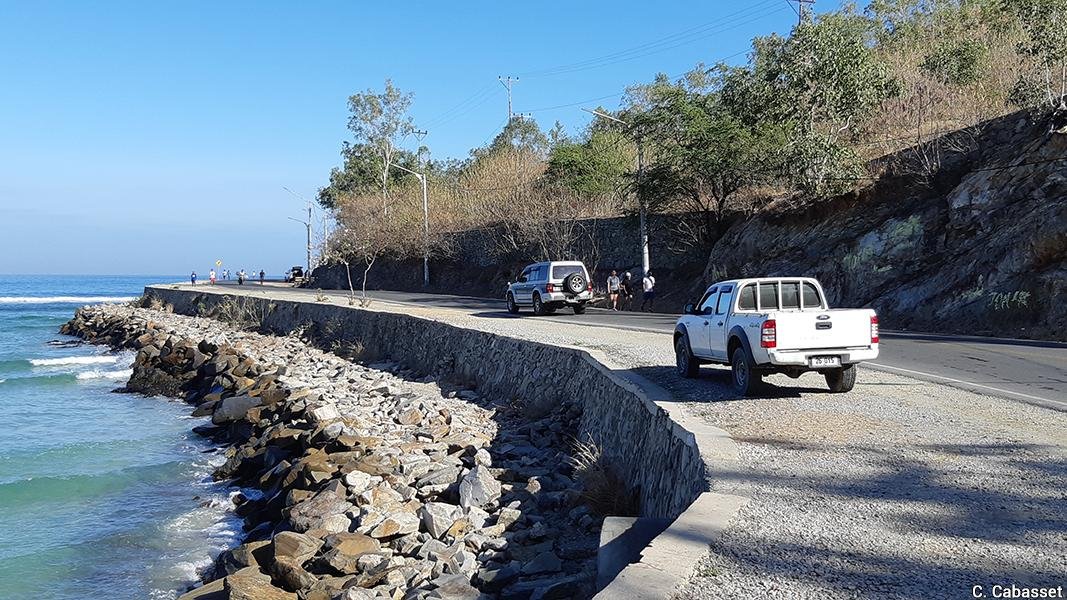
Road transport is the primary mode of transportation in Timor-Leste, with a network of paved and unpaved roads connecting major cities and towns. The road infrastructure has improved in recent years, but many roads still suffer from poor maintenance and lack of signage. Public transport options include buses, minibusses, and shared taxis, which provide affordable transportation for locals and tourists alike.
Maritime Transport
Given Timor-Leste’s island geography, maritime transport plays a crucial role in connecting the country’s coastal communities. The country has several ports, including the Port of Dili, which serves as the main gateway for international trade. Ferries and boats are commonly used to travel between Timor-Leste and neighboring islands, such as Atauro and Jaco.
Air Transport
Air transport is essential for connecting Timor-Leste with the rest of the world. The country’s main international airport is Presidente Nicolau Lobato International Airport in Dili, which serves as the primary hub for domestic and international flights. Timor-Leste’s national airline, Air Timor, provides regular flights to countries in the region, including Indonesia and Australia.
Rail Transport
Unlike many other countries, Timor-Leste does not have a railway system. The rugged terrain and lack of infrastructure make it challenging to implement rail transport in the country. As a result, Timor-Leste relies on road, maritime, and air transport to meet its transportation needs.
Statistics
According to the World Bank, Timor-Leste had a road network of approximately 6,440 kilometers in 2018. Additionally, the country’s air transport infrastructure includes one international airport and several smaller airstrips. As of 2021, Timor-Leste continues to invest in improving its transport infrastructure to support economic development and enhance connectivity.
– Buses
– Microlets
– Taxis
– Motorbike taxis
Conclusion
Overall, the transportation infrastructure in Timor-Leste presents significant challenges due to its mountainous terrain, limited road network, and reliance on international assistance. The country’s dependence on foreign aid for developing its transport sector highlights the need for sustainable investments in infrastructure and capacity-building to improve connectivity within the nation. The government must prioritize the expansion and maintenance of roads, bridges, ports, and airports to facilitate economic growth, social development, and regional integration.
Furthermore, the lack of reliable transportation options in Timor-Leste hinders accessibility to essential services, markets, educational institutions, and healthcare facilities in remote areas. Addressing these transportation gaps through public-private partnerships, technological innovations, and community engagement can enhance mobility, reduce travel costs, and enhance overall quality of life for the Timorese population. By investing in sustainable transport solutions and promoting multi-modal connectivity, Timor-Leste can overcome its geographical constraints and promote inclusive growth and development for all its citizens.