Nepal, a country renowned for its majestic Himalayan mountains and rich cultural heritage, faces unique challenges in its transportation infrastructure due to its mountainous terrain and lack of proper road networks. The transport system in Nepal plays a crucial role in connecting remote communities, facilitating trade, and boosting economic development in the region. With only one international airport in Kathmandu, the majority of the population relies on roads, trails, and rivers for transportation.
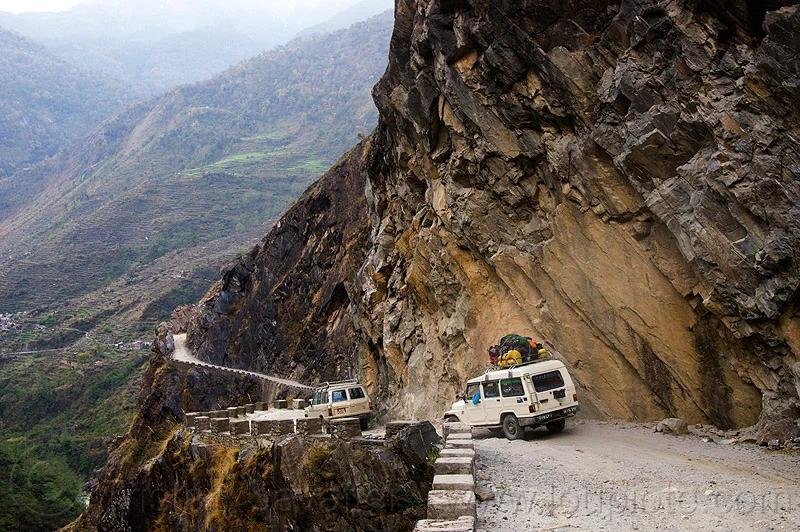
The history of transport in Nepal dates back to ancient times when people traveled on foot or on horseback to navigate the rugged terrain. Over the years, efforts have been made to improve transportation in the country, with the construction of highways and bridges to enhance connectivity between different regions. However, due to frequent landslides, poor road conditions, and limited access to remote areas, transportation remains a significant challenge for many Nepalese people.
One solution that has been proposed to address the transportation issues in Nepal is the development of a reliable and efficient public transportation system. Currently, the country largely depends on private vehicles, motorcycles, and buses for transportation, leading to traffic congestion and air pollution in urban areas. By investing in sustainable modes of transportation, such as electric buses and improved infrastructure, Nepal can reduce its carbon footprint and mitigate the adverse effects of vehicle emissions on the environment.
As of now, only about 20% of the roads in Nepal are paved, making travel during the monsoon season particularly difficult. Due to the challenging terrain and limited resources, the government has struggled to maintain and expand the road network in the country. Despite these challenges, transportation in Nepal remains a vital aspect of everyday life, connecting people from diverse backgrounds and cultures across the country. With continued investment in infrastructure and sustainable transportation solutions, Nepal can overcome its transport challenges and pave the way for a more connected and prosperous future.


What are the advantages of Transport in Nepal?
Transport in Nepal refers to the various modes of transportation available in the country, including roads, air travel, and waterways. This includes buses, taxis, motorcycles, airplanes, helicopters, and even rickshaws. The unique geography of Nepal, with its rugged terrain and mountainous landscape, presents many challenges for transportation infrastructure. However, the diverse range of transportation options allows for easy access to remote areas and provides opportunities for adventure travel. To learn more about the advantages of transport in Nepal and how it impacts daily life, continue reading the full article below.
Transport in Nepal is a crucial aspect of the country’s infrastructure, providing vital connections between remote areas and urban centers. With a diverse terrain that includes mountainous regions and valleys, Nepal’s transport system faces unique challenges in ensuring reliable and efficient transportation for its inhabitants.
**Road Transport**
Road transport is the most commonly used mode of transport in Nepal, with a network of highways and roads connecting major cities and towns. However, many of these roads are narrow and winding, making travel slow and challenging, especially during the monsoon season when landslides and floods are common. The lack of proper maintenance and infrastructure development has also led to safety concerns on many roads in Nepal.
**Public Transport**
Public transport in Nepal is mainly represented by buses and microbuses, which operate on both short and long routes. In urban areas, tempos and taxis are popular modes of transport for commuting within the city. However, public transport services in Nepal are often overcrowded, unreliable, and sometimes unsafe due to poor maintenance and reckless driving.
**Air Transport**
Air transport is essential for connecting remote mountainous areas in Nepal, where road access is limited or non-existent. Nepal has a number of domestic airports, with airlines offering flights to popular tourist destinations like Pokhara and Lukla. Domestic airlines play a vital role in facilitating tourism and providing access to remote regions for medical and emergency purposes.
**Rail Transport**
Nepal currently does not have a railway system, with the exception of a short, narrow-gauge railway line in Janakpur. The government has shown interest in developing railway infrastructure to improve connectivity within the country and with neighboring India and China. Plans for constructing new railway lines are in the pipeline to enhance transport links in Nepal.
**Statistics**
According to the World Bank, Nepal had a total road network of approximately 17,128 kilometers in 2018, with only 24% of roads being paved. This statistic highlights the need for increased investment in road infrastructure to improve transport accessibility and connectivity in Nepal.
What are the main modes of transportation in Nepal?
The main modes of transportation in Nepal are buses, taxis, motorcycles, bicycles, and walking.
Is it safe to travel by road in Nepal?
Although road conditions can be challenging in some areas, it is generally safe to travel by road in Nepal. It is important to be cautious and take necessary precautions while traveling.
Are there any alternatives to road transportation in Nepal?
Yes, apart from road transportation, you can also travel within Nepal by air. The country has several domestic airports that connect major cities and regions.
How is the public transportation system in Nepal?
The public transportation system in Nepal mainly consists of buses and microbuses. While they can be crowded and slow at times, they are an affordable way to get around.
Are there any restrictions on driving in Nepal?
Foreigners can drive in Nepal with an international driving permit. However, it is recommended to familiarize yourself with local traffic rules and regulations before driving.
Can I rent a car in Nepal?
Yes, you can rent a car in Nepal. There are several car rental agencies in major cities and tourist areas that offer rental services to travelers.
What is the cost of transportation in Nepal?
The cost of transportation in Nepal varies depending on the mode of transport and distance traveled. Generally, public buses are the cheapest option, while taxis and rental cars can be more expensive.
Is it difficult to navigate around Nepal as a tourist?
While navigating around Nepal can be challenging due to complex road networks and language barriers, many tourist areas have signboards in English and locals are usually helpful in providing directions.
Are there any special transportation options for tourists in Nepal?
Yes, there are tourist buses and private car hire services available for travelers who prefer more comfort and convenience while exploring Nepal.
What are some tips for traveling around Nepal?
- Plan your travel in advance and research the transportation options available.
- Carry a map or GPS device to help you navigate around unfamiliar areas.
- Be prepared for long and bumpy rides on certain routes, especially in remote regions.
- Respect local customs and traffic rules while traveling in Nepal.
Conclusion
Overall, transport in Nepal plays a crucial role in the mobility and connectivity of the country’s diverse terrain and population. Despite facing challenges such as poor road infrastructure, difficult topography, and inadequate public transportation systems, the government has made efforts to improve the transportation network through various projects and initiatives. The road network continues to expand, connecting remote areas and improving accessibility for local communities. Additionally, the growth of air travel has helped to overcome the challenges posed by the rugged landscape, providing faster and more efficient transportation options for both locals and tourists.
In conclusion, while Nepal still has room for improvement in its transportation sector, progress has been made in enhancing connectivity and accessibility across the country. The integration of modern transportation modes with traditional methods like the cable car has provided a balanced approach to addressing the diverse needs of the population. As Nepal continues to develop and grow economically, it is crucial for the government to invest in sustainable and efficient transportation infrastructure to support the country’s overall progress and development.