Iran has a diverse and extensive transportation system that plays a vital role in connecting its cities and regions. The country’s transportation infrastructure includes highways, railways, airports, and ports that support the movement of goods and people across the country. With a history that dates back to ancient times, Iran’s transportation network has evolved to meet the growing demands of its modern economy.
One of the key challenges facing Iran’s transportation system is traffic congestion in major cities like Tehran. The city’s rapid urbanization has led to increased vehicle ownership and a corresponding rise in traffic congestion. To address this issue, the government has implemented measures such as expanding public transportation options, building new highways, and promoting carpooling to reduce traffic congestion and improve air quality.
Iran’s railway system is an important component of its transportation network, with over 11,000 kilometers of railway tracks connecting major cities and regions. The country’s rail network plays a crucial role in transporting goods and passengers across long distances, providing an efficient and cost-effective mode of transportation. With ongoing investments in railway infrastructure, Iran aims to further expand its rail network and enhance connectivity within the country and with neighboring countries.
In recent years, Iran has also focused on improving its air transportation sector to meet the growing demand for air travel. The country has modernized its airports and introduced new routes to facilitate domestic and international travel. With a fast-growing aviation industry, Iran aims to position itself as a key hub for air travel in the Middle East region. As the country continues to invest in its transportation infrastructure, it is poised to further enhance its connectivity and drive economic growth.
Looking for Information on Transport in Iran?
Are you curious about the transportation system in Iran and how it impacts daily life in the country? From its extensive road network to its railway system and public transportation options, Transport in Iran plays a crucial role in connecting people and goods from one place to another. Stay tuned as we delve deeper into the various modes of transportation in Iran and discuss how they contribute to the country’s overall growth and development.
Transport in Iran is a crucial aspect of the country’s infrastructure, serving a population of over 83 million people. The transport system in Iran consists of various modes of transportation, including roads, railways, air travel, and maritime transport.
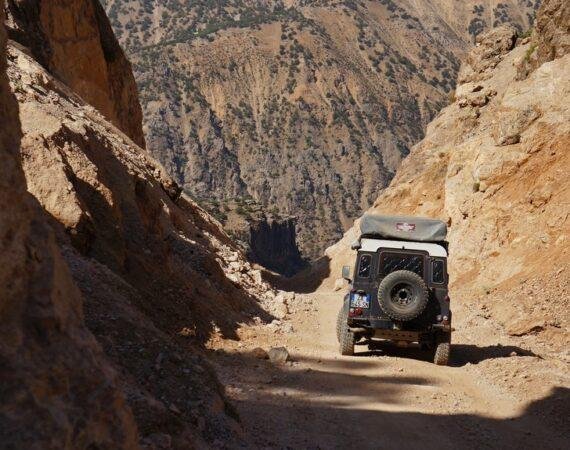
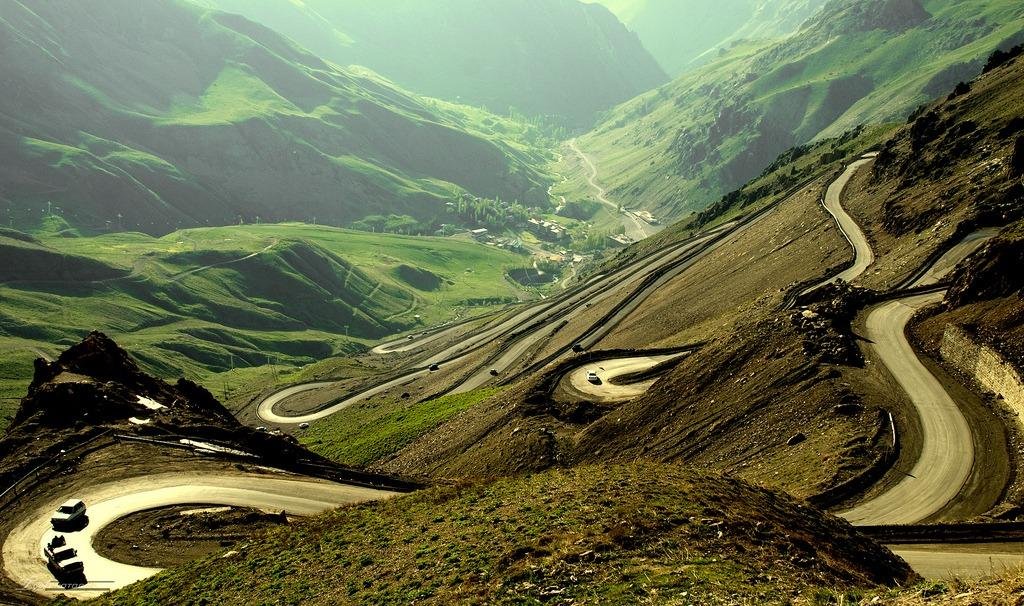
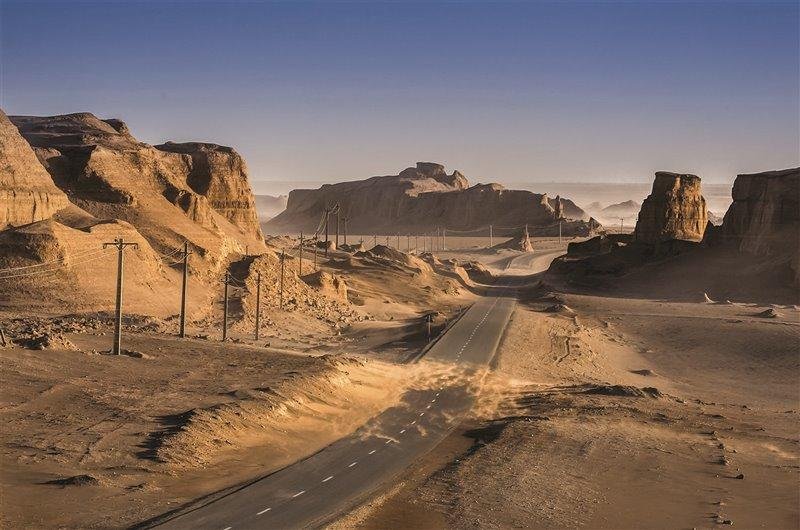
Road transport is the most common mode of transportation in Iran, with an extensive road network connecting major cities and rural areas. The country has approximately 175,000 kilometers of roads, with the majority being paved. The transportation system is supplemented by a network of highways and expressways, facilitating the movement of goods and people across the country.
Iran also has a well-developed railway network, with over 11,000 kilometers of railroads connecting major cities and provinces. The country’s rail system is operated by the Islamic Republic of Iran Railways (RAI), which provides both passenger and freight services. The rail network plays a crucial role in connecting remote regions and increasing economic development in Iran.
Air travel is another important mode of transportation in Iran, with several international airports serving major cities such as Tehran, Shiraz, and Mashhad. Iran Air, the national flag carrier, operates domestic and international flights, connecting Iran to destinations across the globe. The country’s aviation sector has seen significant growth in recent years, with the modernization of airports and the expansion of air travel services.
Maritime transport is also vital for Iran, given its access to the Persian Gulf and the Caspian Sea. The country has several major ports, including Bandar Abbas, Bandar Anzali, and Bandar Imam Khomeini, which handle a significant amount of cargo and passenger traffic. Maritime transport plays a crucial role in facilitating trade and commerce in Iran, connecting the country to international markets.
Overall, the transportation system in Iran is an essential component of the country’s economy and development. With ongoing investments in infrastructure and transportation projects, Iran is poised to further enhance its transport network and connectivity in the region.
Statistic: According to the World Bank, Iran has a road network density of 1.9 km per 1,000 inhabitants.
What are the main modes of transportation in Iran?
The main modes of transportation in Iran include buses, trains, taxis, and private cars.
Is public transportation widely available in Iran?
Yes, public transportation is widely available in Iran, with a well-developed network of buses and trains connecting cities and towns throughout the country.
Are there any restrictions on women using public transportation in Iran?
There are no specific restrictions on women using public transportation in Iran, although it is always a good idea to dress modestly and respect local customs.
How efficient is the public transportation system in Iran?
The public transportation system in Iran is generally efficient, especially in major cities like Tehran and Isfahan. However, it can be less reliable in more remote areas.
Is it safe to use public transportation in Iran?
Public transportation in Iran is generally safe, but it is always a good idea to remain vigilant and keep an eye on your belongings, especially in crowded areas.
Can I rent a car in Iran as a foreign visitor?
Yes, it is possible to rent a car in Iran as a foreign visitor, but you will need an international driver’s license and may be subject to certain restrictions.
Are there any special considerations for using taxis in Iran?
When using taxis in Iran, it is important to negotiate the fare before getting in the car, as meters are not always used. It is also a good idea to only use licensed taxis.
Are there any high-speed train services in Iran?
Yes, there are high-speed train services in Iran, including the Tehran-Qom-Isfahan high-speed railway. These trains offer a faster and more comfortable way to travel between major cities.
What is the best way to travel between cities in Iran?
The best way to travel between cities in Iran depends on your preferences and budget. Buses are the most common and affordable option, while trains offer a more comfortable experience.
Are there any apps or websites that can help with transportation in Iran?
Yes, there are several apps and websites that can help with transportation in Iran, including Snapp for taxis and Raja for train bookings.
Conclusion
Transport in Iran is a complex system that plays a crucial role in the country’s economy and daily life. From the extensive road network connecting major cities to the bustling public transportation systems in urban areas, Iran has made significant investments in improving and expanding its transport infrastructure. The development of the country’s rail network has facilitated the movement of goods and people across long distances, while the air transport sector has seen steady growth in recent years. However, challenges such as traffic congestion, air pollution, and road safety issues continue to pose significant obstacles to the efficient functioning of Iran’s transportation system.
Despite these challenges, Iran has made strides in modernizing and improving its transport network to meet the needs of its growing population and economy. Investments in new technologies and sustainable transportation solutions are helping to address some of the key issues facing the sector. Moving forward, continued investment in infrastructure, better regulation and enforcement of traffic laws, and increased public transportation options will be essential in ensuring the long-term sustainability and efficiency of Iran’s transport system. By addressing these challenges and building on its strengths, Iran can create a more reliable, efficient, and sustainable transportation network that meets the needs of its citizens and supports continued economic growth.