Did you know that Togo is a country in West Africa that relies heavily on various forms of transportation to connect its people and resources? Over the years, transport infrastructure in Togo has played a crucial role in facilitating economic growth and development within the country. With a history of colonial rule and subsequent independence, Togo has continually invested in its transport networks to improve connectivity and accessibility for its citizens.
In recent years, Togo has made significant strides in enhancing its transport systems, particularly through the construction and rehabilitation of roads, bridges, and airports. The government has also prioritized the expansion of public transportation services to better serve urban and rural populations alike. Additionally, Togo has established partnerships with international organizations to improve maritime transportation along its coastline, further boosting trade and commerce in the region.
One notable solution that has helped improve transport efficiency in Togo is the introduction of digital technologies to streamline logistics operations. By implementing tracking systems and online platforms, Togo has been able to enhance the monitoring and management of goods and services across its transport networks. This innovation has not only increased efficiency but also contributed to reducing transportation costs and improving overall connectivity within the country.
As of now, Togo continues to prioritize the development of its transport infrastructure to meet the growing demands of its population and economy. With ongoing investments in road, rail, air, and sea transportation, Togo aims to strengthen its position as a key player in regional trade and transportation networks. By focusing on modernization and sustainability, Togo is set to further enhance its transport sector and unlock new opportunities for growth and development.

What are the transport options available in Togo?
Transport in Togo refers to the various means of travel and transportation available in the West African country. This includes public transportation such as buses, taxis, and minibuses, as well as private options like car rental services. In addition, Togo also has a network of roads, railways, and airports that connect different parts of the country. To learn more about the transport options available in Togo and how to navigate the transportation system, continue reading the following sections.
Transport in Togo
Togo, a small West African country, has a variety of transportation options available to its residents and visitors. The transportation system in Togo is essential for the movement of people and goods within the country and across its borders. From road networks to air travel, Togo offers various modes of transportation to meet the diverse needs of its population.
Road Transport
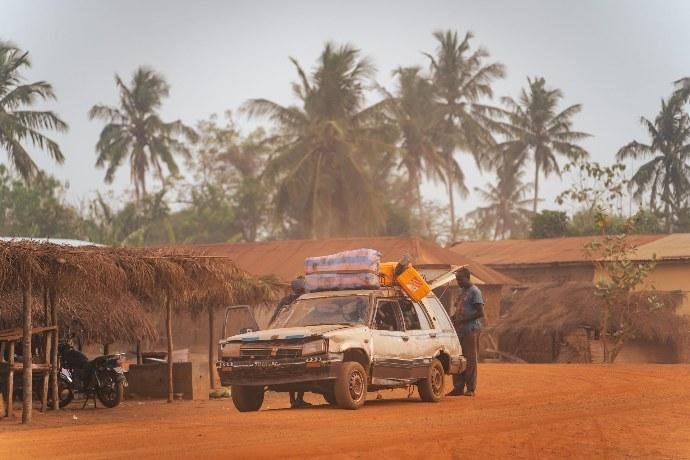
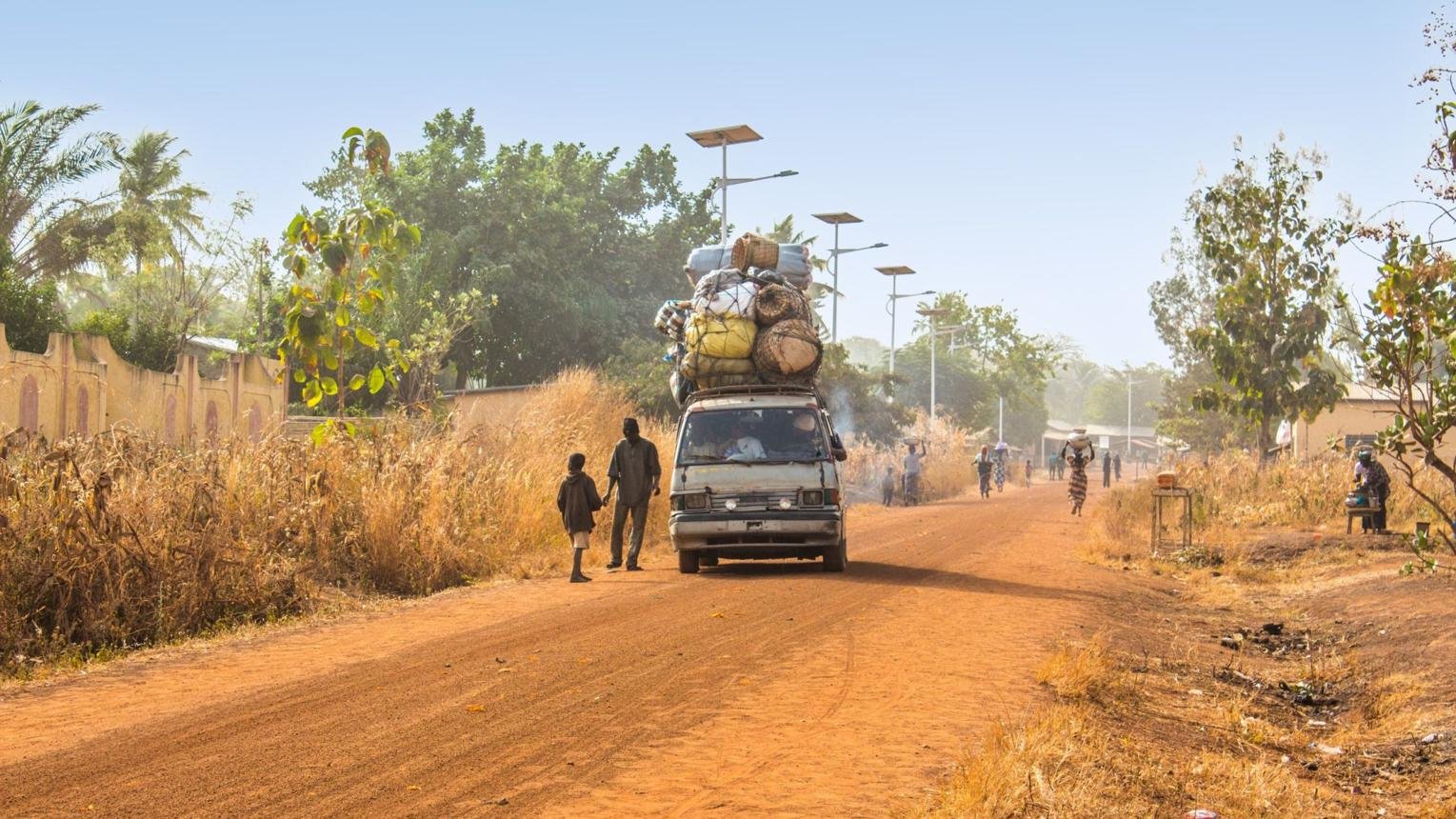
Road transport is the most common mode of transportation in Togo, with a network of paved and unpaved roads connecting major cities and towns. The road infrastructure in Togo has seen some improvements in recent years, but there are still challenges with maintenance and road quality in some areas. Public transport in Togo mainly consists of buses, minibusses, and taxis, providing affordable and accessible options for passengers.
Rail Transport
Togo has a limited railway network, with a single line running from Lomé, the capital city, to the northern town of Blitta. The railway system in Togo mainly serves cargo transportation, particularly for goods such as cotton and phosphates. Although there have been discussions about expanding the railway network, progress has been slow due to financial constraints.
Air Transport
Lomé-Tokoin Airport is the main international airport in Togo, serving as a hub for air travel within the region. The airport provides flights to various destinations in Africa and Europe, connecting Togo to the global aviation network. Domestic flights within Togo are also available, offering convenient travel options for those looking to explore different parts of the country.
Water Transport
Water transport plays a significant role in Togo, with the country’s coastline along the Gulf of Guinea providing access to maritime trade and transportation. The Port of Lomé is the largest and busiest port in Togo, handling a range of goods and serving as a key gateway for international trade. In addition to the seaport, Togo also has inland waterways that are used for transportation, although they are not as extensively developed as the road network.
Challenges and Future Prospects
- Challenges: Togo faces various challenges in its transportation sector, including issues with road maintenance, inadequate public transport services, and limited infrastructure for alternative modes of transport.
- Future Prospects: Despite the challenges, Togo has been making efforts to improve its transportation infrastructure, with plans to upgrade road networks, expand the railway system, and enhance connectivity through partnerships with neighboring countries.
As of 2021, Togo continues to work towards enhancing its transportation system to support economic growth and improve mobility for its citizens. Efforts to address infrastructure gaps and promote sustainable transport solutions are expected to shape the future of transport in Togo.
According to recent data, Togo has shown a 10% increase in the number of road constructions completed in the past year, indicating ongoing efforts to improve the country’s transportation infrastructure.
What are the main modes of transport in Togo?
The main modes of transport in Togo are buses, taxis, motorcycle taxis (zémidjans), and shared taxis.
Is public transportation reliable in Togo?
Public transportation in Togo can be unpredictable and often overcrowded, especially in urban areas. It is recommended to plan ahead and allow for extra time when using public transport.
Are there any train services in Togo?
Togo does not have a functioning national railway system. However, there are plans to revive the railway network in the near future.
Can I rent a car in Togo?
Yes, it is possible to rent a car in Togo. However, it is important to note that driving conditions in Togo can be challenging due to poor road conditions and erratic driving behaviors.
Are there any domestic airlines in Togo?
Yes, there are domestic airlines that operate within Togo, offering flights to different cities and regions within the country.
Do I need an international driver’s license to drive in Togo?
It is recommended to have an international driver’s license when driving in Togo to avoid any potential issues with local authorities.
What is the typical fare for public transportation in Togo?
The fare for public transportation in Togo varies depending on the mode of transport and distance traveled. It is best to ask the driver or conductor for the fare before boarding.
Are there any safety tips for using public transportation in Togo?
It is advisable to keep belongings secure, be vigilant of pickpockets, and avoid traveling alone at night when using public transportation in Togo.
Are there any transport options for traveling between cities in Togo?
Traveling between cities in Togo can be done by bus, taxi, or shared taxi. These modes of transport are readily available and relatively affordable.
Are there any specific cultural norms or etiquette to be aware of when using public transportation in Togo?
It is important to respect other passengers, give up your seat to elders or pregnant women, and greet the driver or conductor when boarding and alighting from the vehicle.
Conclusion
Overall, the transport system in Togo faces various challenges, including inadequate infrastructure, poor road conditions, and limited public transportation options. Despite these challenges, there have been efforts to improve the transportation sector, such as the construction of new roads and bridges and the introduction of regulations to enhance road safety. Additionally, the government has been working to expand and modernize the country’s railway network to facilitate the movement of goods and people across the country.
It is clear that there is still much work to be done to address the transportation challenges in Togo and improve the overall efficiency and safety of the transport system. By continuing to invest in infrastructure, implement regulations to improve road safety, and expand public transportation options, the government of Togo can help to create a more reliable and accessible transport system for its citizens. Additionally, collaboration with international partners and organizations can provide valuable support and expertise in addressing the transportation issues in the country. With continued effort and investment, Togo has the potential to enhance its transport system and improve the overall quality of life for its residents.